Designing for Memory: How Hospitality Experiences Drive Loyalty and Brand Value
How intentional design turns emotional experience into real business returns.
In a crowded hospitality market, the spaces people remember are the ones they return to, recommend, and continue to associate with a brand long after they leave. Across hotels, retail destinations, workplaces, and mixed-use developments, hospitality-inspired design can turn emotional connection into measurable business outcomes, from loyalty and occupancy to retention and brand value. The most successful environments are designed not only to function, but to be remembered.
People rarely leave a space recalling the exact stone selection, chair manufacturer, or paint color. They remember anticipation, arrival, and discovery — and whether the room made them feel welcomed, cared for, curious, grounded, or connected.
This emotional connection is not an abstract design ambition; it is a strategic tool. The following principles — drawn from Gensler’s research and cross-sector portfolio — show how memorable experiences can translate into real business returns.
When Brand and Experience Become One
The most memorable destinations create a seamless connection between brand identity and physical environment. When a space and a brand tell the same story, guests remember the feeling — and come back for it.
Story shapes the entire experience: the way a person enters the space, the choreography of service, the comfort of a seat, the glow of the lighting, and the narrative the environment communicates before a word is spoken. When environment and brand become indistinguishable, design becomes more than a backdrop; it becomes the brand itself.
Research published in the International Journal of Contemporary Hospitality Management reinforces the point: aesthetic experience and thematic congruence matter. When the visual, emotional, and experiential cues of a place align, the experience becomes easier to remember.
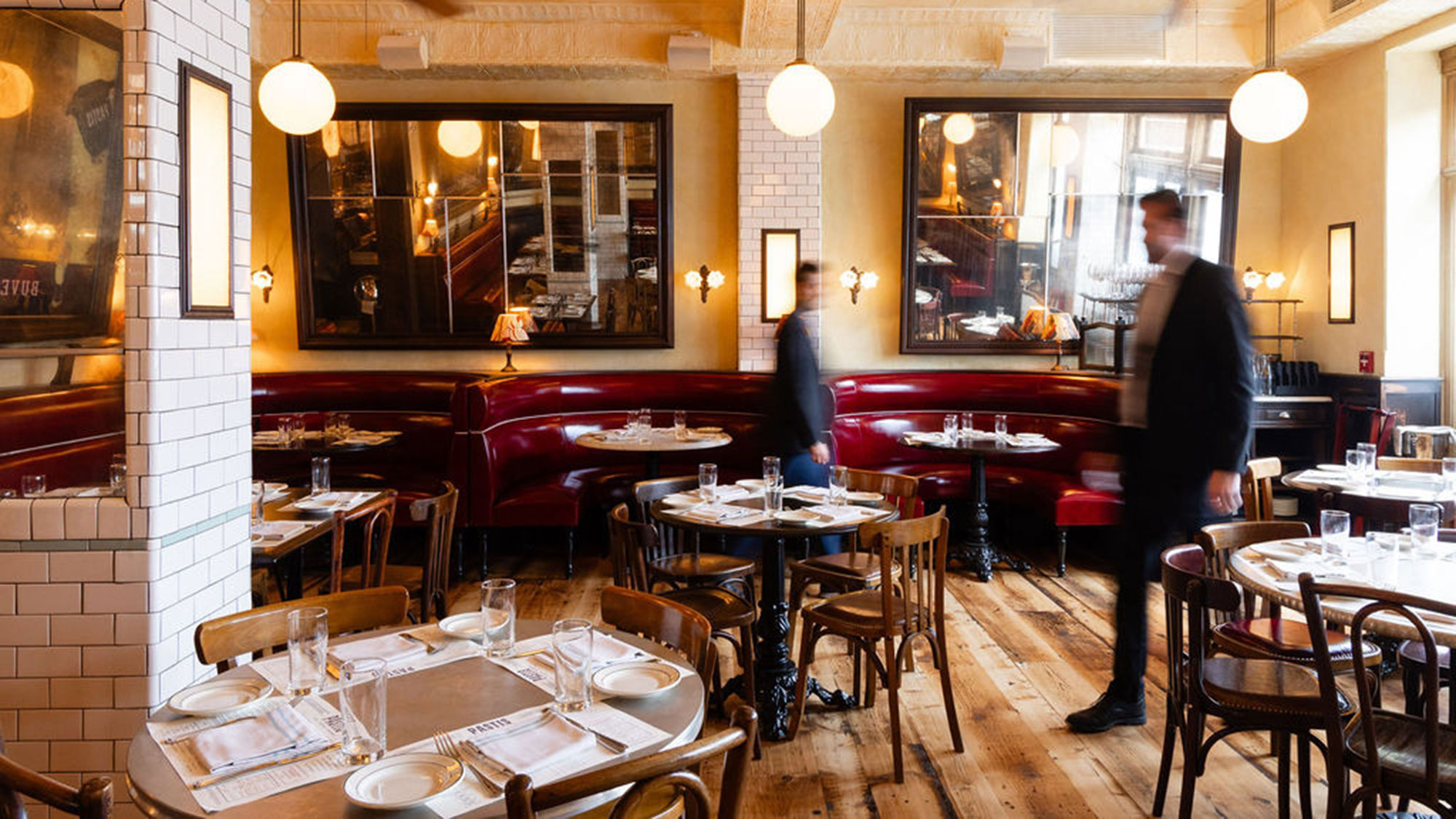
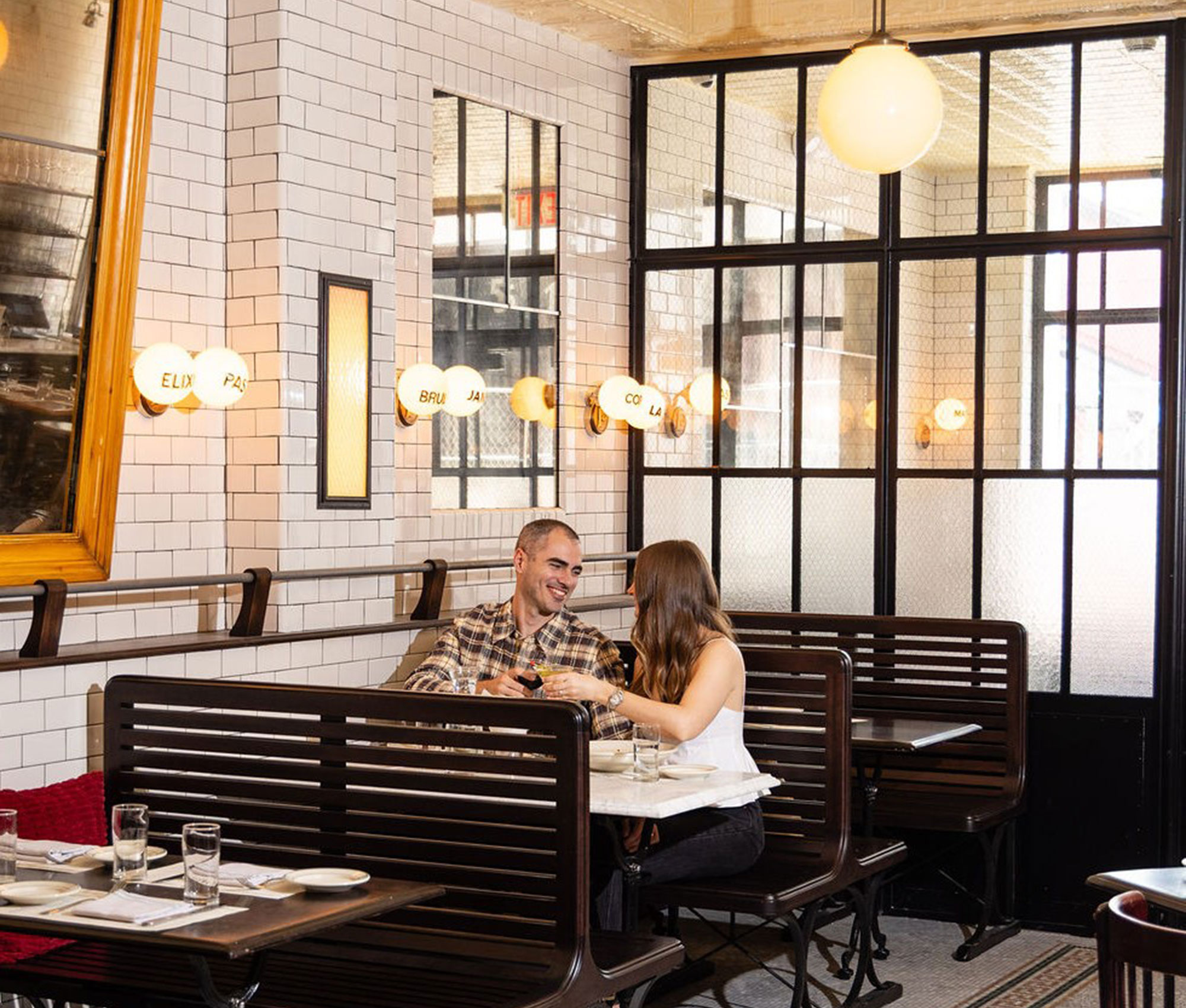
Pastis in Nashville offers a clear example of a brand expressed through the environment. A new arrival to the Music City restaurant scene, Pastis transports guests from Broadway to the sights and textures of Paris. Yet the project’s power lies in the sense that it has somehow always been there. The mind registers it as new; the heart recognizes it as familiar.
That is the opportunity of environmental branding. Guests do not need to be told what Pastis is. They feel it through the scale of the room, the materiality, the lighting, the seating, and the sense of occasion. When a space fully reflects the brand, the experience becomes easier to understand, remember, and return to.
Design for Consistency, Not Just Novelty
People return to places that consistently deliver meaningful experiences. Novelty may drive the first visit; consistency drives the second, the third, and the recommendation that follows. Design can create coherence that builds trust over time.
A beautiful room can still feel wrong if the acoustics are harsh, the lighting is cold, the scent is overpowering, or the seating is uncomfortable. By contrast, a space that is coherent across the senses can feel intuitive and emotionally complete. Nothing competes for attention. Every cue belongs to the same story.
In the 2026 publication Designing Emotion Through the Senses in Hospitality, the Gensler Research Institute argues that the full sensory spectrum is the primary interface between people and space. Its findings suggest that multisensory design can transform hospitality environments into emotionally resonant, inclusive, and strategically differentiated places. One finding is especially relevant: multisensory coherence strengthens brand identity and memorability by avoiding sensory overload.
In other words, emotional impact is not about adding more stimulation. It is about alignment.
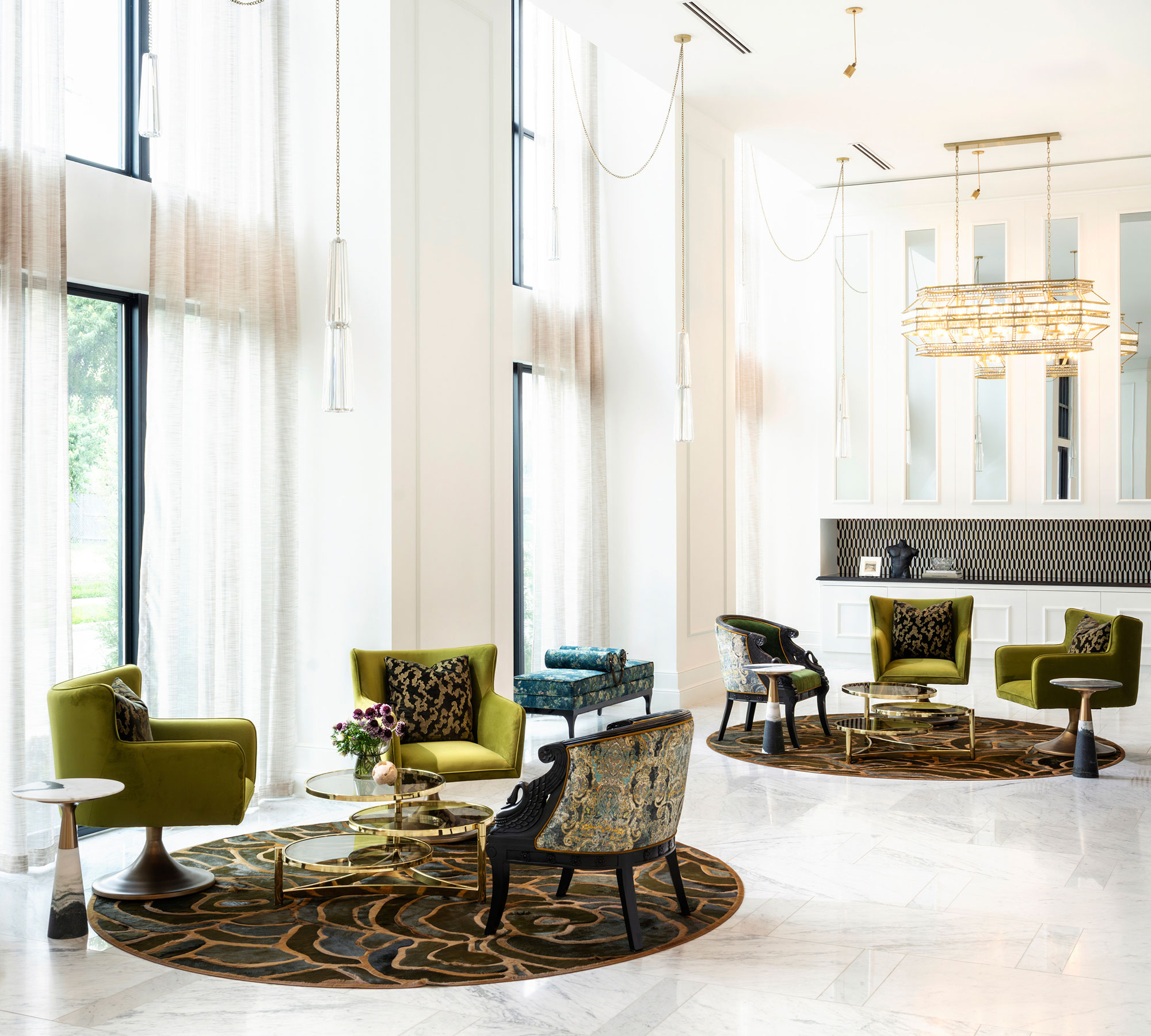
The Heron Museum District apartments in Houston demonstrate this principle in a residential setting shaped by coherence and consistency. Everywhere residents and visitors look, their senses are engaged but not overwhelmed. An elegant blend of Art Deco references, modern amenities, strategic lighting, and intentional color creates spaces that are visually arresting and purposefully arranged. Each choice — wood or marble, carpet or ceramic, light or shadow — supports an emotional connection that communicates quiet dependability.
The lesson is that every design choice should feel connected to a larger emotional and local narrative. At The Heron, the experience is consistent: refined, welcoming, service-oriented, and rooted in comfort — qualities that welcome residents back and draw new ones in.
Create Experiences That Support Well-Being
Wellness is no longer an amenity; it is an expectation. Environments that make people feel comfortable, healthy, and supported can create deeper emotional connections and stronger attachments.
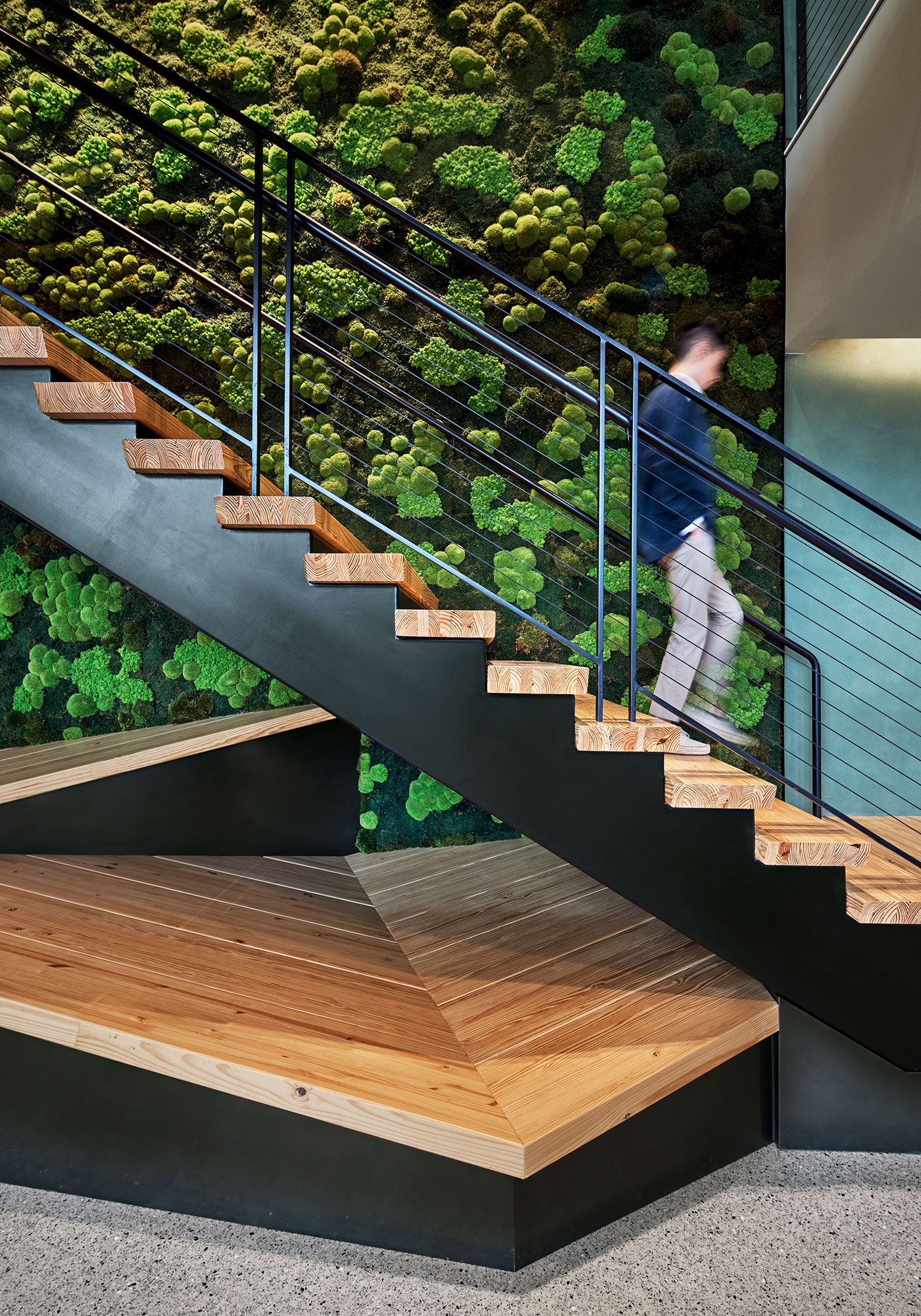
In the workplace, biophilic design supports those connections by integrating natural materials, daylight, and fresh air. That matters because the office is no longer the default workplace; it must offer something the home cannot.
This approach is evident at The Offices at Southstone Yards in Frisco, Texas, a LEED-certified workplace where mass timber, green materials, advanced indoor air quality systems, and wellness-focused amenities create a workplace designed around both performance and human experience.
The building incorporates natural materials throughout its spaces, reduces water waste by 34%, and provides panoramic views and natural daylight for workers. Since opening, Toyota Financial Services has become the exclusive tenant of the 242,000-square-foot building. The project demonstrates how biophilic design can offer workers a sense of safety, connection, and belonging — qualities that are increasingly central to workplace value.
In this context, wellness and biophilia are not decorative add-ons. They are part of a broader narrative about what the workplace can offer people: not simply a place to work, but a place that supports how they want to live.
Designing for the Feeling People Remember
As hospitality principles influence more sectors, owners and brands have an opportunity to differentiate through experiences that people remember. Environments that create lasting value become part of how people understand a brand. When people remember how a place made them feel, they are more likely to return, remain loyal, and advocate for it — turning experience into business value.
Function and experience should not be treated as competing priorities. The best environments do both: they work beautifully, and they leave people with something to remember. A restaurant still needs an efficient kitchen and clear circulation. A residential tower still needs durable finishes, operational logic, and marketable amenities. A workplace still needs flexibility, technology, meeting spaces, and the infrastructure to perform.
When guided by a clear narrative, functional requirements become more than operational decisions; they help shape how a place makes people feel. In an increasingly competitive market, a forgettable experience is a compounding disadvantage. The environments that leave lasting impressions are often the ones that earn repeat visits, deeper loyalty, and greater brand value over time.
For media inquiries, email .