Beyond Smart Hotels: Designing Intelligent Destinations
Gensler’s hospitality leaders discuss why hotels must embed smart design from the start.
The hospitality sector is being reshaped by new pressures. Hotels are balancing rising operational costs, more ambitious sustainability targets, and rapidly evolving guest expectations while also navigating an expanding landscape of digital tools and technologies.
Technology is often positioned as the answer — smarter systems and better data can reduce energy demand, simplify operations, and deliver a more intuitive guest experience. But that framing misses something fundamental.
Up to 60–70% of a building’s energy performance is determined before a single system is specified, set by design decisions made at the concept stage. True intelligence in hospitality is embedded from the start.
Gensler’s Alvaro Morcillo made that case directly at FITUR TechY 2026, where he spoke on the panel “Energy Efficiency: Smart Hotels and Destinations as a Planetary Solution.” Alvaro argued that design, data, and systems thinking must work together from the outset to reduce environmental impact and improve long-term performance.
We sat down with Alvaro and fellow Gensler hospitality leader Davide Bertacca to explore what it really means to design an intelligent hotel — and why the most important decisions happen long before the technology arrives.
Alvaro: Architects don’t manage energy day to day, but we design the conditions that shape how it’s used for decades. Long before any system is introduced, architecture is already setting demand: how sunlight enters a building, how air moves through it, how spaces are used, and whether parts of it can be switched off when they’re not needed.
Davide: Our role is also about mediation. As architects, we’re constantly balancing different inputs — technical, environmental, cultural — and aligning them into something coherent.
It’s a pragmatic process, but also a responsible one. A project can’t be considered sustainable if the layout is inefficient, if materials are poorly chosen, or if it doesn’t respond to its wider context.
We don’t see energy efficiency as something layered on later. It starts with clarity — of layout, of systems, of intent. When that’s resolved early, complexity reduces naturally.
Alvaro: It starts earlier than people often think — well before systems are defined. At the concept stage, we’re already making decisions around orientation, massing, envelope performance, and spatial organisation. Those moves have a huge impact on energy demand.
We rely heavily on early-stage simulations — solar exposure, daylight, thermal behaviour — to guide decisions like façade depth, window placement, outdoor spaces, and orientation.
Davide: And the range of tools available to support this kind of thinking is growing quickly. The key is not just having access to them, but using them early enough. When sustainability informs the first decisions — rather than being applied later — it becomes part of the architectural logic, not an add-on.
Alvaro: It’s not about adding more technology. An intelligent hotel starts with how it relates to its environment — its climate, resources, and community. It’s less about devices, and more about designing a building that behaves well as part of a wider system.
Davide: I agree — technology plays a role, but it’s not the definition. What we’re really trying to do is reduce friction between what people need and how a space responds. True intelligence lies in removing complications, not adding them. The best systems are often the ones you don’t notice — they just make the experience feel more intuitive.
Davide: That extends to how we work as designers too. AI and advanced technologies enhance creativity — if used properly. We see technology as a design partner. AI-driven analysis and predictive modelling help us test ideas quickly, understand patterns, and make more informed decisions. But it doesn’t replace the thinking behind the design.
Alvaro: Exactly. Constraints don’t reduce creativity — they focus it. Technology and energy considerations push us toward solutions that are more specific to place, more honest, and often more meaningful.
Alvaro: Passive design makes a fundamental difference. A large proportion — up to 60-70% — of a building’s energy performance is determined in the early design stages. If that foundation isn’t right, no amount of technology can fully compensate for it. That’s why we prioritise reducing demand first — before thinking about how to optimise it.
Some guests actively look for sustainability. Others don’t think about it directly — but they do feel the results. Things like thermal comfort, air quality, acoustics, and natural light all contribute to a sense of quality and luxury. When those are working well, the experience improves — even if the guest doesn’t label it as “sustainable.”
That creates real value for owners and operators by improving guest satisfaction and strengthening the asset’s long-term performance.
Davide: And from a development perspective, it’s not really about adding cost — it’s about making better decisions earlier. That might mean more rigour at the design stage, but it typically leads to lower operational costs and fewer interventions later on.
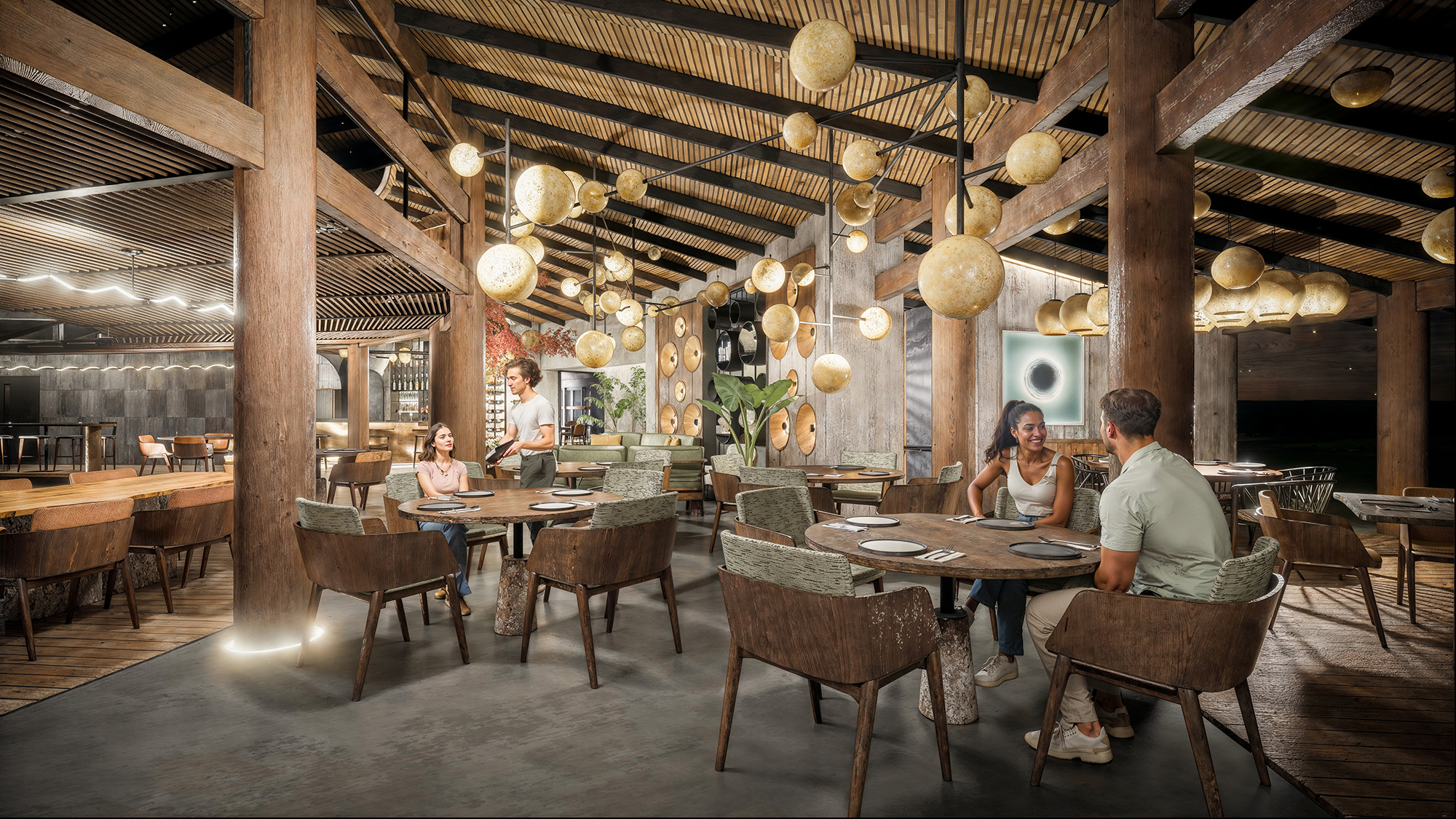
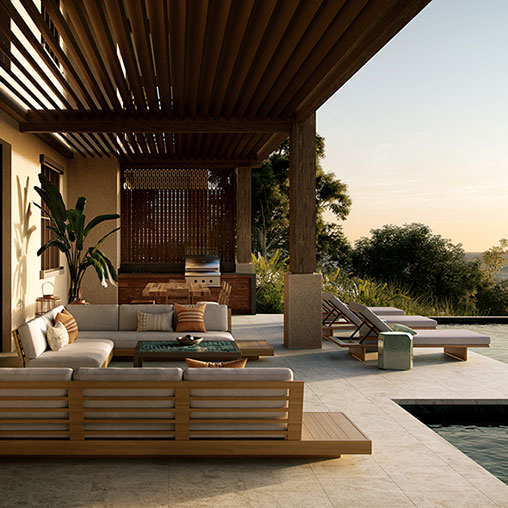
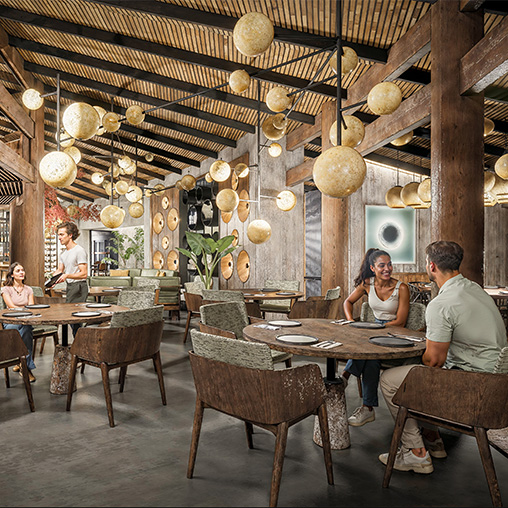
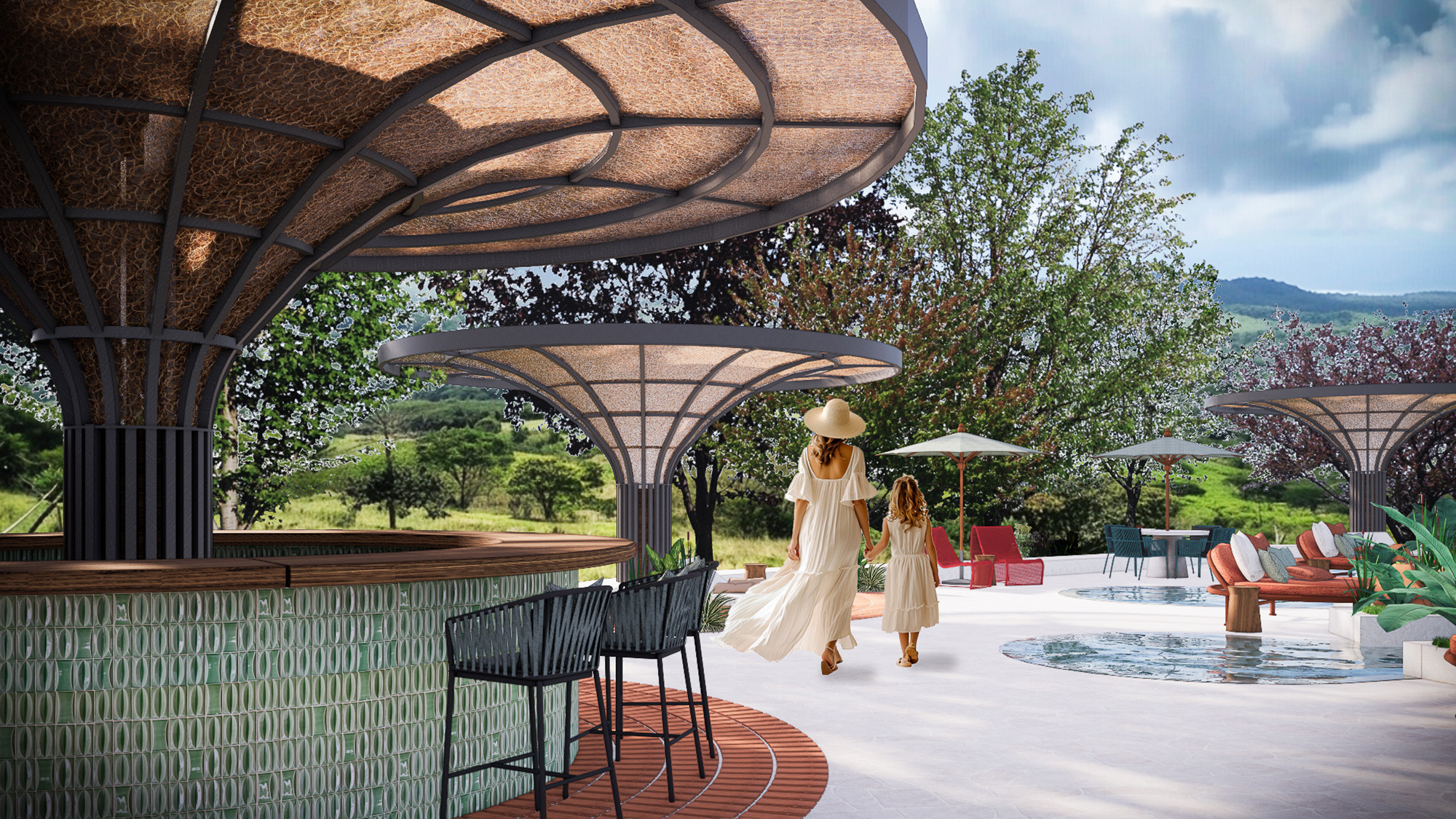
Davide: In that sense, sustainability becomes less of an extra and more of a long-term value strategy. That’s an approach we saw play out directly in the design of ORIGINS Astral Lodge in Costa Rica, where regenerative strategies, local materials, on-site craftsmanship, and community employment enhanced performance, resilience, and local value, rather than driving cost.
Alvaro: If we want hotels and destinations to be part of a planetary solution, we need to stop designing buildings as objects and start designing them as adaptive systems. Architecture has the responsibility to reduce demand, simplify operations, and create places where sustainability and guest experience are the same thing.
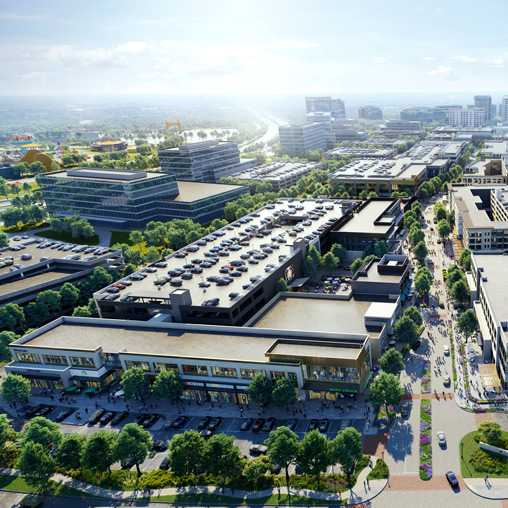
Davide: That same thinking is changing the relationship between hotels and the city. Increasingly, hospitality is contributing to urban life — supporting public space, enabling mixed-use environments, and playing a role in broader regeneration strategies.
Alvaro: Because of this, hotels are becoming less isolated and more integrated into their surroundings. That shows up in things like more open ground floors, shared spaces, continuity of urban flows, and hybrid programmes that connect with the rhythms of the city.
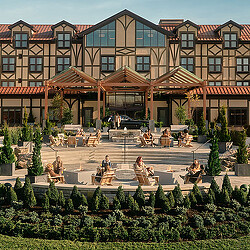
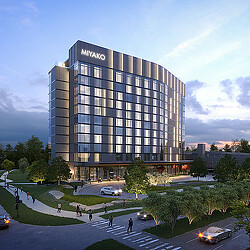
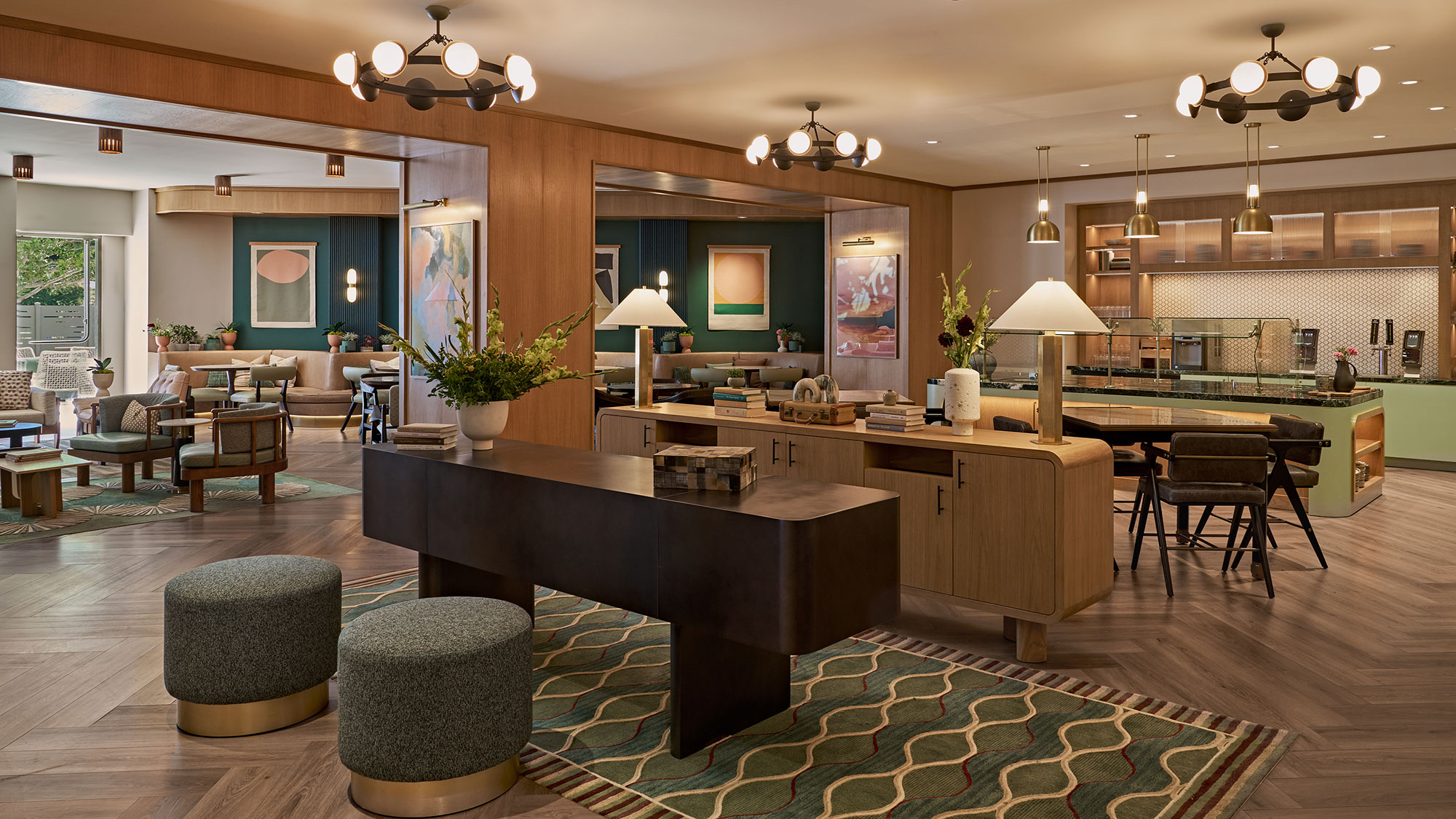
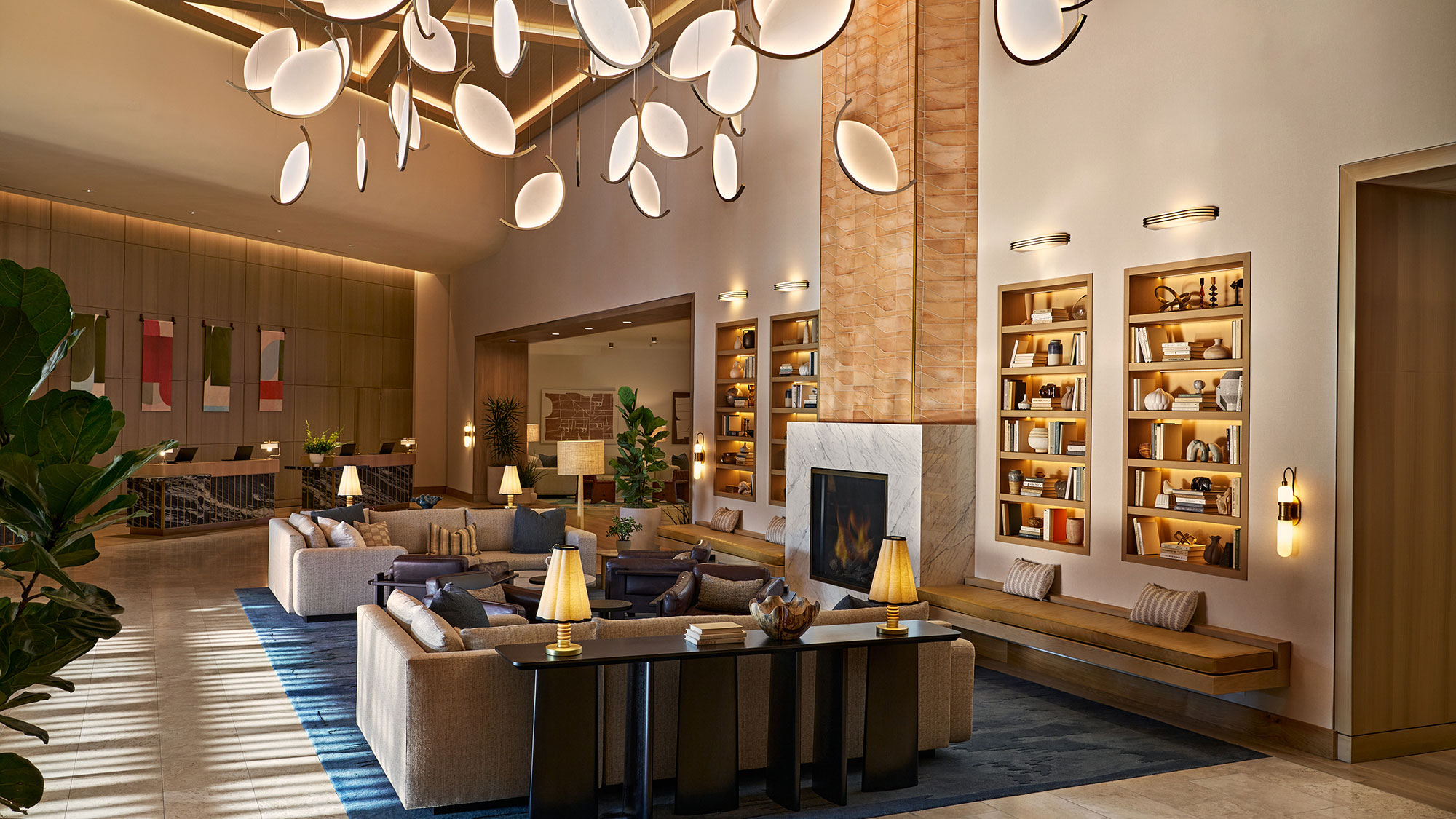
Davide: Yes, it shifts the hotel from being a standalone asset to part of a wider system. In projects such as Hyatt Regency Irvine in Irvine, California, the ground floor was reimagined as an amenity-driven urban destination, strengthening the relationship between the hotel and the city while contributing to measurable carbon reductions.
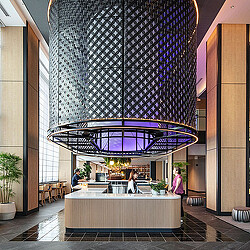
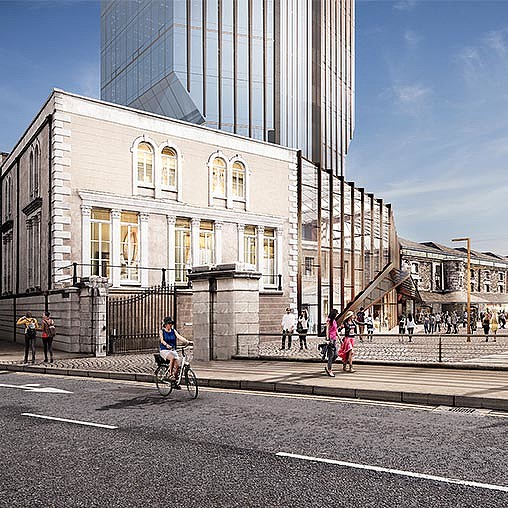
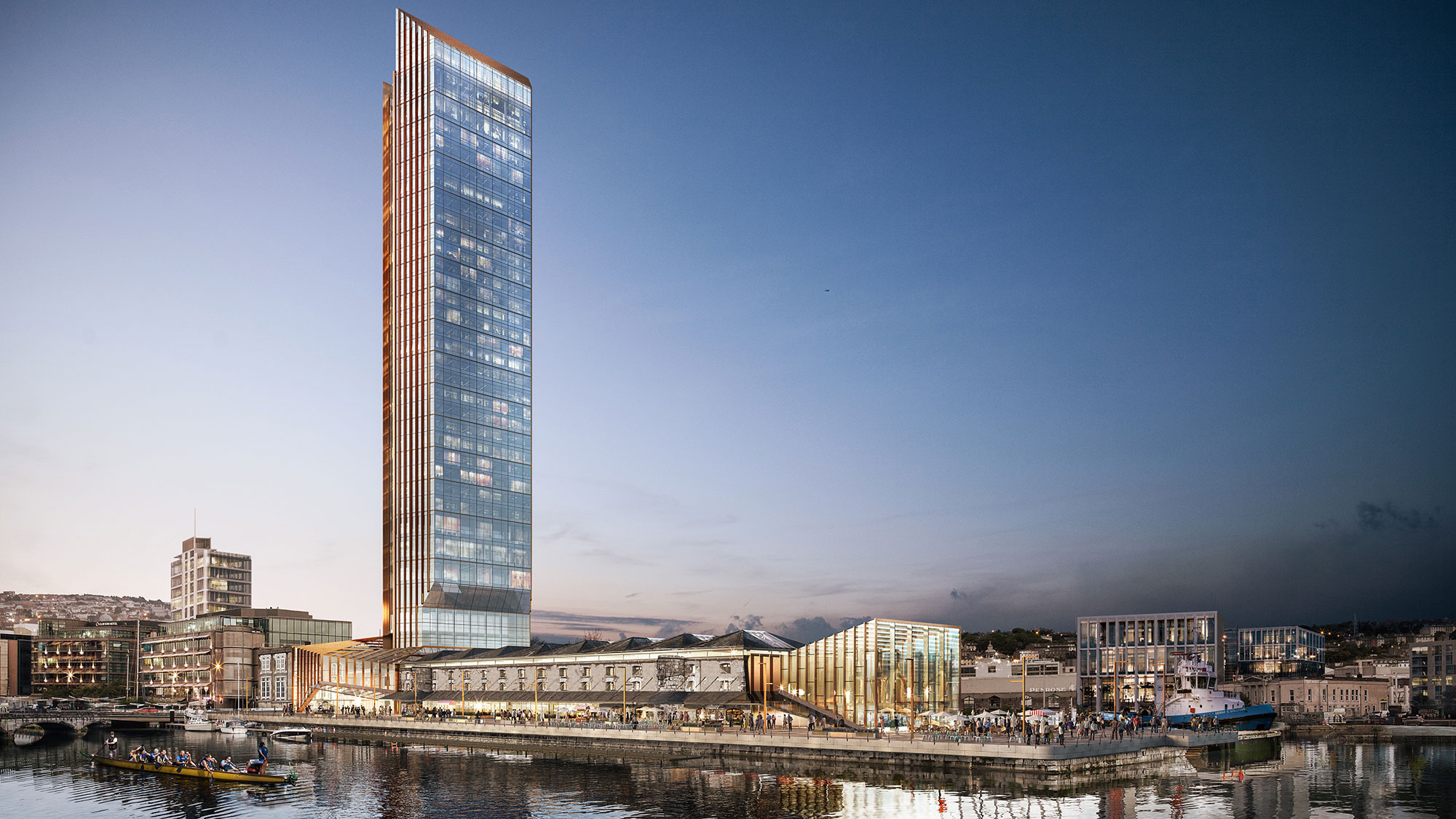
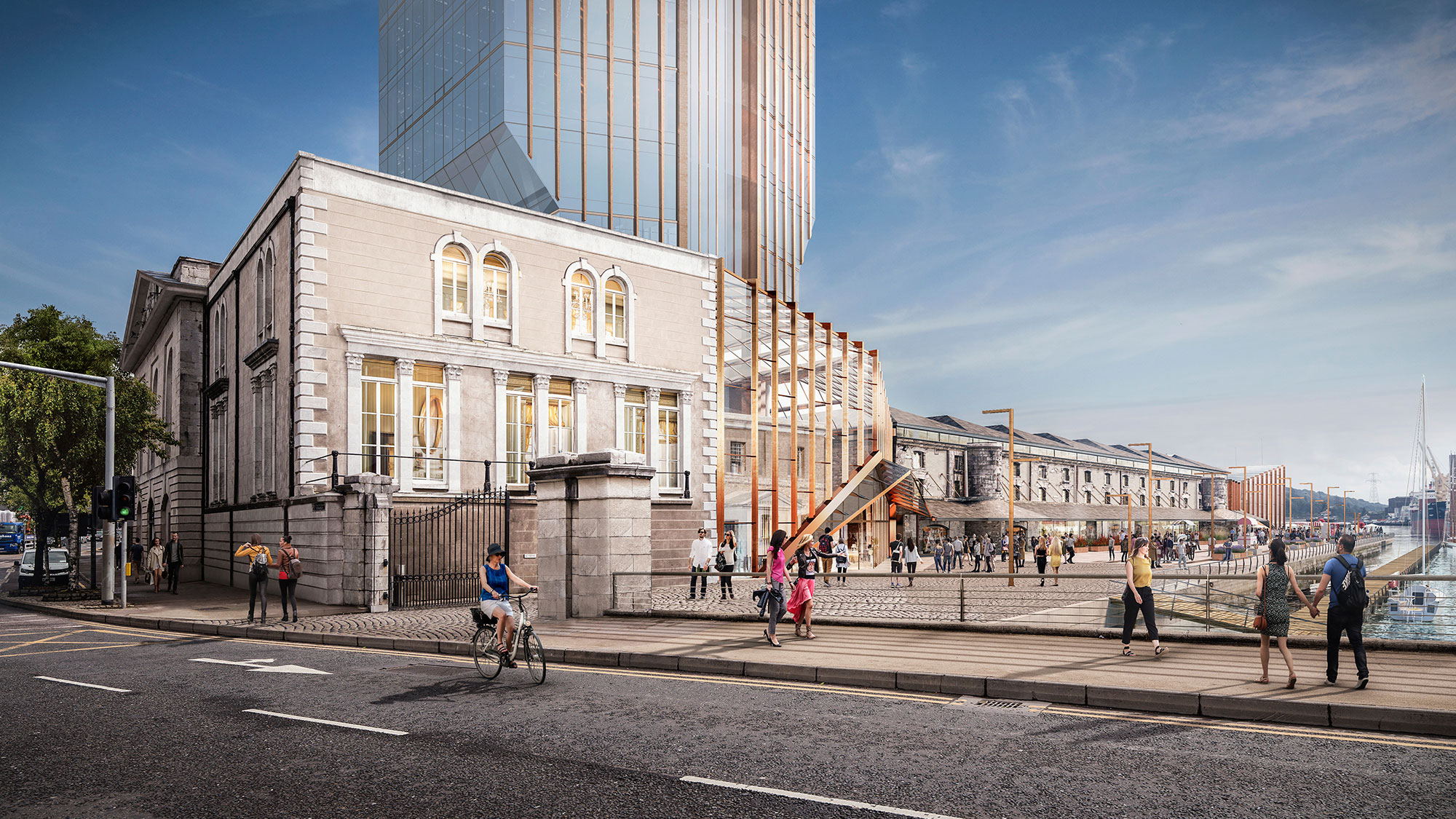
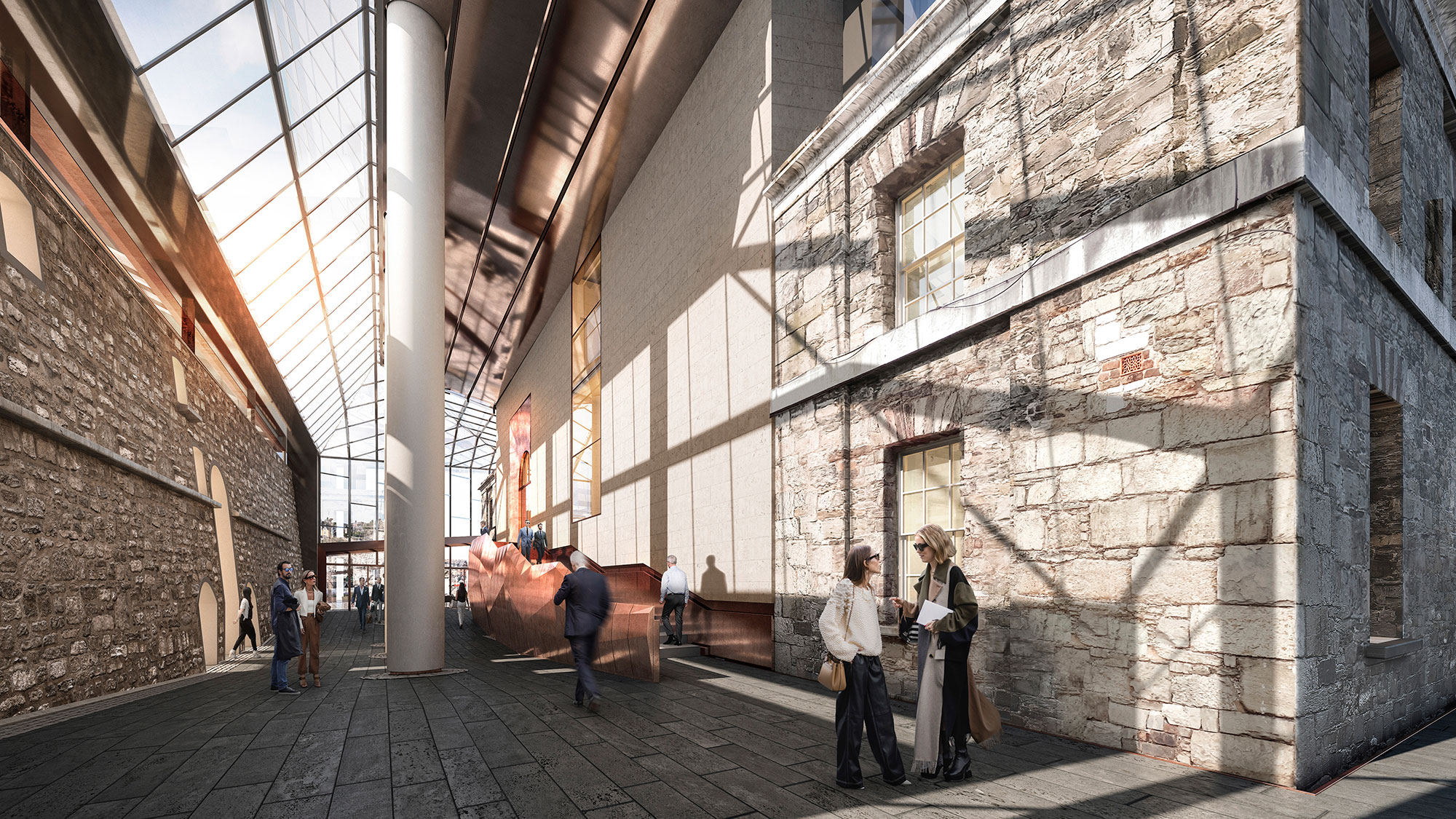
Similarly, mixed-use developments like Custom House Quay in Cork, Ireland, position hospitality as a catalyst for wider regeneration, integrating adaptive reuse, public realm, landscape, and climate-responsive design into a cohesive urban strategy.
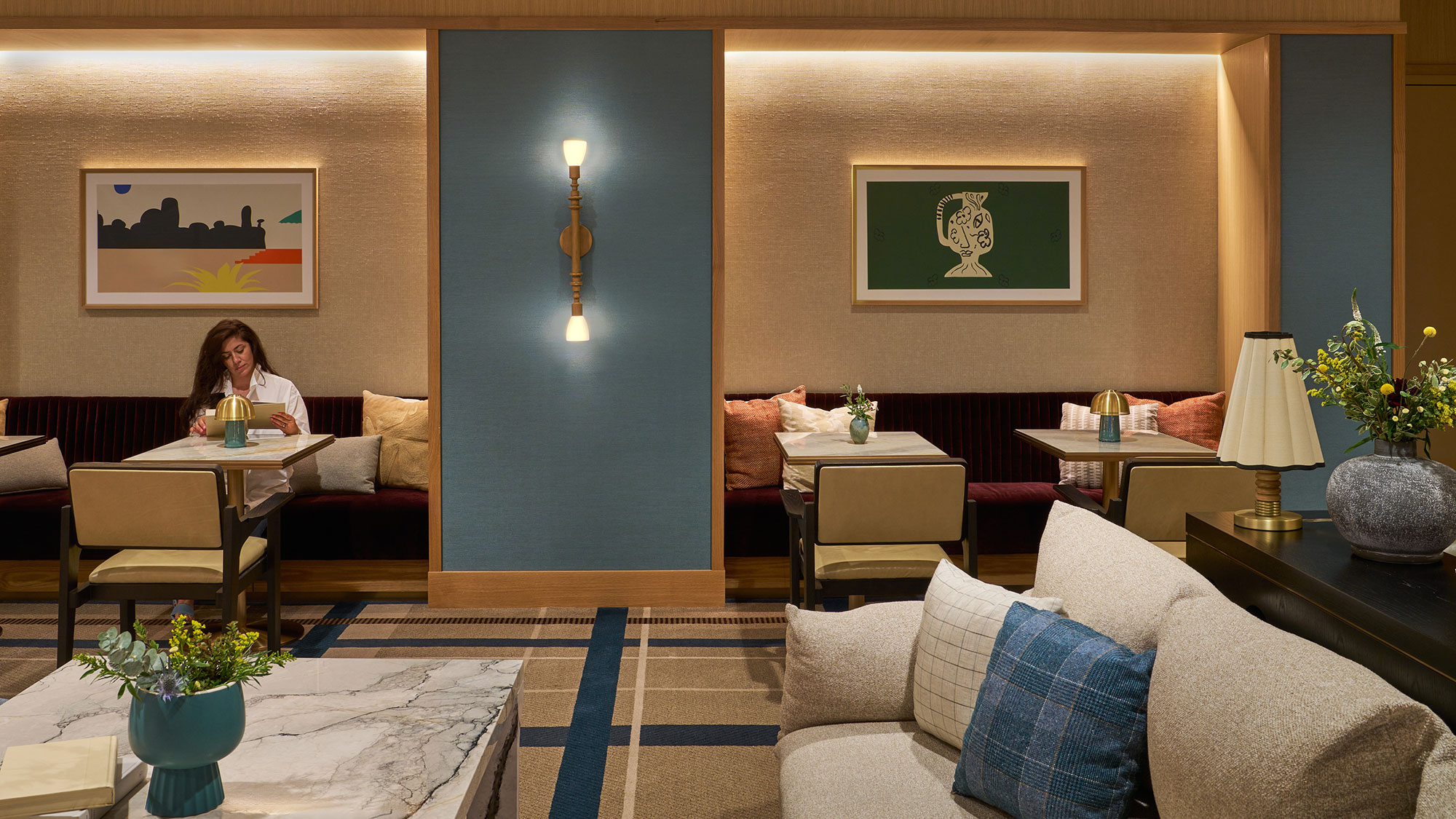
Alvaro: Ultimately, intelligence isn’t about visibility — it’s about responsiveness. The most intelligent hotels are the ones that perform efficiently, use resources carefully, and feel intuitive for the people using them.
Davide: It’s about creating places that work well, last well, and feel right for their context.
For media inquiries, email .