How Immersive Food & Beverage Spaces Give Multifamily Developments an Edge
Experiential F&B environments drive retention, generate buzz, and differentiate developments in a crowded market.
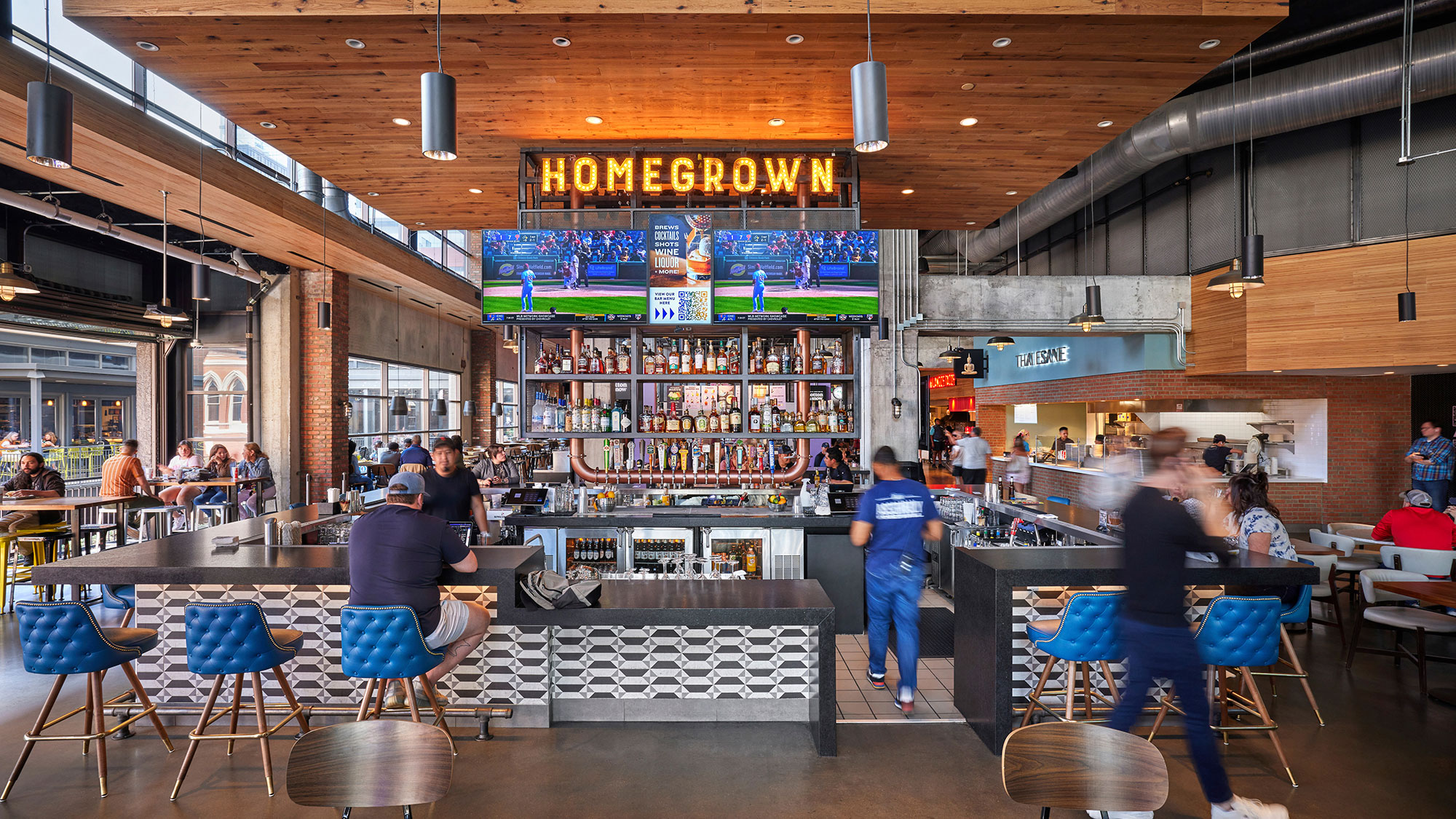
For decades, multifamily developers competed on amenity square footage: the bigger the gym, the longer the pool, the more impressive the rooftop. But residents have grown savvy to the checklist. The next wave of competitive differentiation isn’t about adding more. It’s about adding meaning. When food and gathering spaces are designed with real care, they give residents a reason to show up.
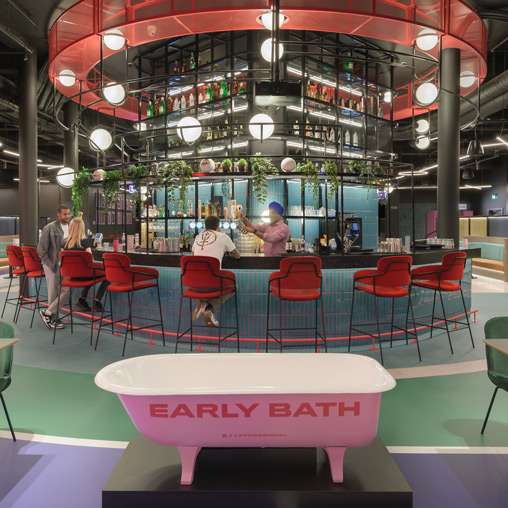
The most compelling residential developments treat experiential food & beverage as the emotional and social core of a community. Shared kitchens equipped like professional studios. Lobby cafés with the warmth of a neighborhood haunt. Rooftop dining that feels curated, not corporate. When those experiences land, something remarkable happens: strangers become neighbors, and neighbors become community.
Today’s leading residential developments treat physical space and human activity as one inseparable instrument. Programming is key: from rotating chef residences that give local culinary talent a platform to cooking classes, seasonal pop-up markets in shared courtyards, or neighborhood collaboration dinners that build relationships across units and across the street.
Forward-looking developers are responding not just by designing better spaces — but by designing spaces that are built to be programmed.
The Business Case for Immersive F&B
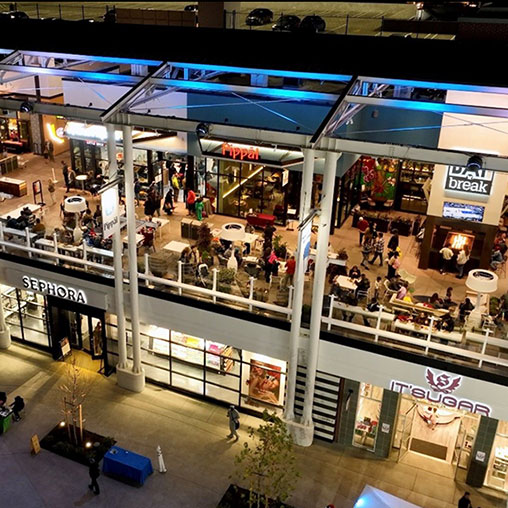
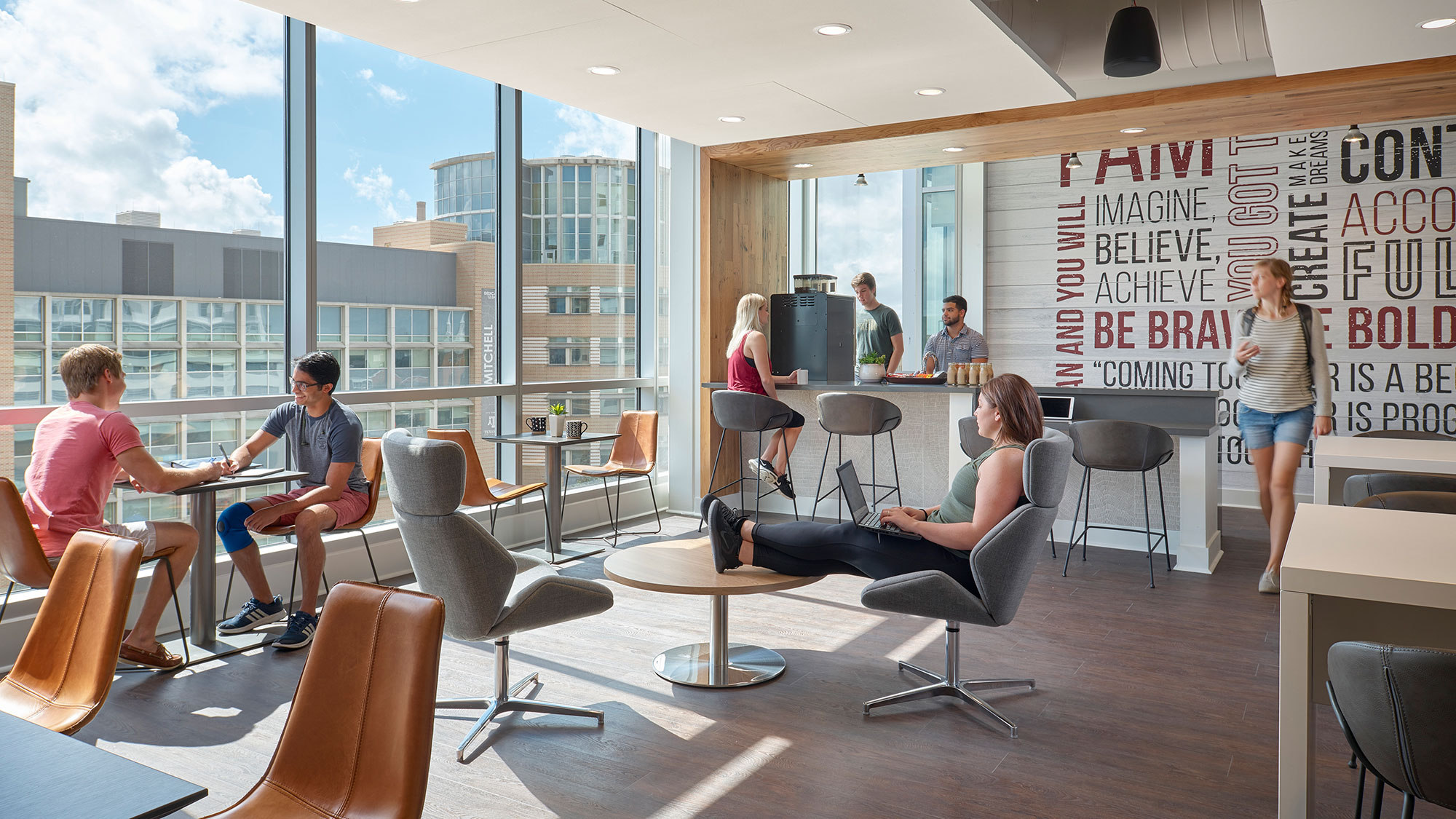
This shift has real business logic behind it. Experiential F&B environments drive retention and activate ground-floor retail. They generate press, social buzz, and word-of-mouth that no amenity package checklist ever could. For developers, that’s a genuine edge in a crowded market.
Research consistently shows that community and amenity quality are among the strongest predictors of lease renewal. Communities built around shared experience are more connected, more loyal, and more likely to self-sustain. For developers, that shows up in lease renewals, referrals, and reputation.
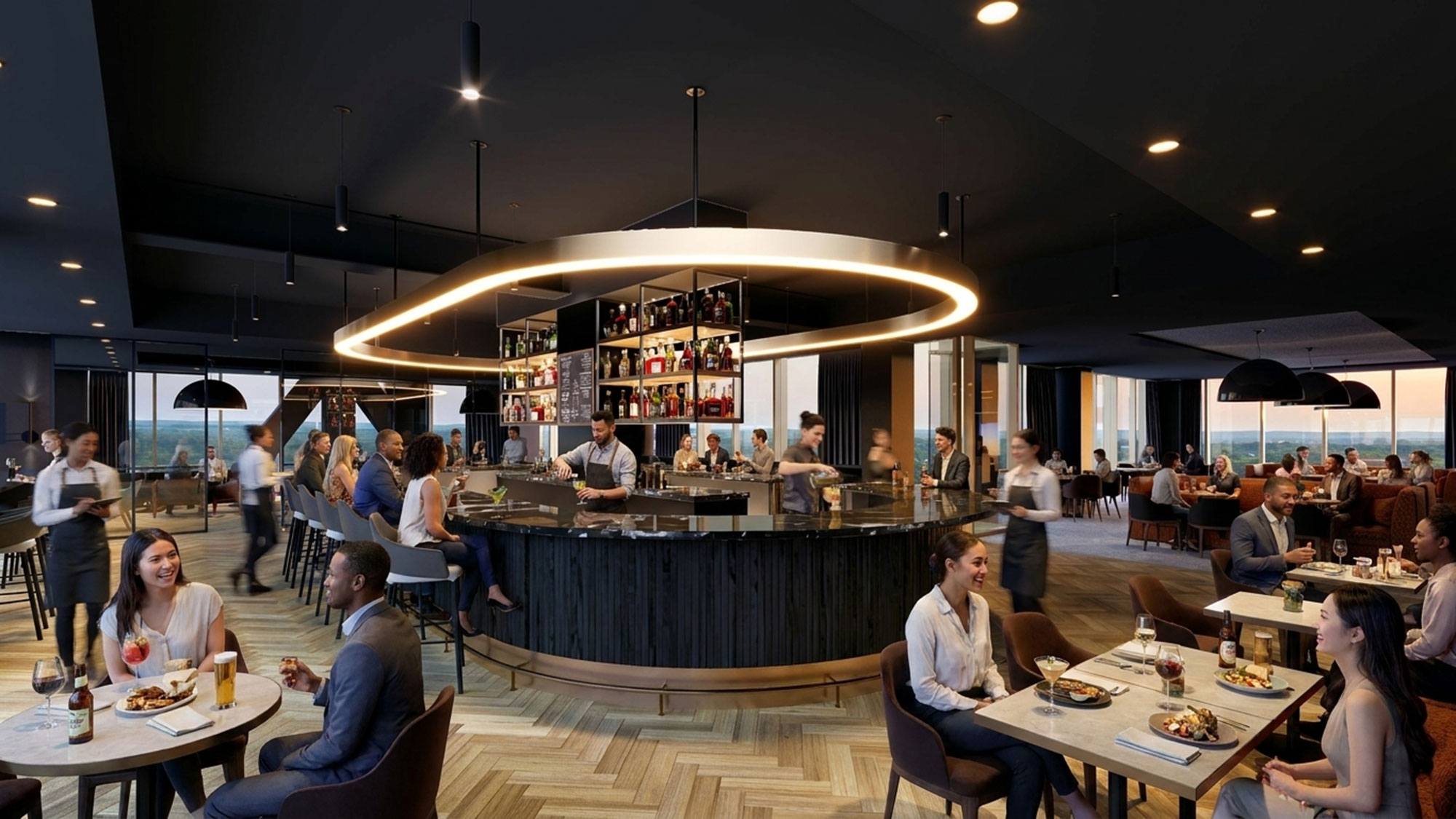
The Design Language of Immersion
Experiential F&B is about how the space makes you feel the moment you walk in. That demands the same tools that hospitality has long relied on: layered lighting, acoustic warmth, material honesty, and a sense of theater.
In practice, this means open kitchen layouts that invite residents to watch, participate, or simply be close to the action. It means flexible furniture that signals “this space transforms.” It means warm materials that communicate welcome: wood, stone, soft textiles, things that age well and feel intentional. And it means outdoor extensions that bring food into contact with nature and seasonality, terraces and fire pits that make a rooftop dinner feel like an occasion.
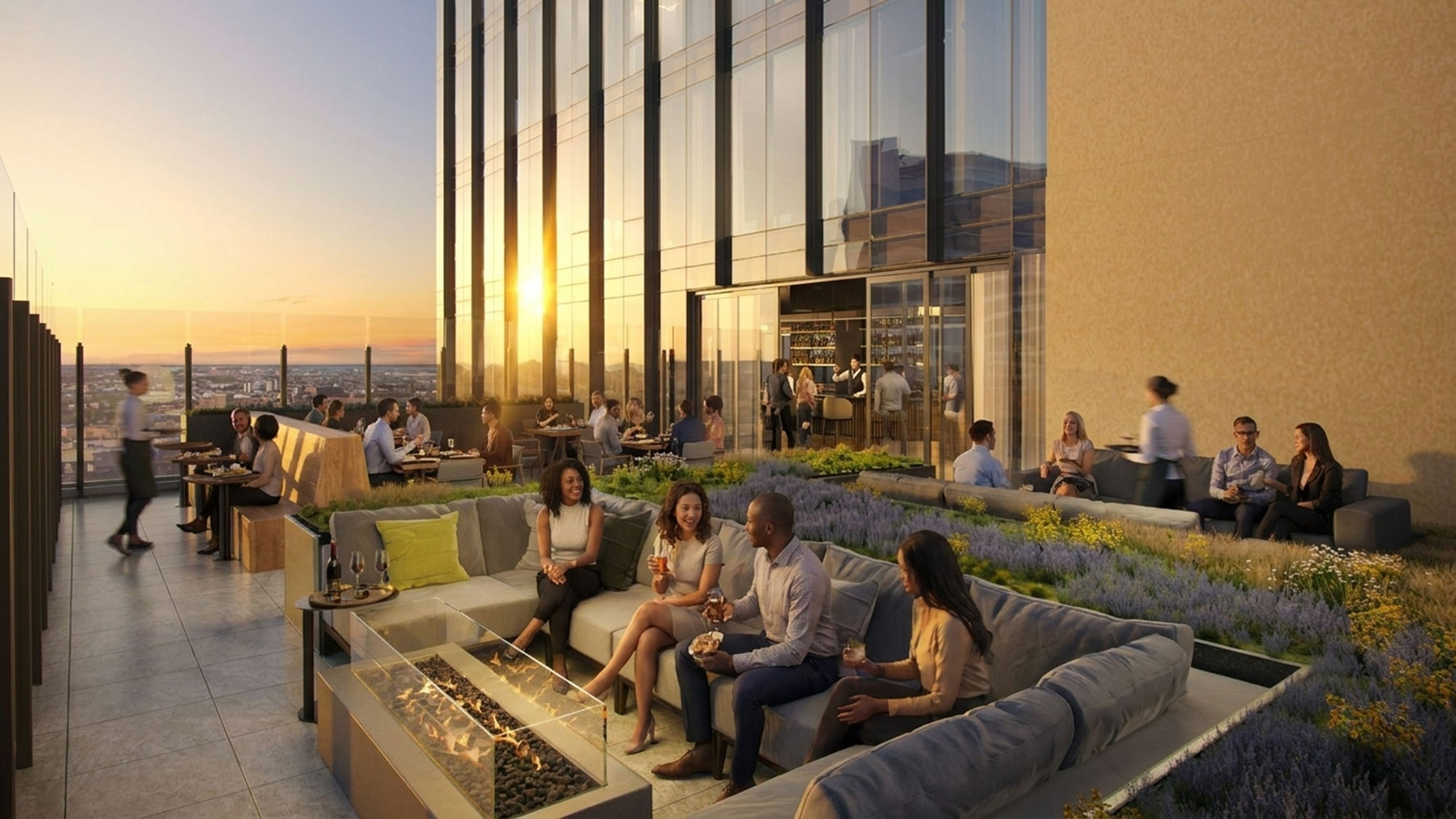
Authenticity Over Formula
There is a version of experiential F&B that feels hollow: the glossy kitchen no one uses, the chef’s table that’s more marketing deck than dining experience. The difference between that and the real thing is authenticity.
The bar for “experiential” is fast rising, and the best examples in multifamily design borrow from hospitality. Think lobby cafés designed with the same rigor as an independent coffee shop: custom millwork, single-origin beans, a trained barista, neighborhood regulars alongside residents. Or chef-in-residence programs where culinary talent rotates through communal kitchens, turning an ordinary Thursday evening into something worth staying in for.
Pearl House in New York set a new standard by integrating a fully programmed dining room, private chef experiences, and a curated bar program into a residential building, blurring the line between luxury hospitality and apartment living.
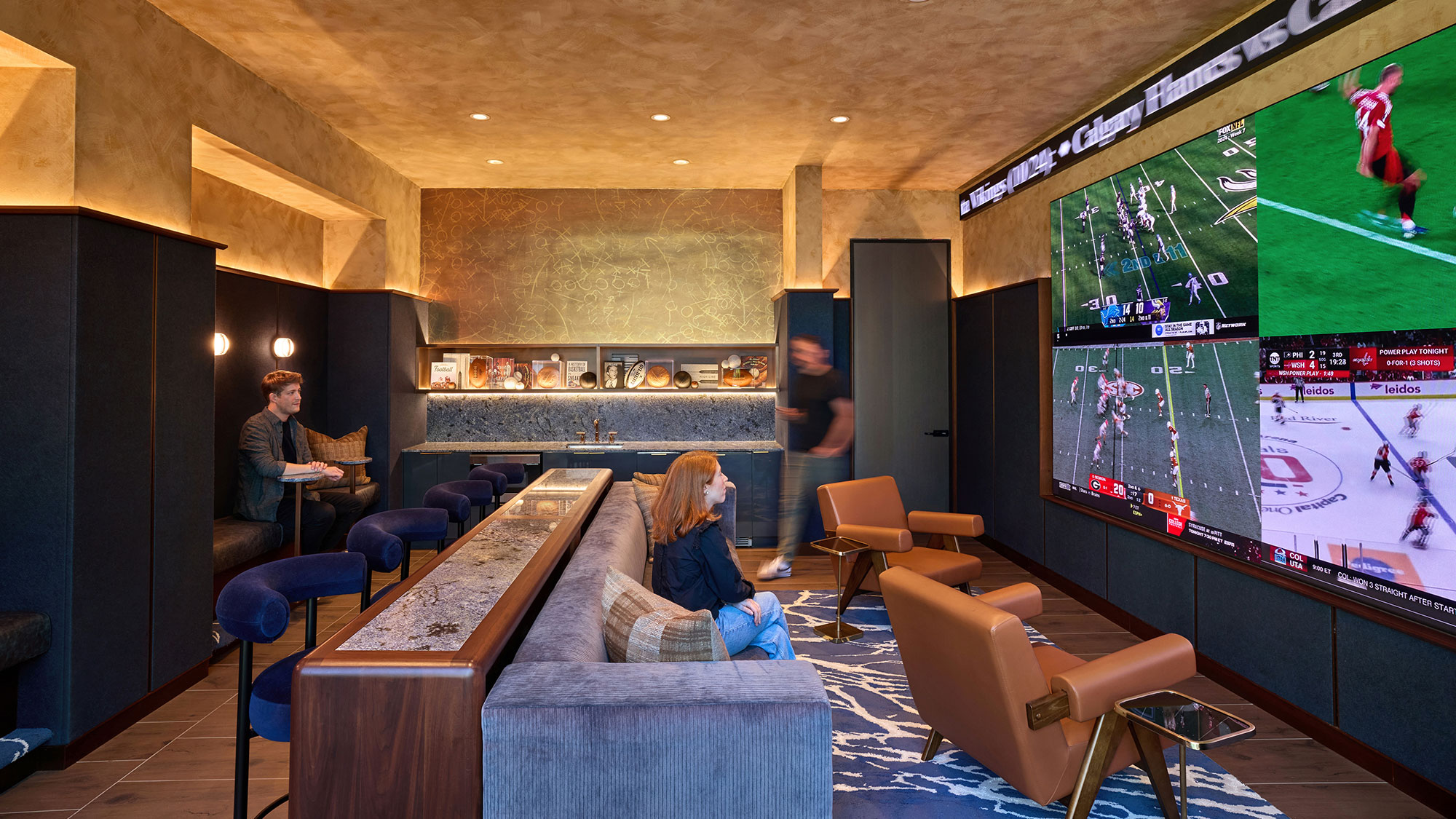
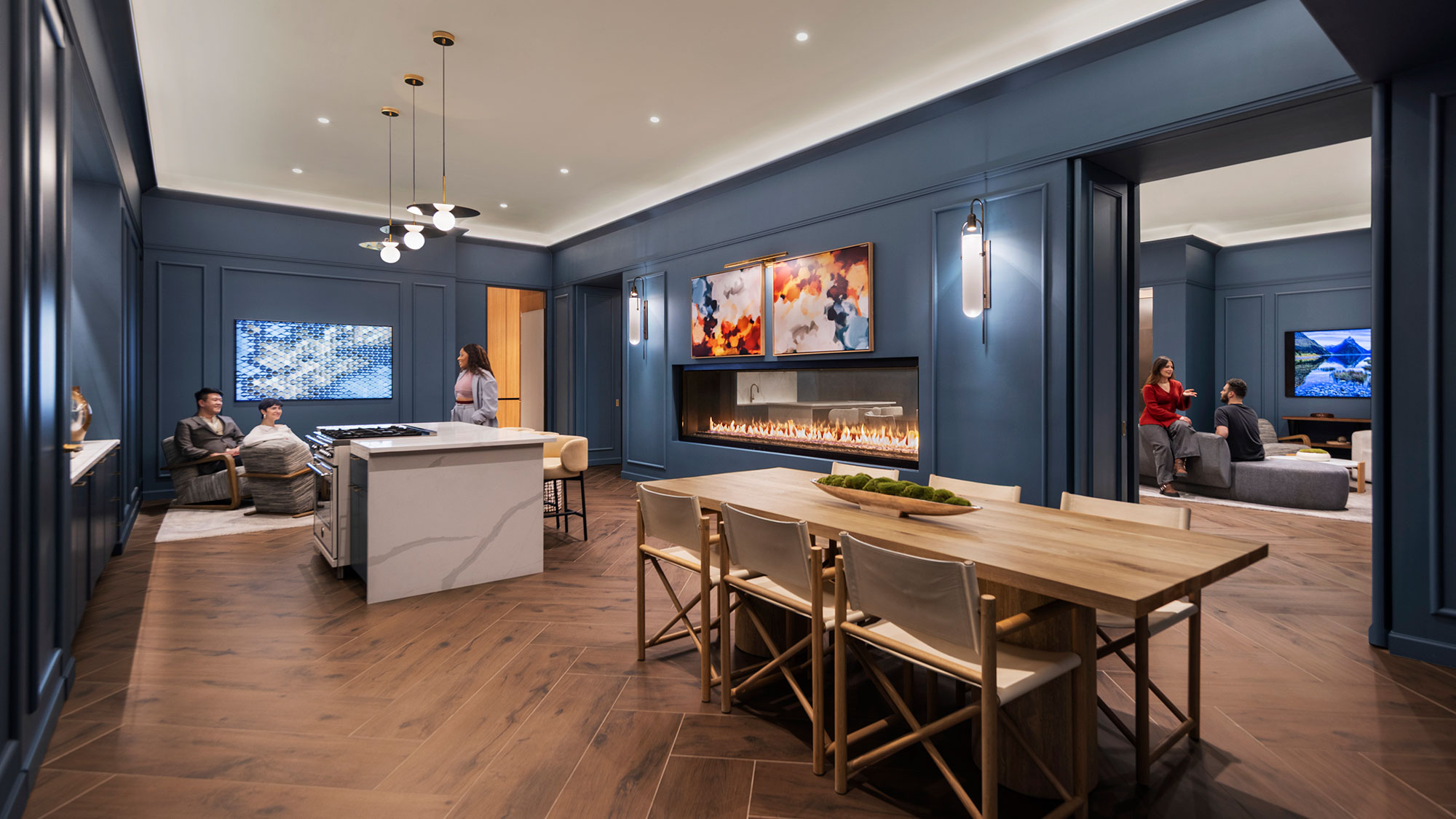
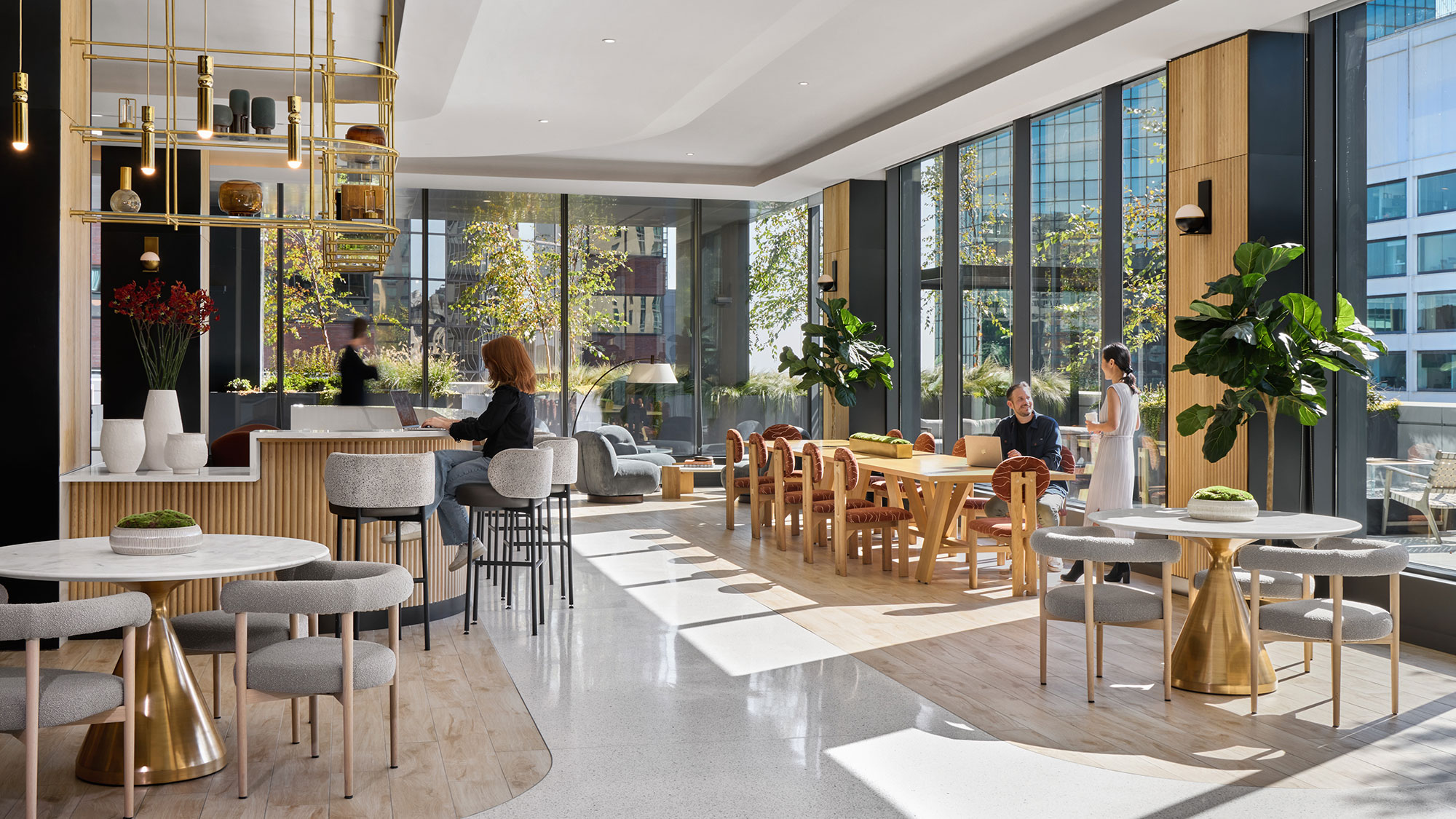
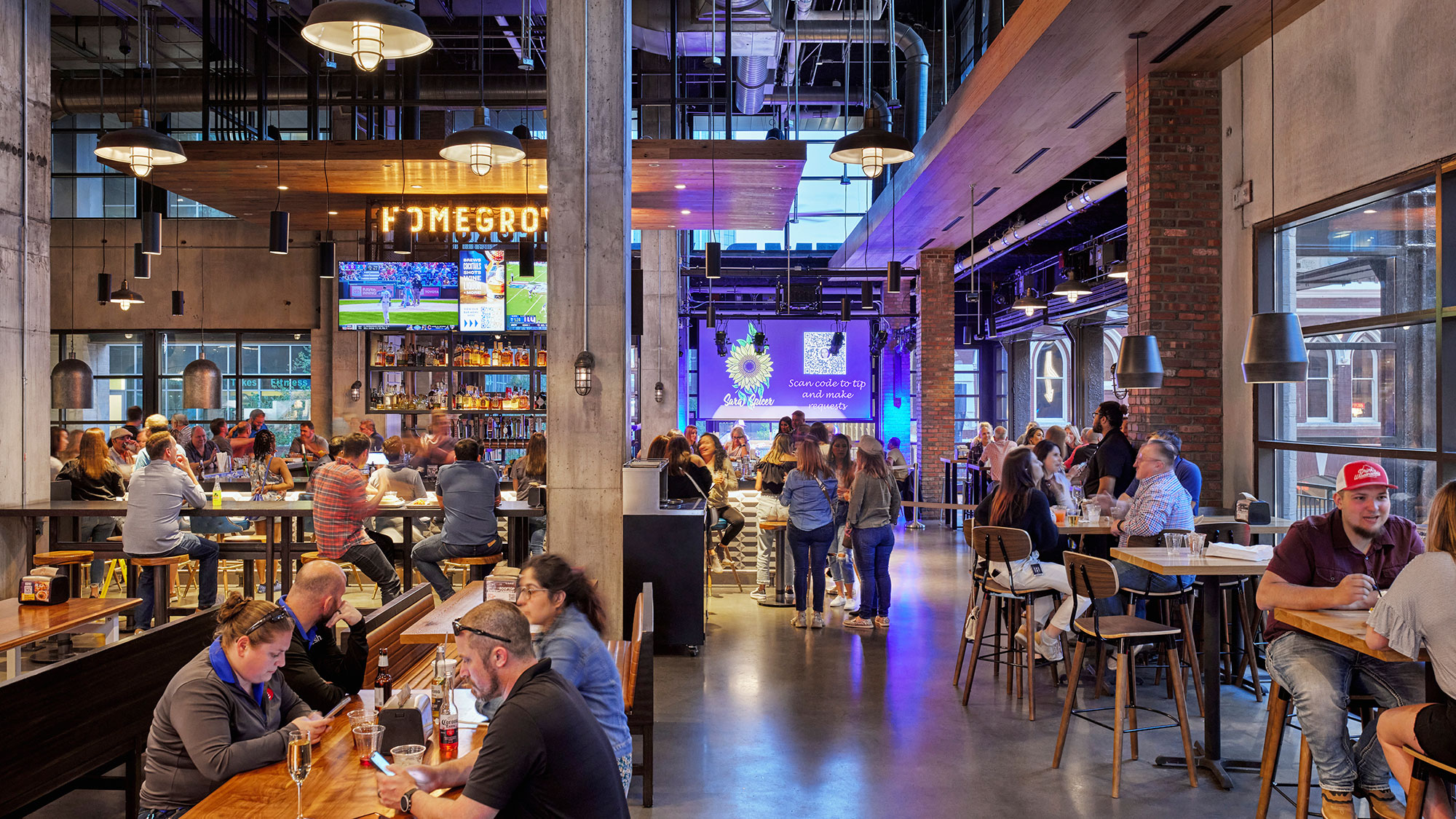
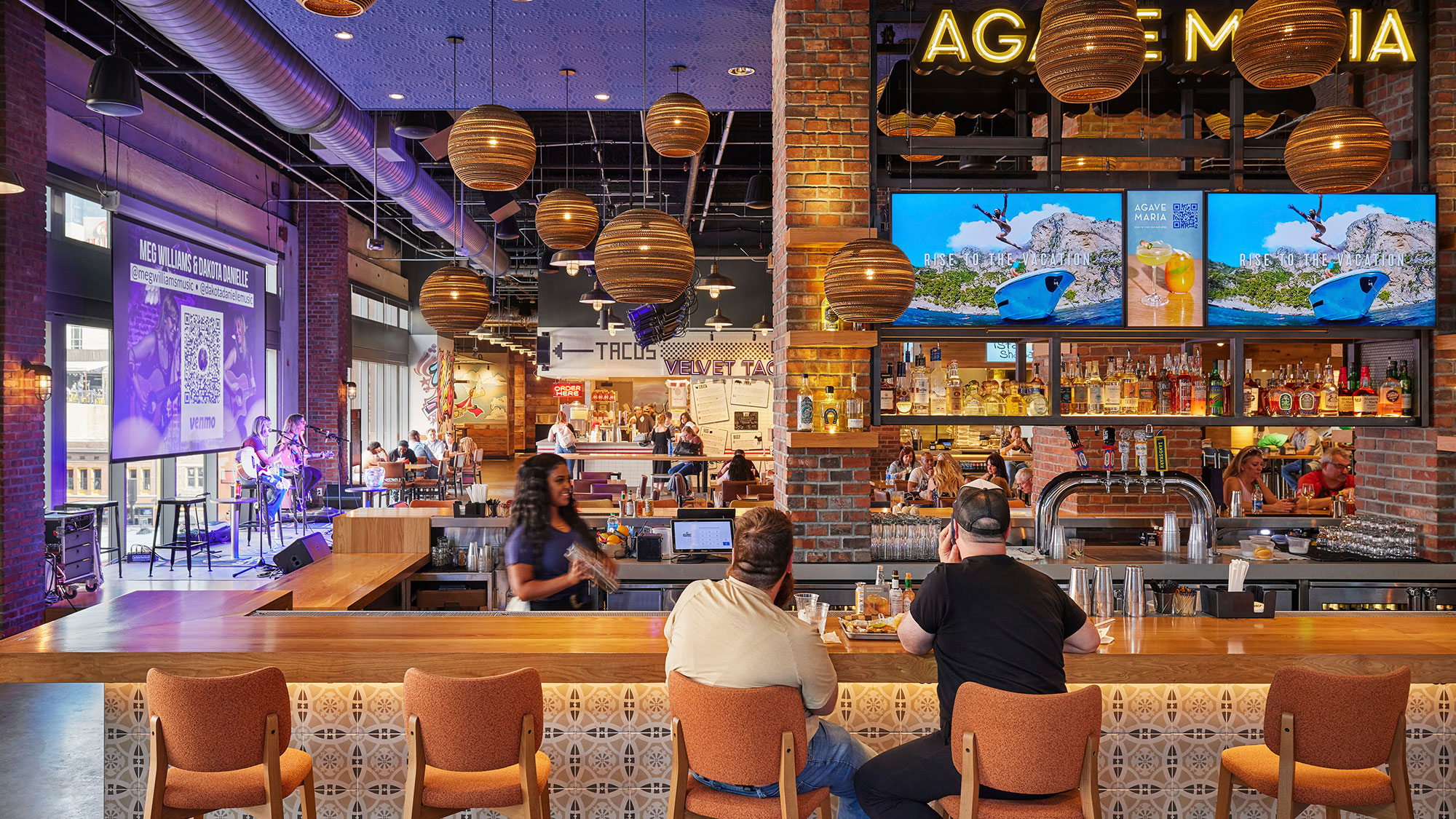
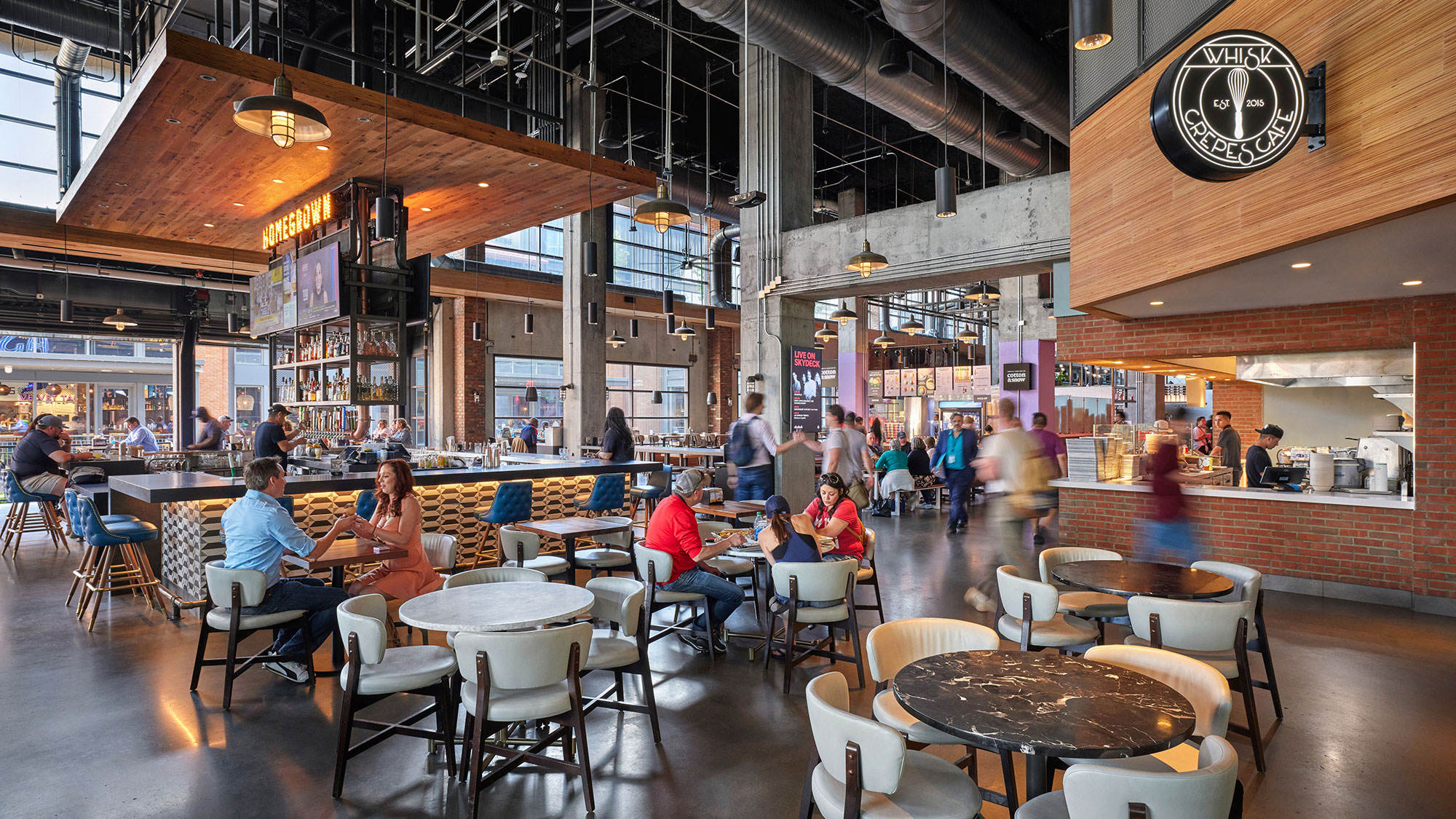
The goal is a space with a point of view — one that residents didn't expect and can't stop talking about. When design achieves that, the F&B experience stops being an amenity and becomes an identity.
The Next Frontier of Experiential F&B
The best programs treat the communal F&B space as a living thing that evolves with the community. What starts as a chef pop-up becomes a weekly ritual. What begins as a cooking class becomes a resident-led supper club. Design that anticipates this kind of organic growth, with flexible layouts, durable yet beautiful materials, and adaptable infrastructure, enables it.
As experiential F&B takes hold in multifamily, here’s where the leading edge is heading:
- Immersive dining theaters: Multisensory communal dining spaces designed for storytelling through food. Projection mapping, curated soundscapes, rotating menus that tell a cultural story — these environments turn dinner into an event residents look forward to and tell people about.
- Resident-led culinary communities: Apps and platforms that connect residents for shared meals, cooking swaps, and food clubs that are organized, tracked, and celebrated. The digital layer extends the communal table and gives operators data on which programming is actually resonating.
- Hyper-local sourcing partnerships: Formalized relationships with neighborhood farmers, bakers, and makers that supply the communal kitchen and create a direct economic link between the development and its surrounding community.
Designing for Experience and Belonging
Immersive, experiential F&B isn’t just another bullet point in the amenity package. It’s a cultural anchor. It’s the reason someone chooses a building, renews their lease, and tells a friend about a property. And in a world that feels increasingly fragmented, that might be the most forward-looking thing a developer can build toward. When we design for experience, we design for belonging.
For media inquiries, email .