What if We Designed Buildings to Behave More Like Cities?
Nested venues are a critical strategy for transforming underused buildings into dynamic, adaptable environments.
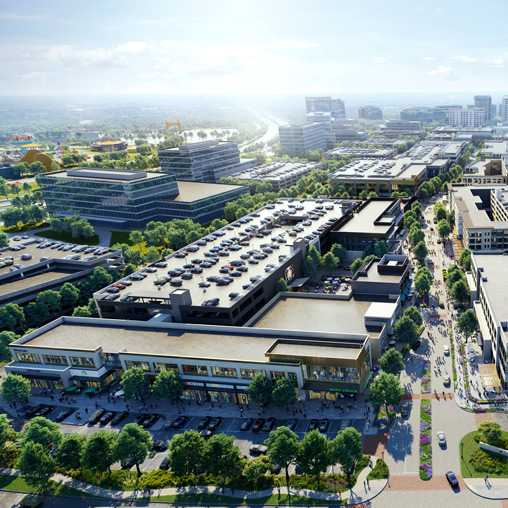
Many of the large buildings we move through every day are designed for peak moments. Stadiums come alive on game day. Offices hum during business hours. Airports surge in waves of departures and arrivals. Outside of those peak moments of their primary uses, these spaces often feel dormant. Vast environments waiting for their next purpose.
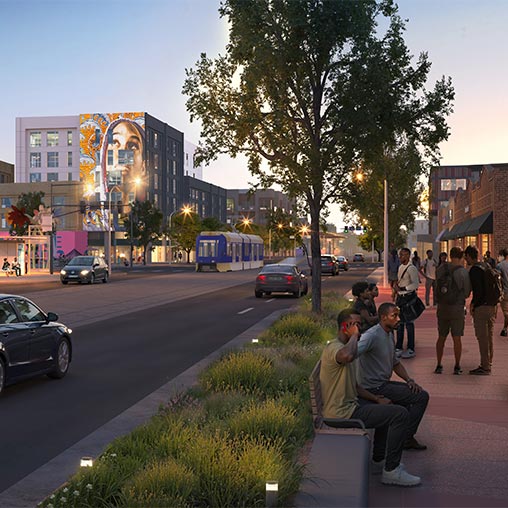
Cities, by contrast, thrive with diversity and never operate on a single schedule. A café tucked beneath a museum. A quiet courtyard hidden behind a busy street. A restaurant that transforms into a late-night gathering spot. Each place has its own identity, yet they coexist within a larger ecosystem — active across hours, audiences, and uses.
What if our buildings worked this way too?
From single-purpose buildings to richer, layered experiences
Nested venues challenge the idea that large buildings must operate around a single primary use. They ask: What if buildings behaved more like cities? Places where multiple experiences can unfold throughout the day and night, serving different audiences at different times. These varied uses create varied streams of revenue, unlocking value well beyond peak moments.
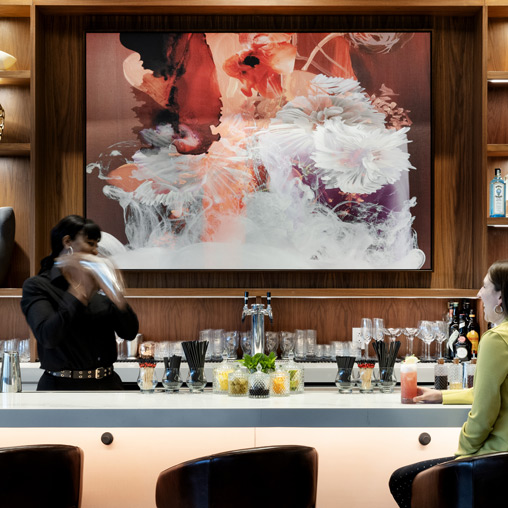
Instead of designing one program for one audience on one schedule, nested venues layer experiences within a larger structure. A café may serve the neighborhood in the morning, a lounge may hold happy hours and community gatherings after work, and a gallery may host parties in the evening. Each element contributes to a rhythm of activity that extends beyond the building’s primary use.
The result is a building that hums continuously — socially, culturally, and economically.
What makes a space a “nested venue”?
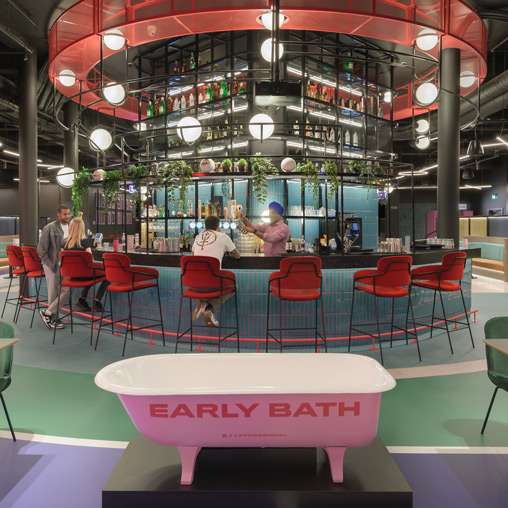
Nested venues, spaces tucked within a building’s broader ecosystem, employ this urban logic. Often confused with speakeasies, nested venues are not just hidden rooms. They are intentionally contradictory to a building’s primary use, aesthetically surprising to curate a sense of discovery that deepens visitors’ connection to a building. Time and time again, people visit a single building in pursuit of distinctly different experiences.
Just as a city reveals itself block by block, buildings can unfold through a sequence of experiences — public plazas, quieter lounges, and tucked-away rooms — all adding to the culture of the building.
Unlocking latent value in large-scale buildings
Across hospitality, sports, and civic environments, we’re seeing how nested venues can transform buildings designed for singular moments into destinations with broader appeal.
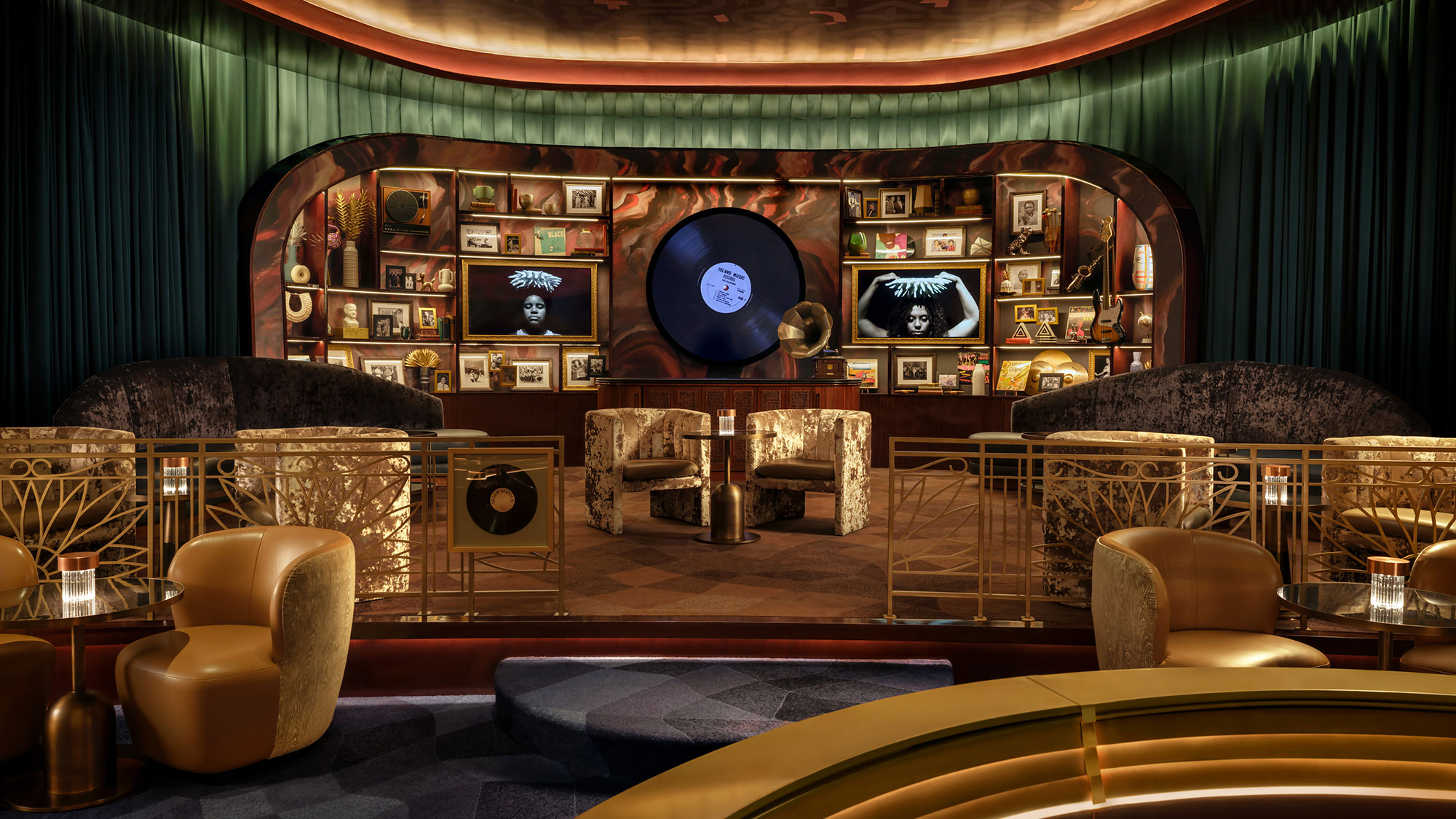
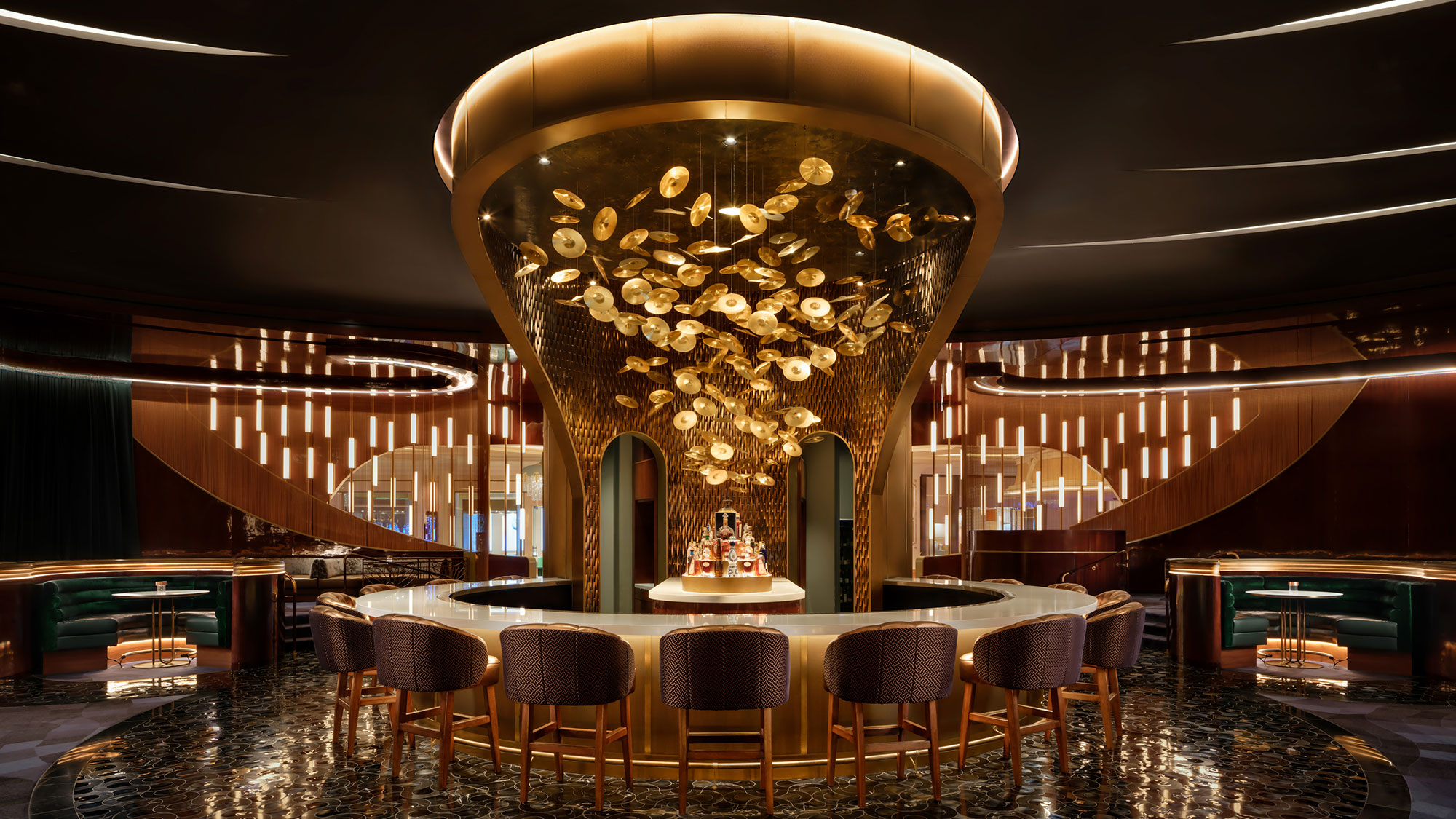
At integrated resorts like the Grand Hyatt Baha Mar in The Bahamas, visitors move through an ecosystem of overlapping experiences. Restaurants, lounges, art spaces, outdoor gathering areas, and a casino each operate with their own character and rhythm. Jon Batiste’s Jazz Club at Baha Mar, tucked within the heart of the casino, feels like a portal to golden-age New Orleans. It’s a moment of arrival within a destination already defined by scale and spectacle.
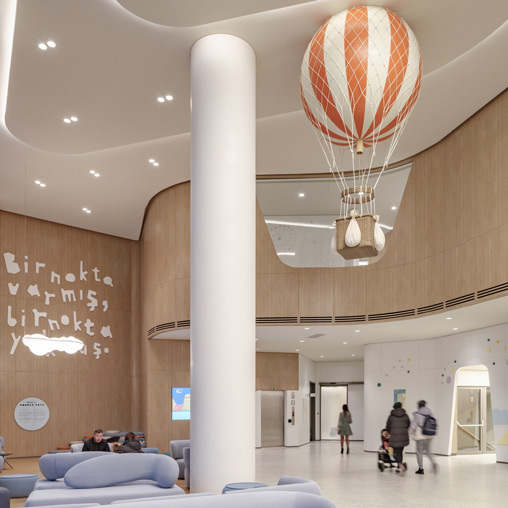
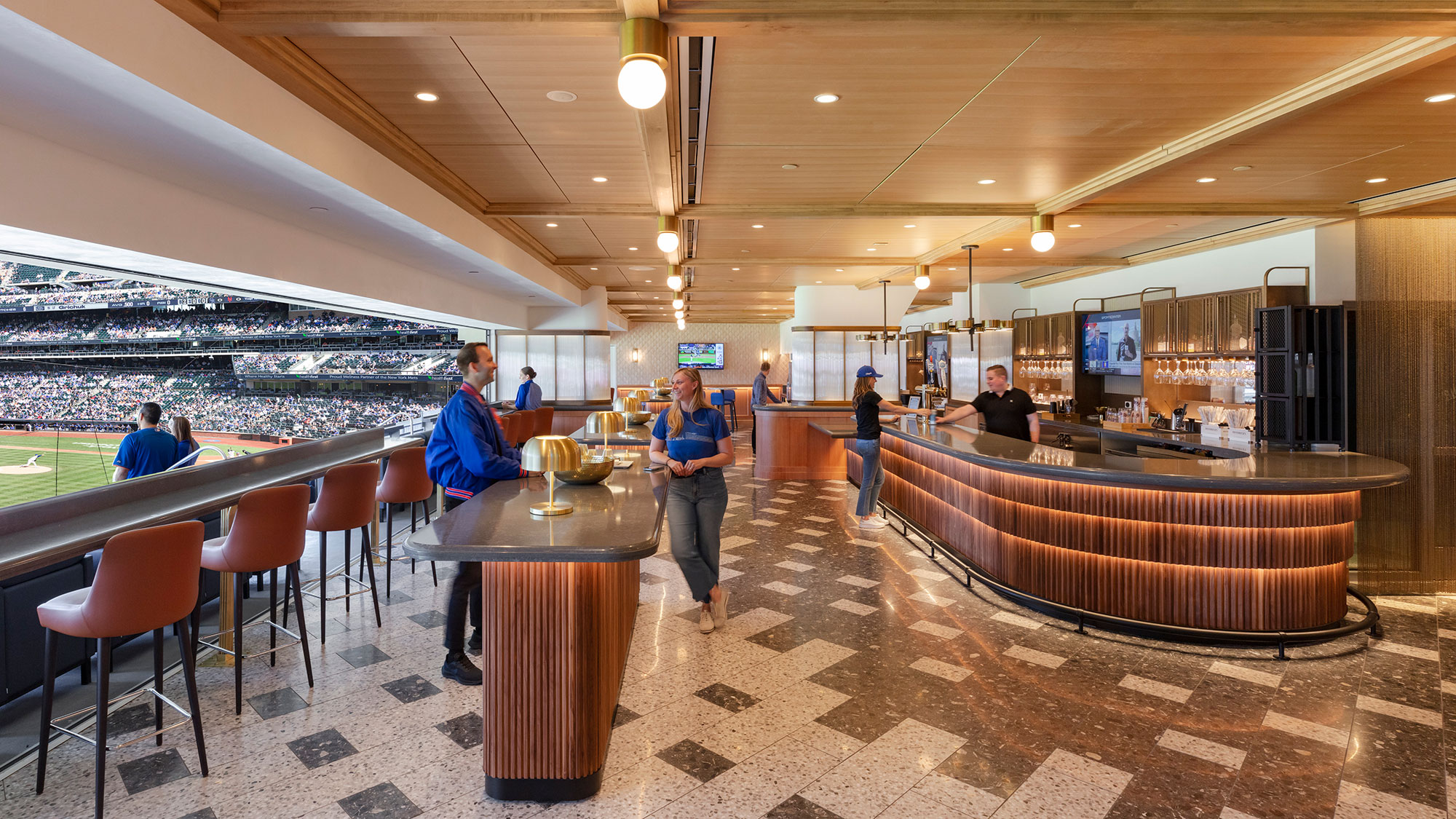
Large civic facilities have the same potential. Citi Field in New York City is known primarily as the home of the New York Mets, but its gathering areas extend far beyond baseball. Restaurants, lounges, and social spaces create destinations within the stadium itself — places that invite people to linger before the game, connect during it, and stay long after the final inning.
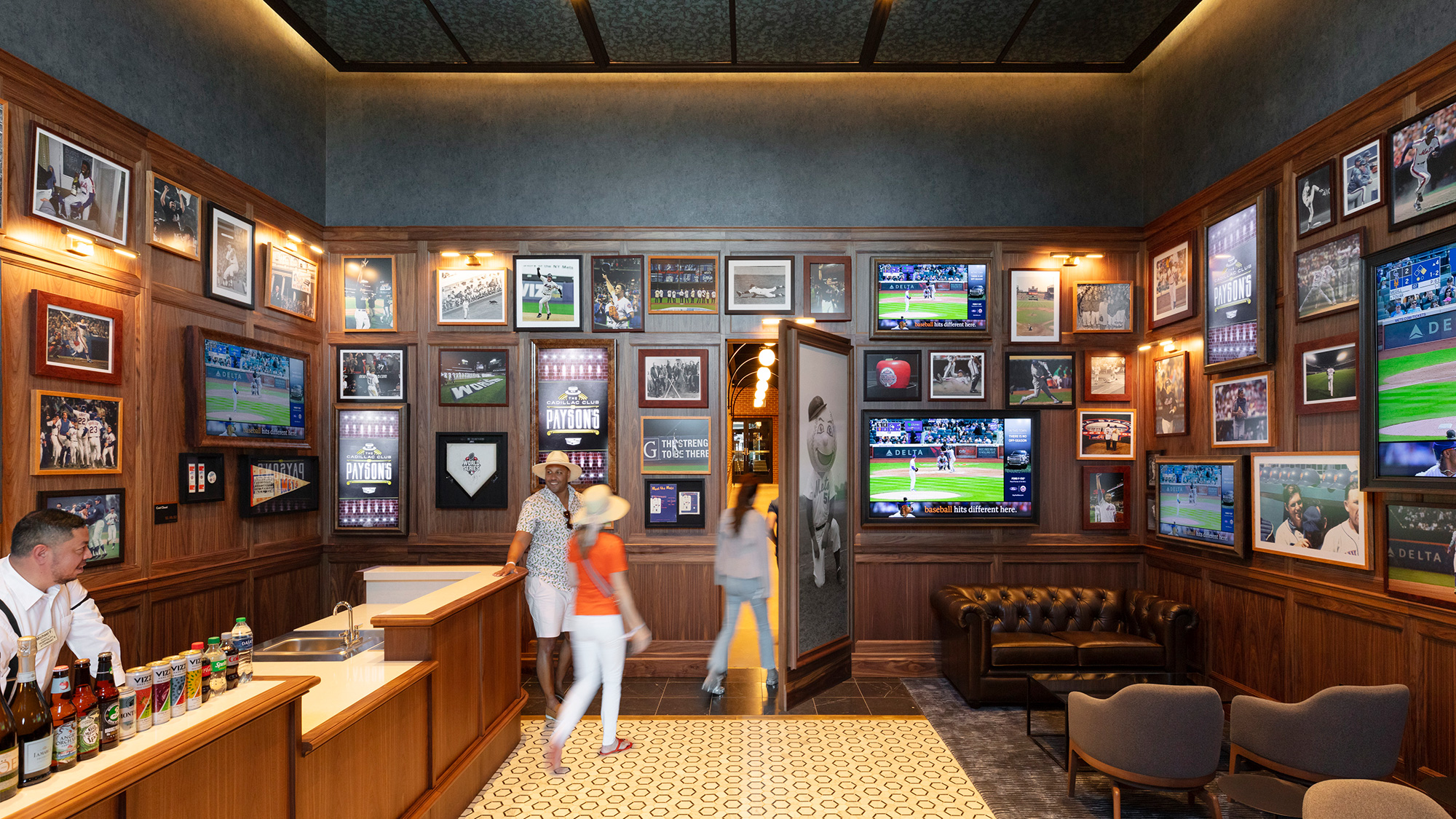
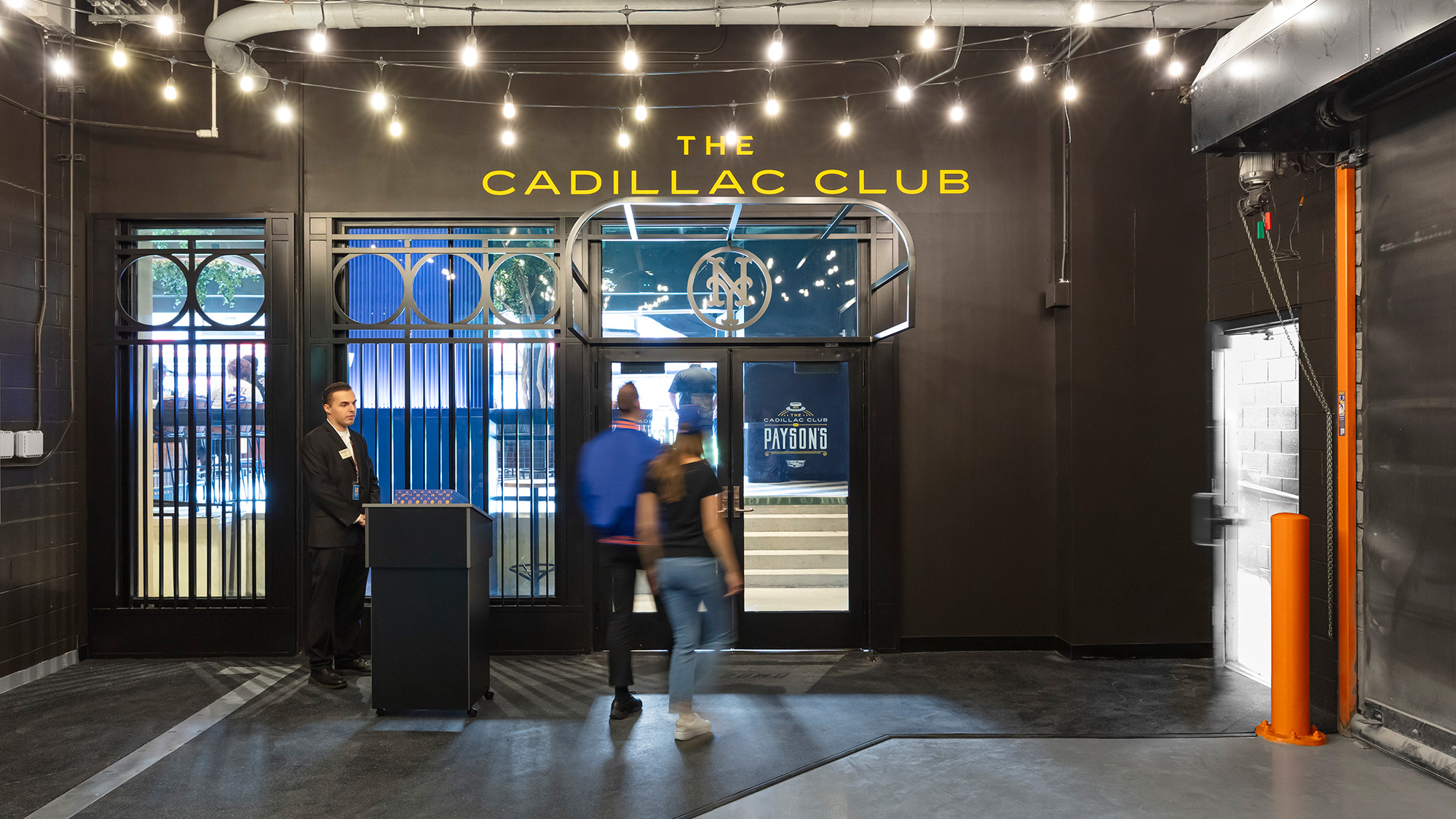
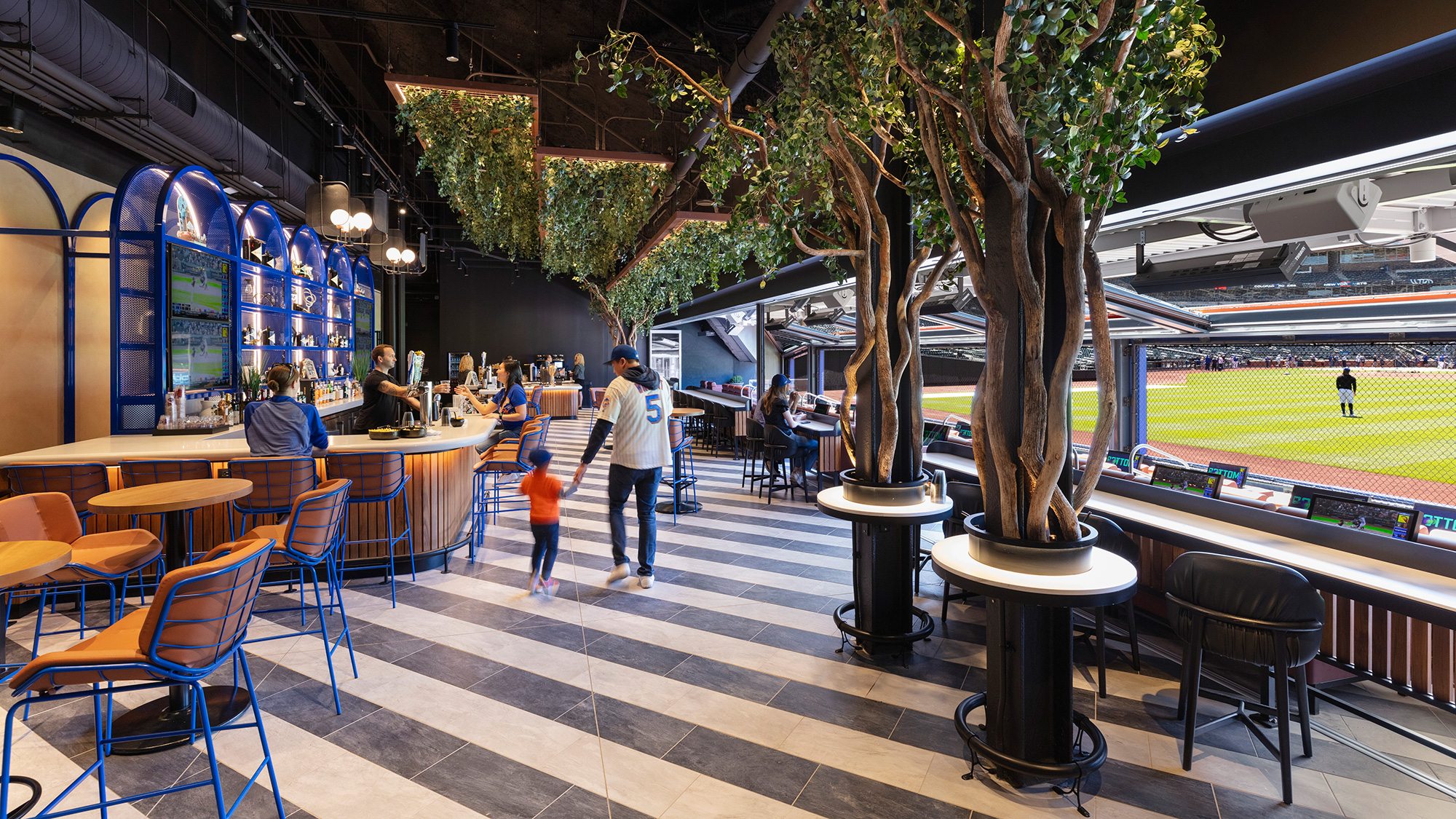
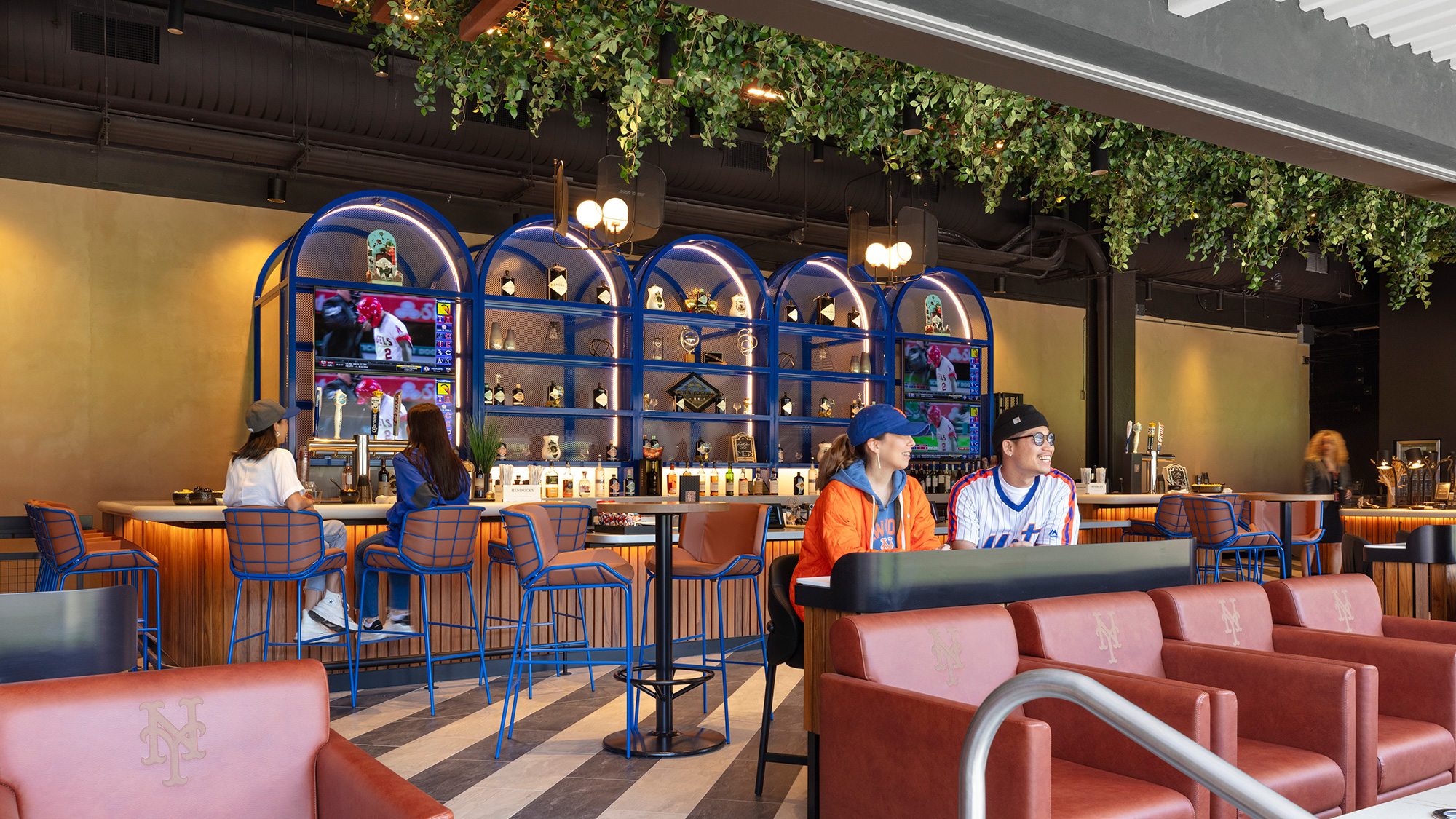
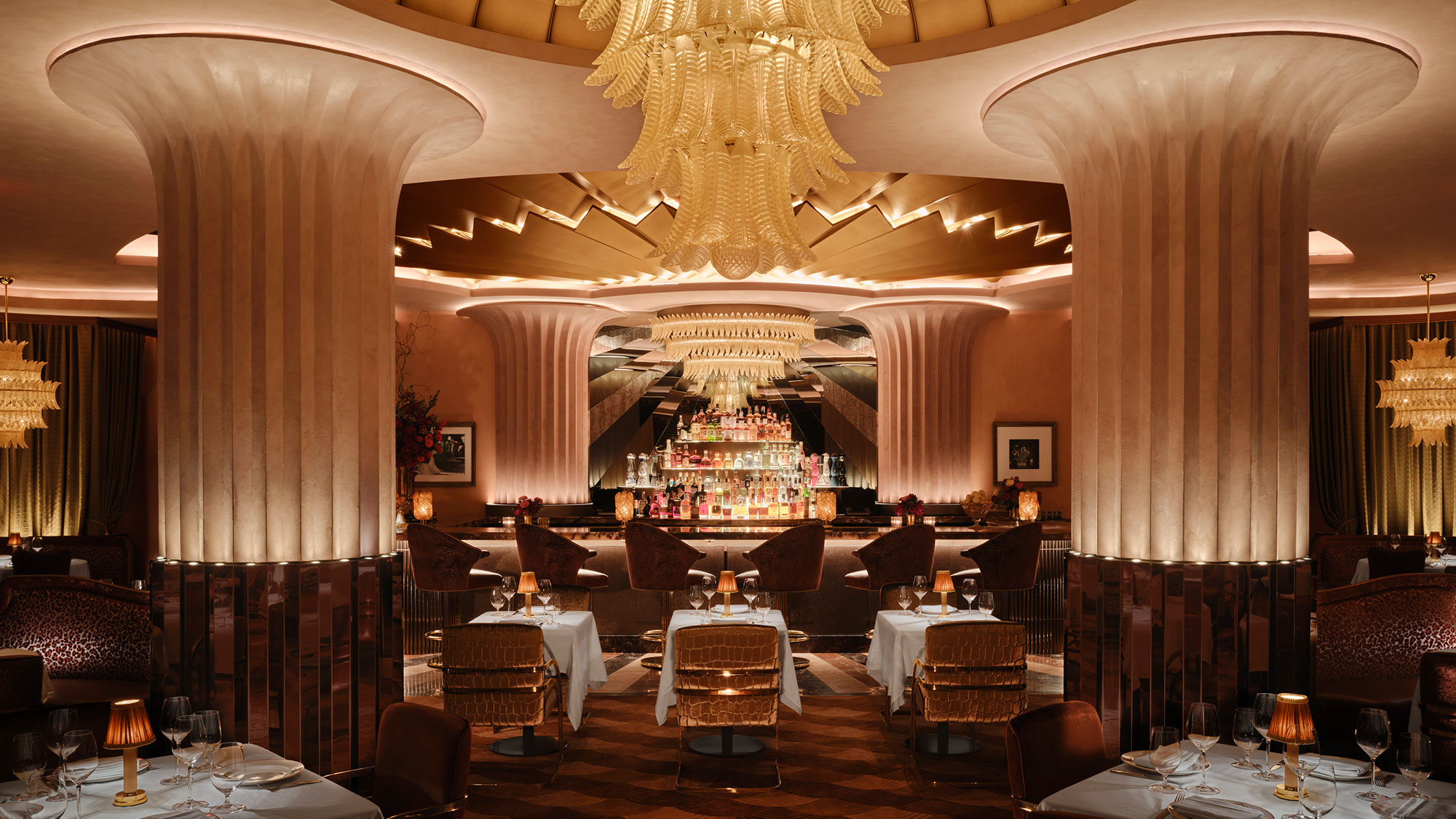
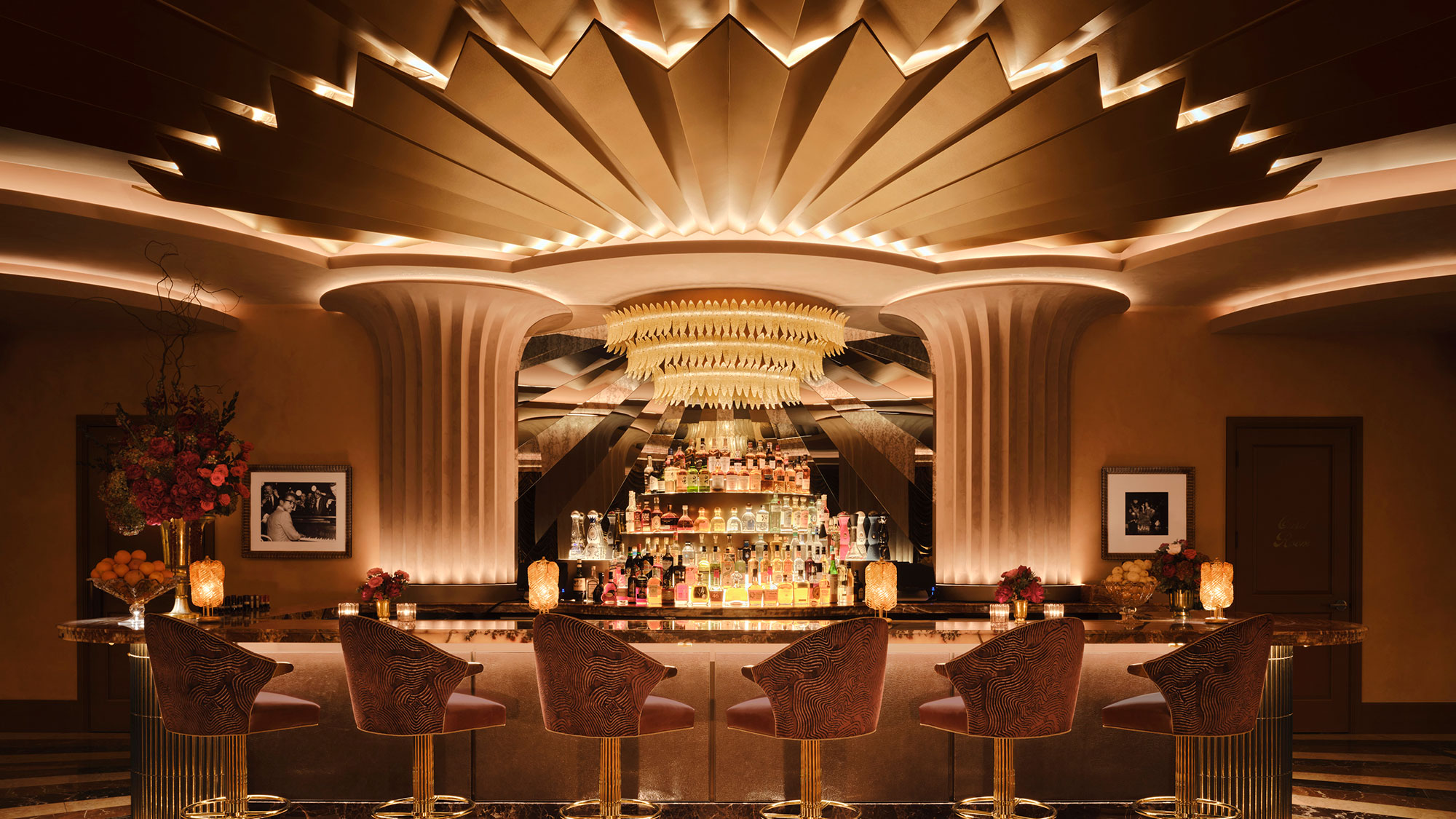
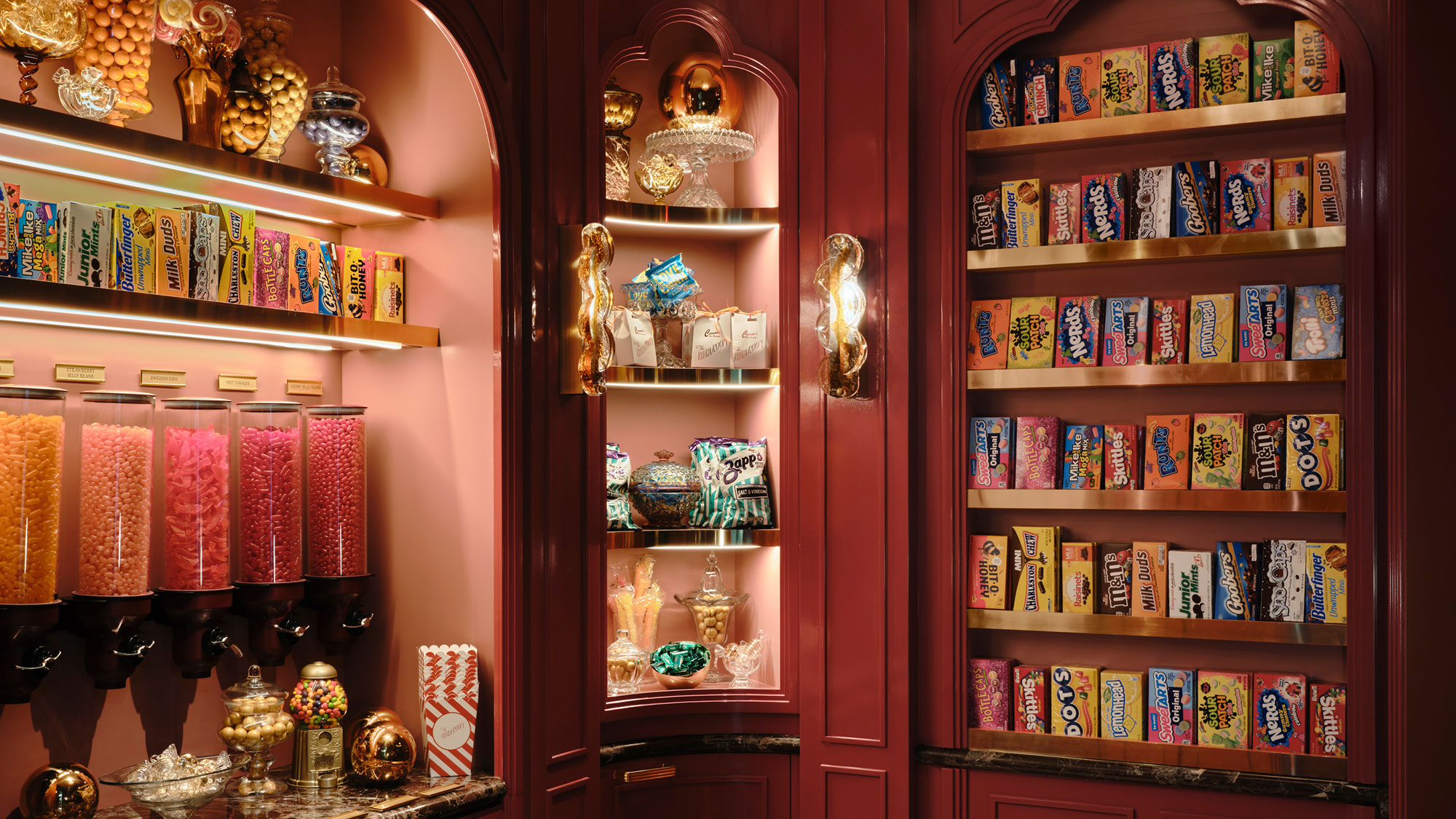
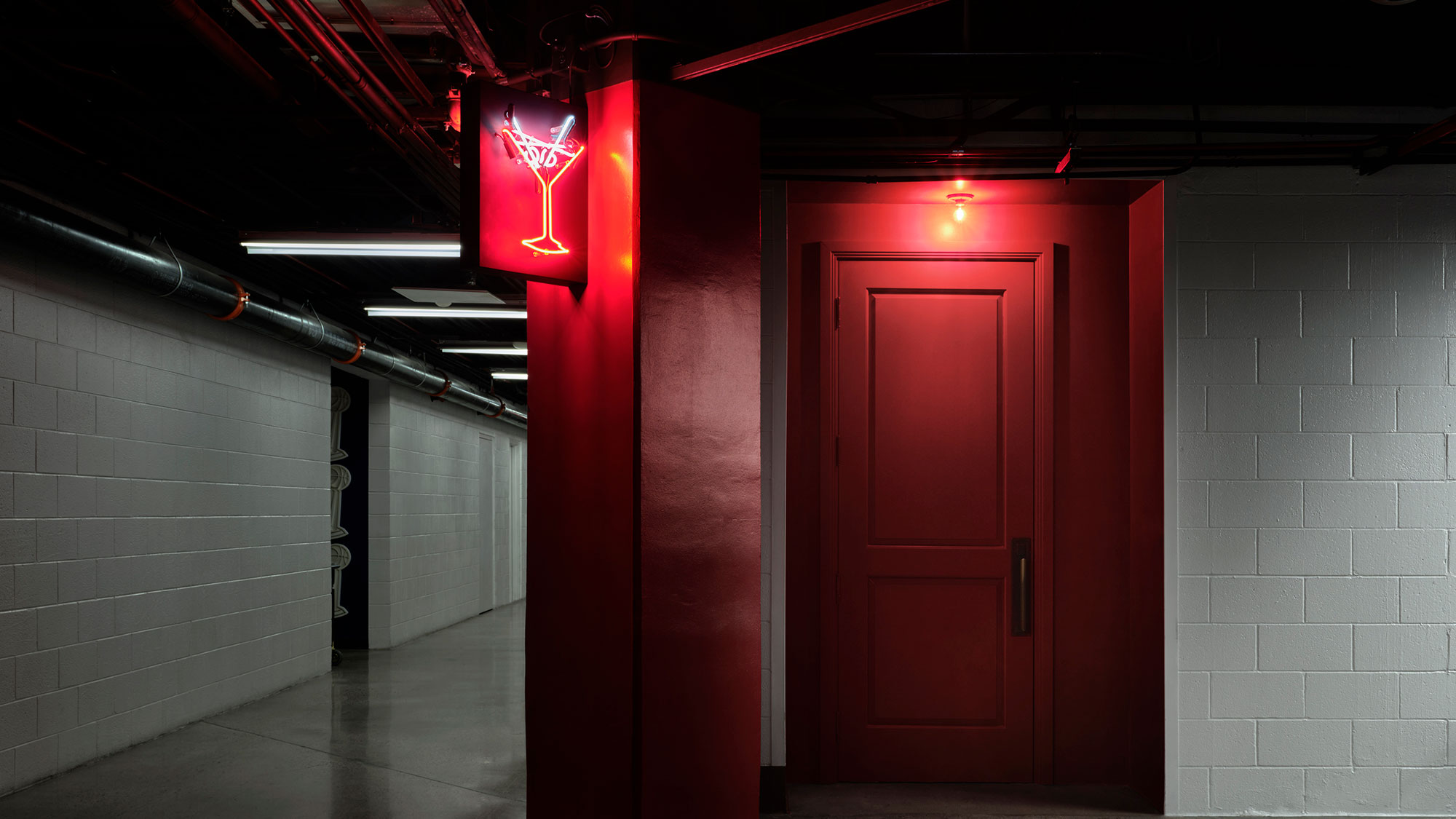
Another striking example is The Ra Ra Room, a private, members-only restaurant embedded within the Mortgage Matchup Center in Phoenix, home to the Phoenix Suns and Mercury. The venue-within-a-venue has its own entrance, valet, and nighttime identity. Operating beneath the “belly” of the arena for an entirely different audience, at entirely different hours, the intimate, high-energy jewel box transforms the building into something more dynamic, personal, and enduring.
Designing for discovery — and longevity
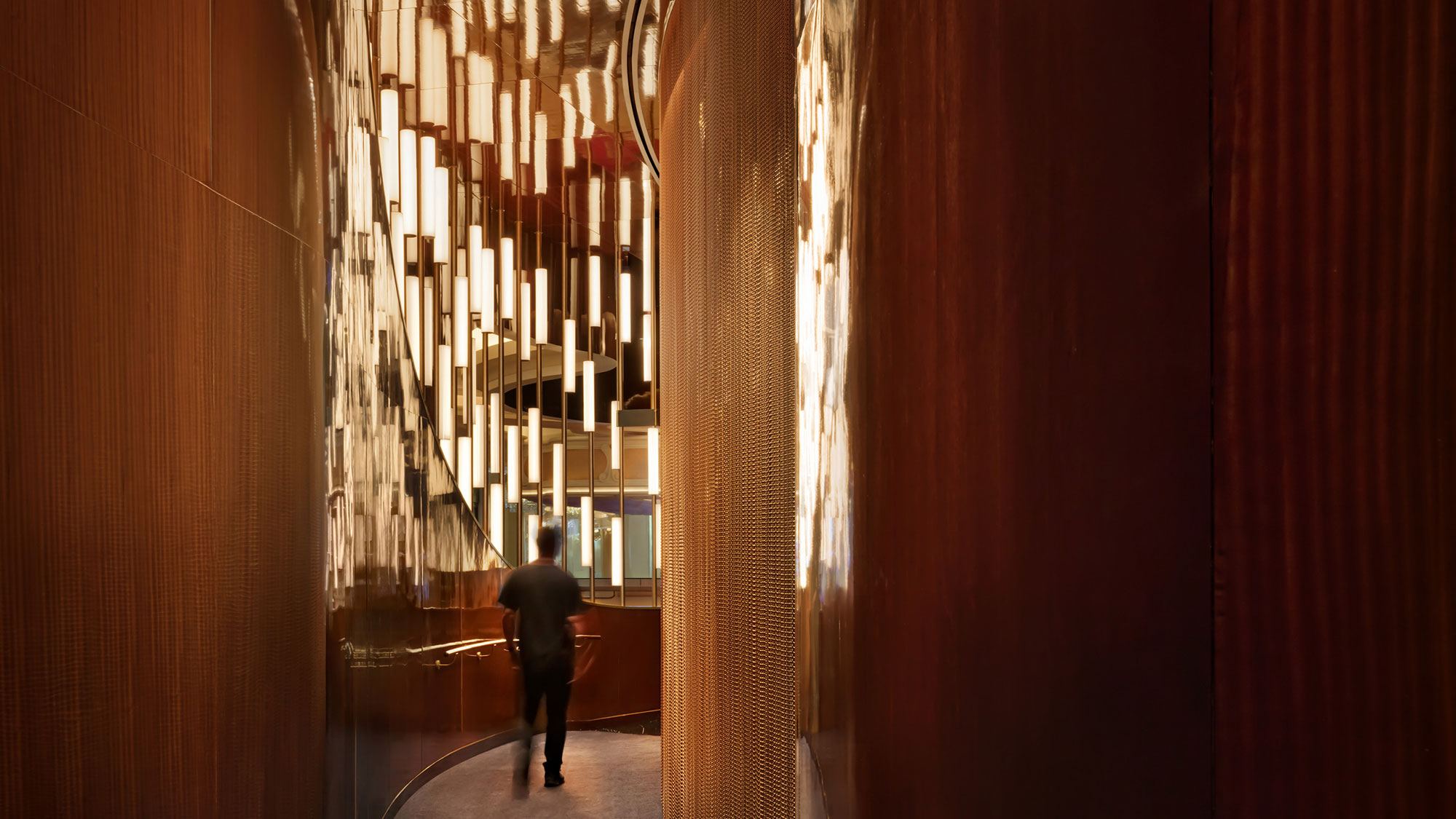
When buildings behave like cities, they encourage exploration. A staircase becomes a social connector. A tiny room becomes a bespoke retreat. A tucked-away, unexpected library becomes a place you tell friends about later. These discoveries create memory and meaning. They help people feel a sense of ownership over the spaces they return to.
When we design buildings to act more like little cities, they gain something powerful: the ability to evolve. Different communities can claim them at different hours. Different experiences can unfold within the same walls.
Nested venues don’t require new buildings. They require new ways of thinking about the ones we already have.
By layering programs and designing for surprise as well as performance, nested venues offer a powerful strategy for transforming underused buildings into dynamic, adaptable environments. And in doing so, architecture begins to reflect the richness of the urban life it sits within: complex, dynamic, and always full of discovery.
For media inquiries, email .