The End of the Amenity Checklist: What India’s Residents Actually Want
As India’s urban population diversifies and aspirations grow, residential design must move beyond amenities toward places that support the full range of daily life.
India’s residential market is in the middle of a structural shift. Urban density is rising, and so are consumers’ aspirations. A rapidly growing, globally connected middle class is reshaping the market. With India’s total disposable personal income growing roughly 8.8% in 2025, greater purchasing power has made buyers less willing to accept conventional offerings. The traditional value proposition, defined by a checklist of amenities, is no longer relevant. Today’s homeowners invest in experiences, identities, and places that create long-term value.
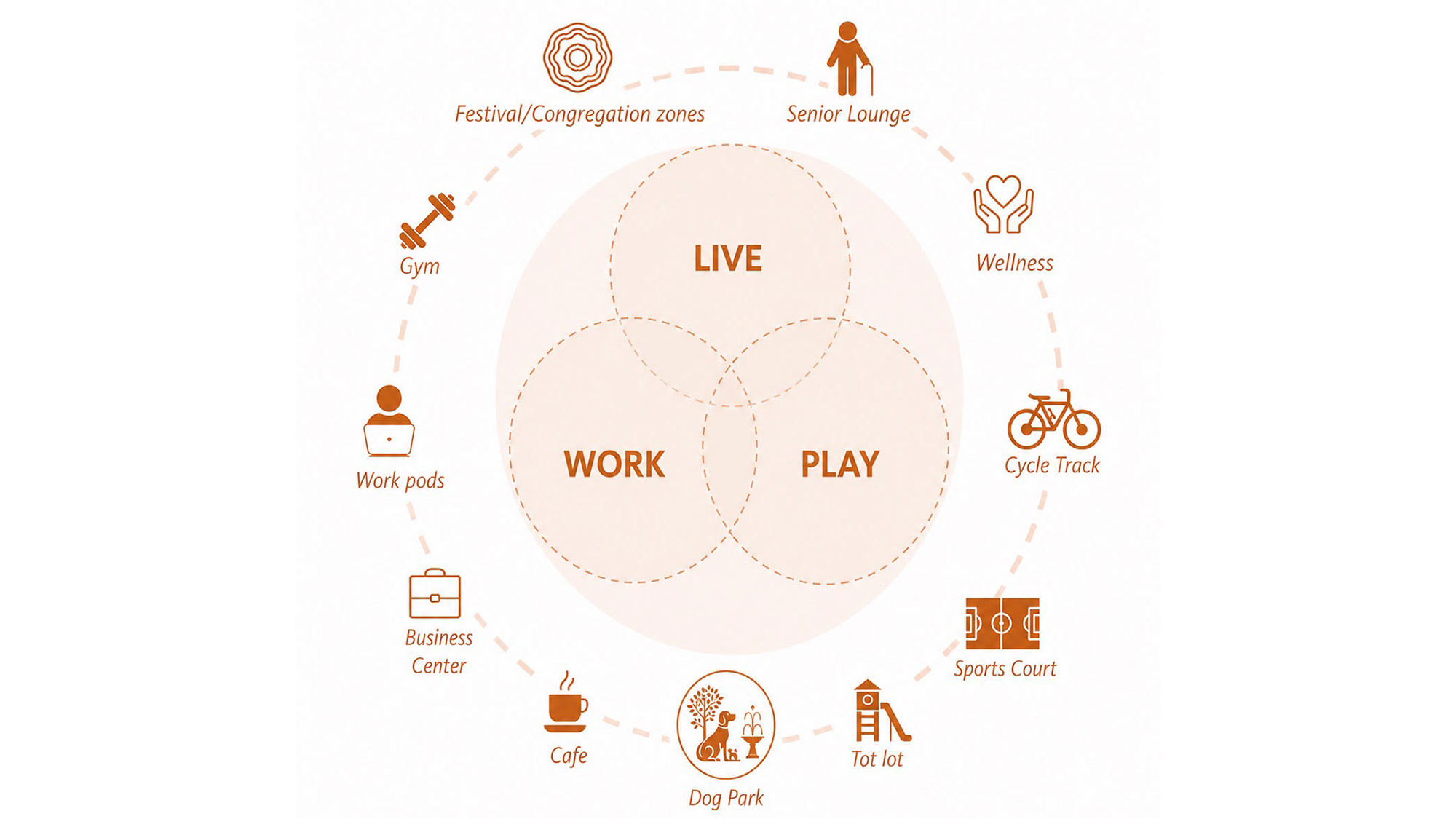
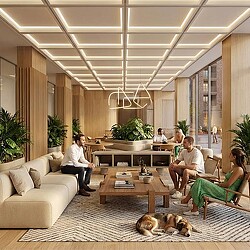
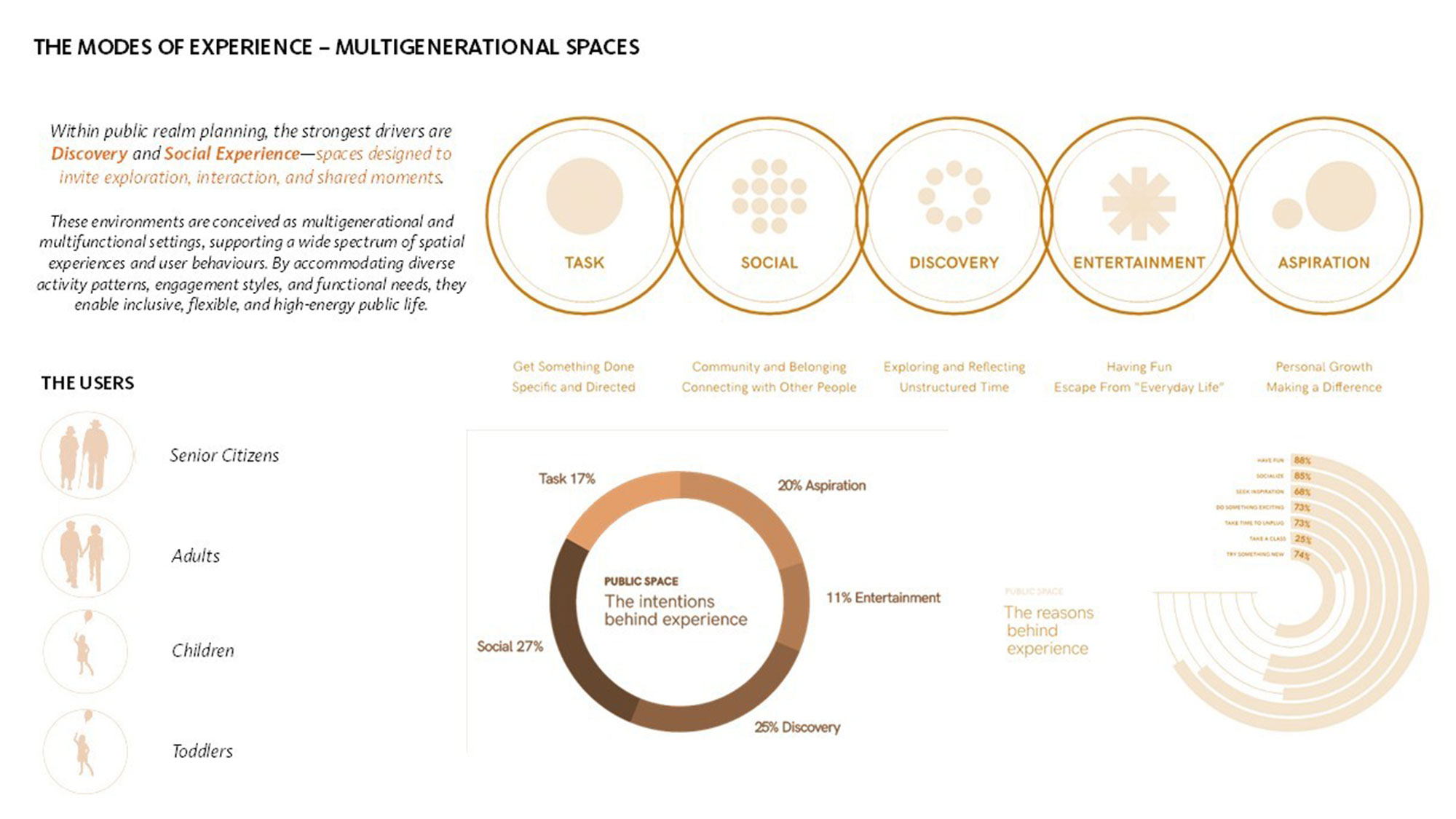
Social structures are shifting just as fast. Where joint family setups once defined the Indian household, today’s residential developments must accommodate nuclear families, senior citizens, young professionals, solo renters, and pet parents, often within the same building. Demand for co-living and multigenerational housing is growing across urban India. These shifts pose fundamental questions: How do we create environments that are inclusive yet personalized? How can a single community respond to varied lifestyles without becoming fragmented? This calls for a fundamental rethinking of what a residential development needs to be.
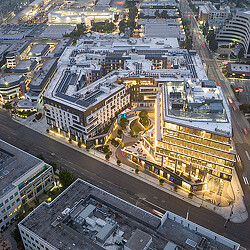
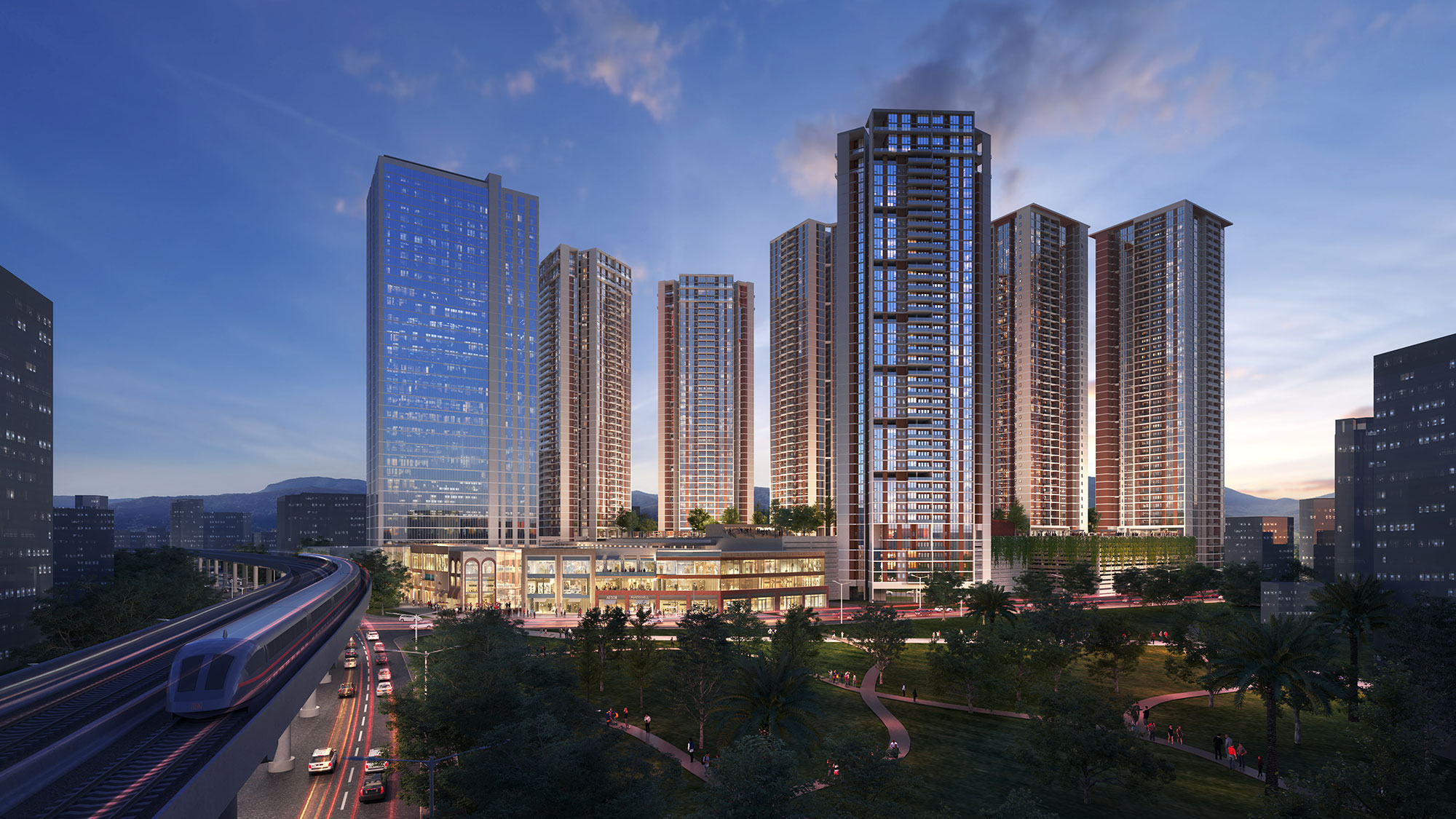
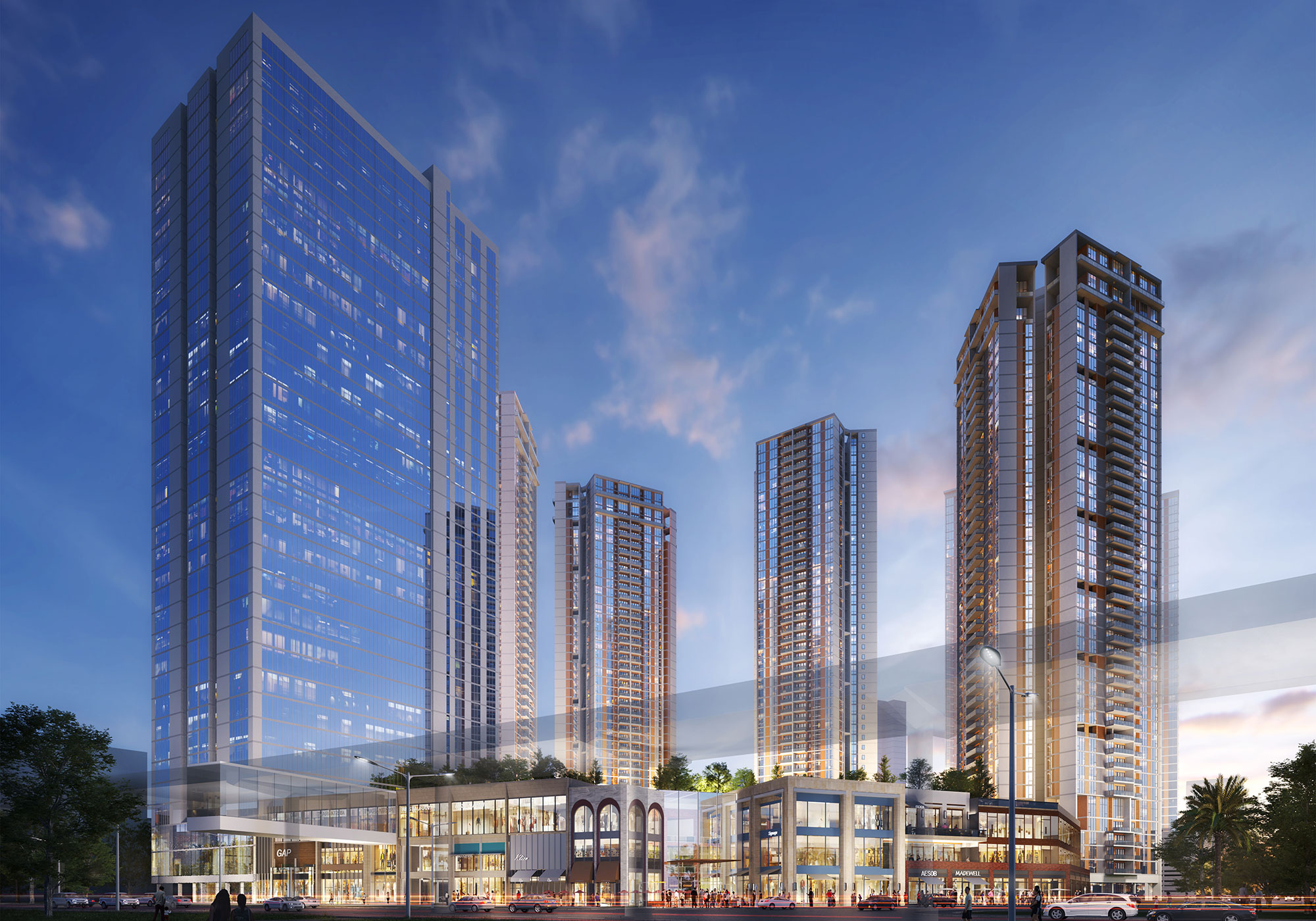
Adani Codename Lit, a residential tower in Thane, India, offers one response. Located in central Thane, this mixed-use development serves a wide range of uses and residents. The project separates private and public zones through planning rather than physical barriers. The master plan embraces the contrast between the bustling urban context and the tranquility created by nearly 600 existing trees. The tree canopy draws residents from active recreation zones to quieter, more contemplative gardens before arriving at the residential towers. This planning approach positions commercial functions along the frontage while setting residential zones deeper within the site, ensuring privacy and a sense of retreat.
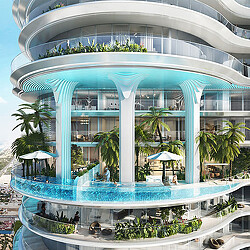
Traditionally, residential developments limited their offerings to a predictable set: a swimming pool, a gym, and a multipurpose hall. These remain baseline expectations, but a new set of differentiators is emerging. Today’s buyers seek wellness environments, social gathering spaces, quiet zones for reflection, and areas that can adapt as their lives change.
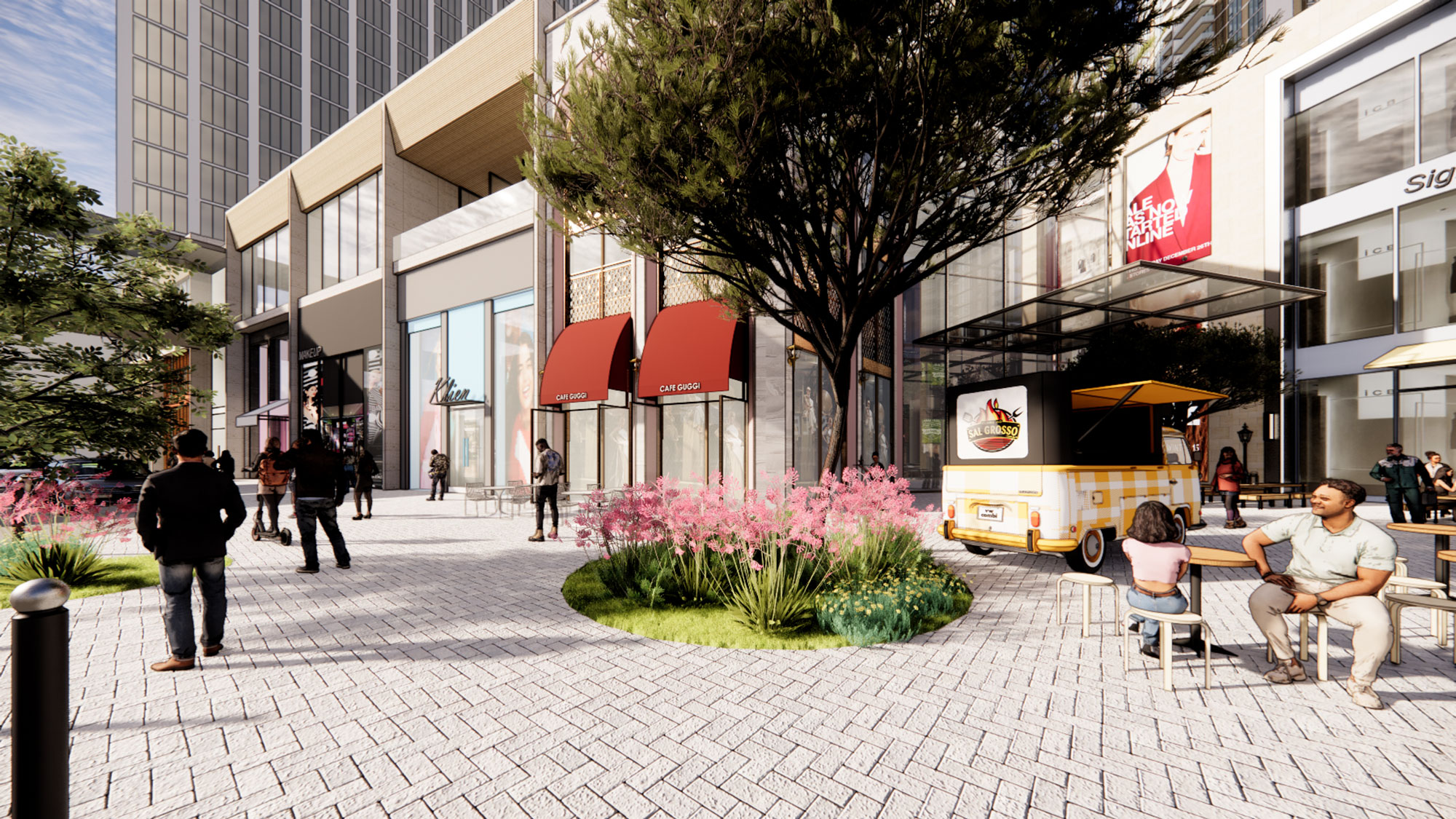
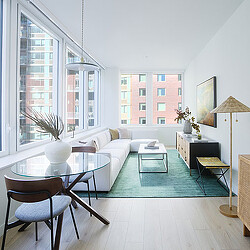
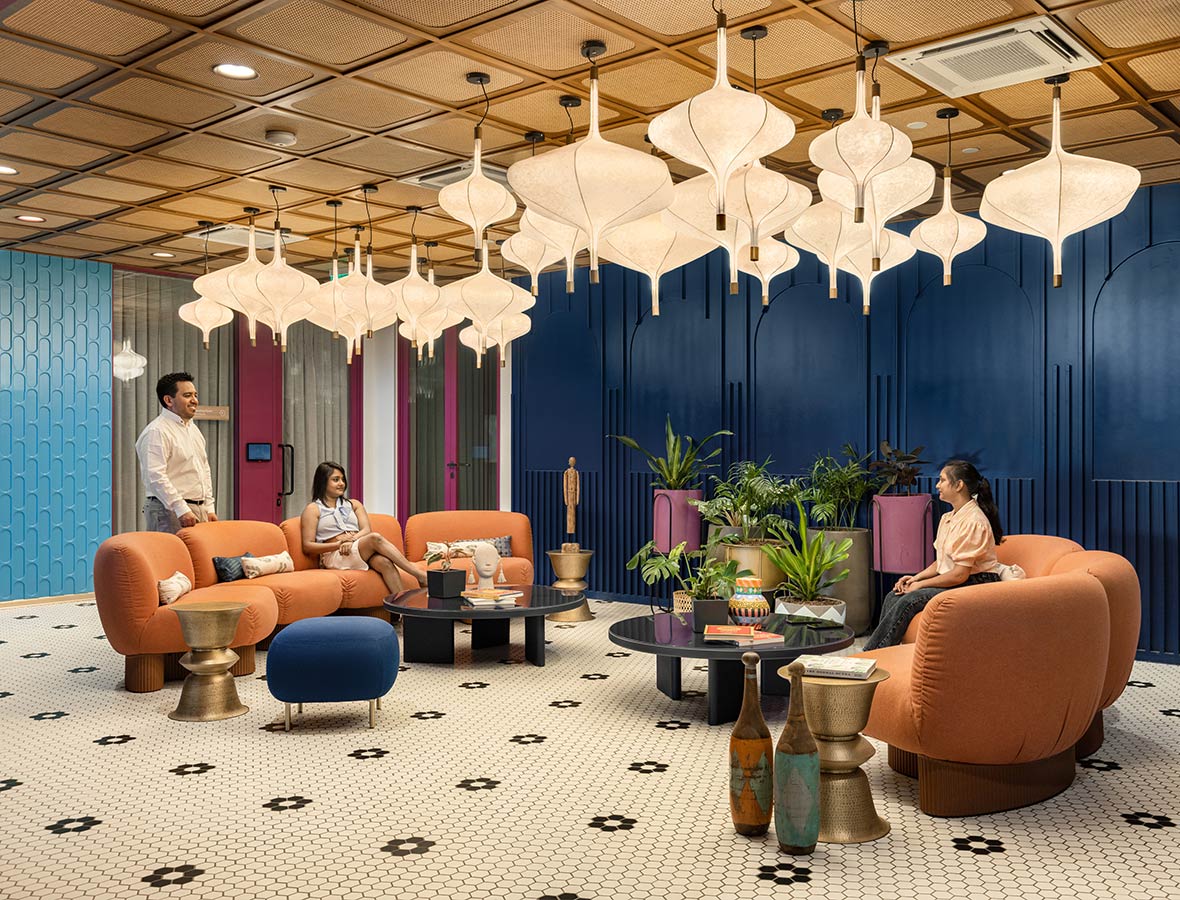
Materials and design language play a critical role in this shift. Texture, light, and spatial sequence shape how a place feels. Residents are increasingly aware of quality, sustainability, and craftsmanship, and these expectations are shaping design decisions at every level.
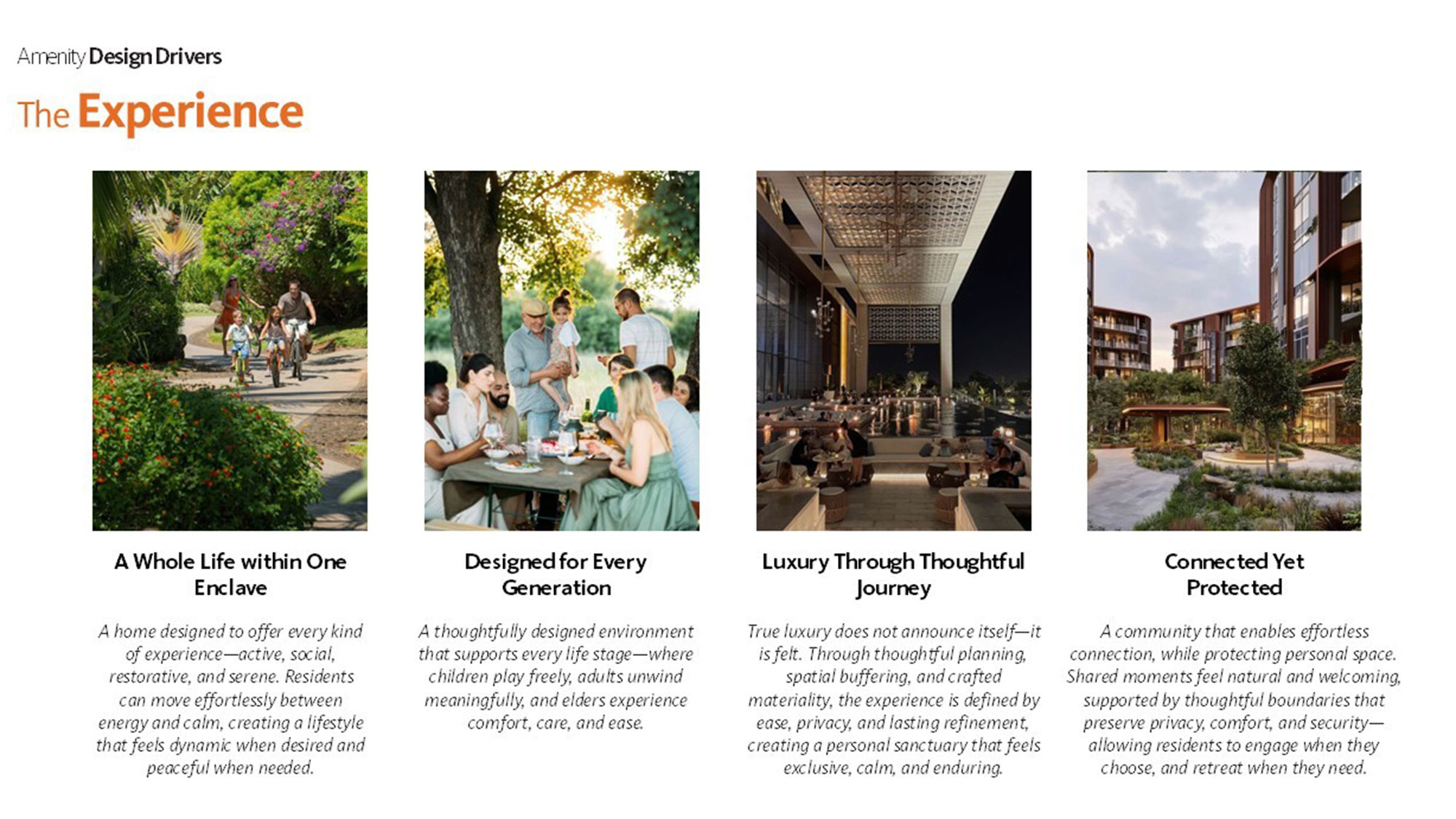
In Indian cities where infrastructure is frequently stretched, self-sustained, mixed-use developments play a vital role. When residential, commercial, retail, and recreational uses are present, they become less dependent on external systems. A diverse mix of people and uses creates urban vibrancy that standalone residential towers cannot achieve.
However, this integration introduces a critical security challenge. Smart zoning, layered access systems, and thoughtful sequencing can maintain a smooth resident experience without compromising security. Adani Codename Lit balances internal connectivity with residential privacy, creating a cohesive mixed-use environment that supports both operational efficiency and a better living experience.
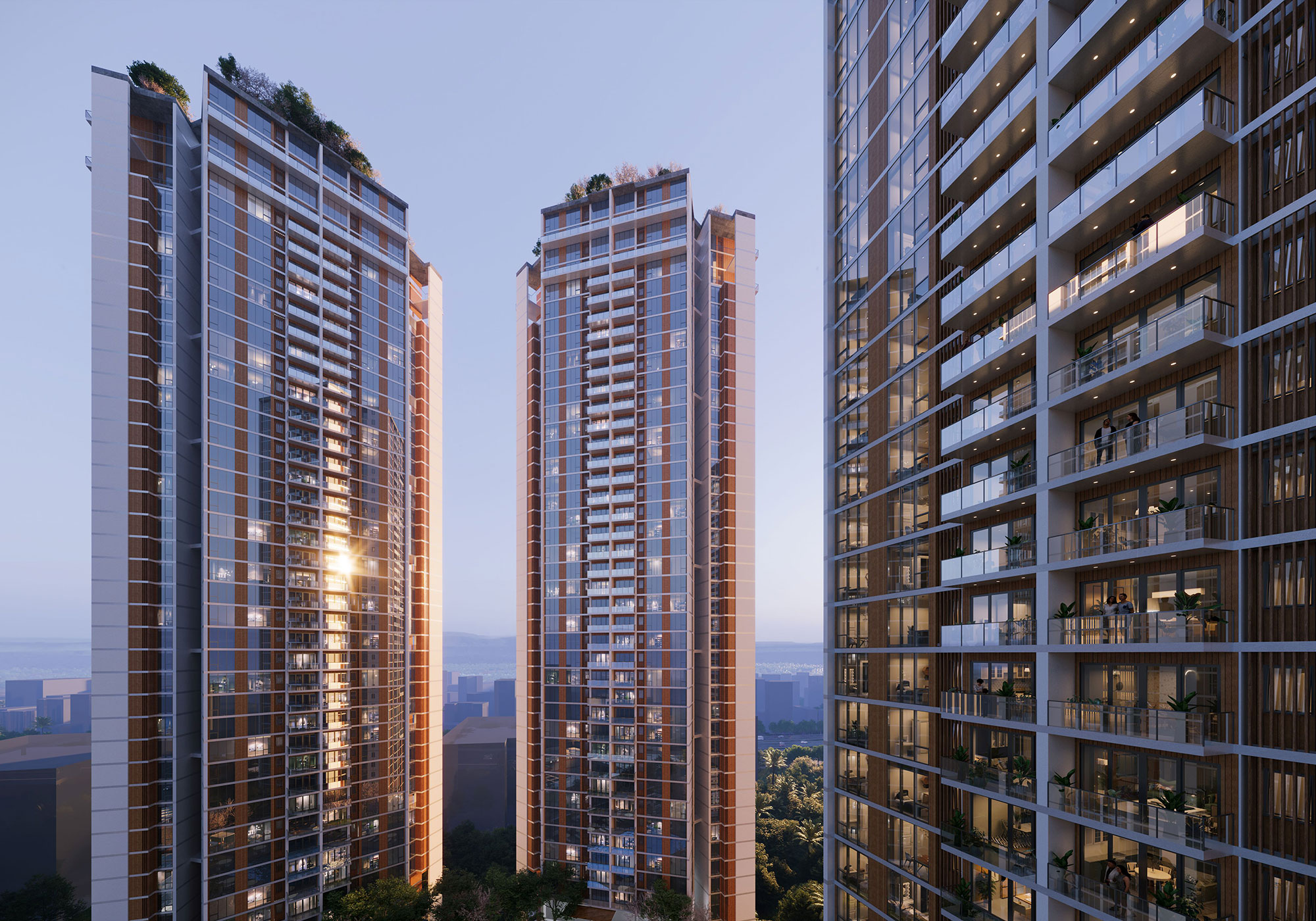
India has outgrown amenities thinking. As consumers become more discerning and urban demographics diversify, the developments that will define the next decade are those that treat placemaking as seriously as unit count. Across India's cities, homes will be defined by the richness of life they make possible.
For media inquiries, email .