What’s Next After the Department Store? Repurposing Hudson’s Bay’s Vacant Properties
How data driven analysis can help landlords transform vacant retail anchors into resilient destinations.
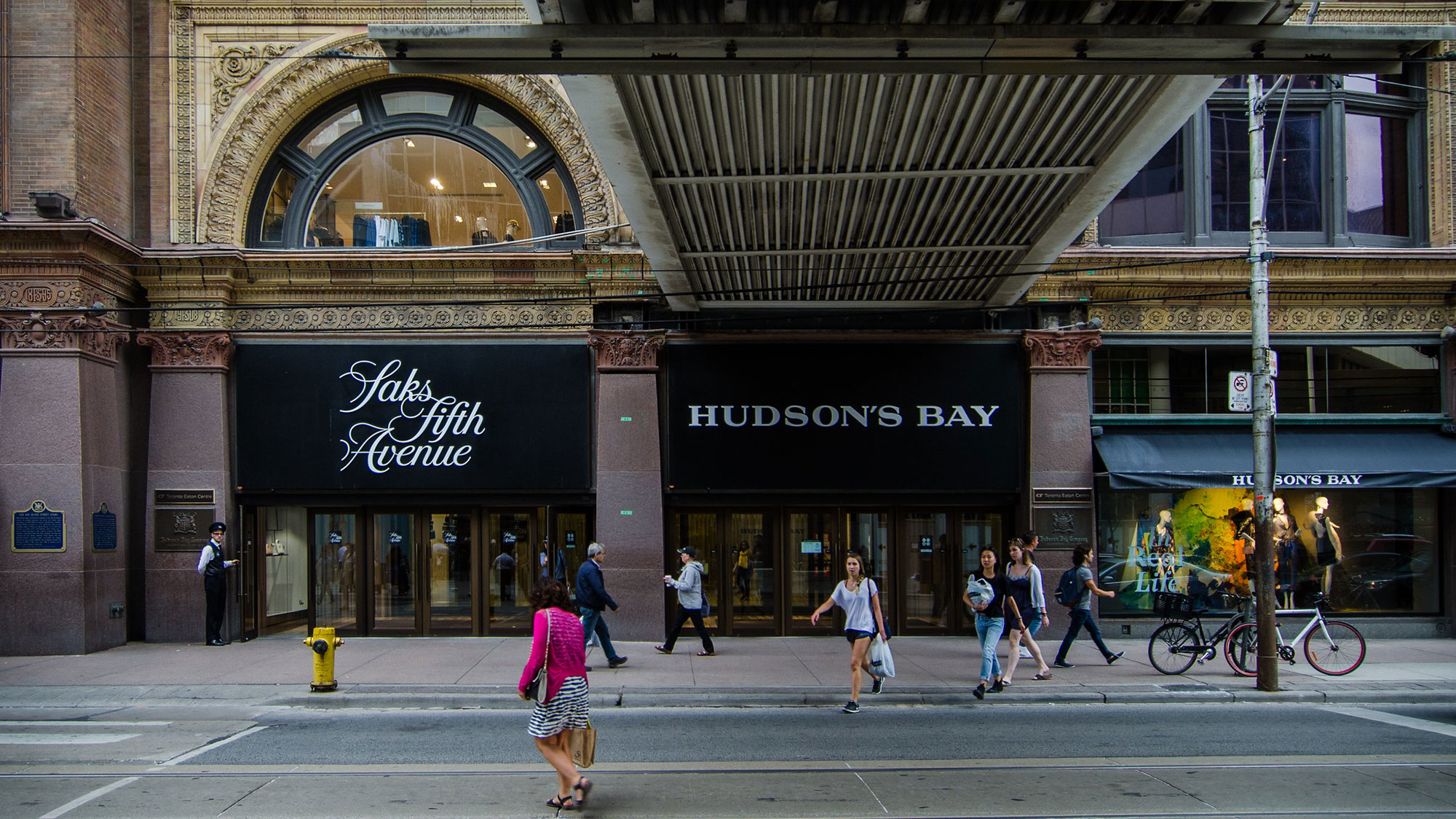
Nearly one year after The Hudson’s Bay Company (HBC) announced its insolvency, almost 100 stores across Canada sit empty. While discussions continue about the future of the department store model, landlords have overlooked a more pressing question: how to successfully repurpose these properties and capitalise on the opportunities that await those who act decisively.
For landlords still waiting for a single tenant capable of replacing The Bay, that tenant isn’t coming. As these properties continue to sit vacant, they drain investment, erode community connection, and compromise public safety. Landlords need data and clear strategies to transform these properties before they become a serious problem.
Meeting the demand
First, landlords must understand how their property connects to its surrounding ecosystem, and how they can repurpose it to address both market demands and community needs. Only through in-depth analysis can landlords determine both location-specific demands and the optimal use of each property. Backed by this analysis, landlords can uncover opportunities far more lucrative than relying on a single department store tenant.
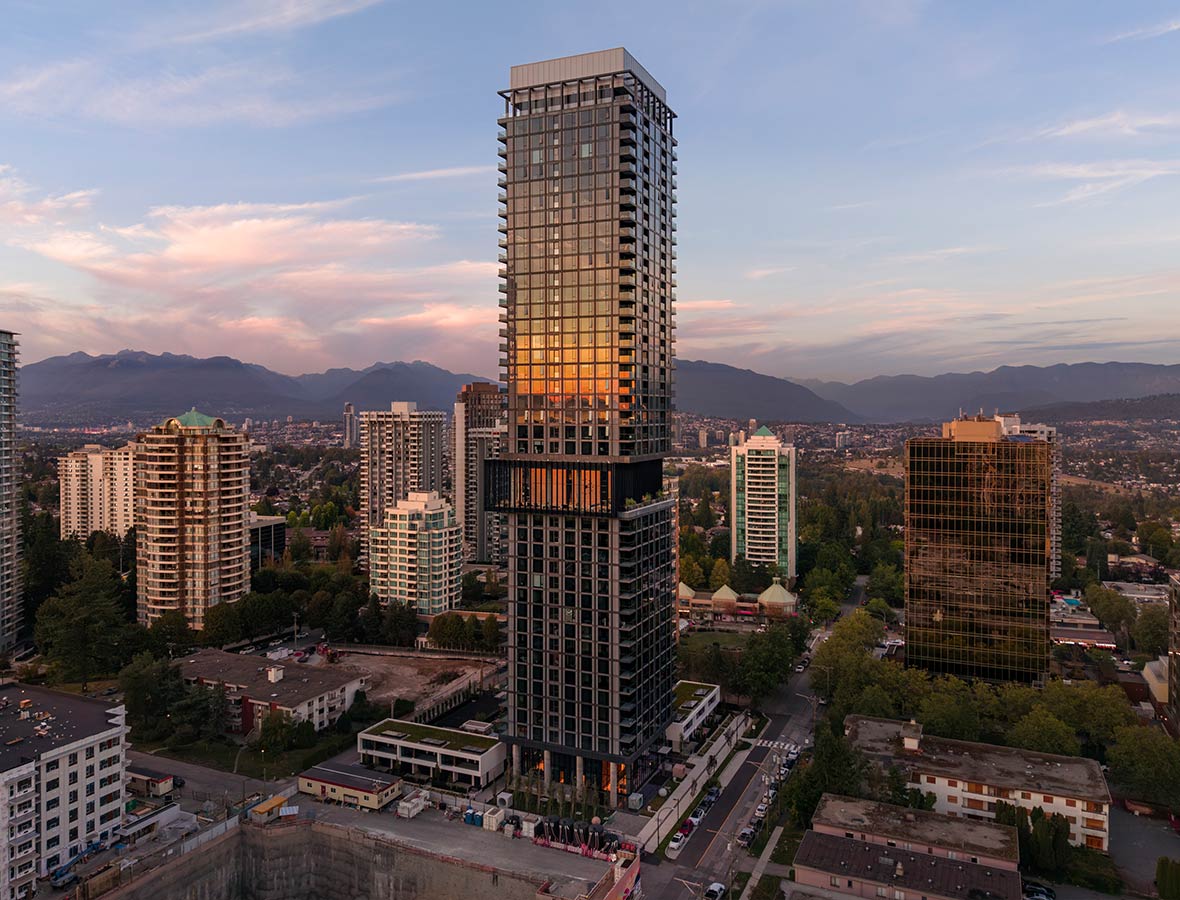
In Toronto and Vancouver, demand analysis reveals how the rebounding tourism industry is exposing a growing need for hospitality destinations — not to mention the persistent demand for affordable housing in both cities. Only landlords equipped to respond to these demands and to evolve as they change can insulate against risk and attract economically sustainable tenants.
Understanding property potential
Identifying demand is only part of the equation. Landlords must also understand what their property can realistically become. Since 2020, Gensler has scored more than 1,750 office properties for conversion into much-needed housing. We’ve since broadened our services to assess large-scale department stores. This work has demonstrated that not every property is a suitable candidate for conversion. Some Hudson’s Bay spaces that can’t be repurposed will likely require redevelopment or demolition.
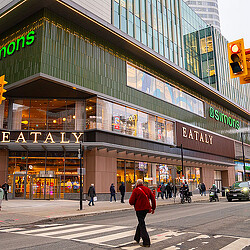
The Eaton Centre in Toronto demonstrates successful evolution. In 2023, the Bank of Montreal took over four floors of the former Sears space for its new office, and more recently, the mall rightsized part of its retail offering by transforming its 200,000-square-foot Nordstrom department store into a mix of Quebec-based retailer Simons and Italian marketplace Eataly.
The introduction of Simons and Eataly also reconnected these spaces to Yonge Street, drawing customers in from the outside. This successful transformation proves that analysis is crucial not just for the building, but also for its tenants to deliver the experiences customers want.
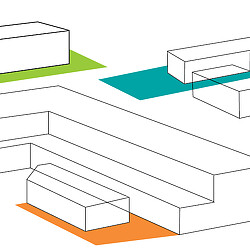
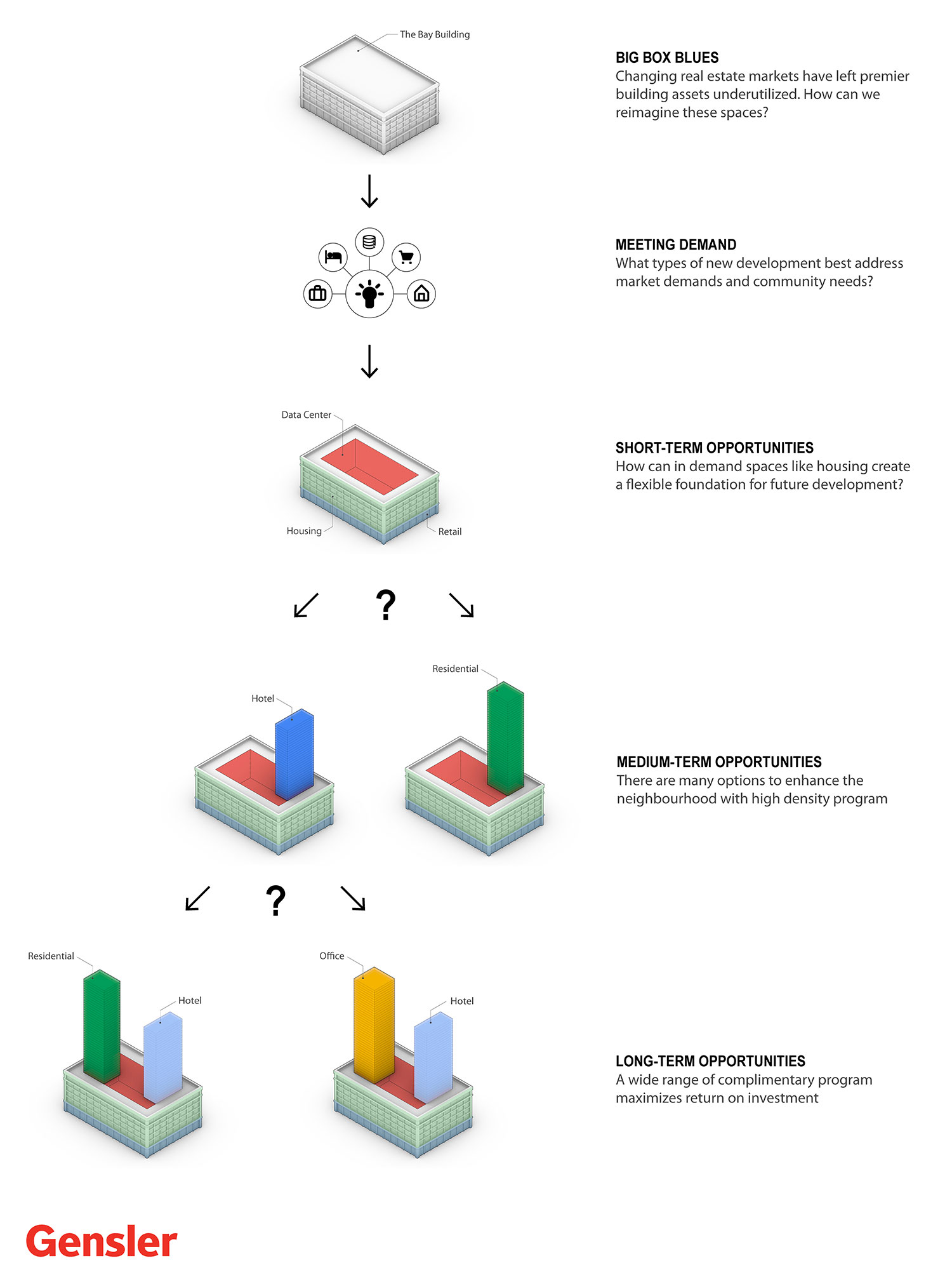
The vacant Hudson’s Bay in Vancouver offers similar potential. If successfully repositioned, the property could include a mix of street-facing hospitality and right-sized retail spaces on the lower floors, high-powered data centres surrounded by residential above, and the addition of hotel and residential units on top of the iconic heritage building. The most important element to this is for these spaces to include a combination of uses.
Recognizing the ROI
Once landlords identify demand and assess their property’s potential, they can choose options that balance near-term revenue with long-term value. For example, converting to a hotel or data centre may generate strong near-term returns, but could plateau over time, whereas office space might rebound and deliver higher yields in later years. Strategically combining these uses creates properties that generate sustained revenue over the long run. It also provides much-needed diversification, which the pandemic proved is necessary for long-term risk mitigation.
Just as retailers should expect the traditional department store model to evolve, landlords should forgo the idea that their space will house just one tenant or serve just one purpose. These large-scale properties must adapt to both current and future demands. While not every property can be reconfigured, this data and analysis remain crucial. Landlords can no longer afford to wait for a future that has already arrived.

For media inquiries, email .