The Climate Has Already Changed. Is Your Building Ready?
Designing a more resilient future starts with these three steps.
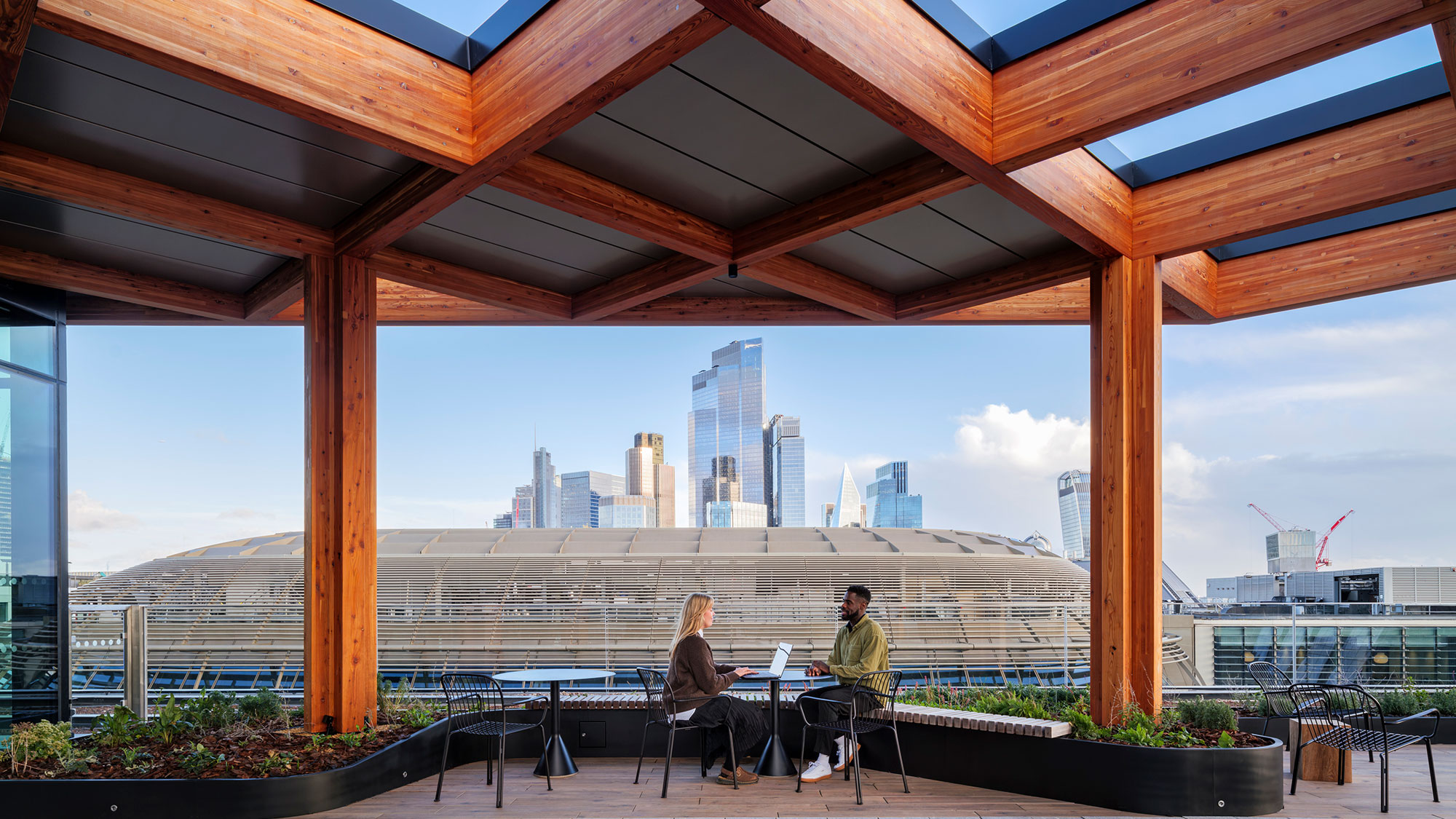
Across the world, the climate that buildings were designed for is no longer the climate they inhabit. Coastal communities are watching floodplain maps get redrawn. Desert cities are seeing their water table drop every year. Protecting a built investment now means designing for a future that is already arriving.
Done well, that work becomes an opportunity. A building planned for a rapidly changing future lasts longer and earns stronger returns on investment year after year. Three intertwined ideas make this future possible:
- Preparedness: safeguarding against risk
- Stewardship: using fewer resources
- Regeneration: giving back more than you take
Each has proven strategies Gensler has already put to work worldwide, and our newest report, Resilience by Design 2026, gathers decades of that expertise into one place.
Plan for Climate Risk
Gensler’s 2026 City Pulse survey found that across 75 global cities, 58% of residents see climate change as a major risk to their city, while fewer than half feel their city is prepared for it. That gap is as much a warning as an opportunity. As climate risk grows in vulnerable areas, resilient buildings are becoming a major draw for tenants and residents, often commanding both higher rents and higher occupancy rates.
Owner-occupied buildings benefit too. Research from the U.S. Chamber of Commerce found that every dollar spent on disaster preparedness can prevent up to $33 in future economic loss. Planning ahead for climate risk costs far less than rebuilding after.
But this planning only works if it starts locally. The same building faces entirely different risks if it’s near an urban river, in a desert, or on a tropical coast. A single generic response leaves buildings exposed to risk. The real work is naming the specific local threat — heat, flood, wildfire, drought — and designing for survival long into the future.
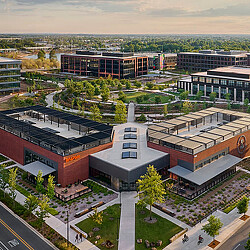
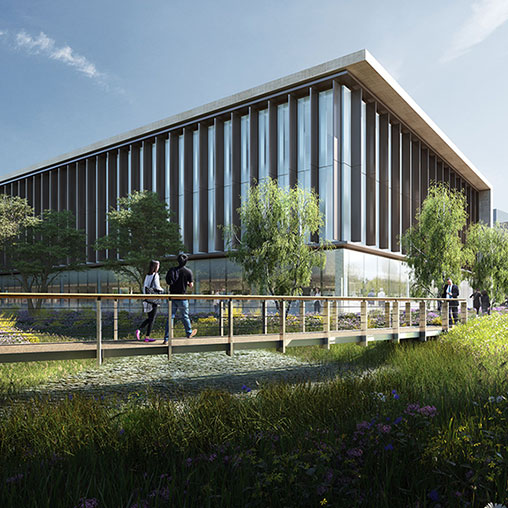
Under Armour’s new global headquarters in Baltimore, Maryland, shows how looking to the future can support long-term safety. To protect against anticipated sea-level rise and a change in the floodplain of the Baltimore Harbor, the design team elevated the main building 17 feet above grade. When floods inevitably occur, this initial investment will ensure the new headquarters remains protected and operational for decades to come.
Use Less to Save More
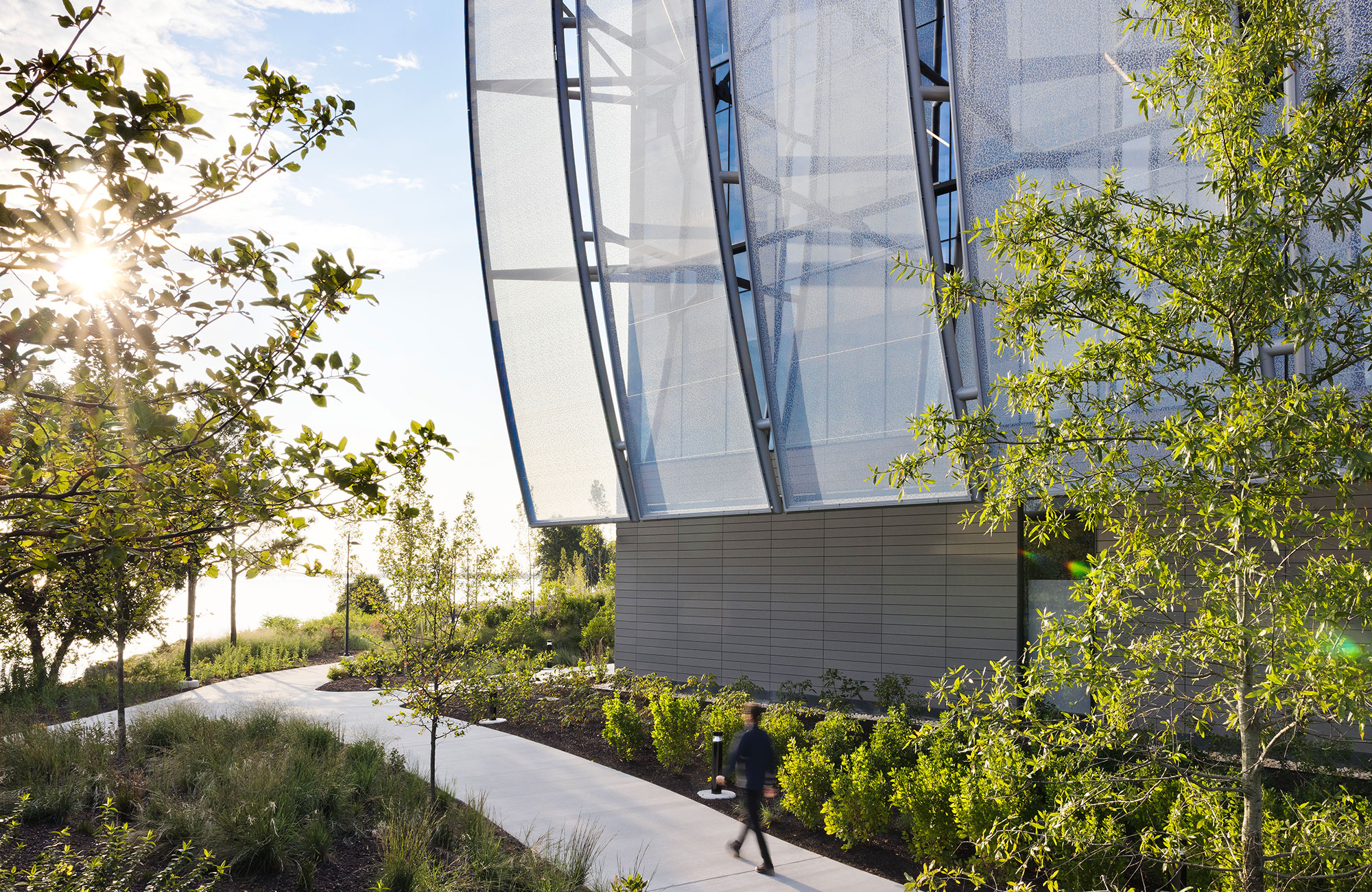
Resource stewardship is the right choice for both the planet and the balance sheet. A building that needs less natural resources for daily operations or produces its own energy onsite slashes operating costs and reduces or eliminates dependence on local utilities. When prices spike or service is disrupted, the places that use less are the most likely to succeed.
That same logic extends beyond operations and into the building and site itself. Reusing an existing structure eliminates the carbon cost of manufacturing and shipping new material, and often costs less too. A building’s frame and superstructure hold real structural and financial value, worth keeping rather than discarding.
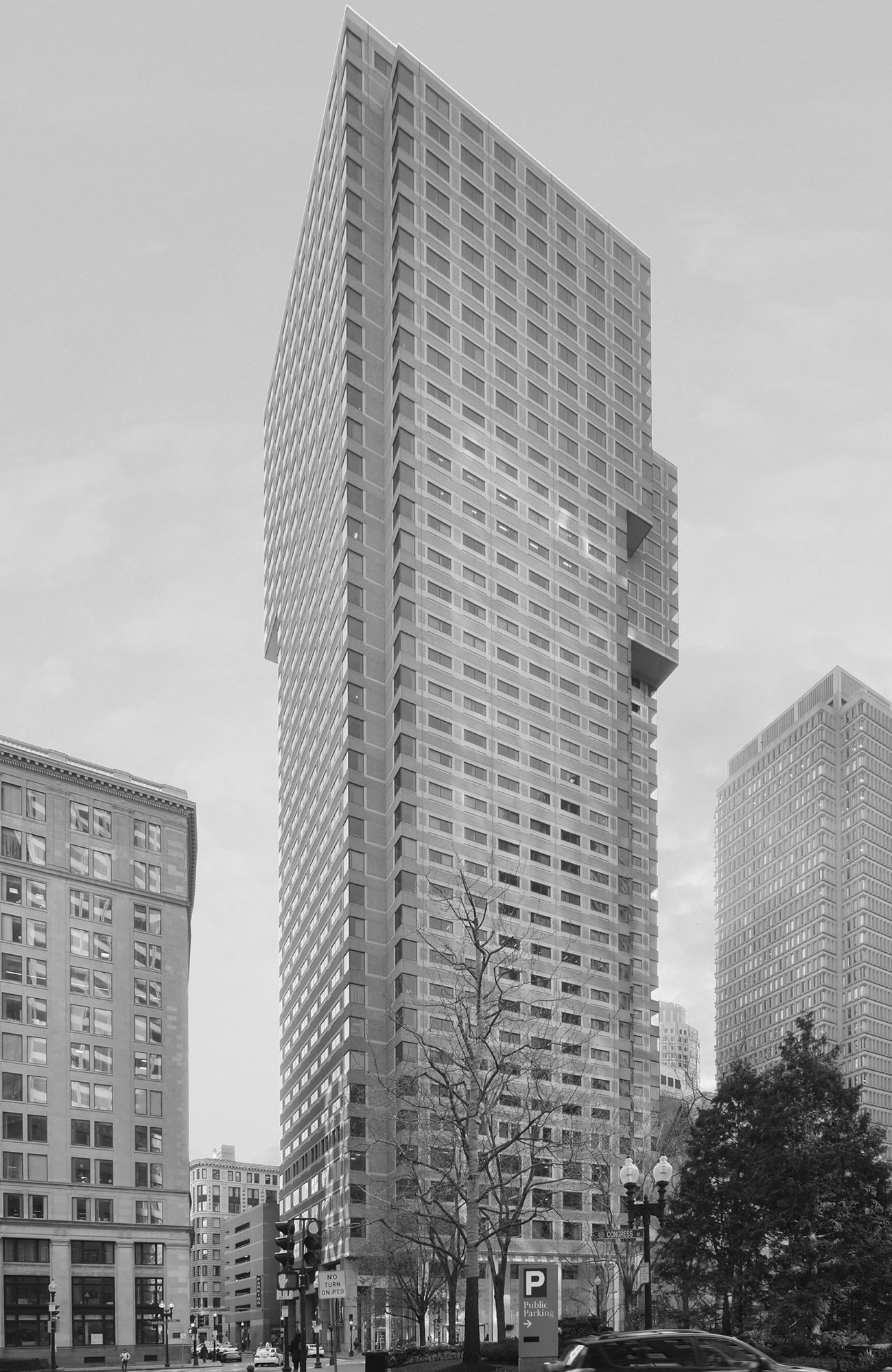
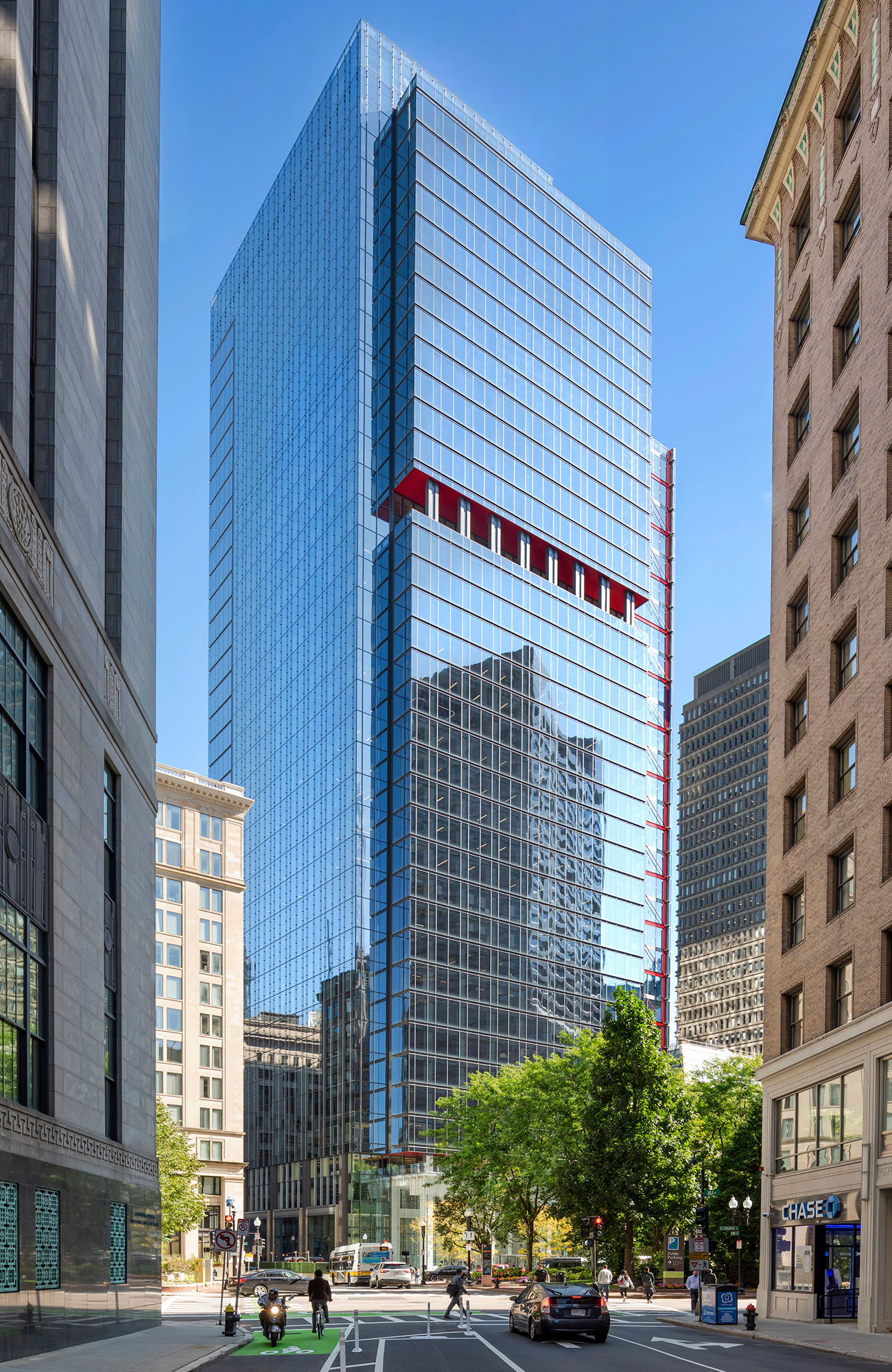
Boston’s One Post Office Square makes this case at scale. Facing a modernize-or-decline moment after four decades in use, the design team kept the 42-story tower’s steel superstructure fully intact and reclad it in high-performance glass rather than rebuilding it from scratch. This repositioning strategy reduced embodied carbon by 44% and performed well in the market, with 80% of the building leased before construction even wrapped.

Renew Your Community
The most resilient buildings and sites renew the world around them. Regeneration is a net-positive design strategy that restores value to the community and environment around a project rather than just protecting or conserving what exists. And regeneration operates at every scale a project touches. A city can revive disused manufacturing land into new residential and economic space. A single building can restore the biodiversity around its site and return more energy and water to the grid than it draws. Even an interior can specify renewable materials and plan for its second life before the first one ends.
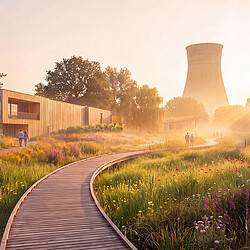
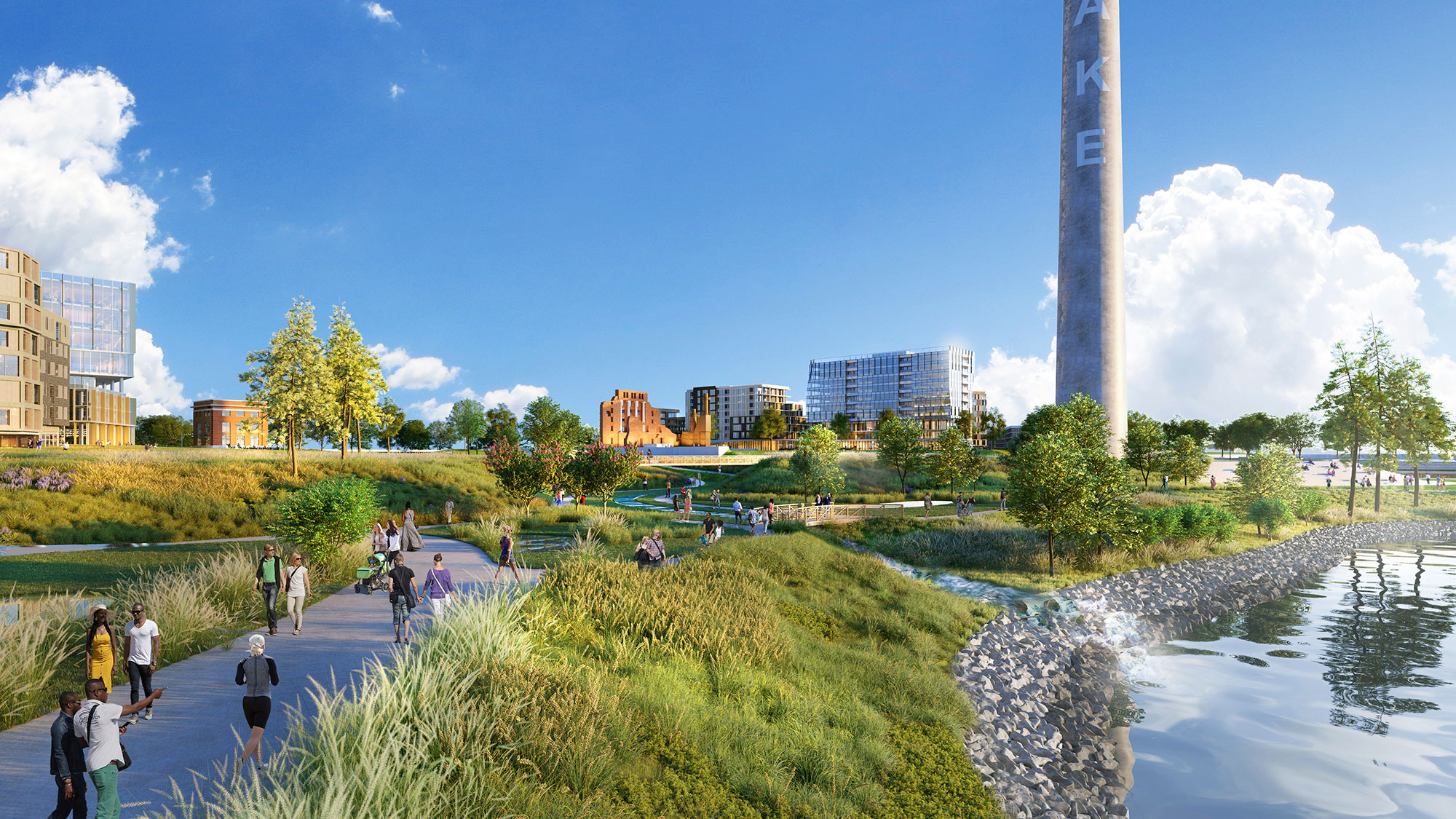
Avon Lake, Ohio, shows how regeneration can revitalize an entire district. Gensler worked in collaboration with the city and Avon Lake Environmental Redevelopment Group to repurpose and remediate the site of a century-old coal-fired power plant on Lake Erie. Gensler’s master plan restores native habitat and watersheds across a public waterfront that had sat off-limits to residents for generations. The benefit of investments like this rarely stops at the property line. The value ripples outward, strengthening the economy and ecology of everything around it.
Resilience by Design
Preparedness, resource stewardship, and regeneration are most effective when pursued simultaneously. The good news is that some strategies do double duty: A reused building conserves resources while regenerating neighborhoods, and a stormwater garden protects against flooding while giving green space back to the ecosystem around it.
Every project is an opportunity to ask three questions: How do we protect it for the future? How can it operate more efficiently? How can we leave the site better than we found it? The strongest projects answer all three, layering strategies together to make a project truly resilient. The result is lasting value for building owners, tenants, and communities.
For media inquiries, email .