Why Investing in Preparedness Can Unlock a More Resilient Future
How several years of unprecedented climate disruption are reshaping global resilience — and how design is rising to meet the moment.
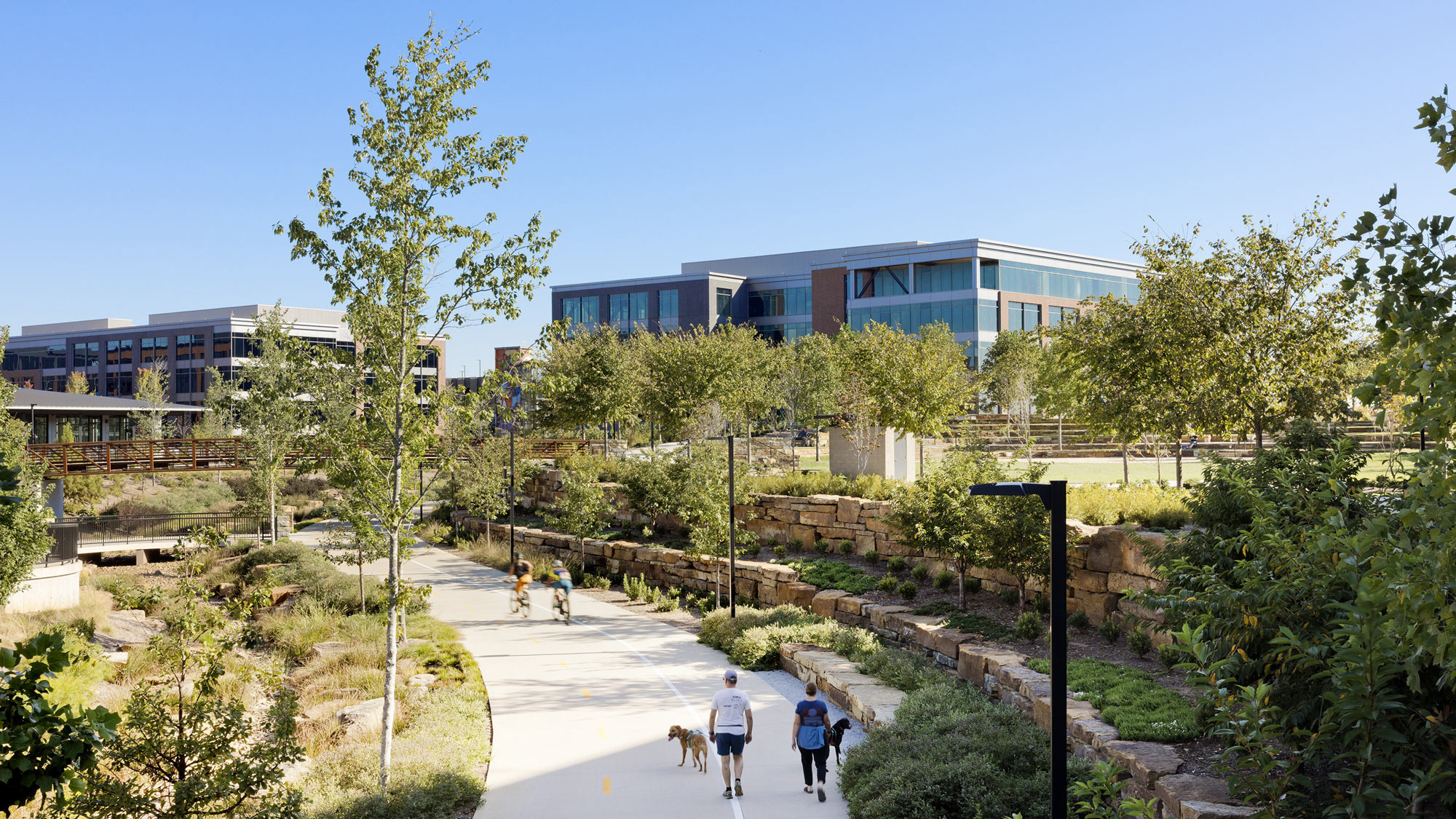
This Earth Day, the stakes have never been clearer. Communities from Phoenix to the Philippines are facing drought, floods, fires, and record-smashing heat. Globally, the anxiety is palpable. A recent Gensler survey found that 58% of global urban residents believe climate change poses a major risk to their city, and fewer than half feel their city is adequately preparing for severe weather.
But among these headlines, there is opportunity: The U.S. Chamber of Commerce found that every dollar invested in preparedness today can prevent $33 in future economic losses. Communities are more resilient when they break down silos, uniting planners, designers, policymakers, and community members to act together. The more we invest in preparedness, the safer and more dependable our cities become. And this past year was full of resilience milestones.
Lessons from Los Angeles
It’s been a year since devastating wildfires tore through the Los Angeles metropolitan area, and we are still learning from the lessons of this urban climate disaster. “We expect fires every year,” says Kelly Farrell, Co-Managing Director of Gensler Los Angeles. “They’re part of Southern Californian life. But the scale and severity were different this time.”
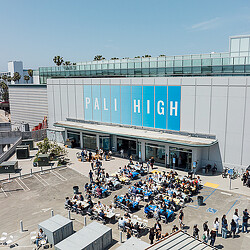
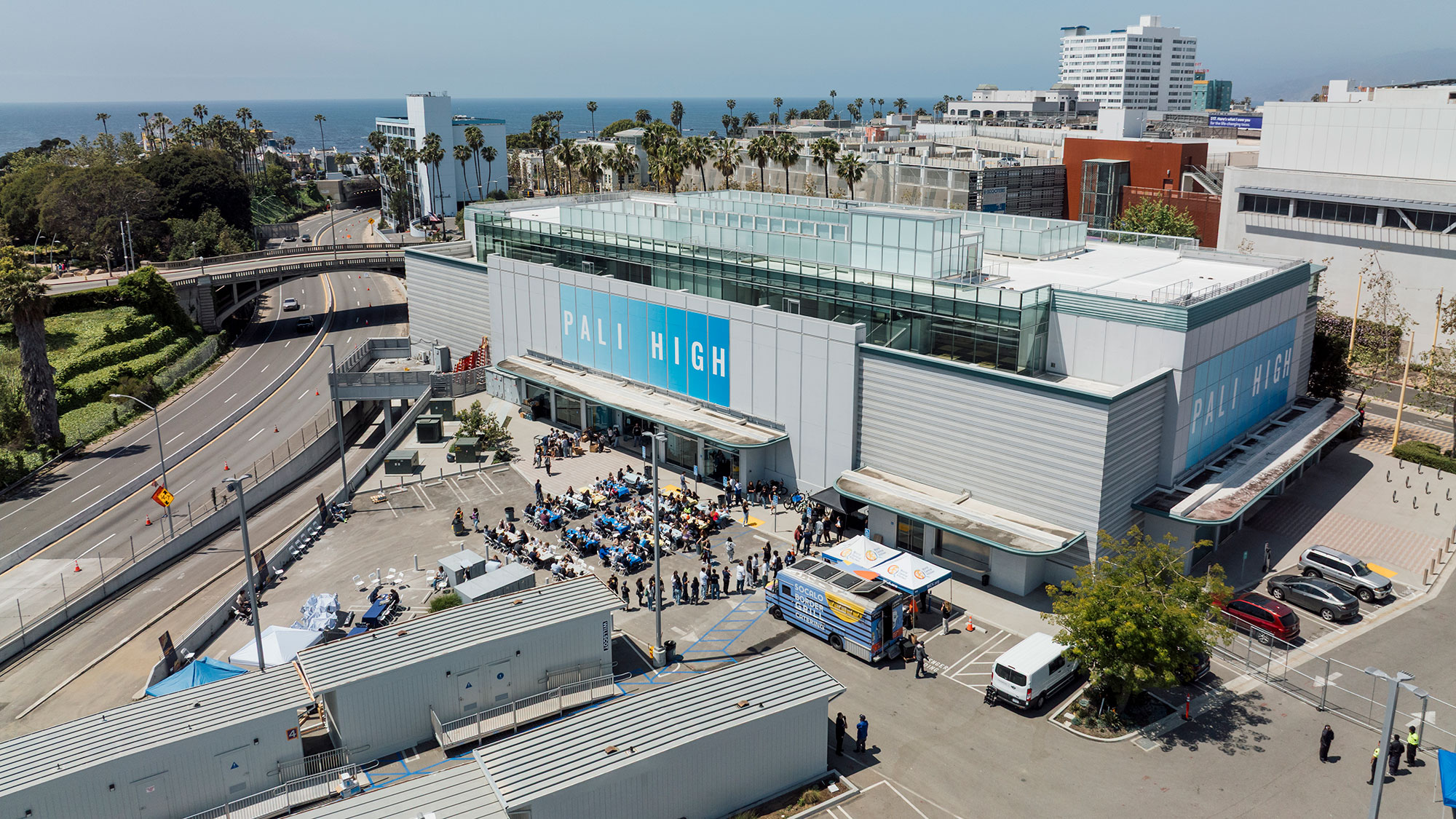
The fires forced over 180,000 residents from their homes and destroyed nearly 40% of Palisades Charter High School’s campus. To quickly restore in-person learning, Pali High collaborated with Gensler, C.W. Driver Companies, and the City of Santa Monica to transform an abandoned Sears building in Santa Monica into a fully operational school for more than 2,500 students— within 30 days. Pali High South serves as a replicable model for how adaptive reuse can function as disaster-response infrastructure, and for how partnerships can restore a vital part of the community.
“Pali High South represents what’s essential in disaster relief,” Farrell said. “This was more than just giving students temporary classrooms — it represents rebuilding community at speed.”
The fires reshaped how many designers and developers understood their responsibility to their customers, clients, and community. Amid the crisis, Farrell and her team realized that Gensler LA could act as a safe haven for displaced employees and their families. The office opened its doors with space to sleep, refrigerators for food and medication, and air-purification systems deployed both on-site and in employees’ homes. This rapid, adaptable response showed that resilience isn’t just about buildings — it’s about removing barriers and adopting a mindset that can transform even the most unassuming office into a place of refuge.
Researching Resilience
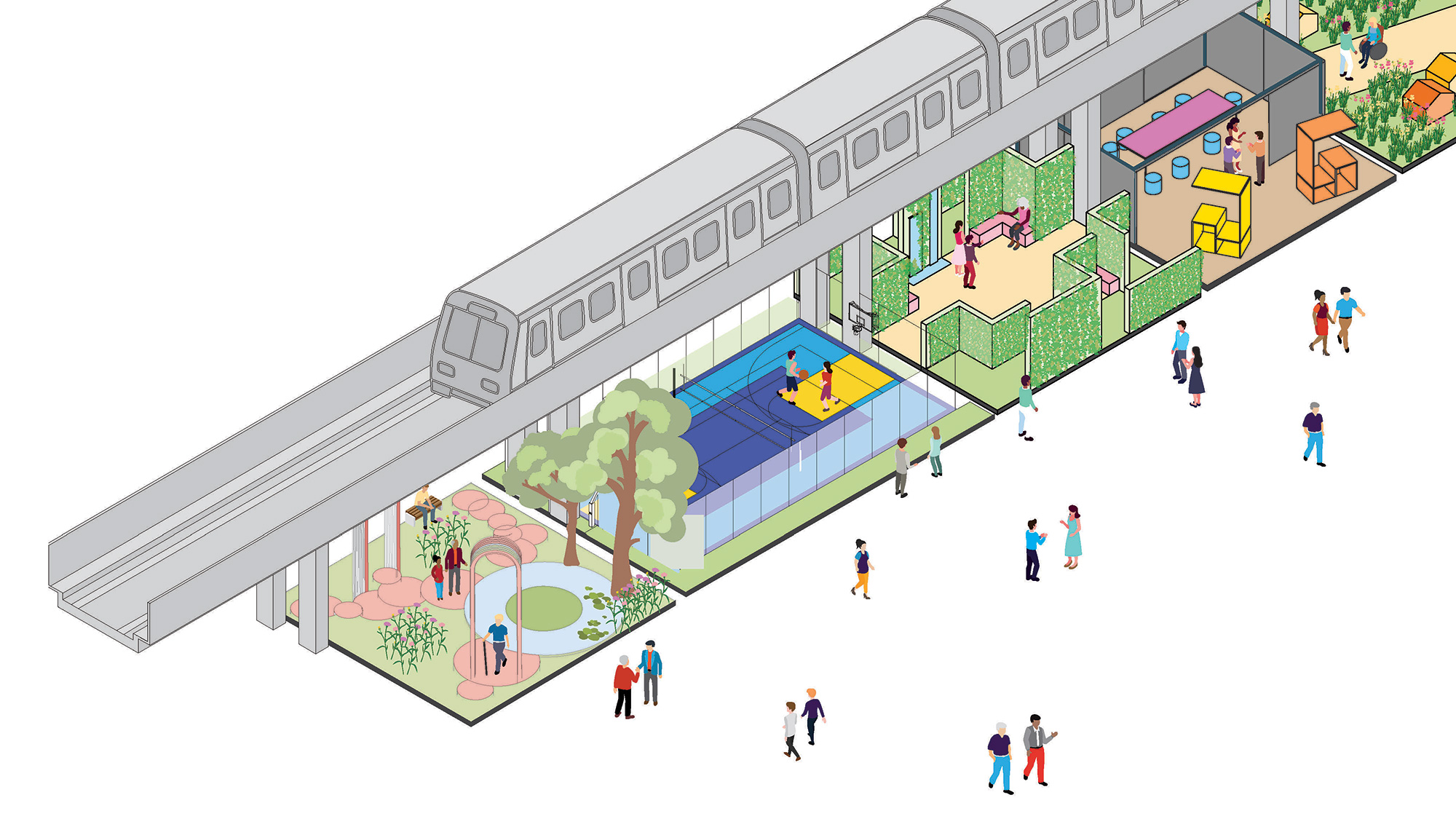
Sometimes, solutions are hidden in plain sight. A Gensler research team in Shanghai recently investigated how underutilized urban space beneath elevated rail lines could be reimagined to extend green networks across the city. These corridors, previously dismissed as too complex or constrained to fully rebuild, revealed how relatively inexpensive adaptations to existing infrastructure can reconnect neighborhoods, improve air quality, manage stormwater, and support daily wellness.
Another Gensler research team found that infrastructure becomes more resilient, valued, and affordable when it is designed to serve multiple functions. In Copenhagen, Enghave Climate Park protects surrounding streets from flooding while also serving as a playground and neighborhood gathering space. In Medellín, the Metro Cable system provides low-carbon transportation while connecting hillside neighborhoods to jobs, schools, and services that were previously out of reach. When projects bridge climate protection and community needs, infrastructure better supports urban life.
The Future of Carbon
In Gensler’s ongoing efforts to increase transparency and accountability in the architecture and design industry, we recently published our energy use and carbon emissions data by practice area for the first time. The results showed steady progress in reducing energy use intensity and lighting power density, while also clarifying where focused effort can drive greater impact. This report is helping Gensler design teams align around carbon goals and pushing other industry leaders to share their data as well.
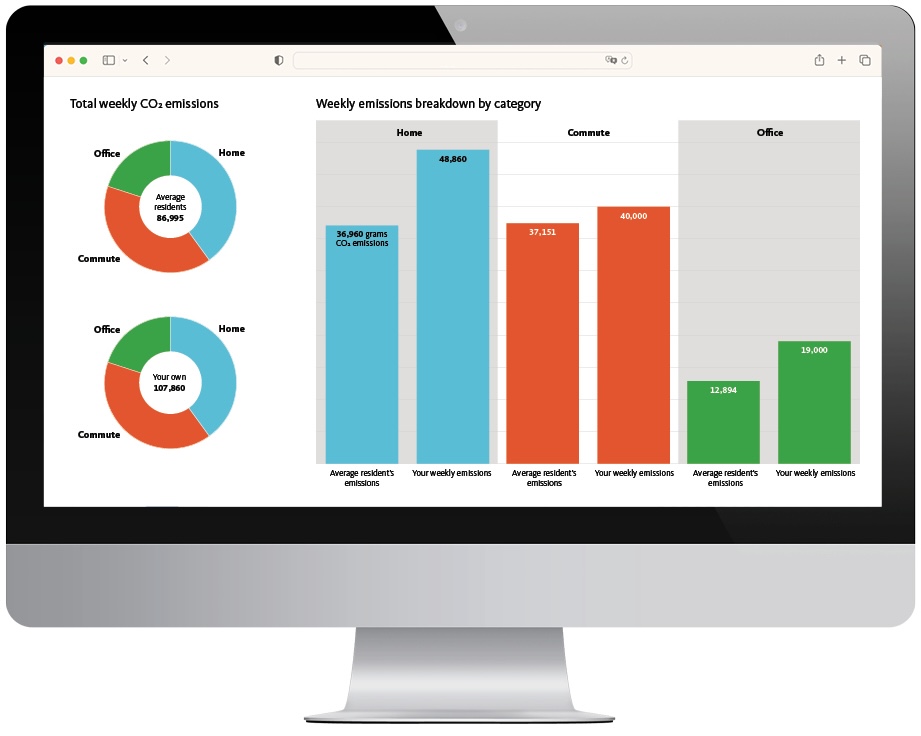
To investigate how organizations can cut their emissions during the workday, the Gensler Research Institute published The Carbon Impact of a Workday, a collaboration with the MIT Mobility Initiative. Over two years, our joint research team revealed surprising connections between work location, regional energy costs, and access to public transit. While best practices differed across climates and cities, behavioral choices everywhere can make an immediate impact on climate change without waiting for slower structural and technological changes.
Sharing Strategies for Urban Futures
On the local scale, 10 Across Initiative (10X) highlighted pragmatic responses to climate change along the Interstate 10 corridor in the southern United States. We learned that the cities projected to have the greatest increase in days over 95°F are also projected to grow in population by over 25% over the next 25 years. Jacksonville, Florida, a coastal city subject to rapid warming, is preparing for 500,000 new residents by 2050. Its leaders are pairing growth with a citywide flood model and neighborhood-scale heat analysis to determine the best places for new development. Resilience here is a coordinated effort that aligns planners, engineers, and communities around shared risk.
COP30 reinforced the same lesson for coastal cities everywhere. The most resilient coasts are those that move beyond simply reacting to the last storm and set their sights on preparing for increased risk over the next 50 years.
It’s not just hurricanes and floods; droughts are also threatening these communities. Floods and droughts may seem like opposite problems, but they are increasingly linked in a dangerous cycle. Like a pendulum, local climates repeatedly swing between too much and too little water. A region can experience catastrophic flooding during one season and crippling drought the next. This volatile climate pattern complicates traditional water-management strategies and strains local resources — a challenge explored further in When Rivers Rise and Wells Run Dry: Designing Water-Resilient Cities.
When quantified risk is translated into design, and design into policy, resilience becomes actionable. It demands long-term thinking, cross-border collaboration, and the courage to plan beyond election cycles.
Putting climate risk at the front of urban planning is how we secure the future of communities and enterprise alike. The window to act is today. The question is whether we will build through it.
For media inquiries, email .