What Detroit Gets Right About Downtown Recovery
Gensler’s City Pulse 2026 ranks Detroit #1 for downtown experience. Here’s what other cities can learn from its turnaround.
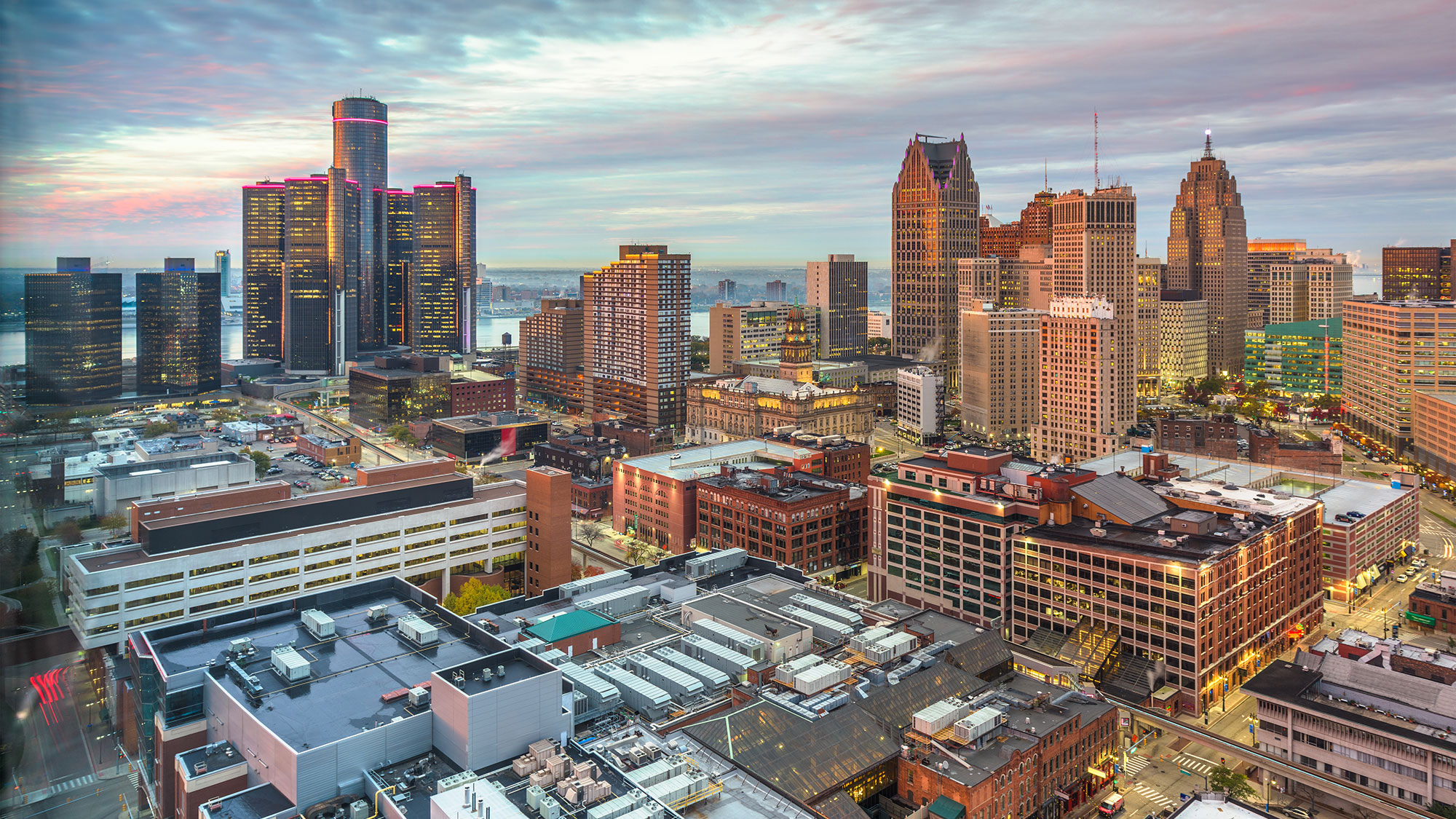
For decades, Detroit was a cautionary tale — a city that lost nearly a third of its population, watched its streetlights go dark, and saw entire blocks go vacant. But the city kept working — repairing infrastructure, stabilizing neighborhoods, and rebuilding the basic trust that makes a place livable. Today, Detroit’s population is growing for the first time in nearly 70 years, major employers have anchored downtown, and groups are pushing to grow the downtown residential population by 50% in five years. The turnaround is real — and measurable.
Gensler’s City Pulse 2026 research confirms what that momentum already suggests: Detroit has the stickiest downtown in America. Sofia Song, global leader of cities research at Gensler’s Research Institute, sat down with Antoine Bryant, Managing Director of Gensler Detroit and Former Director of Planning & Development for the City of Detroit, to talk about what the data reveals — and what it means for the city’s future.
Sofia: Antoine, when I look at Gensler’s City Pulse 2026 data for Detroit, the headline that jumps out is this: Detroit is #1 out of the 34 U.S. cities we studied for residents saying their downtown experience has gotten better in the past year, at nearly 64%. Boston is second at 56%. That’s an eight-point gap to the runner-up. When you saw this data, was there anything that surprised you?
Antoine: It confirmed what we’ve seen on the ground. 2024 was a real turning point, a culmination of all the hard work that preceded that moment. Detroit hosted the NFL Draft for the first time, attracting a record-breaking 775,000 attendees over the three-day event. What followed were real, lasting improvements: new landscaping, better signage, improved lighting, and coordinated programming through the Downtown Detroit Partnership. Our guiding principle was always designing for a city, not for an event. Those investments cascaded well beyond the Draft, and, as the study shows, today we have one of the best downtowns in the country.
Sofia: One number that jumps out to me is that fewer than one in six Detroit residents is a “reluctant visitor” to downtown — someone who only goes there when they have to. That’s the lowest rate of any U.S. city we studied, well below the national average of nearly one in three. What have you seen built, opened, or changed in Detroit that you think is producing these results?
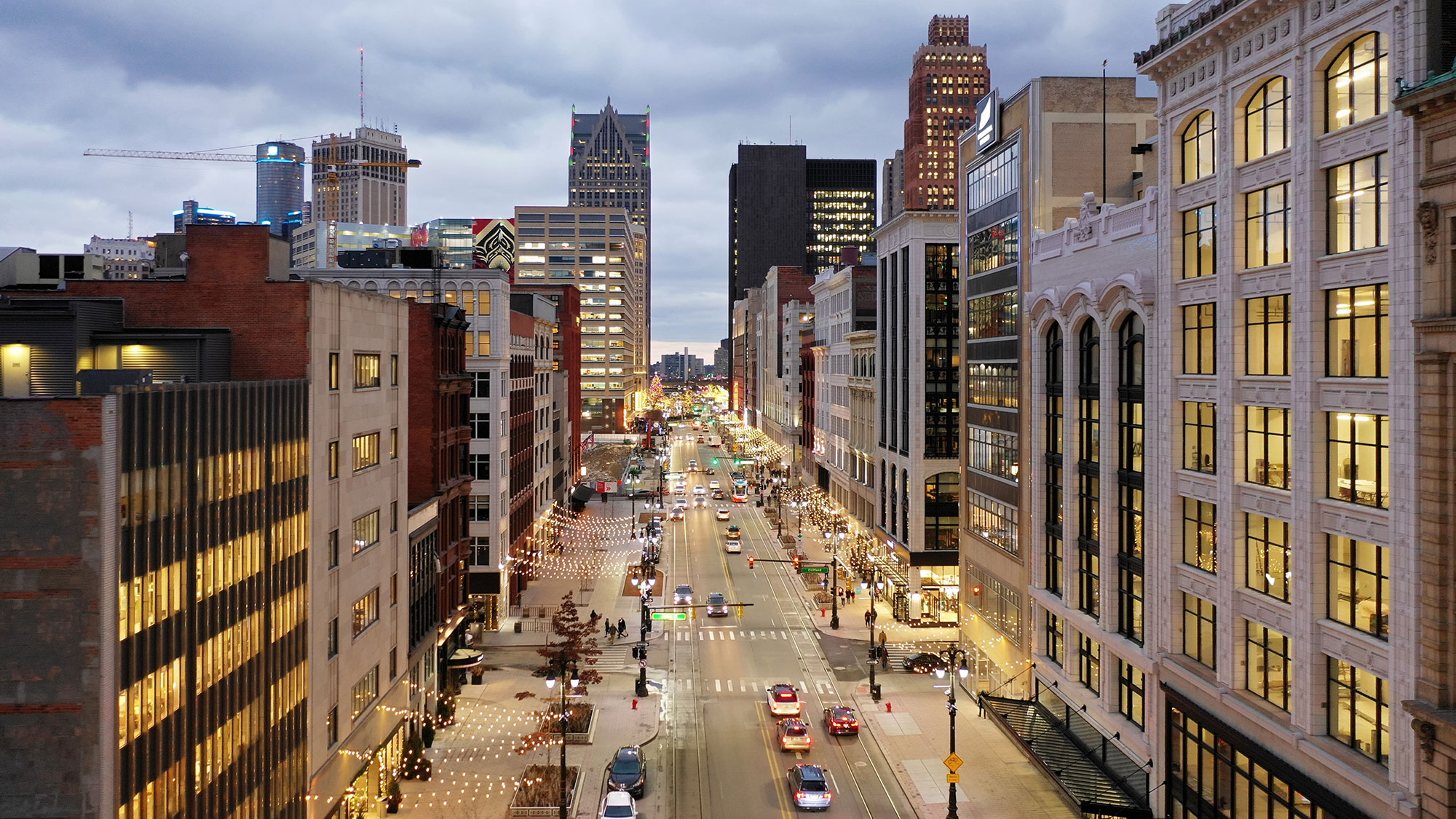
Antoine: Detroit’s downtown is accessible by car and pedestrian-oriented, with wide, comfortable sidewalks and well-lit streets and corridors. We’ve heard from residents and visitors that downtown feels safe without being overpoliced. That’s a key data point because people feel comfortable walking alone, at different points of the day, throughout the week. The idea that Detroit is an unsafe city is woefully inaccurate, and the data backs that up.
Sofia: The data shows Detroit residents aren’t just tolerating their downtown. They’re choosing it. Detroit is #1 for discretionary downtown visits, where 31% say they go downtown because they enjoy it, not because they have to. The national average is 16%. What explains that level of voluntary engagement in Detroit’s downtown? Why do people enjoy it so much?
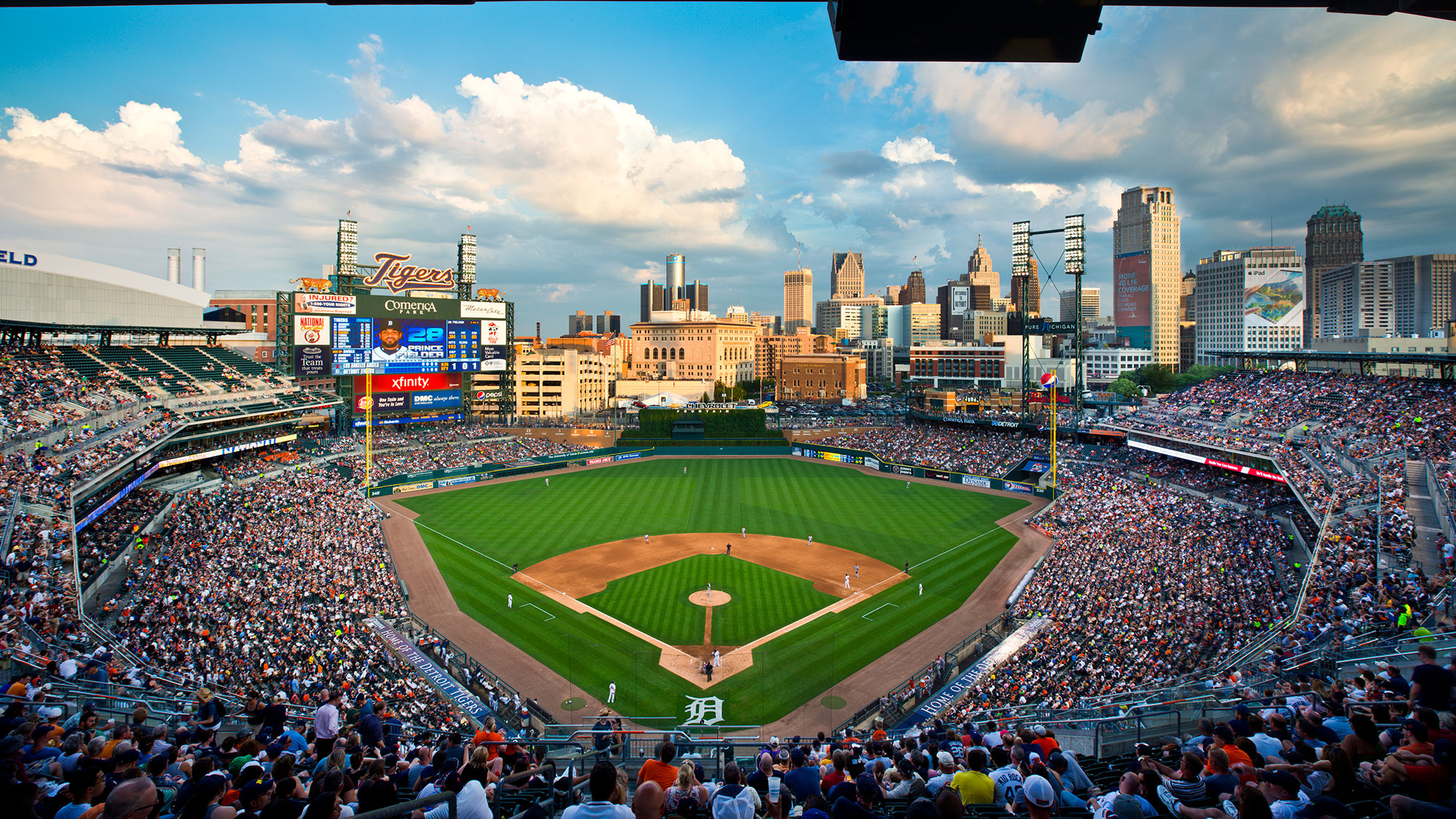
Antoine: Unlike New York City, Miami, or Chicago, where you have disparate commercial centers, most of Detroit’s cultural, sports, and food & beverage opportunities are concentrated in the downtown core. We’re the only U.S. city with four professional sports teams within a half-mile radius, including a shared NBA/NHL arena and adjacent NFL/MLB stadiums. Little Caesars Arena is the second-most-booked arena in the country. So, everything from a Pistons or Red Wings game to a concert or graduation is hosted at that facility, which operates roughly 325 days a year. Everything is interspersed, so it becomes a downtown for everyone.
Sofia: Something that struck me is our walkability finding. Our City Pulse data shows that Detroit is #1 for residents who say their downtown is enjoyable to walk around in, at nearly 87%, ahead of Boston and Chicago. That’s a striking number for a city often defined by its car culture. How intentional was the investment in the pedestrian experience when you were leading planning, and did you expect it to register this strongly with residents?
Antoine: It was very intentional. We increased lighting on major corridors and side streets. We introduced Project Green Light Detroit to reduce crime through live monitoring and rapid response. We invested in sidewalks and vegetation throughout key corridors. We also promoted multimodal activity, and people have embraced it, even in the Motor City. A dedicated mental health unit reduced the need for heavy-handed policing of our homeless population, and our collaboration with the Downtown Detroit Partnership has helped keep the district clean. Together, these efforts have genuinely changed the city’s perception and pedestrian experience.
Sofia: One of the themes in our research is the gap between perception and behavior. Cities that score well on experience sometimes still struggle with safety perception, and that friction keeps people away. Detroit’s safety numbers show a real arc. They hit a low around 2023 and have been climbing since. From your vantage point inside city government during that period, what was the inflection point?
Antoine: I believe this progress stems from moving past the COVID pandemic and putting intentional community policing strategies in place. Homicides have dropped to a 50-year low, and the overall crime rate is rapidly approaching a 15-year low. When people feel safe, they tell other people — and the narrative begins to shift. Now that perception is becoming reality. We have a much safer and dynamic downtown than we’ve had in decades.
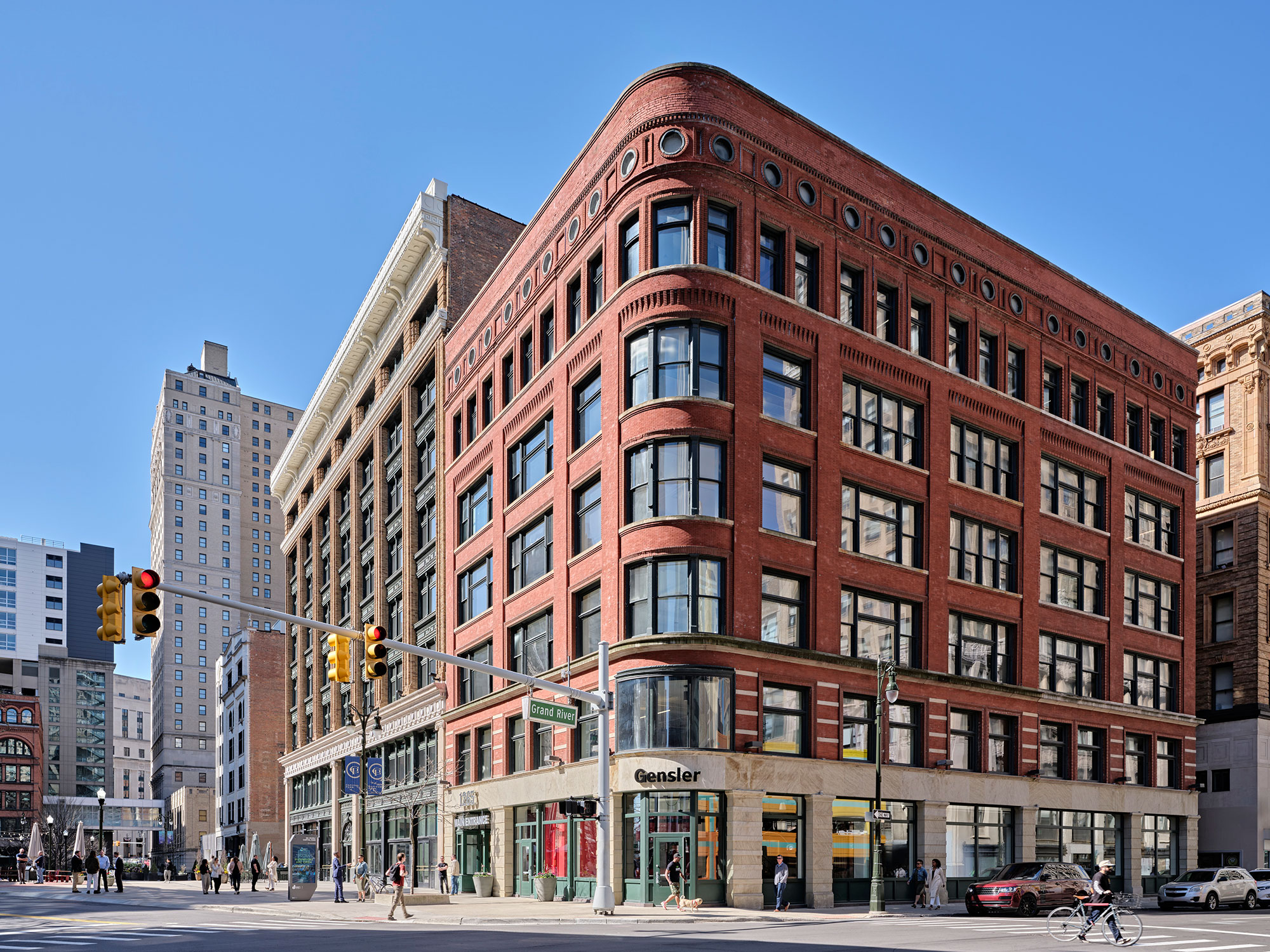
Sofia: The data also tells a story about belonging. About 74% of Detroit residents say they’re proud of their city. And 72% say their sense of belonging has grown over time. To me, this is more than a “livability” score. It’s an emotional relationship with place. In your work on neighborhood planning, what does it actually take to build that?
Antoine: Great question. It comes down to inclusiveness — engaging with the community you’re serving, so you’re planning with people instead of for them. When you establish genuine rapport with residents, they feel their goals and desires are being heard, even if they’re not met immediately. People rally around being part of the process.
Sofia: Detroit residents want more job opportunities downtown than residents of any other city we surveyed, at 41% versus a 30% national average. Is that an unmet need, or a sign that people see downtown as an economic engine rather than just an amenity district?
Antoine: Both. The median income for a family of four in Detroit was $38,762 in 2024, with per capita income around $19,800. This is a city built on automotive industry workers, with a strong gig economy and creative culture — and people see downtown as a bastion of good-paying jobs. There’s also a broader live-work-play trend that's hyperlocal here: people don’t want to commute to the suburbs anymore. They want to be where the energy is.
Sofia: Future outlook tends to be a lagging indicator — it takes sustained momentum to move it. In 2022, only 52% of Detroit residents were optimistic about their city’s future. By 2026, 72% feel optimistic. That’s a 20-point jump. What does that shift signal to you about where Detroit actually stands right now?
Antoine: The City of Detroit has been in the midst of several significant changes since 2022. As we exited the pandemic, there was a significant push to return to work, as well as clear reinvestment in our retail offerings, both downtown and citywide. Additionally, property values rose significantly during this period, resulting in a sense of promise for the future. Lastly, through a collaborative effort of the public and private sectors, the city hosted a record-breaking NFL Draft in Spring 2024, which thrust Detroit squarely on a very visible national stage. The positive narratives that came from the conference were shared not only by visitors but also embraced by new and legacy Detroiters.
Sofia: If you could point to one thing Detroit has done — a design decision, a policy choice, a community investment — that you think other cities should replicate, what would it be?
Antoine: Downtown Detroit’s resurgence is clearly indicative of a multifaceted approach. However, if I had to choose one primary decision, it would be the laser focus on infrastructure and safety. Infrastructure improvements include newer sidewalks, enhanced streetscapes, and increased native plantings and appropriate vegetation. Safety is achieved through improved and varied lighting, increased signage and wayfinding, and presence. When residents and visitors feel comfortable and safe, not only will they freely attend and participate in a space, but they will also become your city’s ambassadors.

For media inquiries, email .