5 Drivers of a Vibrant Downtown (and What Most Cities Get Wrong)
How a few key principles can turn business districts into lively neighborhoods.
Every city wants an edge.
The most magnetic cities are also the most competitive, attracting new residents and businesses while encouraging current ones to invest and put down local roots. Creating a more vibrant central business district (CBD) is one of the most effective levers a city has to become more magnetic.
City Pulse 2026 research found that while urban residents tend to perceive their CBD as a place that offers a great experience, fewer than half visit once a week, and fewer than a third choose to linger downtown. This gap between perception and behavior is one of the most significant untapped opportunities in urban development today.
So, what actually makes people want to spend time downtown? Our analysis of 35,000 respondents across 75 cities points to five factors that consistently predict whether residents perceive their CBD as a vibrant place worth lingering in.
1. After-Hours Activation
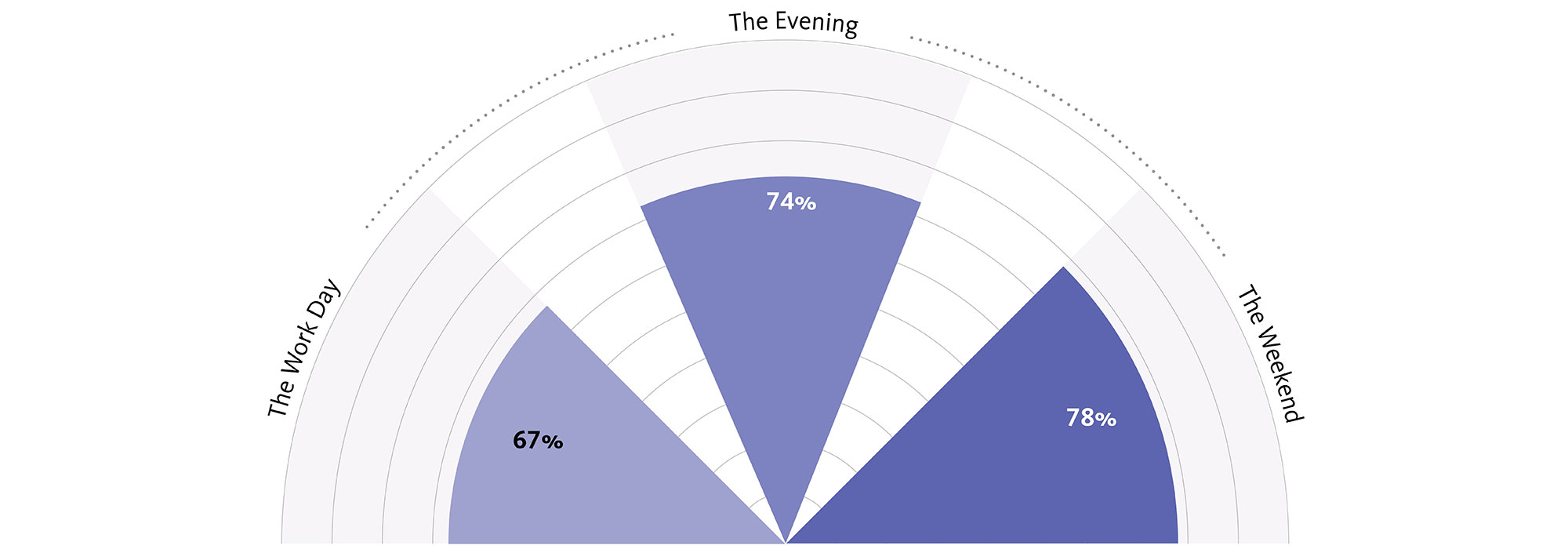
Our research found that after-hours activation is the strongest predictor of perceived vibrancy. Downtowns cannot rely solely on the 9-to-5 working population to succeed. Rather, cities that extend their activation into evenings and weekends see the greatest rates of lingering, repeat visits, and resident satisfaction. Formalized approaches such as rezoning for mixed-use activity, cultural programming events, and even dedicated night mayors can all help business districts stay vibrant.
2. Attractiveness
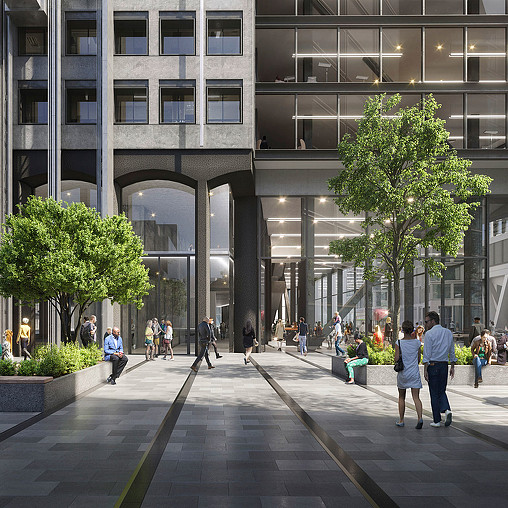
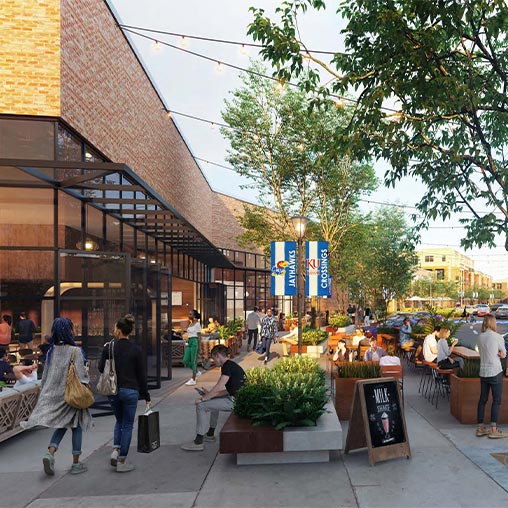
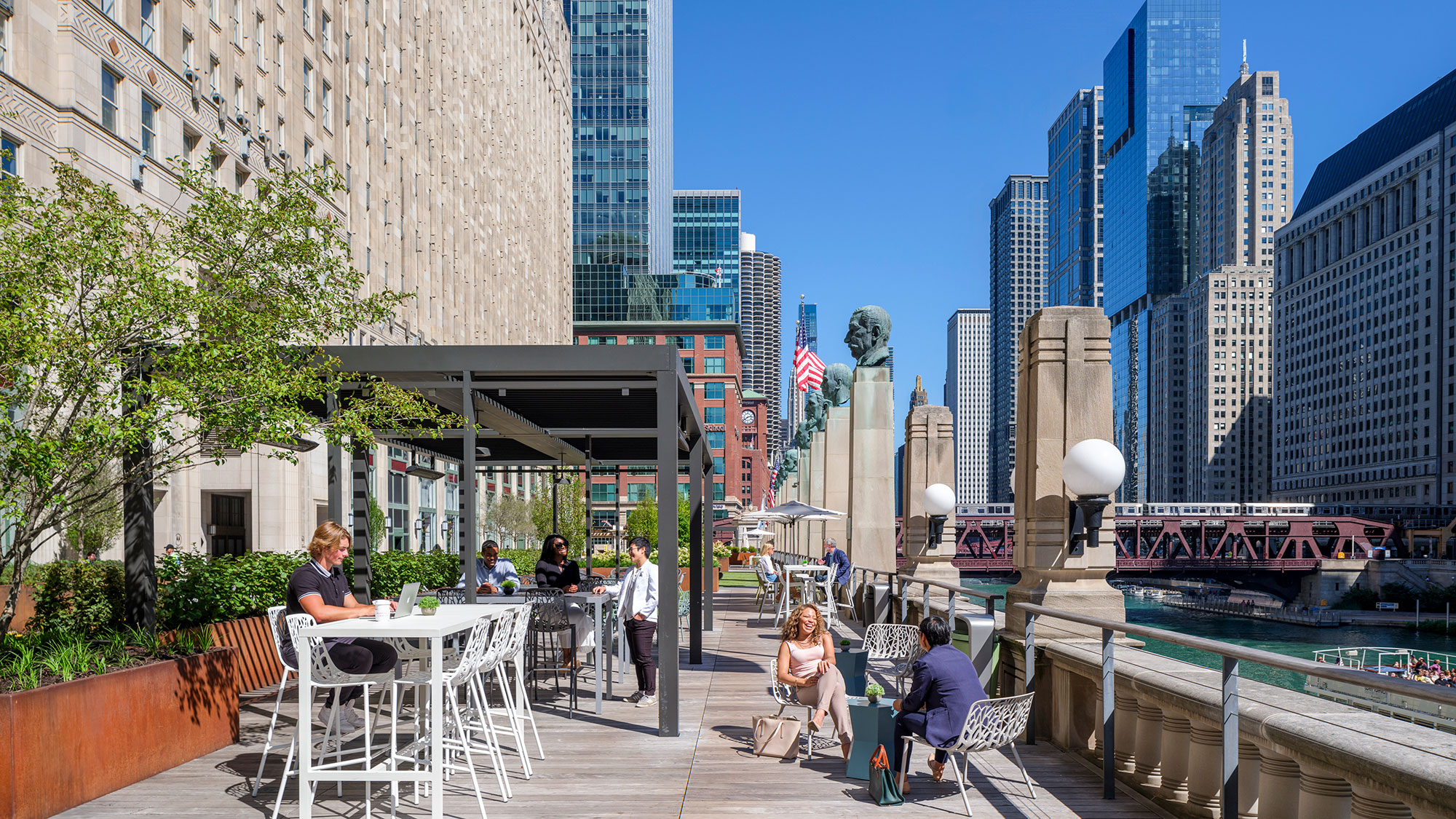
When a downtown is visually appealing, people slow down, explore more on foot, and stay longer. Cleanliness, landscaping, shade, seating, and activated ground floors all contribute to the kind of environment where a quick errand turns into an afternoon. These details signal stewardship — that someone cares for the space — and that sense of care has a direct effect on how safe people feel. Dollars spent on streetscapes and the visual quality of the built environment pay dividends in dwell time, foot traffic, and the emotional connection that keeps residents coming back.
3. Activities and Events
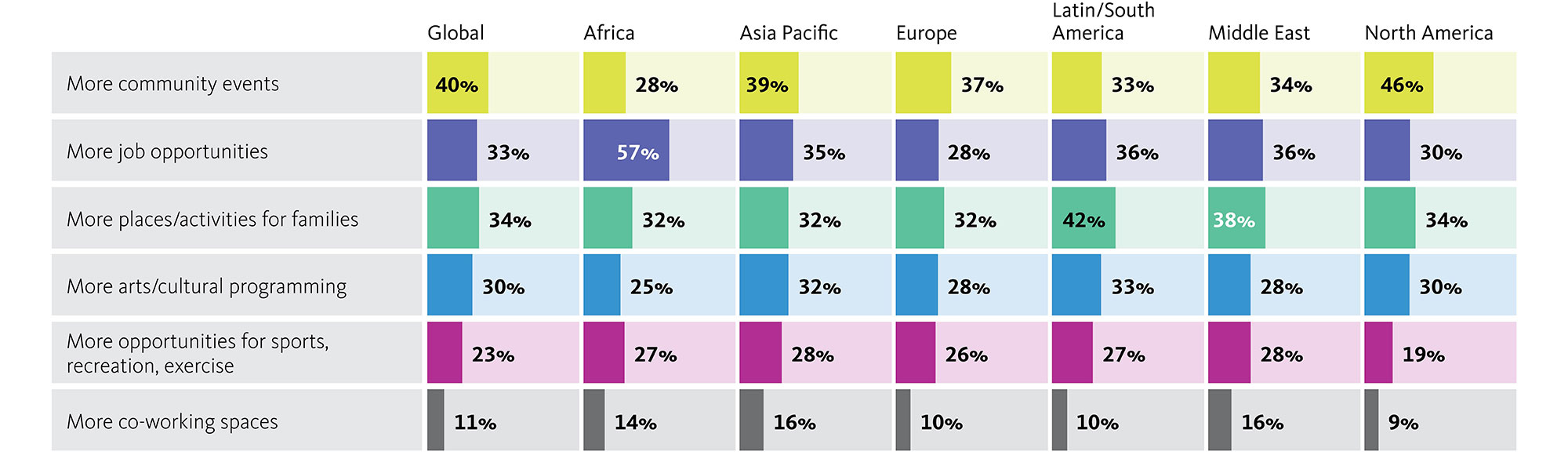
Globally, the most in-demand downtown additions are community events — festivals, markets, parades, open streets — along with independent shops and cafés at street level. The reason is straightforward: residents build attachments to downtowns that have authentic character, not ones that feel generic.
Local businesses and community events give a district its sense of place and provide residents with a reason to return throughout the week rather than just on special occasions. Programming and leasing decisions guided by local demand are more likely to generate the consistent foot traffic that sustains a downtown's long-term economic health.
4. Good Lighting
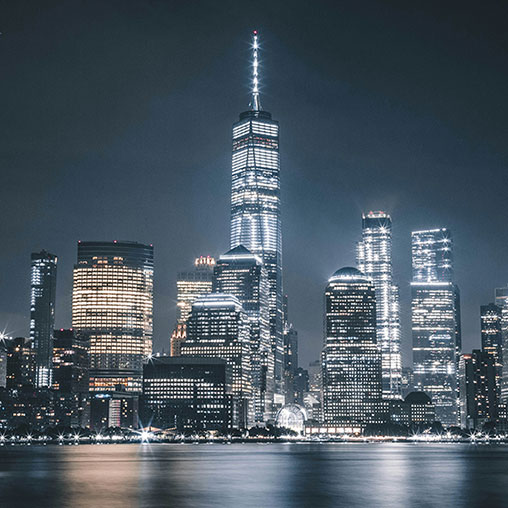
Lighting is foundational infrastructure, but it can function as so much more. Well-lit streets signal safety, make a place feel welcoming beyond 9-to-5, and shape the character of a place after nightfall. This is core to after-hours activation, which is critical to CBD success. Cities that invest in lighting as part of a broader activation strategy are investing in one of the highest-return-on-investment interventions available to urban planners and developers.
5. A Sense of Personal Safety
Safety is the prerequisite that makes everything else possible. People will not linger in a place where they feel unwelcome or at risk. The barriers to feeling safe are not purely physical. Social friction, where residents feel excluded based on income, background, or identity, has the same deterrent effect as poorly lit streets or visible disorder.
Vibrancy and dwell time reinforce one another in ways that compound over time. The presence of people makes a place feel safer. A safer place feels more welcoming. A more welcoming place attracts more people, who stay longer, and make the district feel more alive. This is the feedback loop that transforms a business district into a genuine civic asset.
The cities that get this right create the physical, programmatic, and social conditions that make people want to stay. When residents linger longer and return more often, the economic and cultural benefits extend well beyond downtown itself.
Explore the full report to learn more strategies for building the magnetic downtowns of the future: City Pulse 2026: The Downtown Report.
For media inquiries, email .