Every Brain, Every Block: Why Neuroinclusive Urban Design Matters for Modern Cities
We explore why urban environments exclude neurodivergent people — and outline key strategies for creating cities that perform better for everyone.
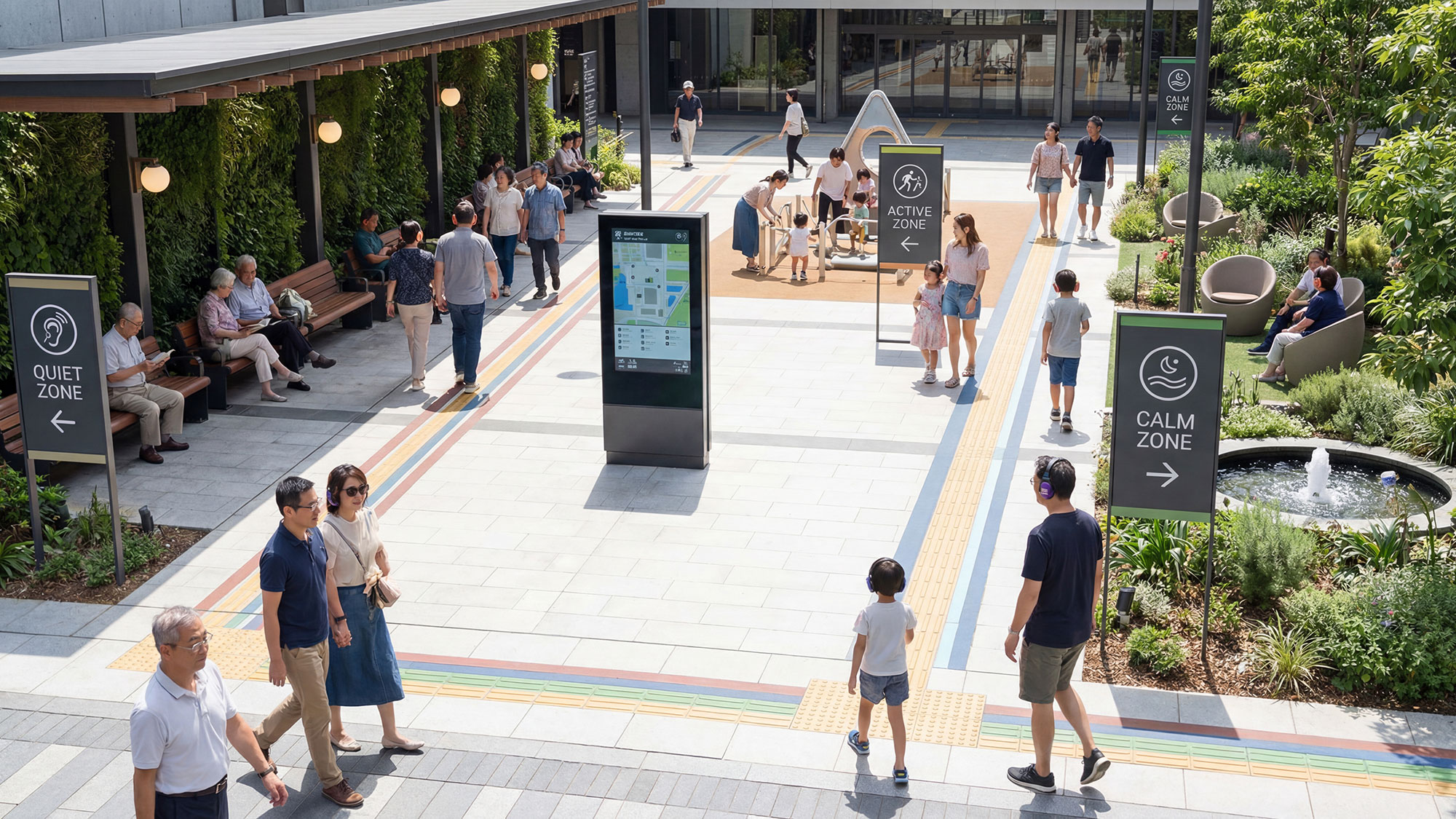
Picture this: you step into a busy train station at rush hour. Announcements overlap and echo through the hall. Digital screens flash with competing messages. People move unpredictably in every direction. Signage is everywhere and yet somehow nowhere when you need it most. For some, this is a minor inconvenience. For others, it is overwhelming, disorienting, and reason enough to turn back altogether.
This is not a fringe experience. It is the daily reality for millions of people navigating environments that were never designed with their brains in mind.
Urban design has long prioritised movement, density, and efficiency. But in doing so, it has largely ignored cognitive diversity — the different ways people perceive, process, and respond to their surroundings. If cities are to be truly inclusive, this oversight can no longer be considered accidental. It must be addressed as a core design challenge.
The Overlooked Urban Majority
Neurodiversity encompasses a wide range of cognitive conditions, including ADHD, autism, sensory processing differences, and anxiety-related conditions. Collectively, these are estimated to affect between 15% and 20% of the population — a figure that underscores how mainstream, rather than marginal, these needs are.
Yet unlike physical accessibility, which has seen meaningful progress through ramps, lifts, and step-free access (benefitting more than just the physically disabled), cognitive accessibility remains largely absent from mainstream urban design. Neuroinclusive design features like clear wayfinding, sensory zoning, and predictable navigation allow urban design to work better for everyone.
When Cities Overwhelm
Urban environments are rich in stimuli. That is part of their appeal, but it is also part of the problem. Noise pollution from traffic, construction, and public announcements creates a constant auditory load. Visual clutter from advertisements, signage, architectural complexity, and light pollution competes for attention. Wayfinding systems are often inconsistent or overly complex.
For neurodivergent individuals, these factors can combine into sensory overload. The cognitive effort required to filter information, make decisions, and stay oriented can quickly lead to fatigue, anxiety, and, in some cases, complete disengagement.
Four Strategies for Designing Cognitively Inclusive Cities
Designing for neurodiversity does not require radical reinvention. It requires a shift in priorities: towards cognitive accessibility as a standard, not an exception. At its core, this means creating environments that reduce unnecessary cognitive load and support intuitive navigation.
Here are four strategies:
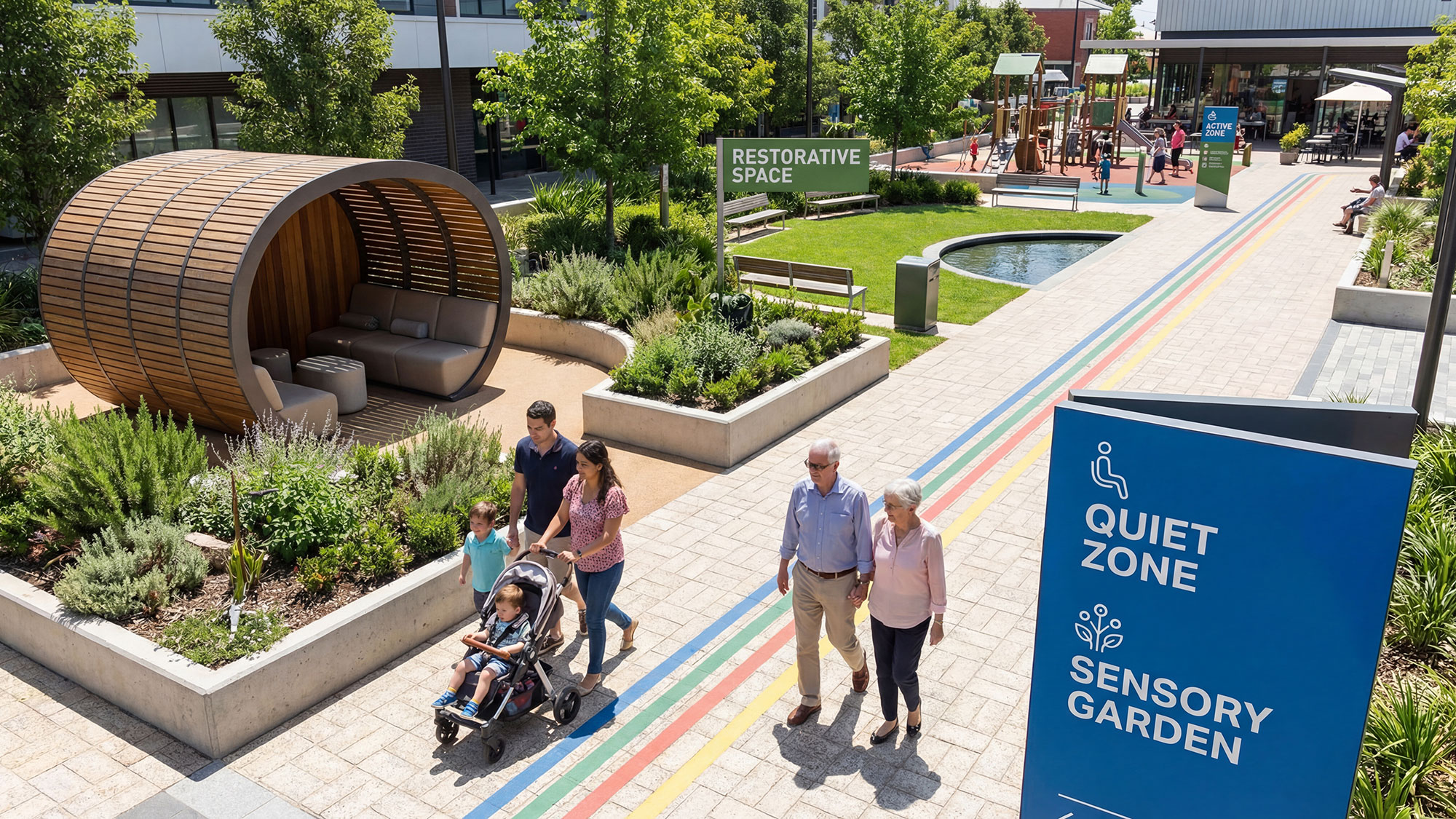
1. Predictable navigation is a key principle. Spaces should follow clear, consistent logic, allowing users to build mental maps easily. When layouts are intuitive, people spend less time figuring out where they are and more time engaging with what’s around them.
2. Visual clarity is equally important. This doesn’t mean stripping environments of character but rather reducing competing signals. Signage should be legible, consistent, and strategically placed. Information should be prioritised, not layered chaotically, and with a strong emphasis on consistent colour coding.
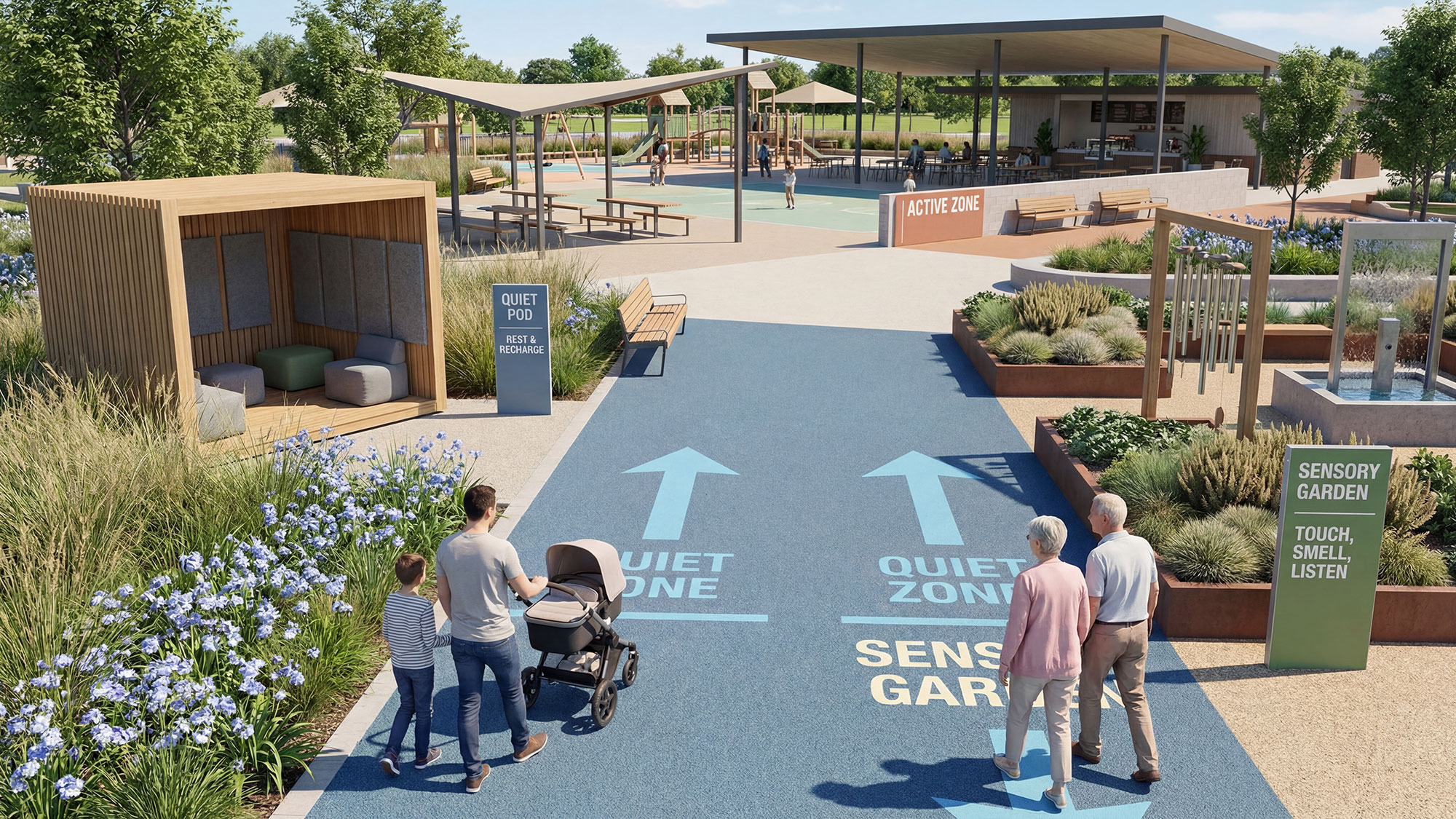
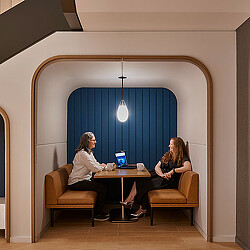
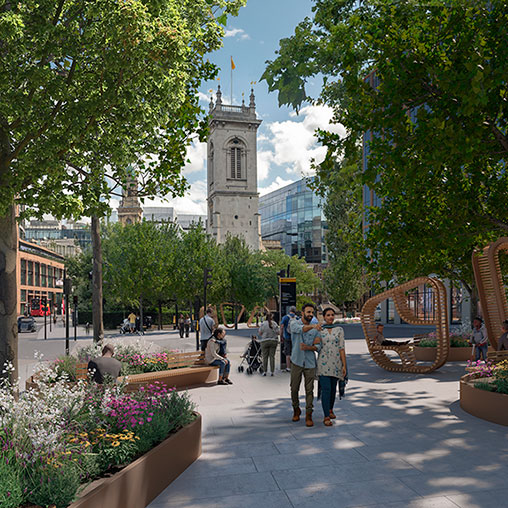
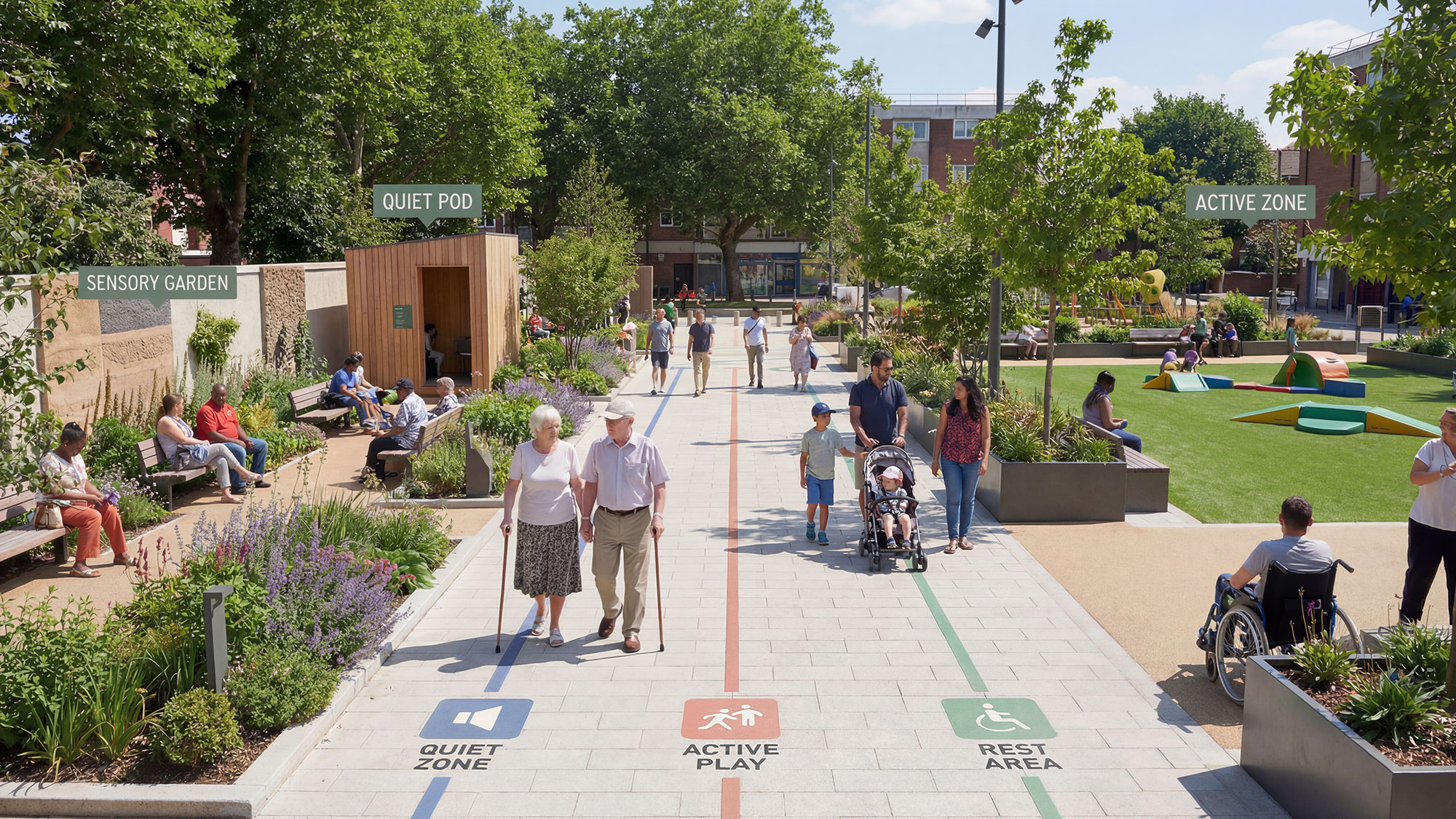
3. Sensory zoning offers another powerful tool. Not every space needs to be calm, but there should be a balance. Clearly defined quiet areas alongside more active zones give people the agency to choose environments that match their needs in the moment. Restorative spaces — green areas, quiet corners, places to pause — are essential. They provide opportunities to reset, reducing stress and enabling longer, more comfortable engagement with the city.
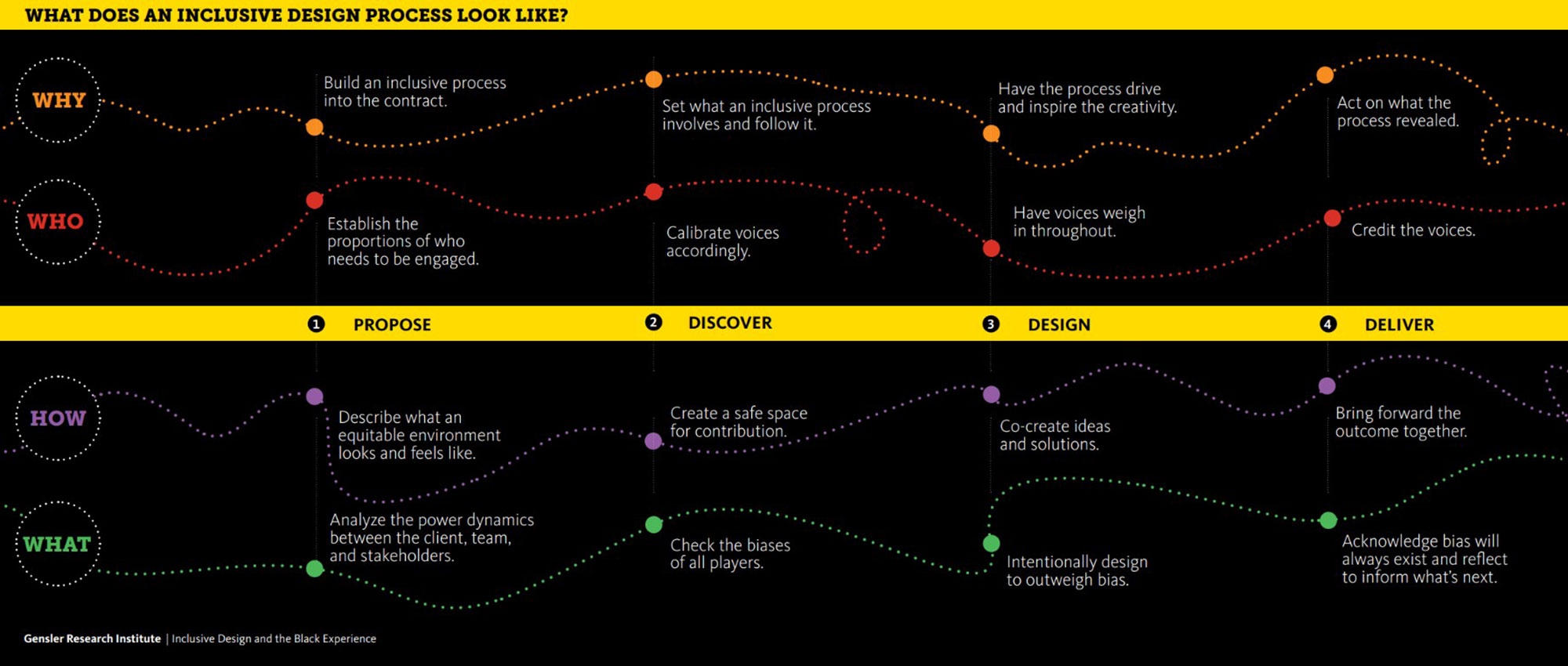
4. Inclusivity should also be built into the planning process itself. Engaging neurodiverse individuals early and throughout design development leads to environments that are more intuitive, resilient, and user-oriented.
The Business Case for Neuroinclusive Design
Beyond the social imperative, neuroinclusive design delivers clear economic value. Cities thrive on participation. When people feel comfortable in an environment, they stay longer, explore more, and spend more. When they feel overwhelmed, they leave.
By reducing cognitive barriers, urban spaces can increase footfall and extend dwell times across retail, leisure, and hospitality sectors. Businesses benefit from a broader and more engaged customer base.
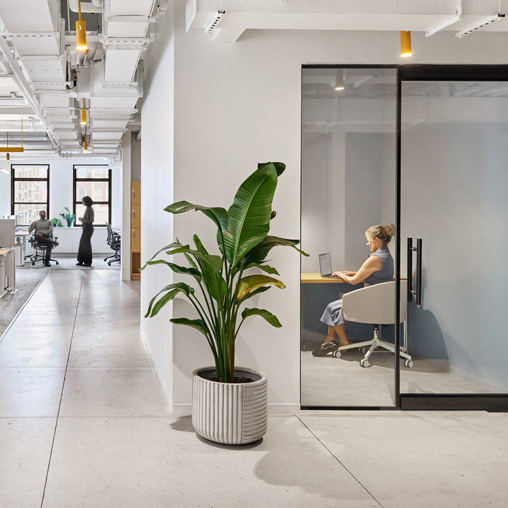
There is also a workforce dimension. As organisations increasingly recognise the value of neurodiverse talent, the environments in which people work become critical. Offices, transport systems, and public infrastructure that support cognitive well-being can improve productivity, retention, and overall job satisfaction.
Why Neurodiversity Can’t Remain an Afterthought
If we are serious about building inclusive cities, neurodiversity cannot remain an afterthought. It must be embedded into the foundations of how we design, plan, and evaluate urban environments.
For designers, this means expanding the definition of accessibility to include cognitive experience. For developers, it means recognising that inclusive environments drive long-term value. For policymakers, it means setting standards that reflect the full spectrum of human needs.
Moments like Neurodiversity Month in April and Disability Pride Month in July offer important opportunities to raise awareness. But awareness alone is not enough. What matters now is translating insight into action — into guidelines, policies, and built outcomes that reflect the full spectrum of how people experience the city.
For media inquiries, email .