Neurodiversity in the Workplace: Why the Experience Gap Matters
Our research reveals a hidden sensory gap that quietly erodes the focus, energy, and well-being of neurodivergent employees — and why closing it benefits everyone.
Traditional inclusive design and accessibility practices have centered on physical and sensory disabilities — those that affect people’s abilities to move, see, and hear in the built environment. This work has been essential. But it has also anchored the field in a model where inclusion is tied to how the body moves through space.
Our research demonstrates that this focus, while necessary, is incomplete. Inclusive design cannot fully serve people unless it also accounts for how the brain perceives, processes, and responds to the environments we create. In recent years, inclusive design has expanded to more intentionally address the ways in which the diversity of our needs intersect. Bringing neurodiversity into the conversation builds on that, further extending inclusive design from physical accessibility to a truly holistic understanding of human experience and well-being.
It moves us from asking “How does the body navigate this space?” to “How does the whole person — brain and body — experience this environment over time?”
Key Finding: The Experience Gap
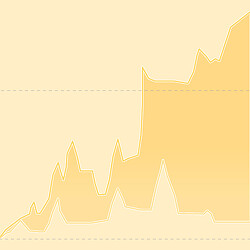
A key finding from our research is what we call “The Experience Gap”: the measurable difference between how neurodivergent and neurotypical individuals experience sensory inputs in the workplace over the course of a day. Sensory experiences are cumulative. Inputs such as harsh lighting, unwanted noise, visual clutter, frequent interruptions, and even time pressures don’t occur in isolation — they can accumulate throughout the day. As the day unfolds and inputs continue to register, the growing sensory load can steadily erode a person’s ability to reset to a baseline comfort level.
Our research found that both neurodivergent and neurotypical individuals encounter sensory overload at work. But neurotypical individuals generally recover more quickly, and these challenges are less likely to impede their executive functioning across the full workday. Neurodivergent individuals, however, must expend substantially more energy to return to a baseline comfort level in exactly the same environment.
In the workplace, where sustained executive functioning is central to knowledge work, differences in how people experience sensory input through their environment can have an outsized impact. Executive functions are the mental processes that allow us to plan, organize, regulate behavior, and complete tasks. They act as the brain’s management system — supporting focus, flexibility, emotional regulation, and the ability to process information efficiently throughout the day.
Neurodivergence often encompasses systematic differences across one or more of these cognitive domains. In practice, this means that executive functioning capacity is not uniform, and that environmental demands can either support or significantly strain it.
Over time, the ongoing effort to reduce sensory load competes directly with executive functioning — drawing resources away from focus, flexible thinking, emotional and energy regulation, and working memory. The Experience Gap exists even when the workplace appears to function “fine” for the majority.
Why the Invisible Nature of the Experience Gap Matters
One of the most critical aspects of the Experience Gap is that it is largely invisible. Because the gap cannot be readily observed, workplaces frequently underestimate the accumulated sensory burden neurodivergent employees experience. This invisibility has several important implications:
1. It obscures the real causes of performance differences.
When the struggle is invisible, its effects are often misattributed. A neurodivergent employee may appear fatigued, unfocused, or withdrawn — not because of ability or motivation, but because they are managing a compounding sensory load that others cannot see. Without awareness of this dynamic, teams may misinterpret these signs, reinforcing bias and misunderstanding.
2. It increases the emotional and cognitive burden on neurodivergent individuals.
To meet expectations shaped around neurotypical baselines, many neurodivergent employees feel compelled to mask — suppressing or concealing sensory discomfort to appear calm and capable.
In environments not designed for diverse sensory profiles, masking creates a double load: neurodivergent individuals must manage the environment’s sensory challenges while simultaneously hiding their effects. Research participants described this sustained effort as “extremely draining,” noting that it steadily erodes creative and cognitive capacity as the day advances.
3. It delays or prevents meaningful design intervention.
Organizations often don’t recognize the built environment as a source of the problem. The sensory impacts of lighting, acoustics, space transitions, and coworkers’ behaviors create invisible barriers that place an inequitable burden on neurodivergent employees to adapt to their environment, rather than providing an environment that adapts to their needs. Relying on visible signs of struggle will always be too late.
What This Means for Workplace Design
Closing the Experience Gap requires more than one-off fixes or isolated accommodations. It calls for a shift in workplace design, away from assuming a single “average” experience towards environments that support a range of sensory and cognitive needs over time.
From static solutions to layered, sensory-aware environments
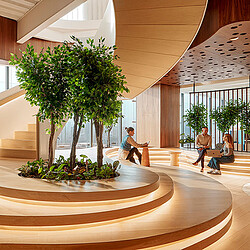
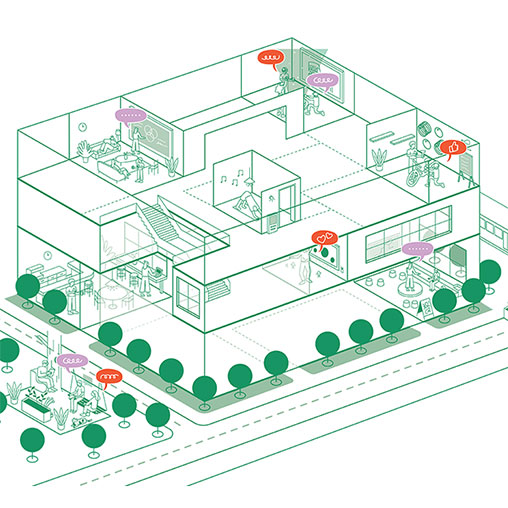
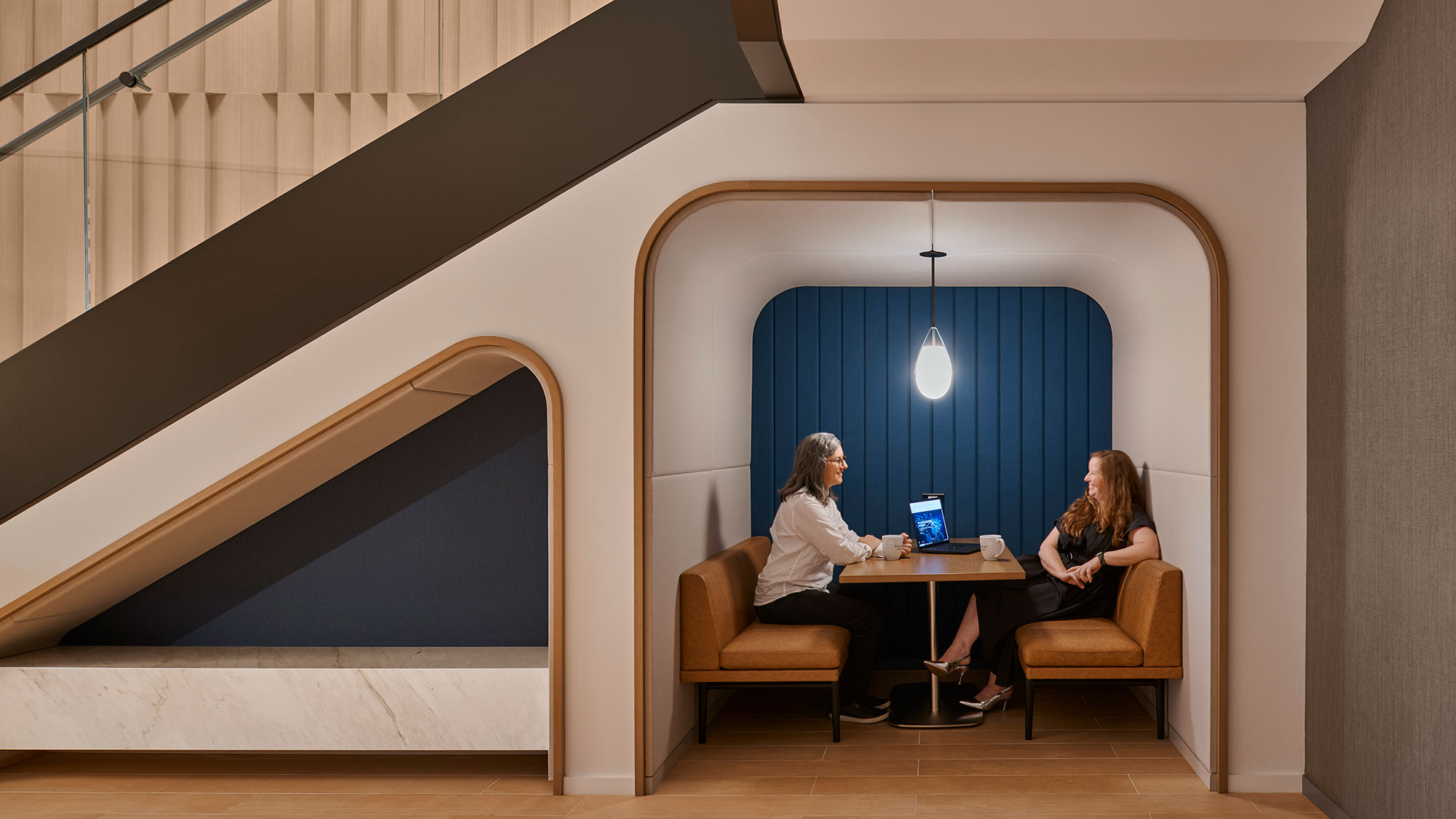
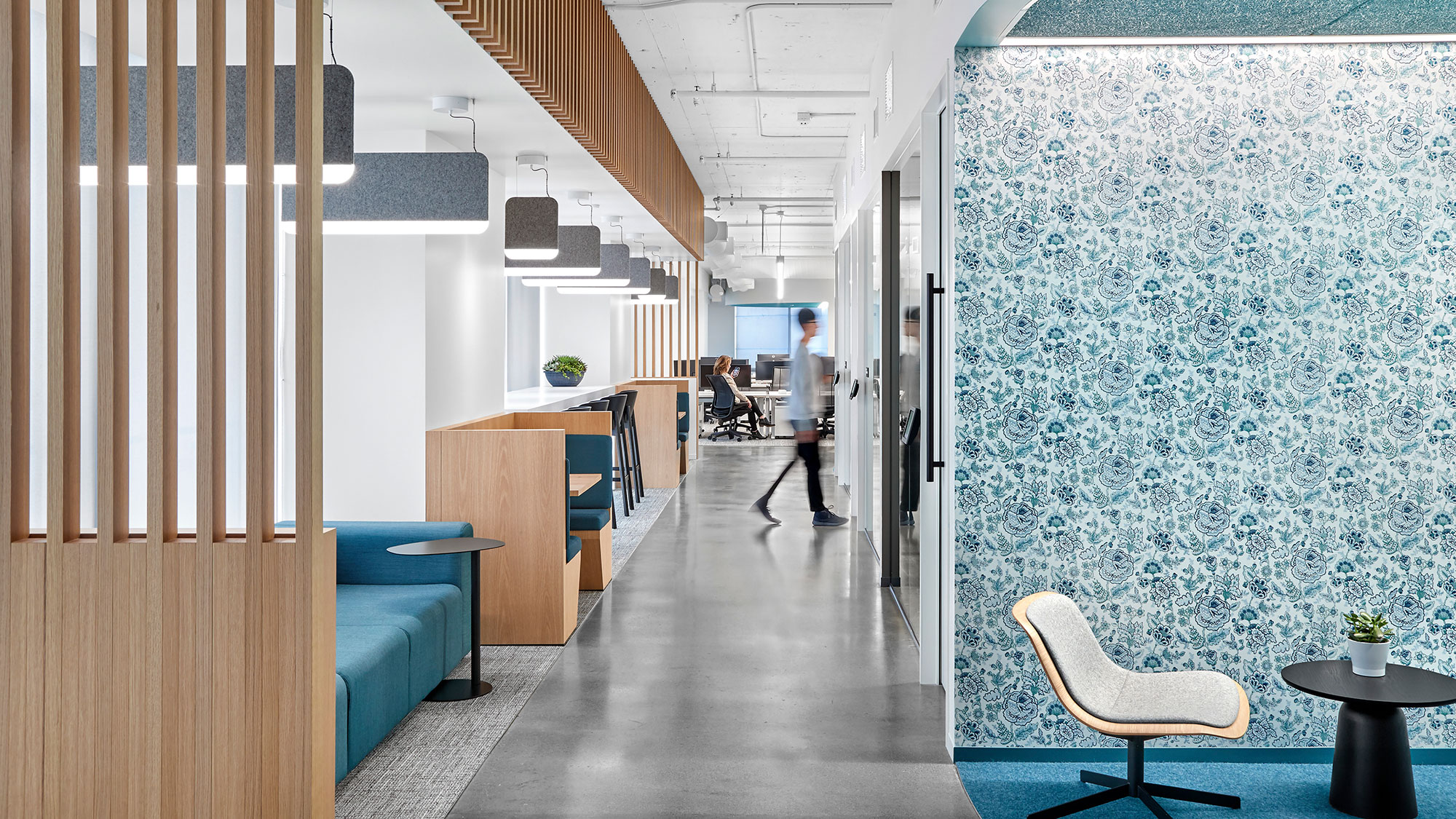
Lighting, acoustics, layouts, finishes, color, furniture, and wayfinding all contribute to sensory load. When these elements are addressed in isolation — with a single low-sensory wellness room, for example — the combined impact of sensory inputs across the workplace can still be overwhelming. When neuroinclusive design solutions are part of a larger system, and are layered intentionally, they can work together to reduce stress and support sensory well-being.
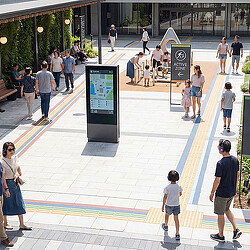
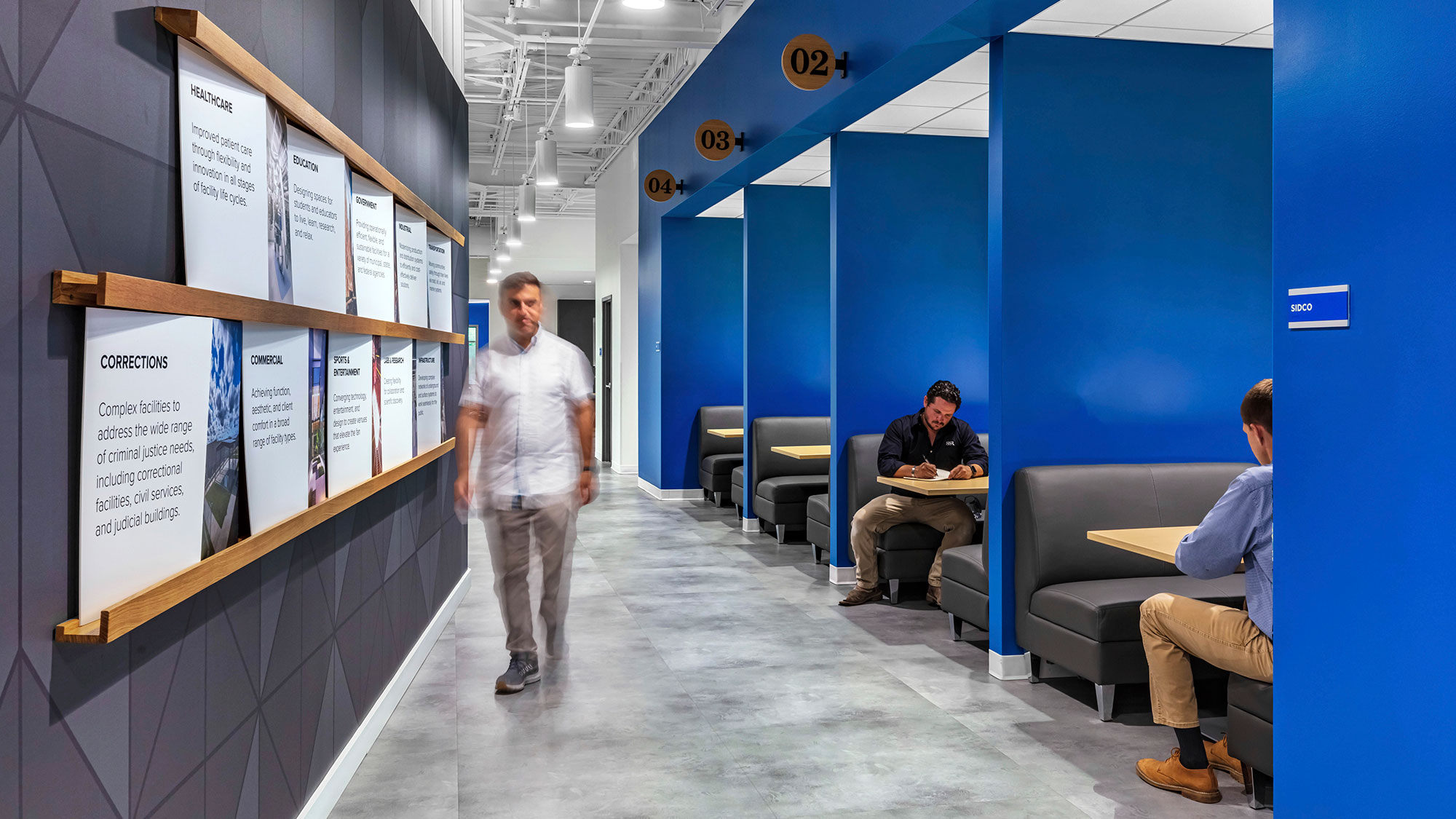
This thinking also applies to how people move through and understand space. Workplaces that are predictable and legible — with clear activity zoning, intentional transitions, logical circulation, consistent design language, and intuitive wayfinding — can reduce cognitive load.
From flexibility to choice
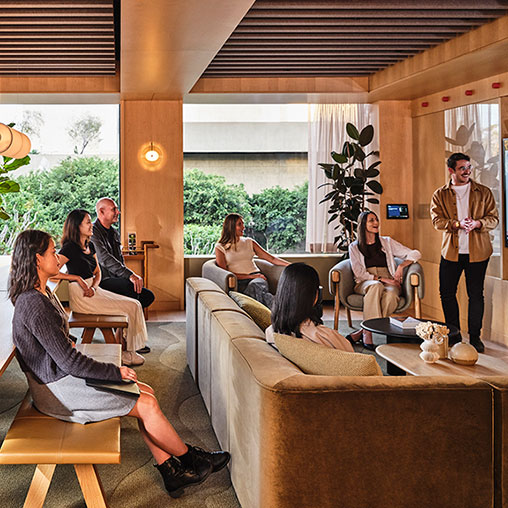
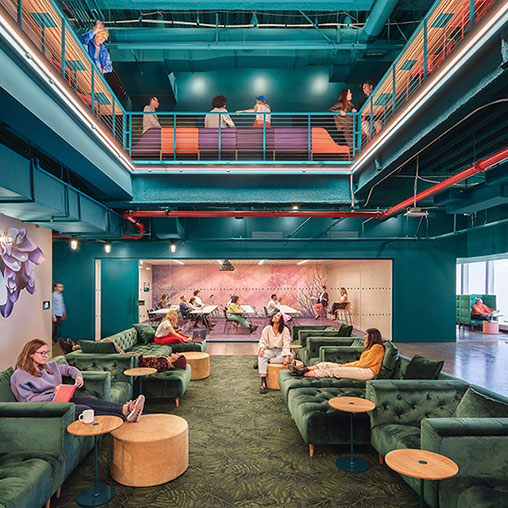
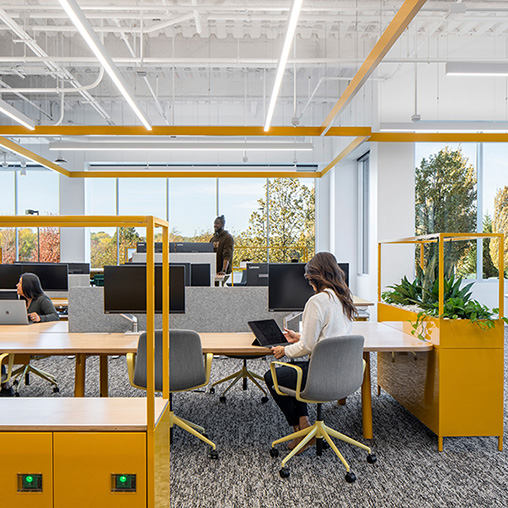
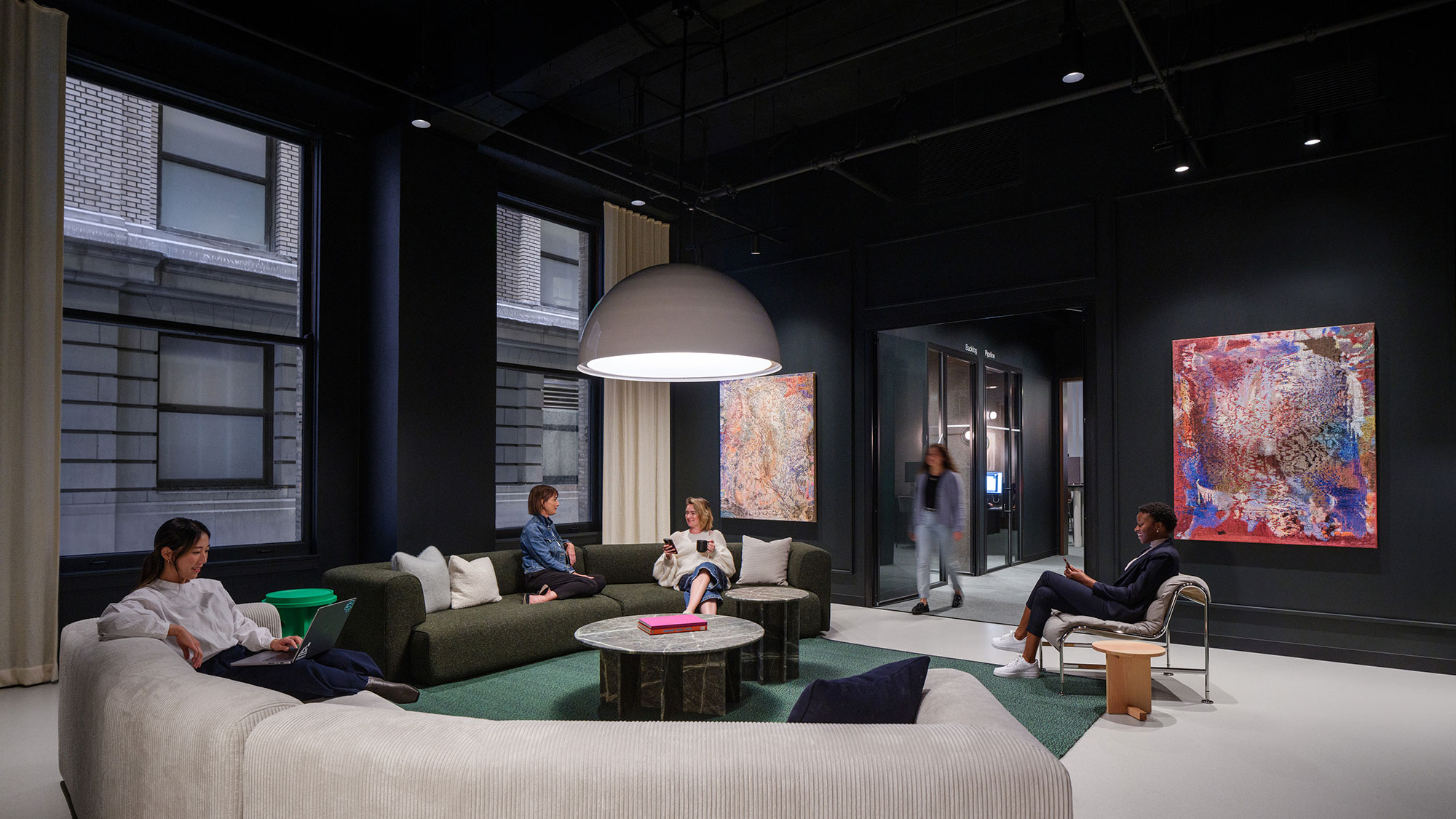
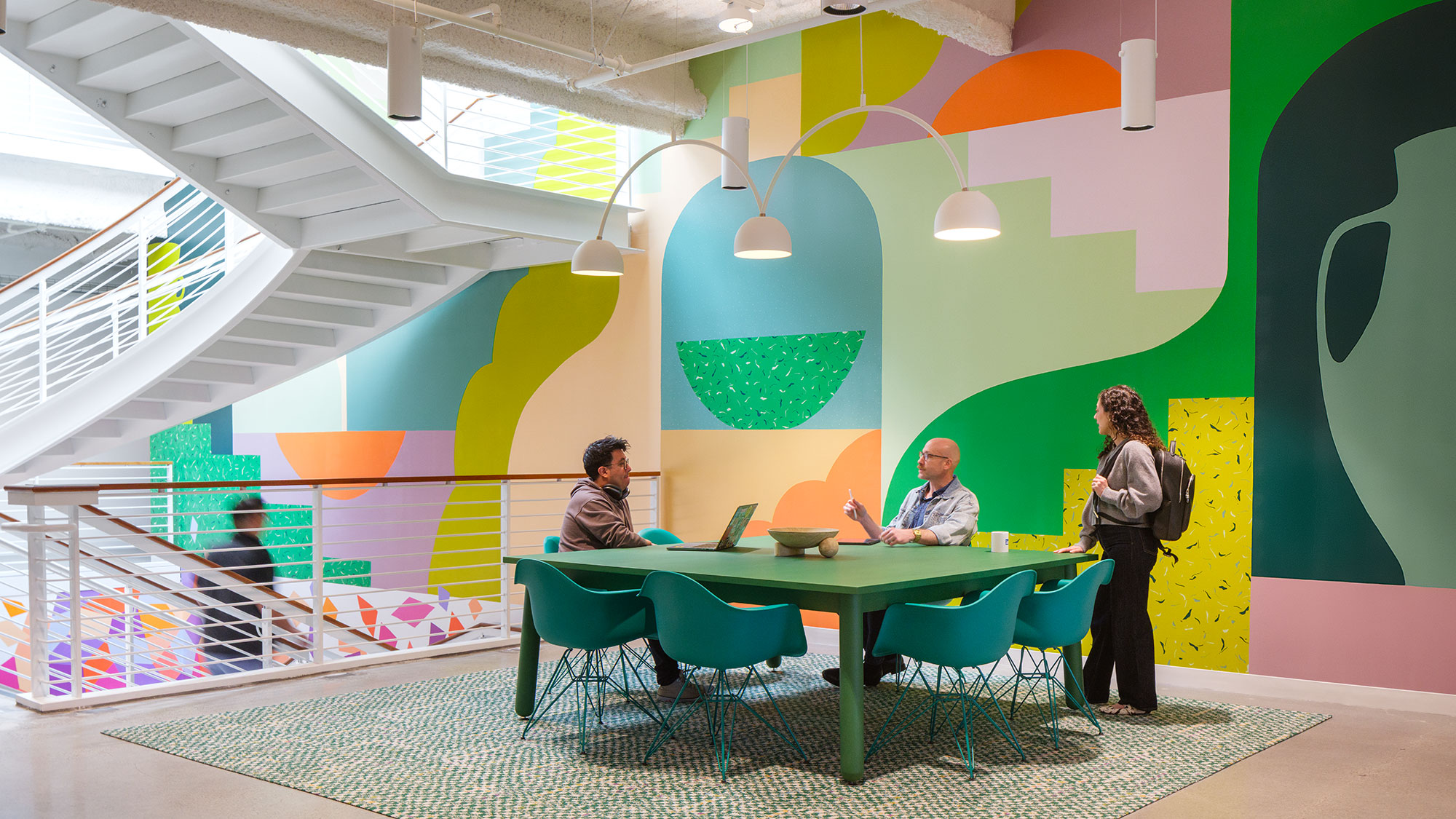
Flexibility alone is not enough. Choice only becomes inclusive when the options offered are meaningfully different in sensory experience. Workplaces should provide environments with distinct sensory profiles: quieter, softer, more enclosed, or visually calm spaces alongside more social, energetic, or stimulating spaces. This variety allows individuals to self select environments that match their sensory needs as those needs shift throughout the day. Rather than forcing people to adapt themselves to a single dominant environment, the workplace adapts to the variability of human needs.
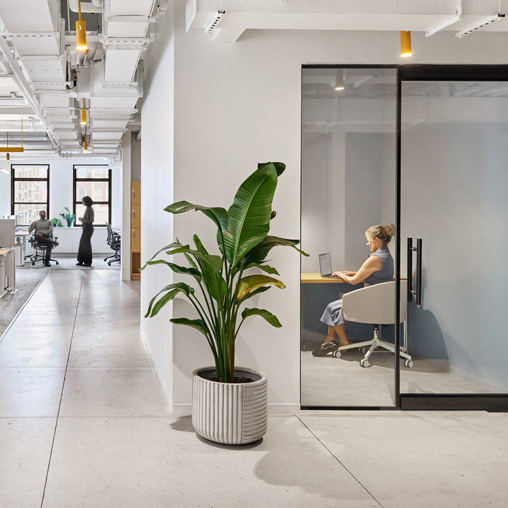
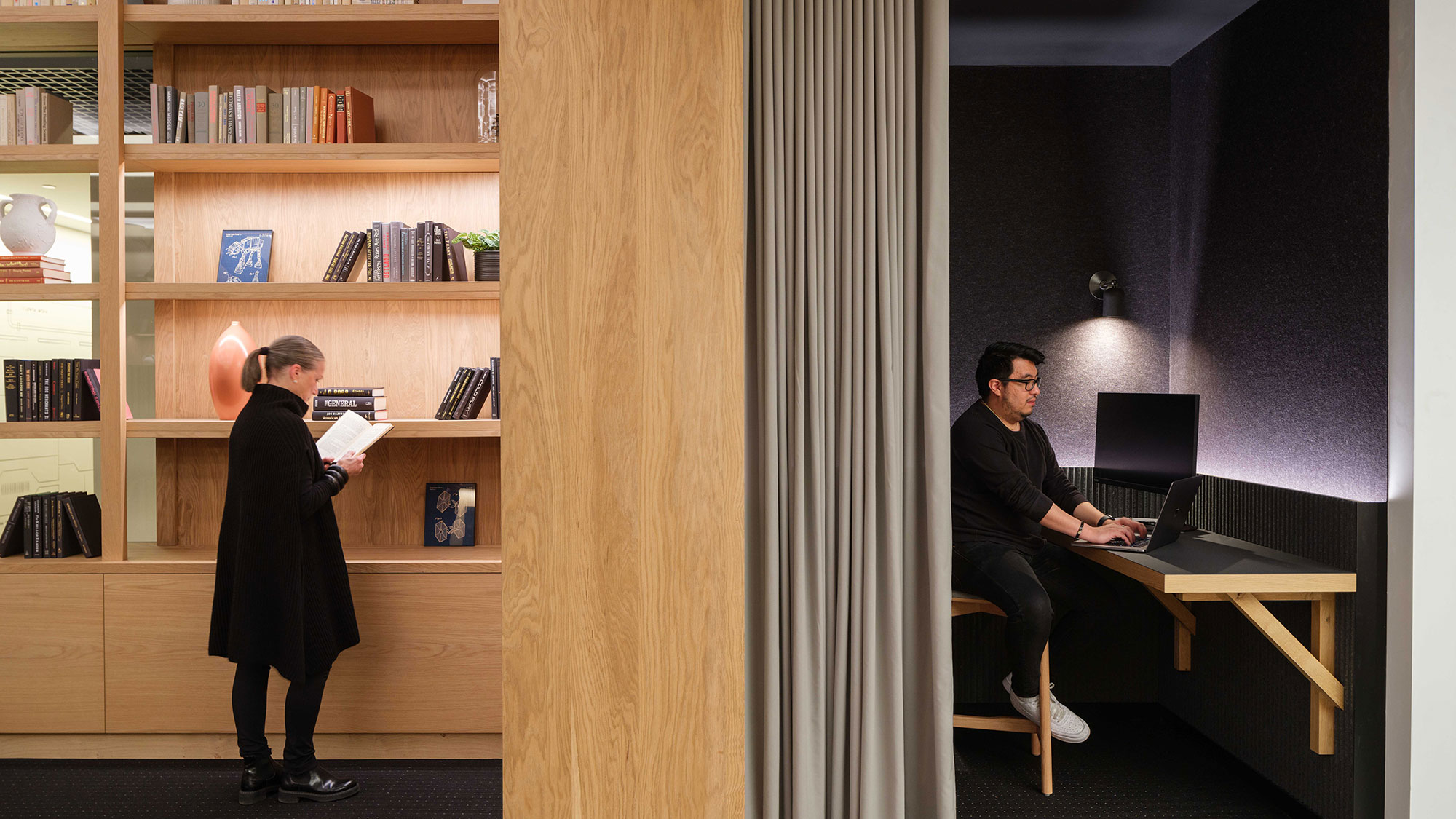
Designing for recovery is equally critical. Quiet zones and spaces to step away allow people to recharge before sensory overload compounds. Regular access to low stimulus spaces helps interrupt the sensory accumulation that drives the Experience Gap.
Designing for neurodiversity is designing for well-being
Neurodivergent experiences make visible a truth that often goes unaddressed: environments can quietly deplete energy, heighten stress, and erode well-being over time, even when they appear to function well on the surface.
When workplaces are designed around neurotypical baselines, they often reward endurance and the ability to tolerate high sensory demand. By contrast, neuroinclusive design recognizes that movement, withdrawal, quiet, and environmental adjustment are forms of wellness regulation rather than disengagement.
Designing for neurodivergent experiences challenges us to consider whether spaces help people function sustainably or simply ask them to mask discomfort. In doing so, it also supports many other lived experiences, including stress, fatigue, mental health challenges, sensory changes over time, or temporary overload. Neurodiversity reveals where environments are hardest on the brain, making visible the stressors that affect everyone to some degree.
In this way, designing for neurodiversity is designing for all. The sensory stressors that may overwhelm neurodivergent individuals are the same ones that quietly fatigue everyone else. Addressing sensory load is a strategy for improved well-being, engagement, and performance at scale.
As organizations invest more deeply in well-being strategies, the programs and policies that succeed will ask how the environment supports the whole person — brain and body. Closing the Experience Gap is an investment in long term wellness for all employees.
Download the full report to learn more.
For media inquiries, email .