Climate change is a major risk to global cities, but few are prepared to face it.
The percentage of residents in each city and climate zone who believe climate change poses a major risk to their city, compared with the percentage of residents who believe their city is doing well on “Climate Disaster Preparedness.”
Sort by:
Nearly 90% of Gensler’s carbon footprint comes from indirect Scope 3 emissions, primarily Capital Goods and Purchased Goods & Services.
The total estimated carbon footprint of all Gensler offices and the sources of these emissions in 2025. Data includes estimated emissions from 56 Gensler offices. Scope 1 emissions come directly from fuel burned at a building site. Scope 2 emissions come indirectly from purchased energy used at the building site. Scope 3 emissions are all other indirect operational emissions.
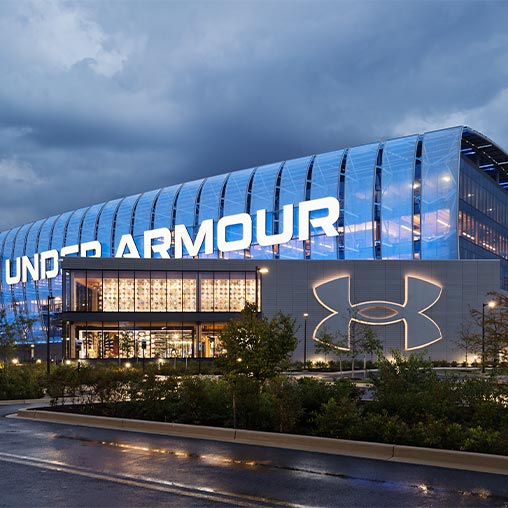
Under Armour Global Headquarters
Baltimore, Maryland
Gensler collaborated with Under Armour to design a groundbreaking headquarters and destination for collaboration, athletic excellence, and community connection.
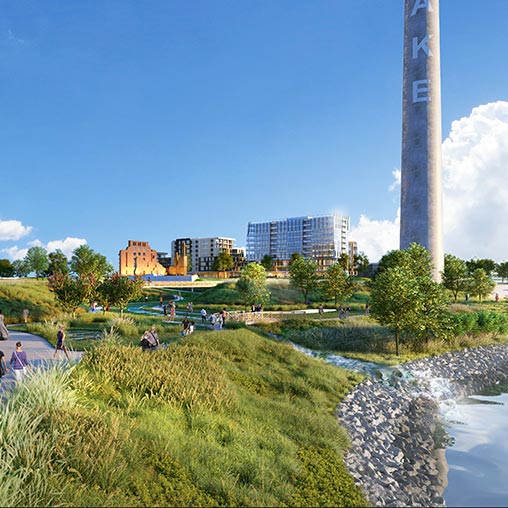
Avon Lake Renewable Master Plan
A decommissioned power plant was converted into a community amenity through land remediation and economic development strategies that breathe new life into the stranded asset.
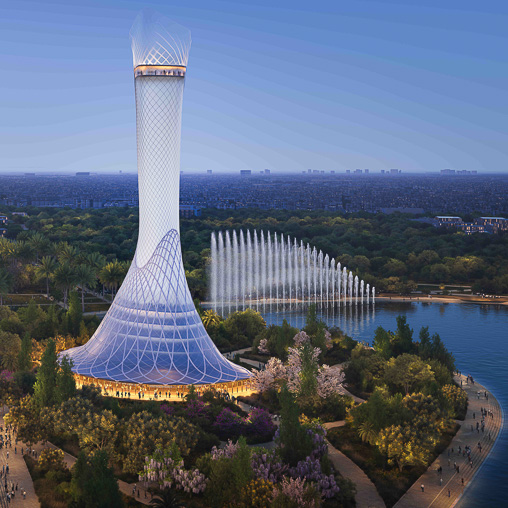
Baghdad Sustainable Forests
Baghdad, Iraq
Baghdad Sustainable Forests is the largest ecological development in Iraq, designed to restore the land and renew the city’s identity.
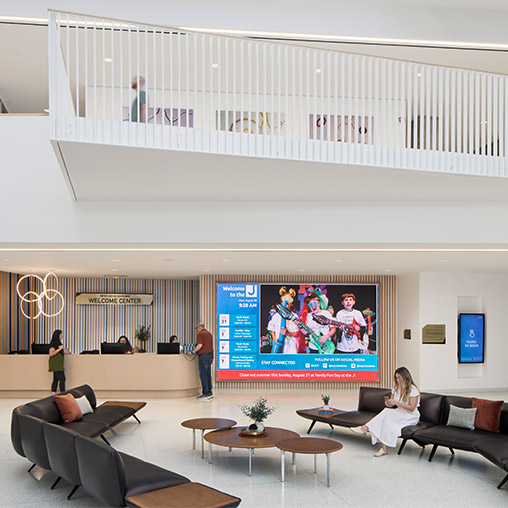
Evelyn Rubenstein Jewish Community Center of Houston
Houston, Texas
Gensler created a vision to revitalize the Evelyn Rubenstein JCC campus in Houston that encompasses both renovations and an expansion.
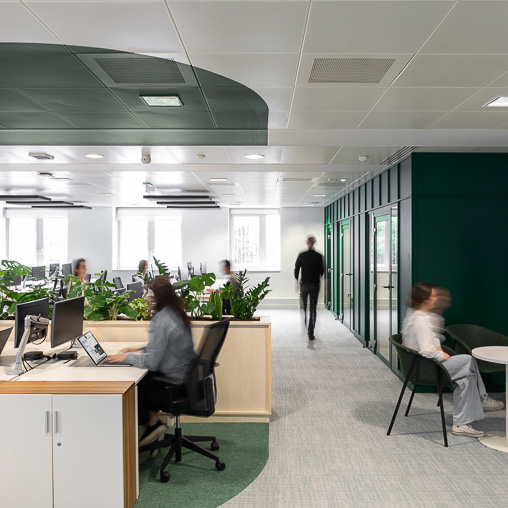
Korn Ferry Paris
Paris, France
Gensler embarked on a transformative endeavor to revamp Korn Ferry’s Paris-based offices and create an environment that serves as a true display of its brand.
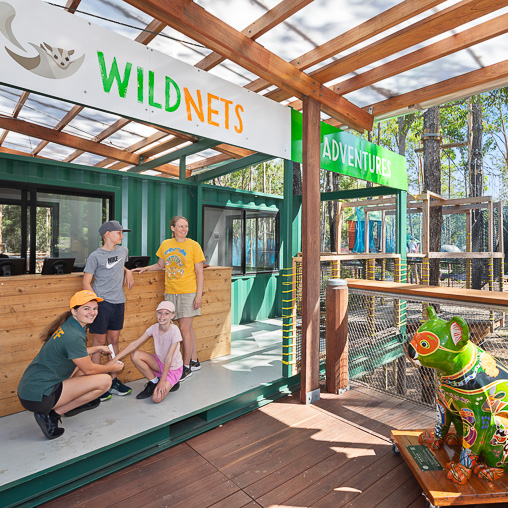
Guulabaa (Place of Koala)
Cowarra State Forest, New South Wales, Australia
Gensler is designing the front-of-house visitor experience for the nature-based tourism project, Guulabaa, or Place of Koala, in Cowarra State Forest.
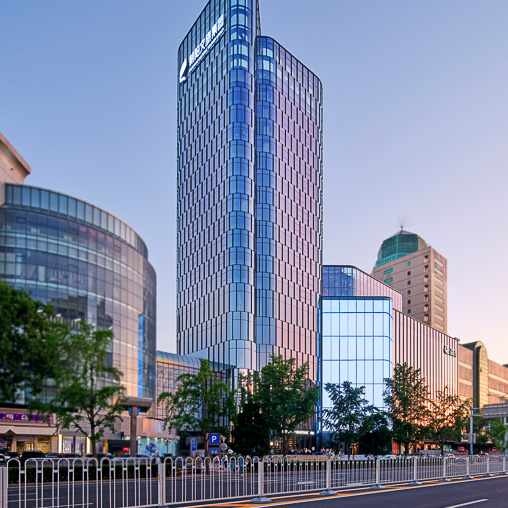
Kuntai Tower Renovation
Beijing, China
The renovation aims to rebrand Kuntai as a culture hub that creates stories of innovation, activates community connections, and creates a memorable experience.
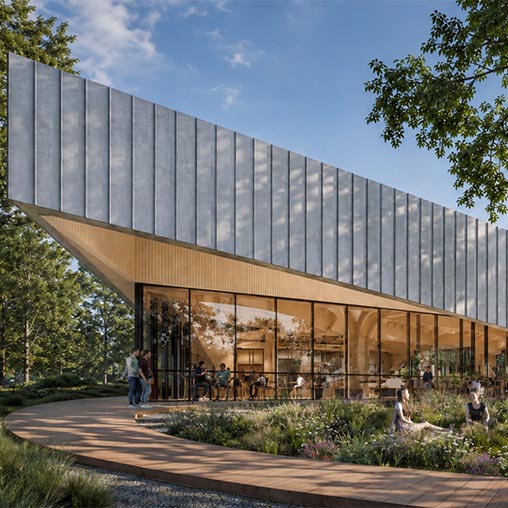
Westonka Library, Hennepin County
Mound, Minnesota
Hennepin County’s Westonka Library is a ground-up, net-zero public library in Minnesota. The 12,000-square-foot civic building uses geothermal and solar energy, natural wood materials, and daylight-filled spaces to support sustainability, accessibility, and community connection.
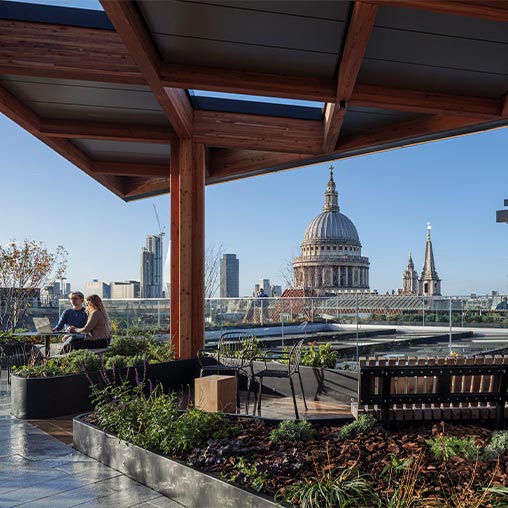
10 Gresham Street
London, United Kingdom
Gensler partnered with CBRE IM to reimagine 10 Gresham Street, an office building transformation that will usher in a new sustainable future in London.
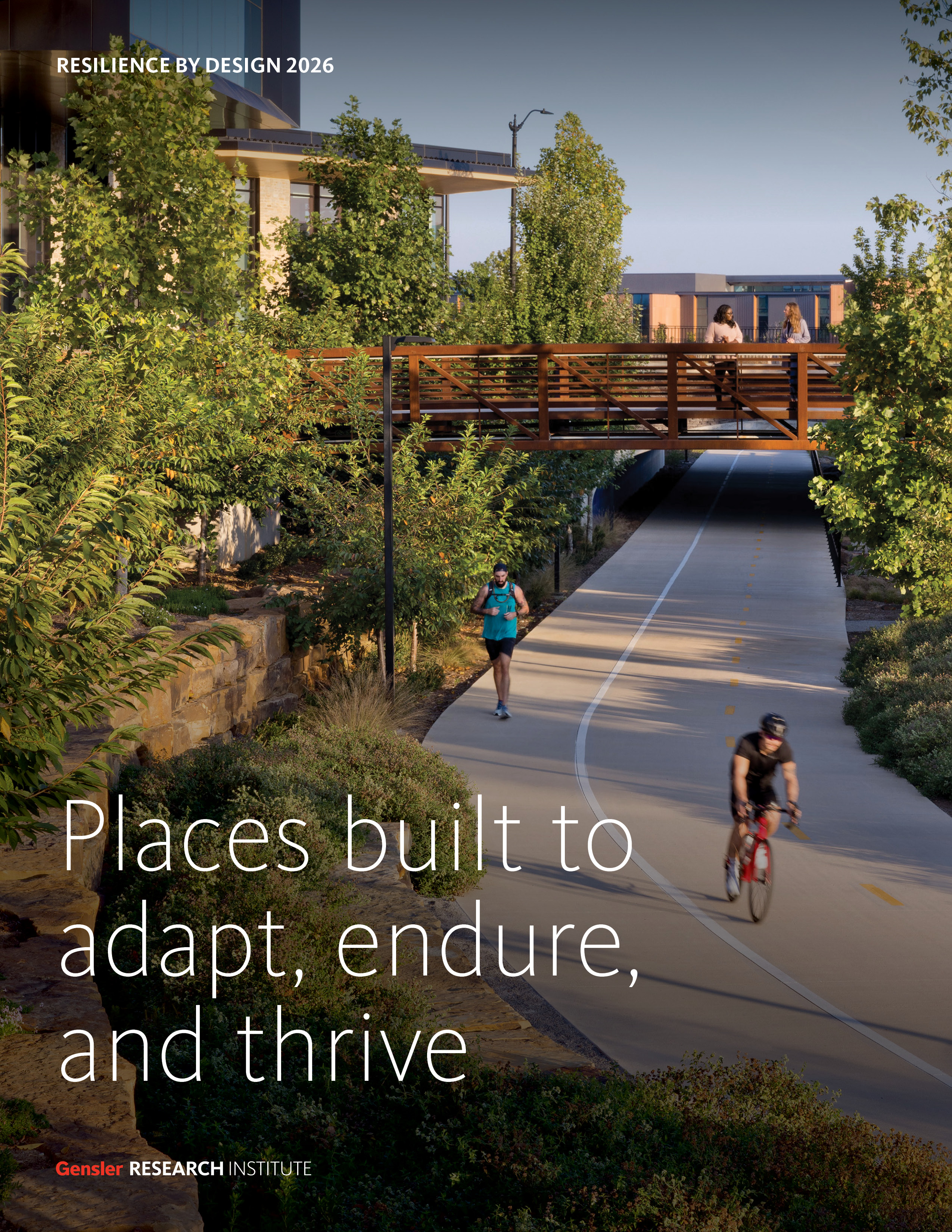
Download Gensler’s Resilience by Design 2026 to learn how the most innovative buildings are minimizing the risks posed by a changing climate, and even reversing the impacts felt by their communities.
