Why Nature Access Is the Most Powerful Design Lever for Hospital Staff Well-Being
Views of nature are a top predictor of workplace effectiveness in healthcare settings. Here’s how to deliver them.
We’ve long known that nature plays a vital role in human health and well-being. Yet many healthcare workers spend long hours in windowless, nature-deprived environments. Across hospital spaces, views of nature are a top predictor of workplace effectiveness, yet only 42% of clinicians report easy access to them, according to Gensler’s 2026 Healthcare Workplace Survey.
Our survey reveals that the stress of the hospital environment is the top reason providers plan to leave hospital work within the next three years, while providers with access to nature and outdoor amenities report less burnout, greater motivation, and greater job satisfaction. These benefits can strengthen patient care, retention, and organizational reputation.
In fact, two-thirds of the frontline healthcare providers we surveyed reported that they hope hospitals have outdoor areas and views of nature in the future, more than any other characteristic we asked about.
If we know how important nature is for staff, why isn’t it ubiquitous in hospital design? What strategies can hospitals implement — both in existing facilities and new construction — to make nature more accessible?
Nature Is Linked to Lower Burnout. So Why Is It So Hard to Find in Hospitals?
Despite overwhelming evidence that nature supports patient health and well-being, many hospital workers find themselves in environments with limited access to both views of nature and usable outdoor spaces. Only half of the providers surveyed report access to outdoor space, and of those with access, only 39% utilize the amenity in a typical week. Several interconnected challenges contribute to this persistent issue:
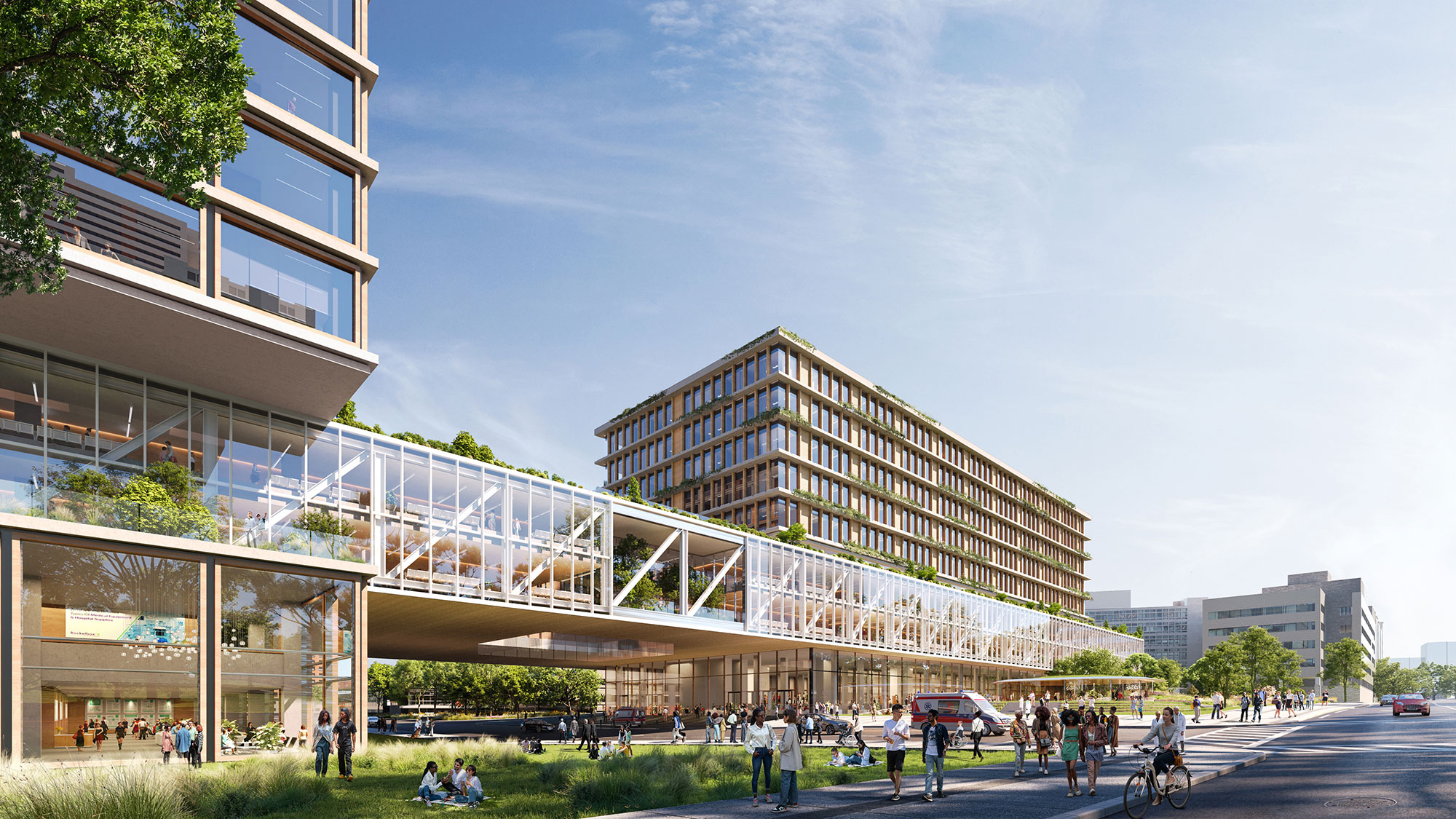
- Operational Efficiency and Building Depth: Modern hospitals prioritize operational efficiency, resulting in deep floor plates and below-grade levels. These layouts, while effective for flow, severely restrict daylight, views, and access to the outdoors for both patients and staff.
- Complex, Interconnected Campuses: As hospital campuses develop over time, campuses accumulate new buildings and expansions, creating a maze of interconnected spaces. This growth pushes interior spaces further from windows and eliminates outdoor areas that once offered staff respite, often because open land provides the easiest footprint for expansion.
- Patient-Centric View Allocation: Patient health is the hospital’s core mission, and decades of research link daylight and views of nature with improved patient outcomes. Hospitals prioritize these features for patient spaces, often pushing staff work areas to interior locations with limited access to windows and views.
- Limited and Inaccessible Outdoor Spaces: Even when outdoor spaces exist, they often sit far from patient care areas, making them difficult for staff to access during short breaks. In urban hospitals, outdoor areas may be small, poorly located, or absent altogether, further limiting opportunities for respite.
- Outdoor Spaces Prioritized for Patients and Families: When outdoor areas are available, they often center around patient and family needs. Staff may feel discouraged from using these spaces, reducing their ability to benefit from nature during the workday. In our survey data, 82% of respondents who had outdoor areas at their hospital said that all staff, patients, and families could use these spaces.
- Maintenance & Infection Prevention: Hospitals often compromise or abandon nature features because they’re concerned about infection prevention, poor species selection, or a lack of appropriate maintenance planning.
The cumulative effect: providers spend long hours in windowless, nature-deprived spaces, cut off from the natural environment that research consistently links to lower burnout and better workforce outcomes.
7 Ways Hospitals Can Bring Nature Within Reach
Given these challenges, how can hospitals increase access to nature? The answer lies in a layered approach that maximizes every opportunity for connection to the outdoors.
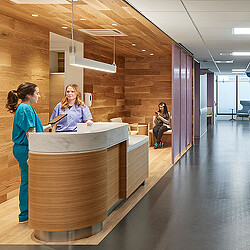
1. Rethink Space PlanningShift circulation to the exterior where possible to allow views along staff corridors and shared work areas. Prioritize windows in primary workspaces and rooms that serve the most people. For occupied interior rooms, consider glazing to borrow daylight and preserve visual connections to the outdoors.
2. Maximize Small MomentsConsider how framed views at corridor ends can create moments of respite for staff moving through the building. Skylights, light wells, and courtyards can become high-impact features that bring daylight and nature into deep floor plates.
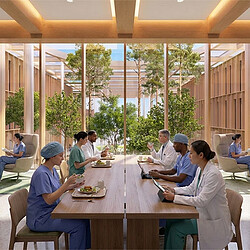
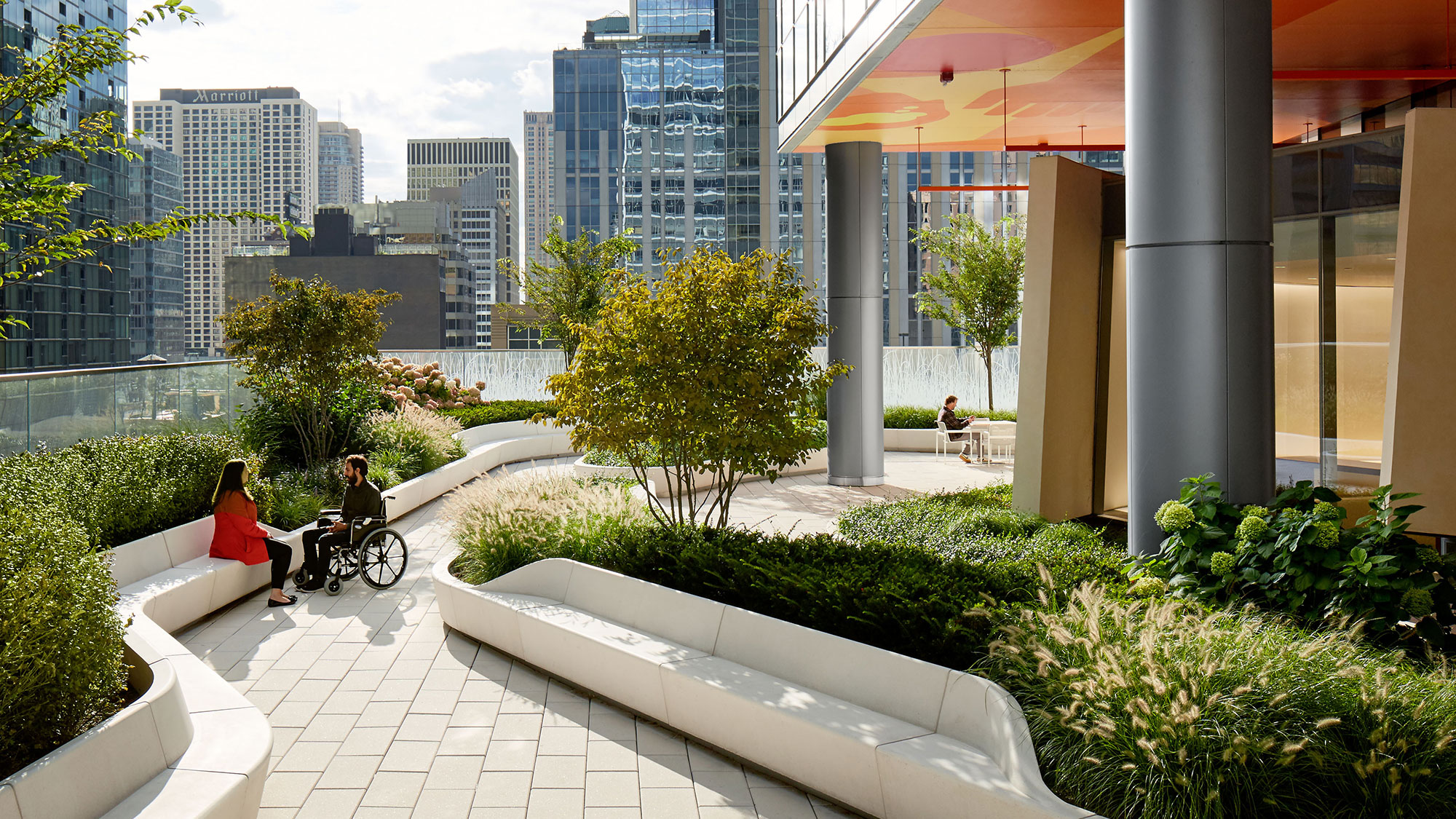
3. Create Staff-Only Outdoor SpacesProvide staff-only balconies, terraces, or courtyards near work areas (but away from patient view) for employees to use during short breaks. Where direct outdoor access is limited, consider interior gardens with real plants and high-quality daylight simulation.
4. Leverage TechnologyWhere access to real nature is out of reach, immersive digital nature experiences may offer some of the same benefits, especially if movement, sound, and scent are incorporated. Advanced lighting systems can also mimic changes in natural light to support circadian rhythms and well-being.
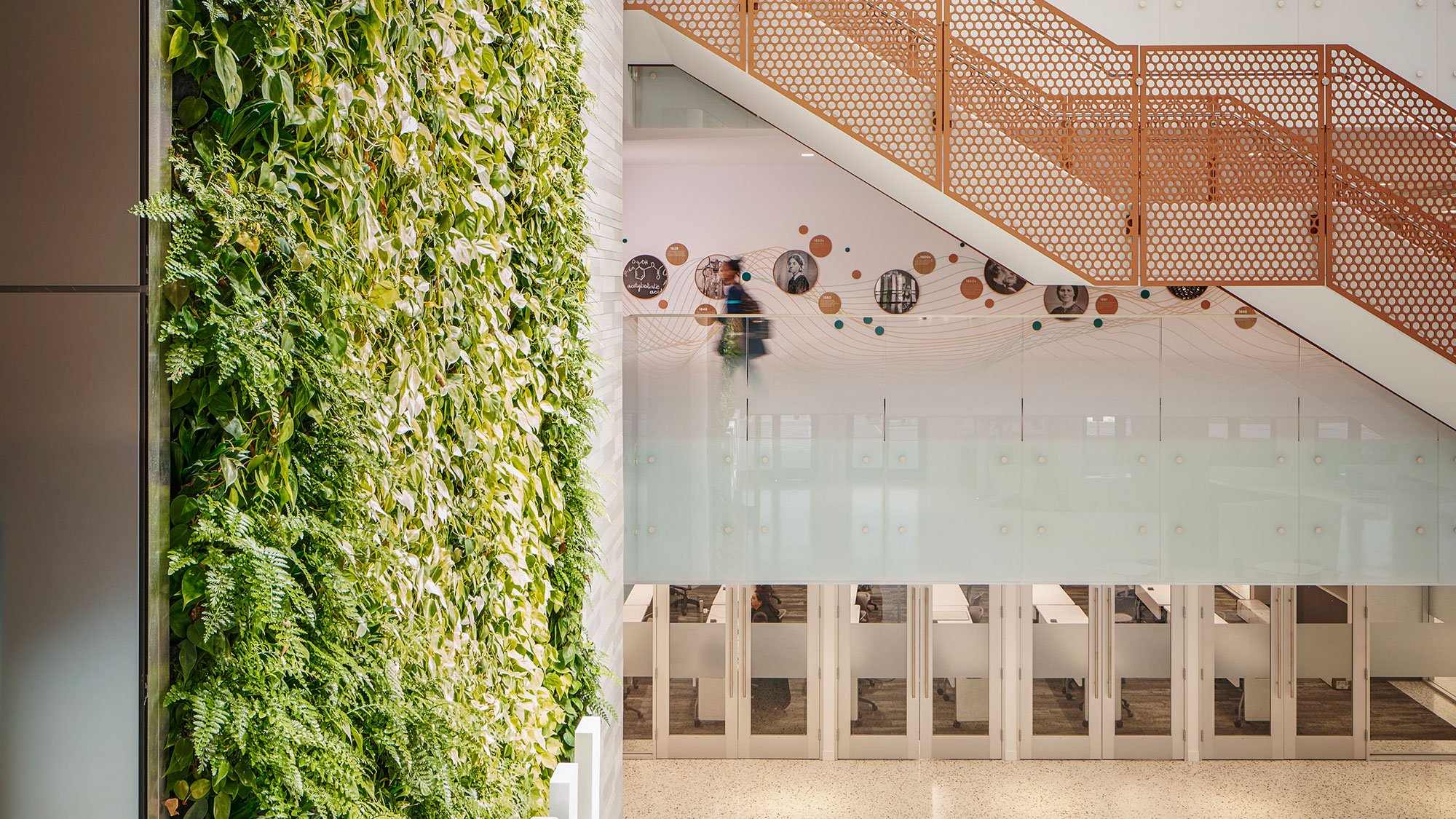
5. Reframe Interior Plants as EssentialApproach interior planting as a strategic tool for improving well-being rather than decoration. Focusing on positive health outcomes can justify the operational and technical support required for indoor plants to thrive. Artificial plants lack the psychological or physiological impact of living ones.
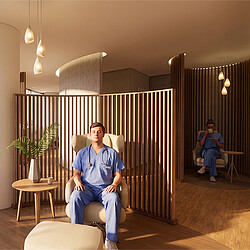
6. Distribute Micro Respite SpacesLocate small opportunities for restoration within units and along common staff routes rather than relying on a single destination garden. Window seats, planted alcoves, and sheltered outdoor niches can make nature accessible within the limited time available during a shift.
7. Plan for Year-Round Use and MaintenanceDesign outdoor amenities for year-round use with climate-responsive protection from extreme temperatures and local conditions, such as wind, rain, and snow, supported by reliable maintenance. This keeps nature-based spaces safe, welcoming, and functional over time.
From Amenity to Essential: The Case for Nature in Hospital Design
The 2026 Healthcare Workplace Survey found that views of nature were the strongest predictor of perceived effectiveness across staff work areas, meeting rooms, and consult areas, and nature access is linked to lower burnout and stronger retention. The financial stakes are significant: replacing one RN costs an average of $60,090, while physician turnover can cost an organization $500,000 to more than $1 million per doctor.
If access to nature can influence whether healthcare workers burn out, stay, and deliver their best care, should it still be treated as an amenity — or as an essential design element?
About the Research
We surveyed 1,204 frontline healthcare providers (physicians, nurses, medical assistants, and technicians) between October 22 and November 11, 2025, using a third-party panel provider to ensure anonymity and impartiality. Respondents lived in the U.S. and Canada, were employed full-time, and spent at least some of their time caring for patients in a hospital setting; they represented a diverse cross-section of roles, ages, tenure, and hospital sizes.
For media inquiries, email .