How Data‑Driven Design Improves Airport Flow, Experience, and Revenue
Data-assisted design gives airport leaders the confidence that major investments are grounded in evidence before any money is spent.
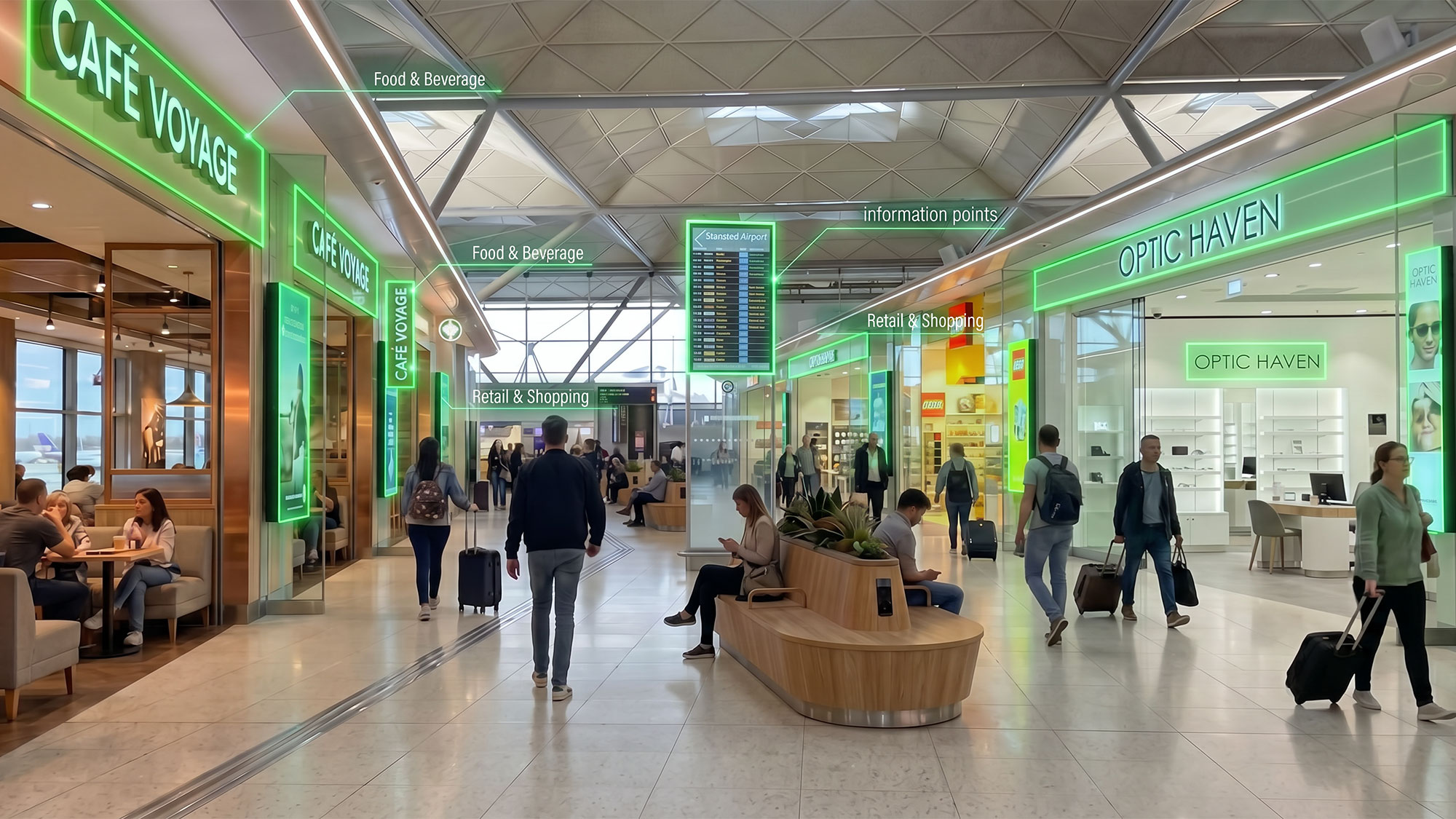
Airport leaders face a familiar tension: how do you move millions of passengers efficiently while also creating the kind of environment that keeps them engaged, spending, and satisfied? Get the balance wrong in either direction — too clinical, or too chaotic — and you pay for it in missed revenue and increased operational pressure.
Data-assisted design addresses that tension directly. By modelling passenger behaviour before construction begins, it gives airport executives evidence that a design will perform before any money is spent.
Knowing How Passengers Will Behave Before You Build
Every major airport investment carries risk. Whether it’s a terminal extension or a new retail reconfiguration, each project involves decisions about layout, flow, and commercial placement that are difficult to reverse once built.
PerformaX, Gensler’s data-driven simulation tool, models how passengers move through a space before it exists. It backs up design and investment decisions with the evidence needed to stand up to scrutiny, and it directly reduces the cost of getting it wrong.
Specifically, it reveals:
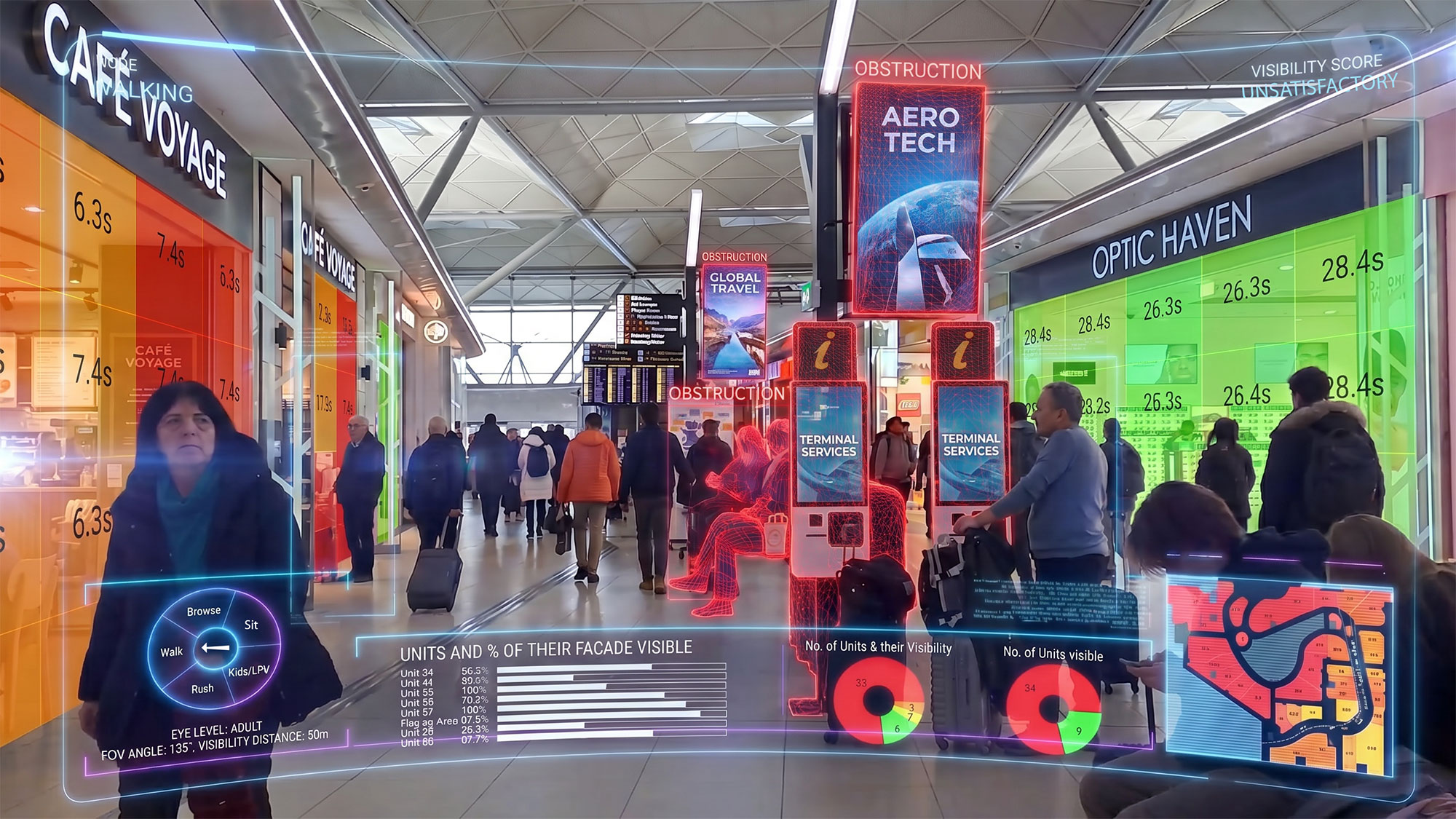
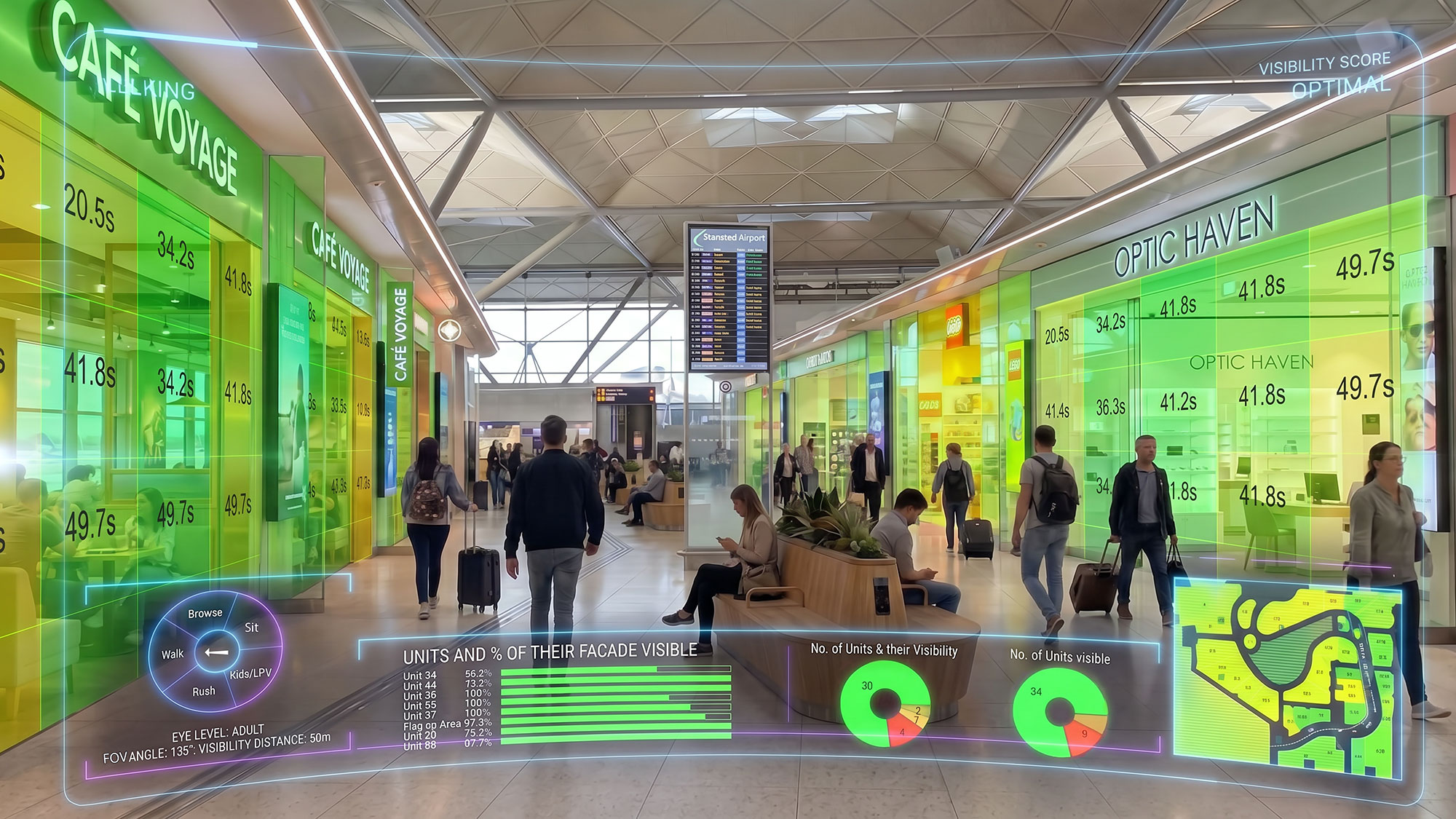
- Visibility patterns — Which retail frontages get strong exposure to passengers at each stage of their journey?
- Blind spots and stress points — Where do layout and wayfinding gaps create disorientation or friction that affects passenger comfort and flow?
- Footfall drivers — Which architectural features, retail destinations, and moments of interest naturally attract attention and encourage dwell time?
- Commercial performance — How can retail and amenities be positioned to meet passenger needs at the right moment and optimise spend?
These are not hypothetical questions. Here’s how they played out at London Stansted.
Putting It to Work at London Stansted
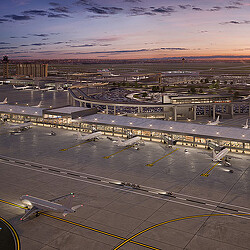
London Stansted Airport is in the middle of one of the most significant periods of growth and investment in its history. With approval to grow to 51 million passengers per year over the next 20 years and a £1.1bn capital programme underway, including a £400m terminal extension, the stakes for getting the design right are high.
Gensler applied PerformaX to model passenger movement and behaviour across the terminal. Visibility patterns revealed which retail frontages received the strongest exposure at each stage of the journey. The team identified and resolved stress points caused by layout and wayfinding gaps. And by pinpointing the moments where passenger engagement — and spend — are highest, the design targeted those opportunities deliberately.
Our analysis directly shaped the design. Rather than relying on precedent or assumption, every major decision about layout, retail placement, and passenger flow was tested and validated against real behavioural data.

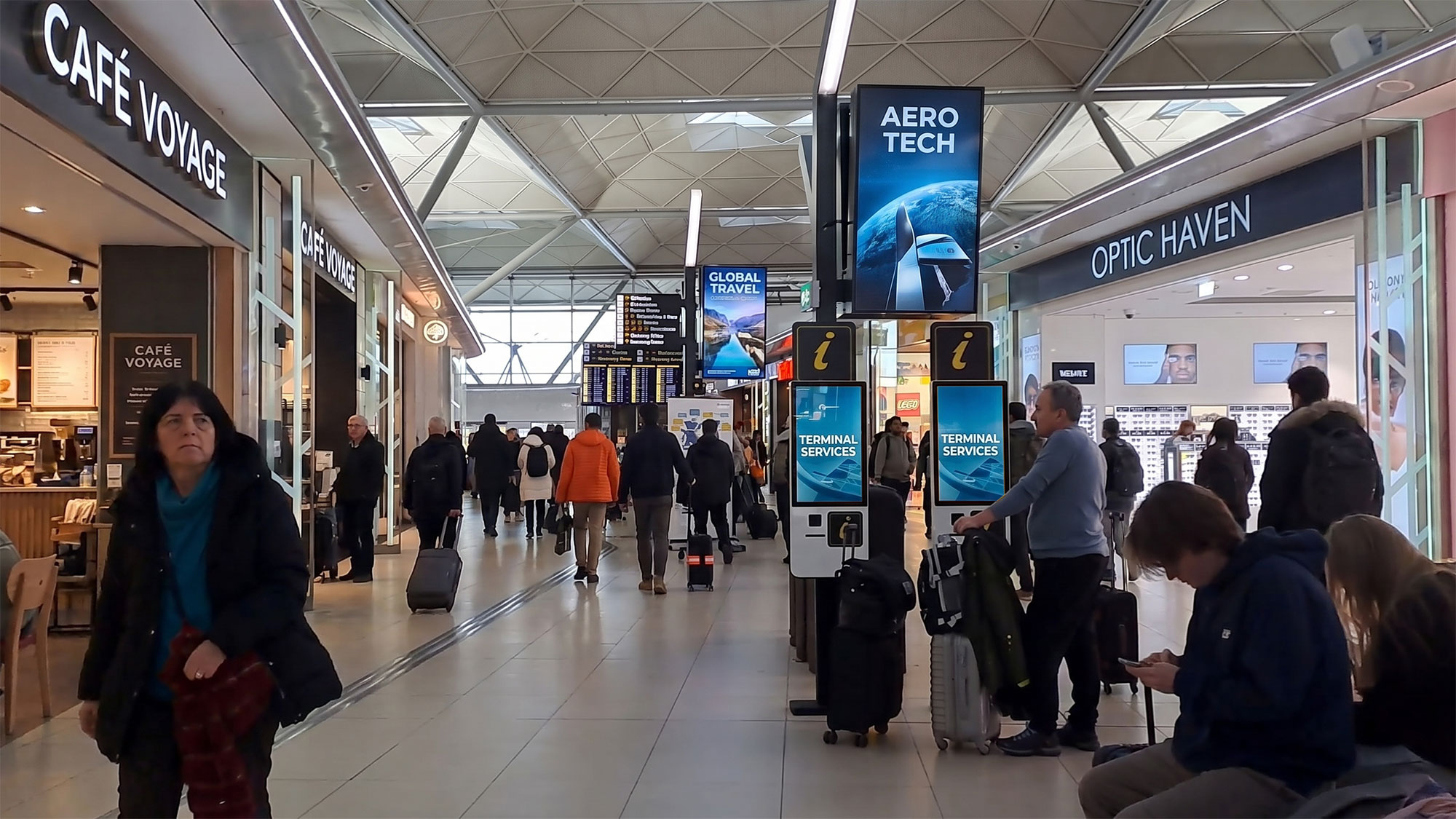
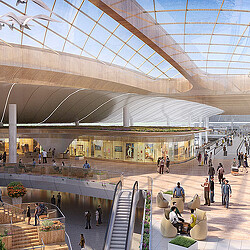
The terminal is organised around three modes that reflect how passengers actually feel and behave at different points in their journey: Relax, Focus, and Explore. Each represents a psychological state that influences how travellers perceive and use space.
- Relax: Calm, biophilic environments with soft acoustics, curved seating clusters, and warm neutral colours serve families and leisure travellers who like to arrive with plenty of time.
- Focus: Clear sightlines, efficient circulation, work pods, and plug-in points support business passengers and task-driven users.
- Explore: Active, discovery-oriented spaces with bold graphics and flexible seating encourage discovery and connection for those who want to engage.
Designing to those emotional states is what drives both satisfaction and commercial performance.
Flow and Revenue Are Not in Conflict
One of the most persistent misconceptions in airport design is that operational efficiency and commercial performance pull in opposite directions. The status quo says you can optimise for one only at the expense of the other. The data tells a different story.
When passengers move through a terminal intuitively — with wayfinding that feels natural, transitions between zones that feel seamless, and environments that match their emotional state — they dwell longer, stress less, and spend more. Good design is good business.
PerformaX makes that connection measurable. Visibility analysis identifies which retail locations generate the strongest exposure at the right point in the passenger journey. Simulation modelling shows whether a proposed layout will ease congestion or create it. Journey mapping identifies friction before it becomes an operational problem.
What This Means for Airport Executives
As airports grow through expansion and refurbishment rather than new builds, the pressure on each design decision increases. There’s less tolerance for layouts that underperform commercially, less margin for wayfinding that frustrates passengers, and less room to course-correct once construction is complete.
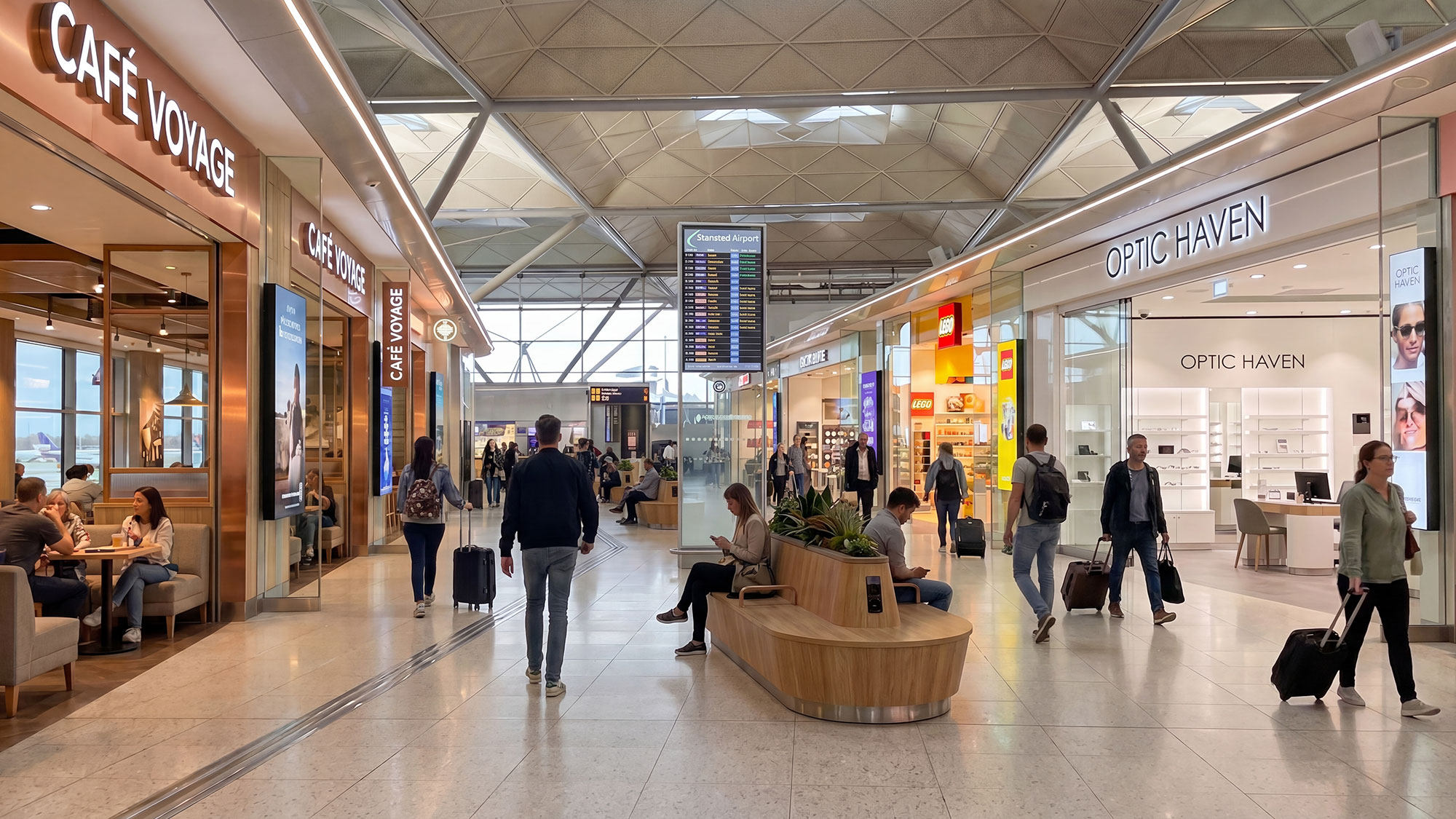
Data-assisted design gives airport leaders the confidence that major investments are grounded in evidence. It brings the passenger into the room before the terminal is built and ensures that when it actually opens, it works.
For media inquiries, email .