Design for the People Who Make the Season Bright
What the people behind the holiday shopping experience can teach us about making retail more human.
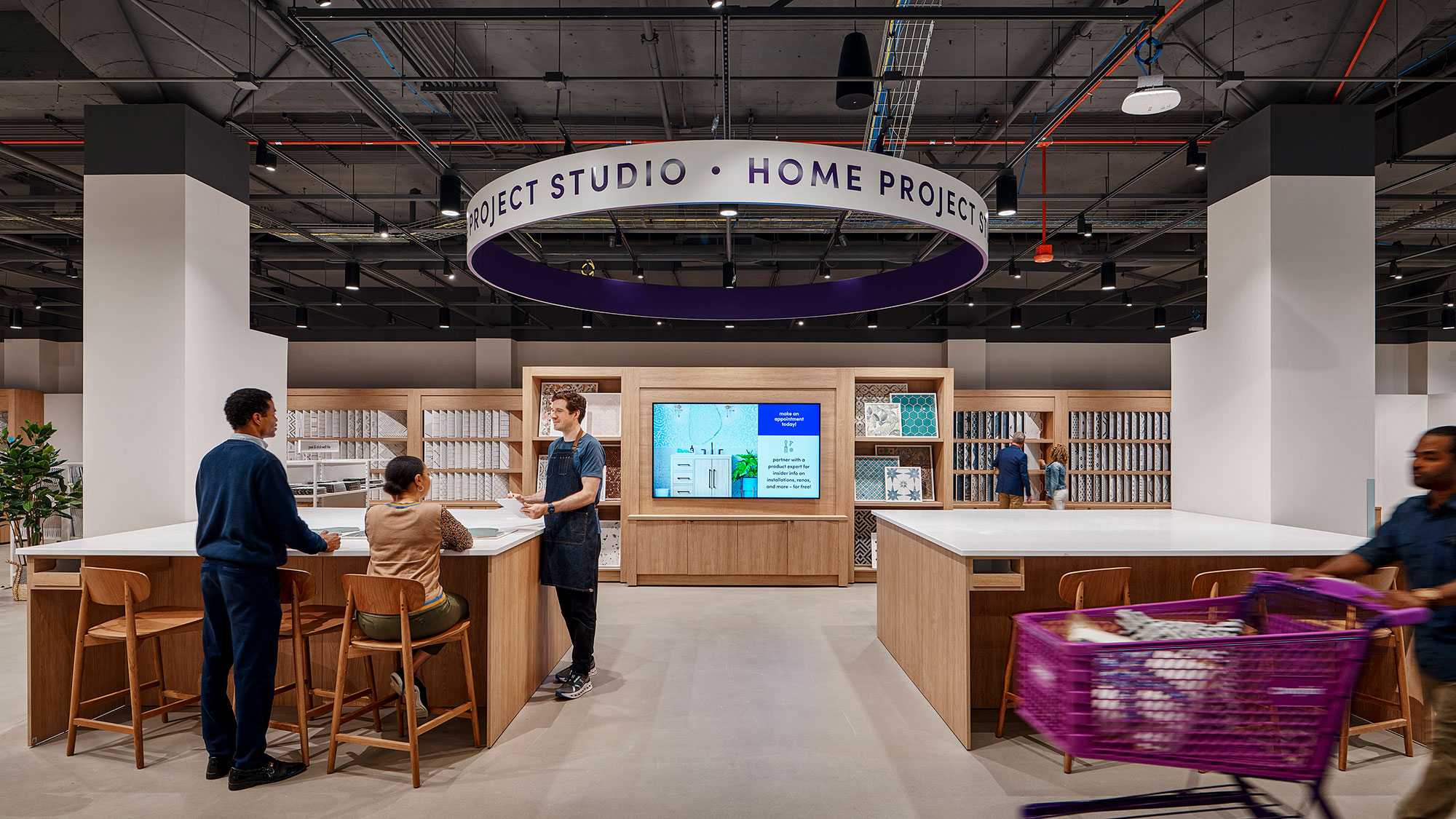
It’s the most wonderful — and perhaps most stressful — time of the year. Stores are packed, wish lists are long, and everyone is searching for something. But if you think holiday shopping is stressful, try being the person behind the counter.
In our survey of 12,941 service workers across 16 countries, retail workers were the least satisfied. Only seventy-one percent said their workplace offered a great experience, compared with 87% in hospitality & travel and 81% in both food & drink and entertainment.
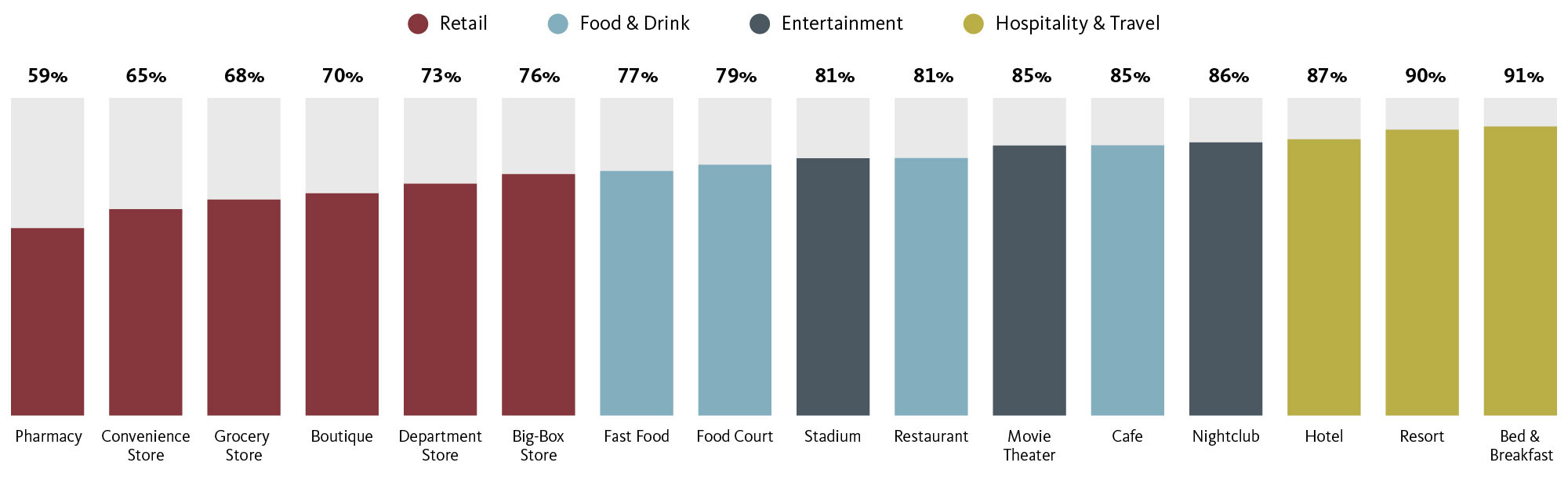
To understand what’s driving that double-digit gap, we looked to the outliers: retail workers who love their jobs. Gensler interviewed 25 of them in Mexico, the United Arab Emirates, the United States, and the United Kingdom to understand what made their work meaningful and what supported their experience.
Relationships, expertise, and autonomy make retail work feel meaningful.
During our interviews, three universal qualities came up again and again:
- Relationships create belonging, support, and community. Many of the people we spoke to felt their job was a place to build meaningful connections. “It’s nice having friends at work; you feel like you’re not doing the job alone,” said one retail worker in the UAE. Getting to know regular customers was rewarding, too. “I have regular customers that I know by name; it’s also about getting to know their stories,” said a store manager in Mexico.
- Expertise gives workers something distinctive to offer. Many retail workers spoke about the confidence that came from knowing their products well. Some of the most rewarding moments came when customers wanted to learn the story behind what they were buying or asked for help with an idea. “It’s so satisfying when a customer has a vision that I can help bring to life,” said one U.S. sales associate.
- Autonomy gives retail employees a sense of ownership in their role. Making judgment calls and contributing new ideas gave workers a hand in shaping the customer experience. “I have the autonomy to put my own stamp on the work,” said a U.S. retail associate.
Each of these qualities helps workers feel they make a positive impact on their coworkers, workplace, and customers.
The employee journey needs as much design attention as the customer journey.
Retailers spend a lot of time thinking about how consumers move through a store. Employees deserve the same consideration, especially during the holiday rush. New research from the Retail Trust found that 54% of U.K. shop workers face abuse every week, up from 43% last year.
In our interviews, workers described how store design can make their jobs easier or harder, including during tense moments. Their experiences point to five ways the design of retail spaces can better support the people who work in them:
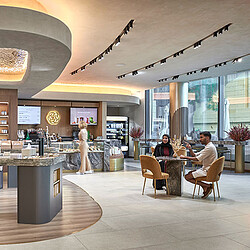
- Make it easier for employees to see when help is needed. Create shared sightlines and overlapping circulation areas so people can spot when a customer or coworker needs help during busy moments.
- Make room for longer (and sometimes difficult) conversations. Designate de-escalation spaces where employees can invite frustrated or waiting customers to sit down, talk, and reset in a calm, side-by-side seating arrangement.
- Design for recovery and restocking. Give employees a comfortable break room away from the sales floor and organize stockrooms so staff can find what they need quickly during a busy shift.
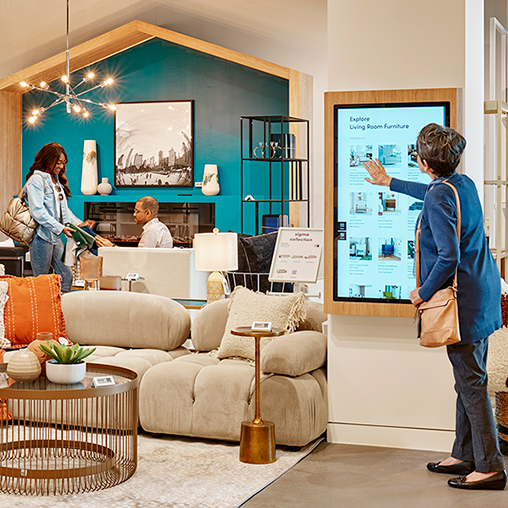
- Put knowledge at the point of service. Keep tools, products, and reference materials close to where employees help customers, with room to demonstrate how products work.
- Let teams shape their store. Use flexible, modular fixtures so employees can adapt the store to reflect local sensibilities and functional needs.
It’s time to make retail work a little more human.
These days, you can fill a shopping cart without setting foot in a store, so when you do visit, it’s more important than ever to find someone who knows their stuff, enjoys what they do, and genuinely wants to help. As AI makes it easier to research products before we even walk through the door, there’s real value in talking to someone who can engage with us as people, not prompts.
As we head into the holiday rush, the next big idea for retail isn’t another way to capture shoppers’ attention. Instead, maybe it’s giving more attention to the people who make the experience worth remembering.
For more information about what makes retail work meaningful and how we can better support the people doing it, download Transcending the Transaction.
For media inquiries, email .