How Life Sciences Districts Power Australia’s Innovation Economy
Districts that co-locate research and industry turn scientific strength into commercial growth.
With robust research institutions, an established clinical-trial ecosystem, and a federal government that has committed billions to scientific advancement, Australia has the ingredients for thriving life sciences districts. Funding lays the foundation. Commercial success depends on whether researchers, clinicians, founders, and global companies can find each other, work side by side, and build relationships. Life sciences districts bring them together and give discoveries a path to market.
The district model
A life sciences district brings universities, hospitals, startups, researchers, and multinationals together, with the infrastructure and amenities to support collaboration between them. Sydney is Australia’s largest life sciences market, and two precincts show how the model works. The Westmead Health Precinct is one of the country’s largest specialised health precincts. Macquarie Park is a core commercial hub for biopharmaceutical and medical technology firms, with more than 63,000 employees, $13.6 billion in annual economic activity, and more than $700 million invested in R&D.
Those figures capture the scale of activity in the precinct. The workplace determines how much of it reaches the people doing the work. Proximity makes collaboration possible, and the workplace makes it routine.
The workplace as learning infrastructure
Gensler’s Global Workplace Survey 2026, which draws on more than 16,000 full-time office workers across 16 countries, finds that workers who see learning as critical to their performance are more likely to experiment with new ways of working. They also rate their workplace as more effective for learning when it offers a considered look and feel, manageable noise, flexible furniture, current technology, and spaces for both focus and rest.
In life sciences, where knowledge moves quickly, a workplace that supports learning functions as infrastructure. In life sciences districts where companies compete for the same talent, it also shapes who stays.
A workplace built around human impact
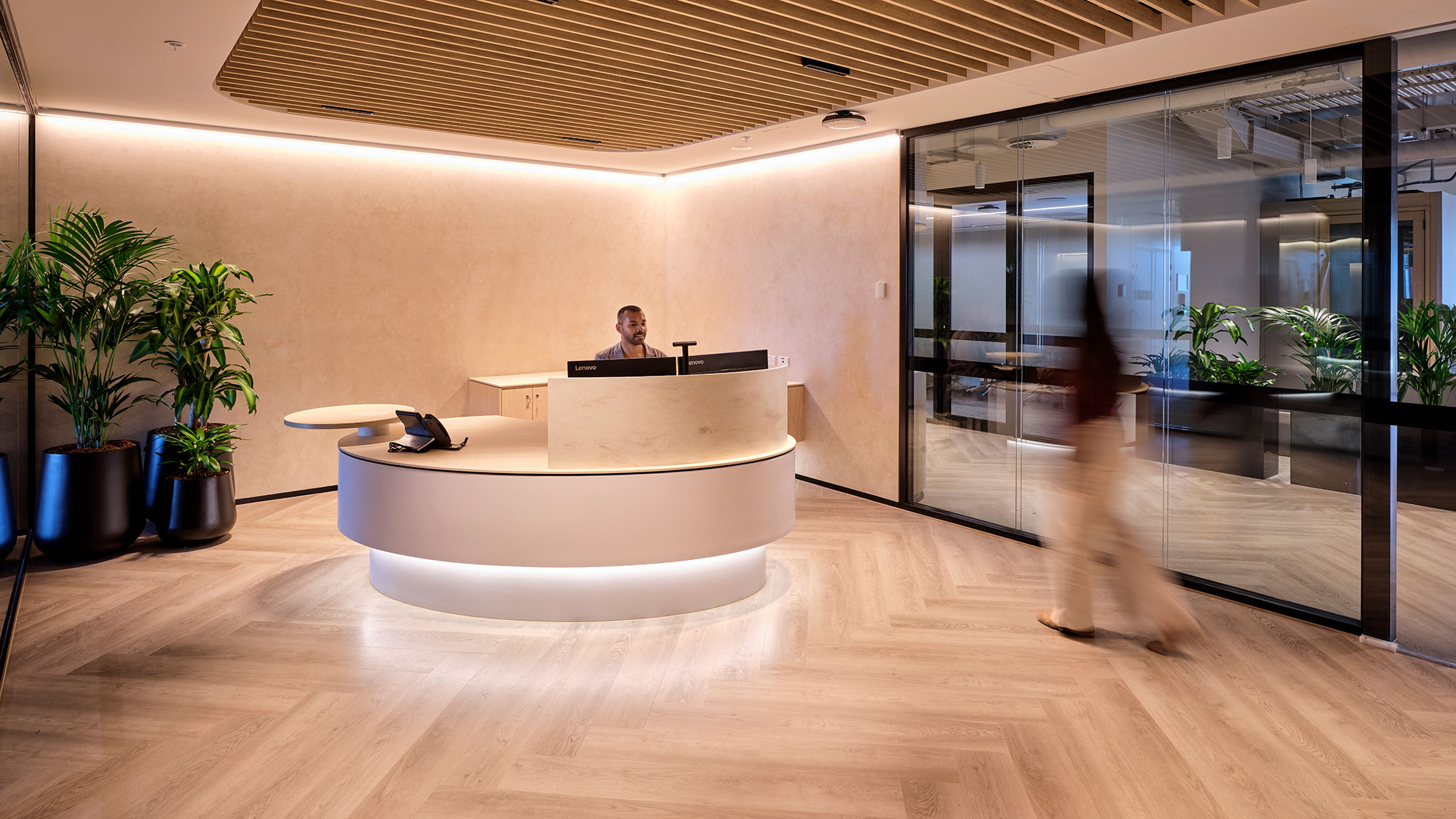
We designed a new workplace at MQX in Macquarie Park for a confidential life sciences client to bring employees closer to the patients and communities their work serves. Their new workplace supports the company’s next phase of growth in Australia.
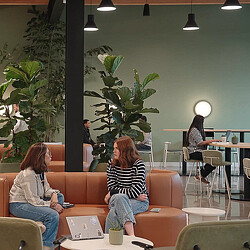
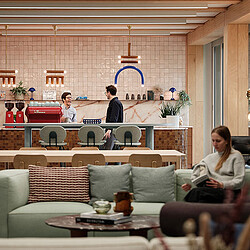
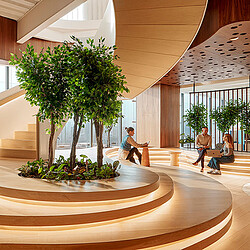
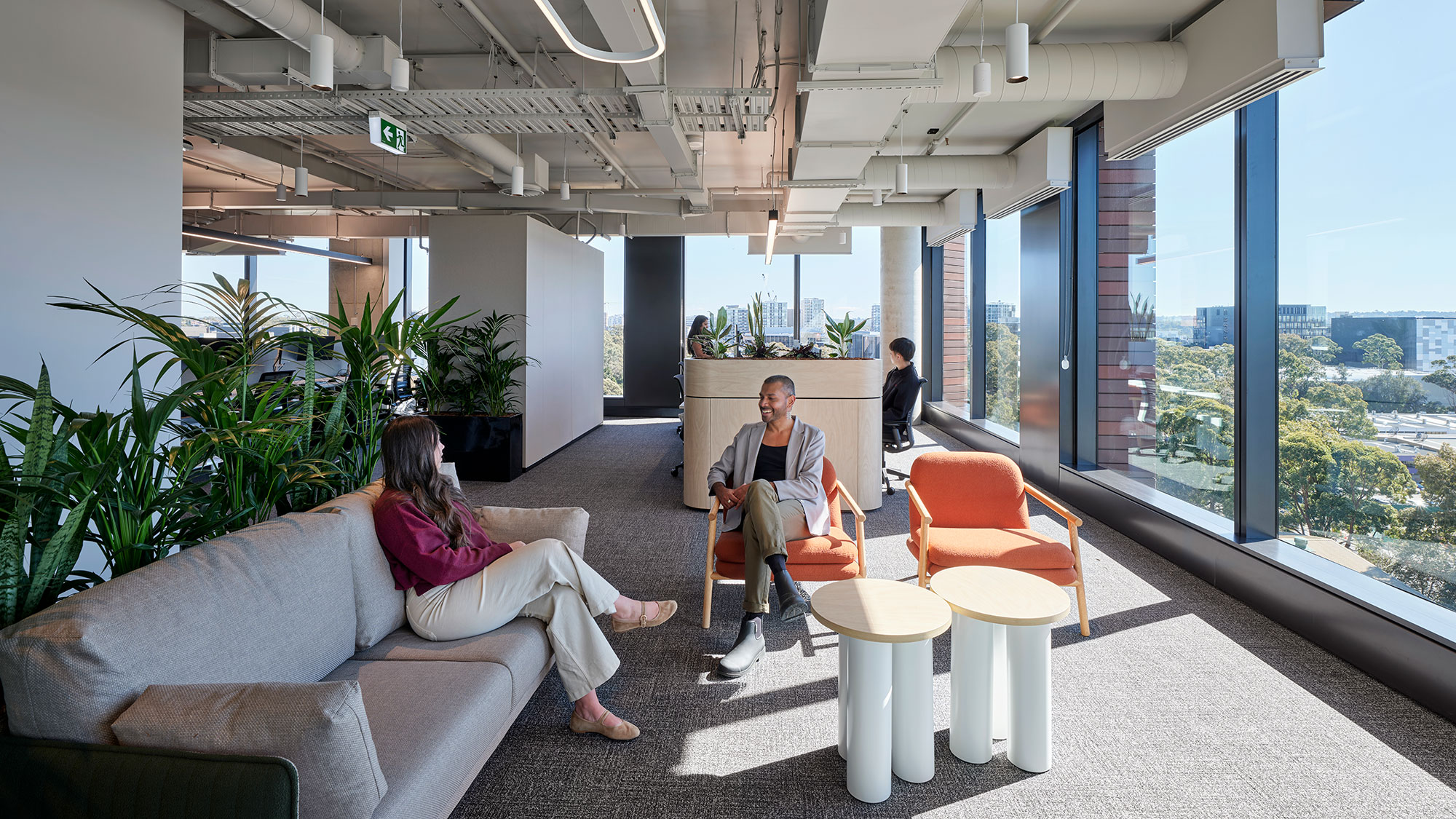
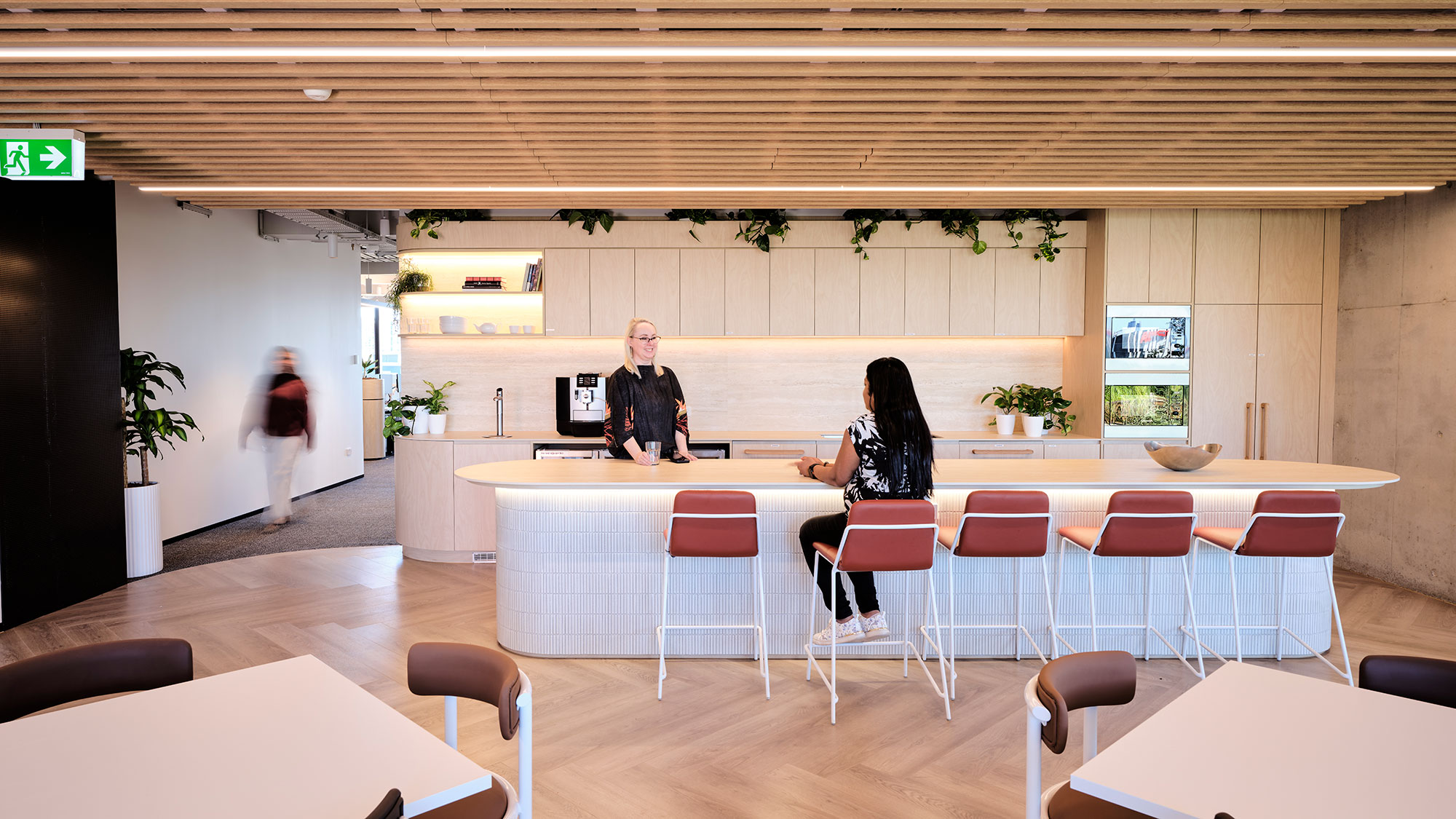
We partnered with TRUE Fitout & Construction on a design and construct process to deliver the workplace within the 16-week onsite programme. The team coordinated specialist clinical spaces and integrated AV/IT systems in a warm, inviting setting. The design draws on residential qualities: natural light, abundant planting, soft material palettes, and strong indoor-outdoor relationships. A café opens directly onto an outdoor terrace where people can connect and recharge during the day. Those choices match what workers tell us they want in the workplace: outdoor space, natural light, and places to recharge.
We built change management into the design process from the earliest stages. The client, design, and delivery teams worked collaboratively, and employee engagement informed the design from day one. We reached employees through a mix of channels, from podcasts and live fireside chats to more conventional communications.
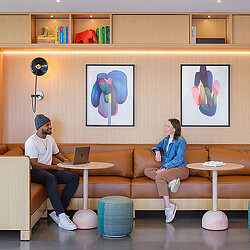
We designed a mix of settings around how the company’s teams operate: focused work, private conversations, collaboration, and specialised training. Two-thirds of workers in our survey improvise fixes for gaps in their workspace. Asking people early what they need and designing around team workflows addresses the problem at its source.
The workplace follows the company’s international standards and adds local character through environmental graphics, references to local landscapes, and a celebration of Australian patients and communities.
The space also works as a training centre, innovation hub, and community space, where employees, clinicians, and patients can come together around a shared mission. People learn about the patients and communities their work serves, and from one another, through mentorship, training, and everyday connection.
Why this matters for investment and talent
Competition for talent in Macquarie Park influences how organisations recruit and retain. For a global company deciding where to grow, a district offers proximity to research, clinical partners, and peers. Design shapes how a district works and whether people choose to stay.
Funding and research strength give Australia a foundation. Districts like Macquarie Park and workplaces designed to connect people to purpose and to each other help turn that foundation into commercial growth. As more life sciences companies weigh where to build, the places we design for them strengthen Australia’s case.
For media inquiries, email .