Beyond the Lab: Why the Next Innovation Hub Is Also a Place to Live
A new generation of live-learn-work innovation hubs is redefining how higher education institutions support learning, creativity, and community.
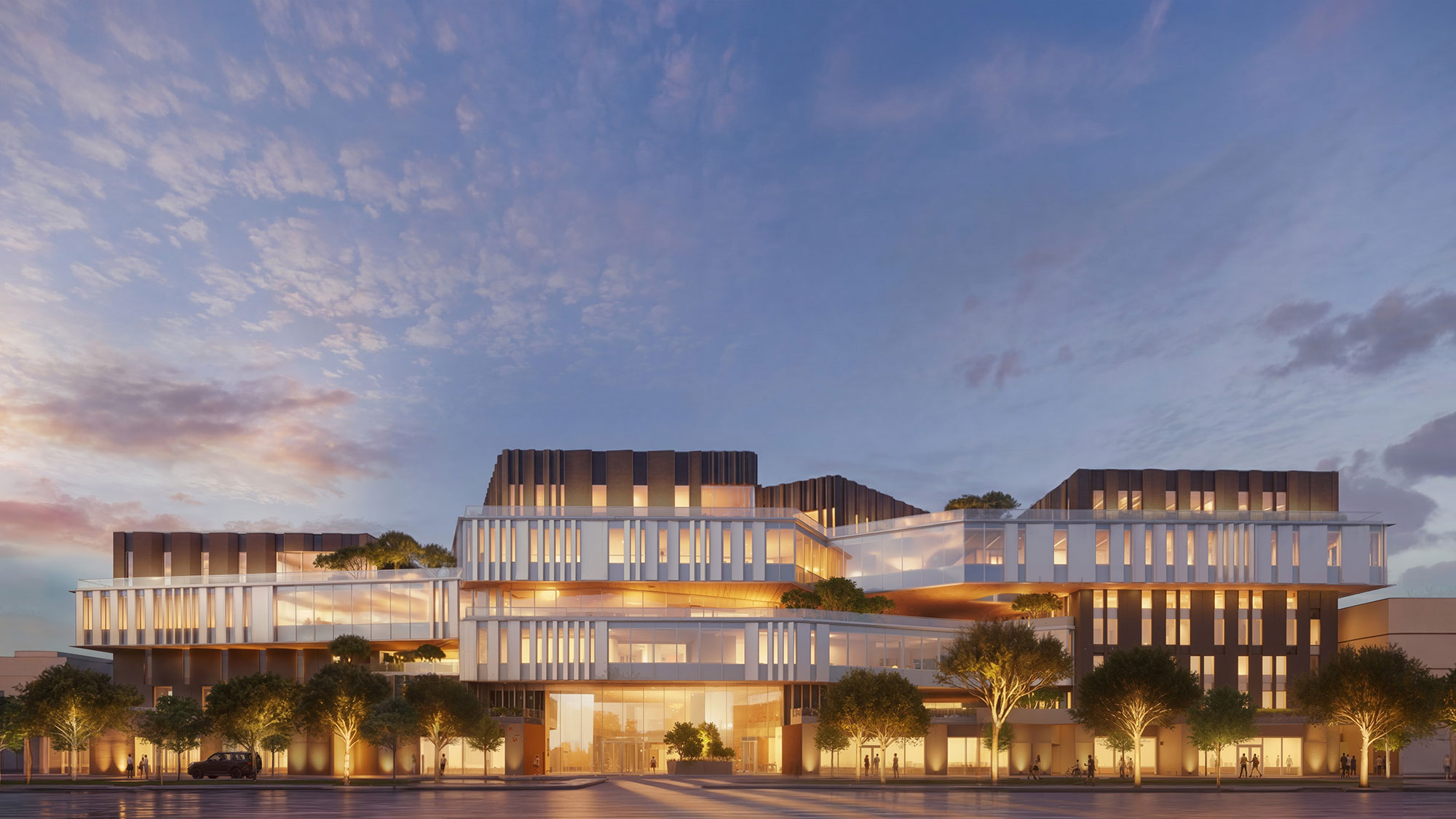
Higher education institutions face compounding pressures: declining enrollment, rising costs, and growing expectations to demonstrate real-world impact. Cities, meanwhile, grapple with housing shortages, economic inequality, and the need to revitalize underutilized areas. A new typology is beginning to emerge that offers a strategic response to both challenges: live-learn-work innovation hubs. By integrating housing, research, and workspaces into a single, shared environment, these 24-hour ecosystems bring researchers, creators, and entrepreneurs together to fuel innovation around the clock.
Initially focused on bridging academia and industry, innovation hubs have evolved into dynamic ecosystems. Today, they serve as microcosms of broader innovation districts, often embedded within cities and designed to foster serendipitous encounters, interdisciplinary exchange, and real-world impact.
As the boundaries between campus and city, education and employment, and living and working blur, forward-thinking institutions are exploring how to merge housing, wellness, and flexible infrastructure into a single, continuous environment.
Why Now?
The mental health crisis among students and early-career professionals has increased demand for environments that support wellness, belonging, and purpose. Live-learn-work innovation hubs deliver proximity, flexibility, and a sense of community, reducing isolation and enabling sustained collaboration that drives real breakthroughs. These spaces are particularly valuable for students navigating hybrid learning models, financial pressures, and the demands of entrepreneurship.
As work shifts toward hybrid and distributed models, demand is building for immersive, flexible environments that enable collaboration and creativity. Innovation hubs that incorporate housing, social spaces, and wellness amenities help institutions attract and retain talent and contribute to the kind of urban vitality that makes cities more competitive. These hubs are expanding beyond academic infrastructure, becoming civic platforms for lifelong learning and inclusive growth.
The Case for Live-Learn-Work Integration
Most innovation hubs reflect an outdated assumption: that innovation occurs within designated work hours and dedicated workspaces. But today's students and founders operate differently. Ideas are developed between classes, during late-night conversations, over meals, and through communities that extend well beyond the lab or classroom. As the innovation process becomes increasingly collaborative and iterative, the environments that cultivate it must evolve accordingly.
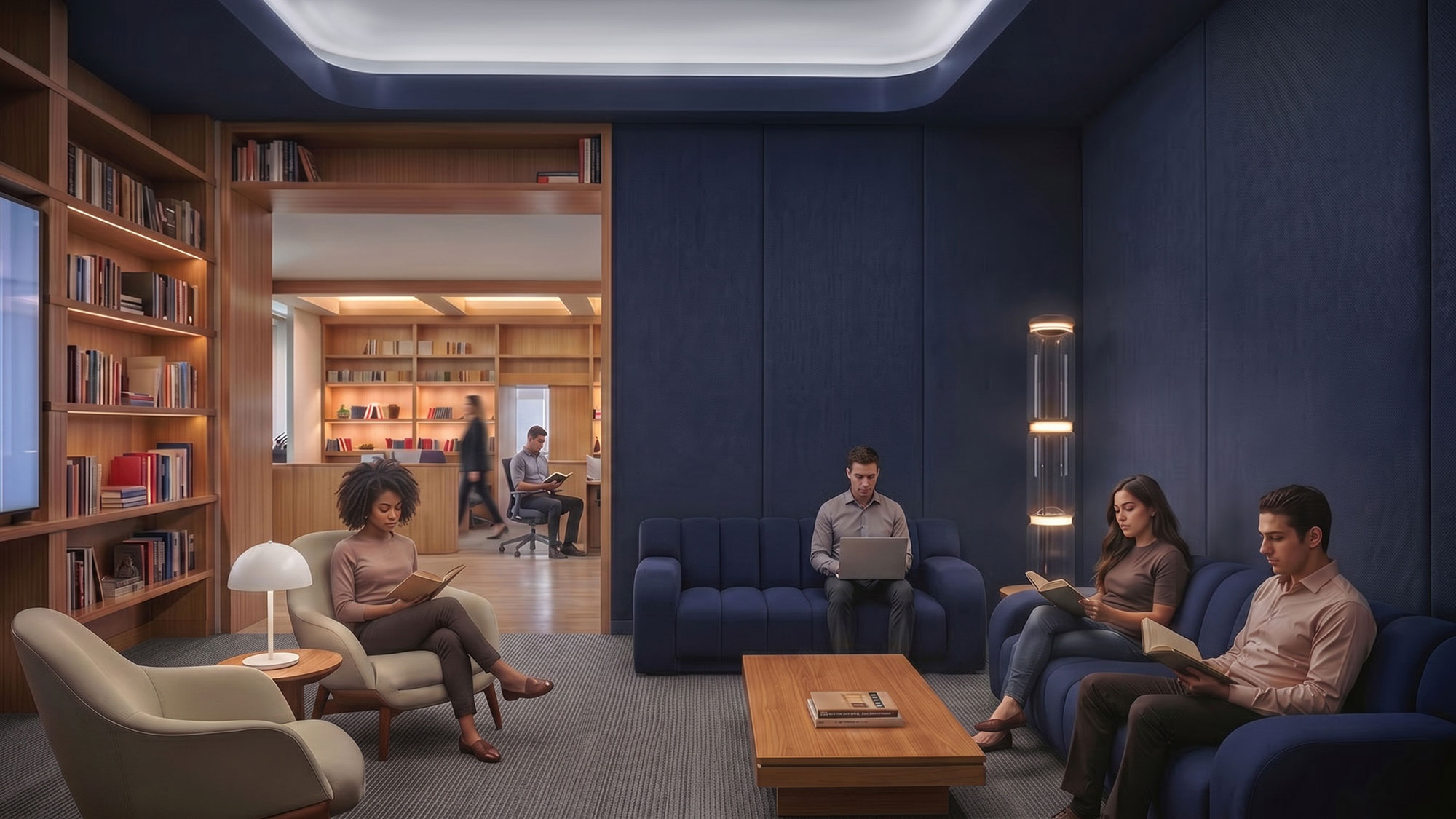
Innovation rarely happens on a schedule. The most transformative ideas often emerge from spontaneous collaborations, unplanned encounters, and immersive residencies. Live-learn-work innovation hubs extend this ethos, creating environments where students, researchers, and entrepreneurs can live, work, and create in close proximity. These spaces function more like artist or scholar residencies than traditional academic facilities, bringing together interdisciplinary cohorts for concentrated periods of living, working, and creating.
By incorporating housing directly into the innovation ecosystem, these hubs forge deeper relationships, sustained engagement, and shared ownership of ideas. The result: a different kind of productivity, grounded in community, trust, and exchange.
This model scales beyond the campus. At the urban scale, it suggests a shift away from zoning-based separation toward environments where living, working, and creating are intertwined, reinforcing innovation as part of everyday life. By embedding housing, workspaces, and cultural infrastructure into urban districts, cities can develop more inclusive, resilient ecosystems for creativity and economic growth.
Design Strategies for the Full Life
Designing for the full life demands architectural innovation. Buildings must mirror the experimental, interdisciplinary nature of their users. Flexible layouts, operable systems, and expressive forms signal creativity and openness.
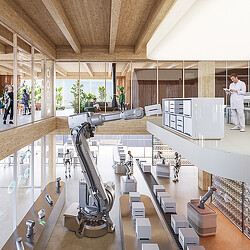
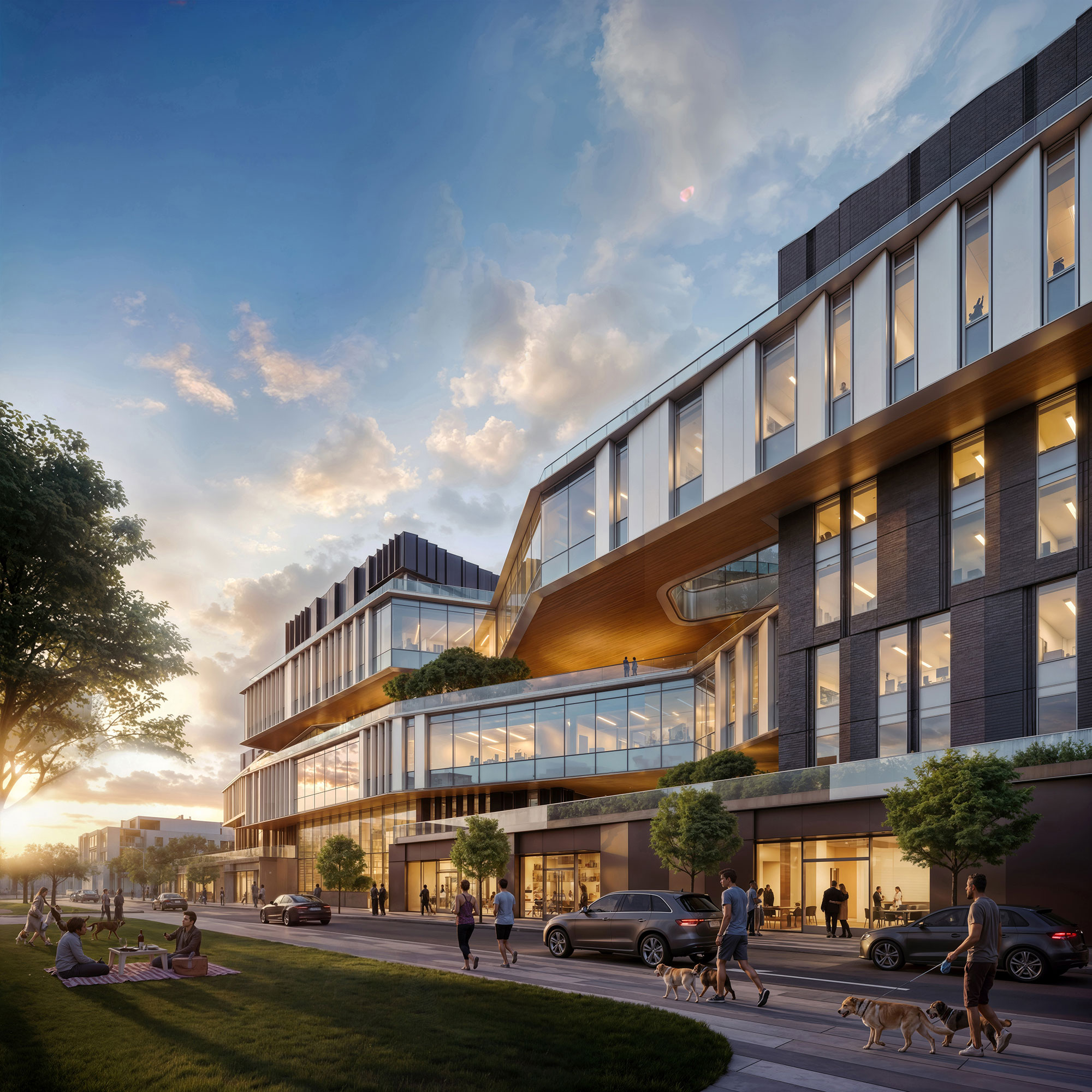
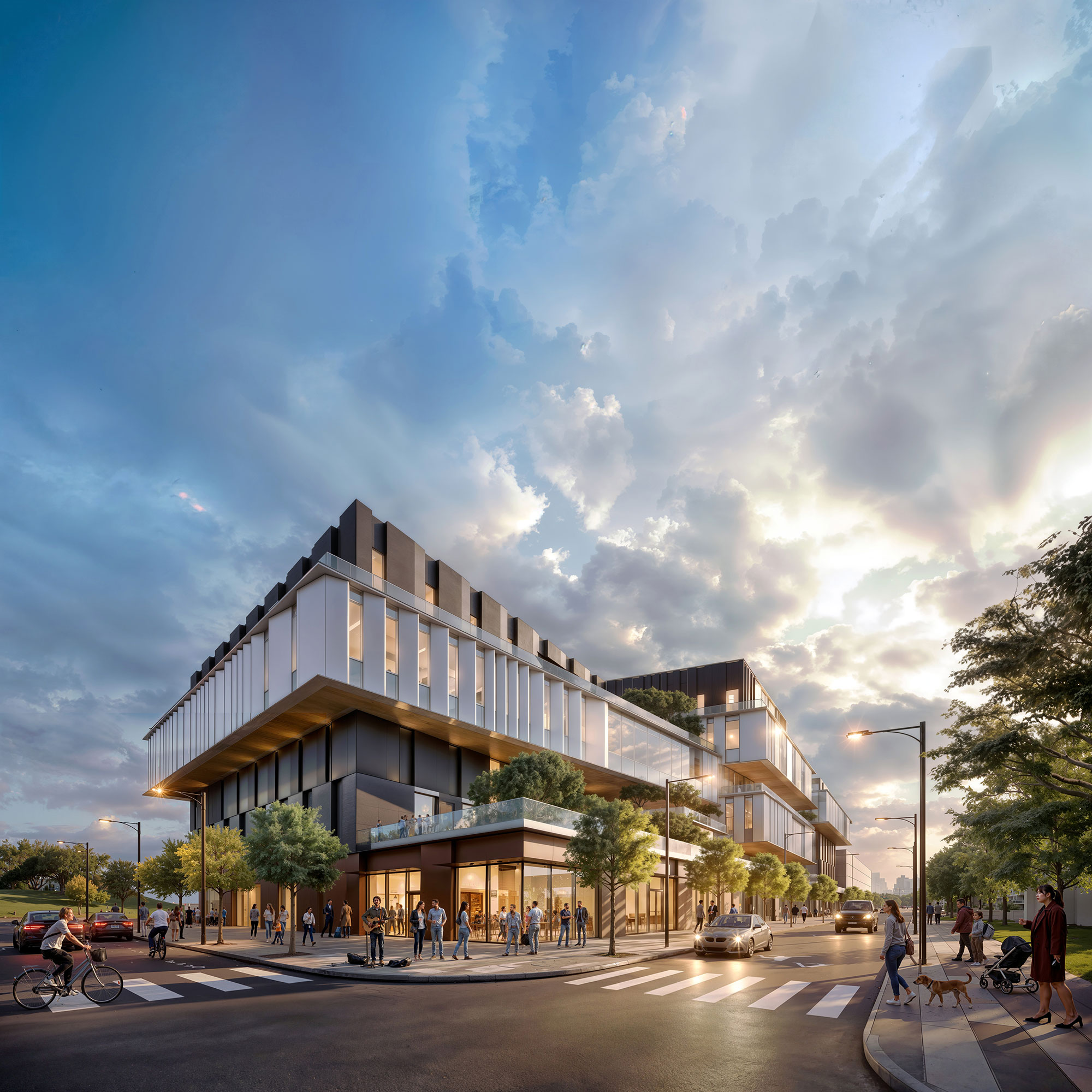
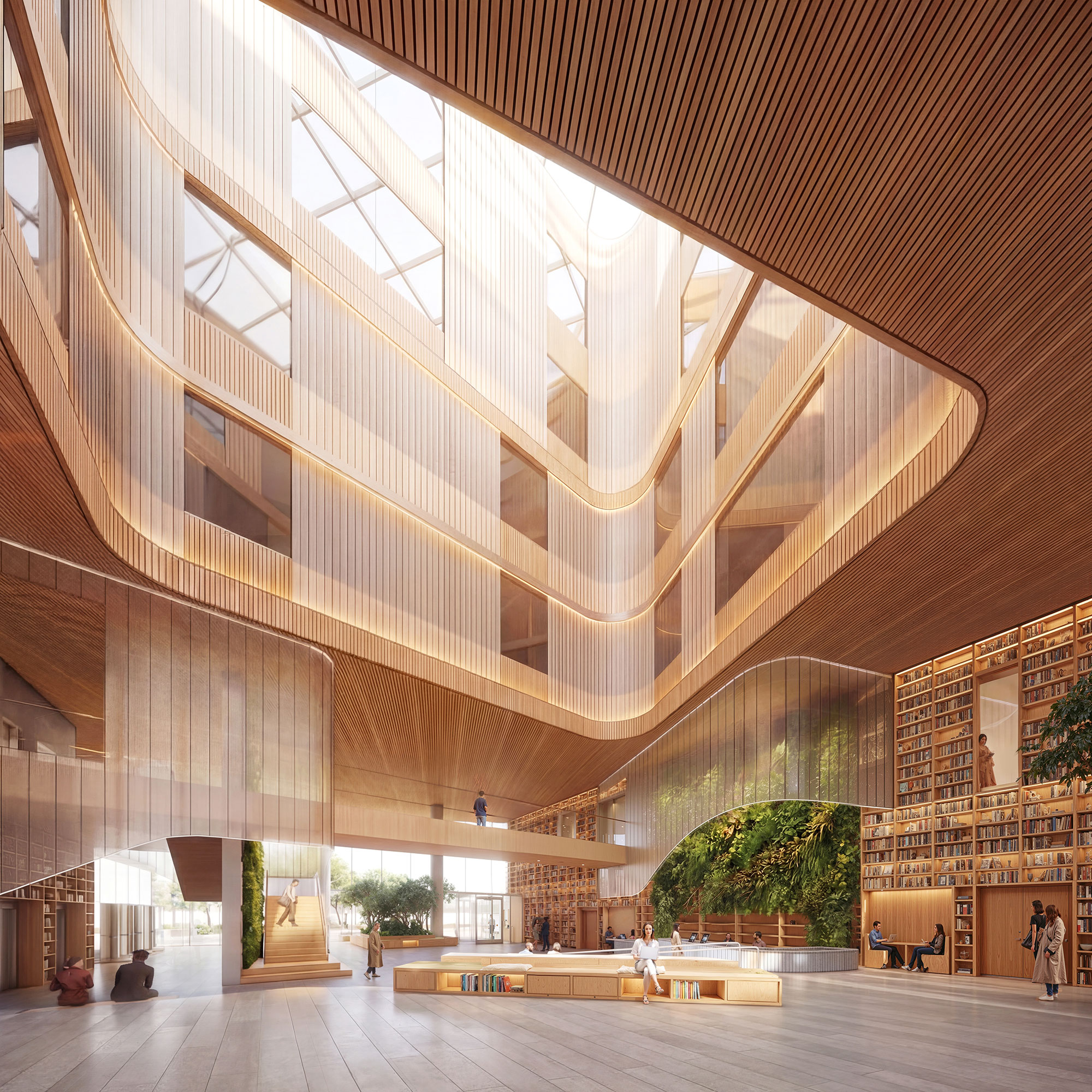
Convergence Hall, a live-learn-work innovation hub anchoring The Point, Utah’s first innovation campus, represents one of the earliest explorations of this emerging typology. Set to open in 2029, the project tests what it means to combine living, learning, and innovation within a single, continuous environment.
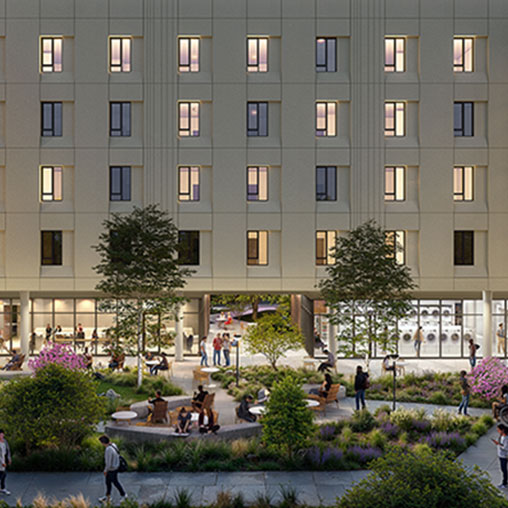
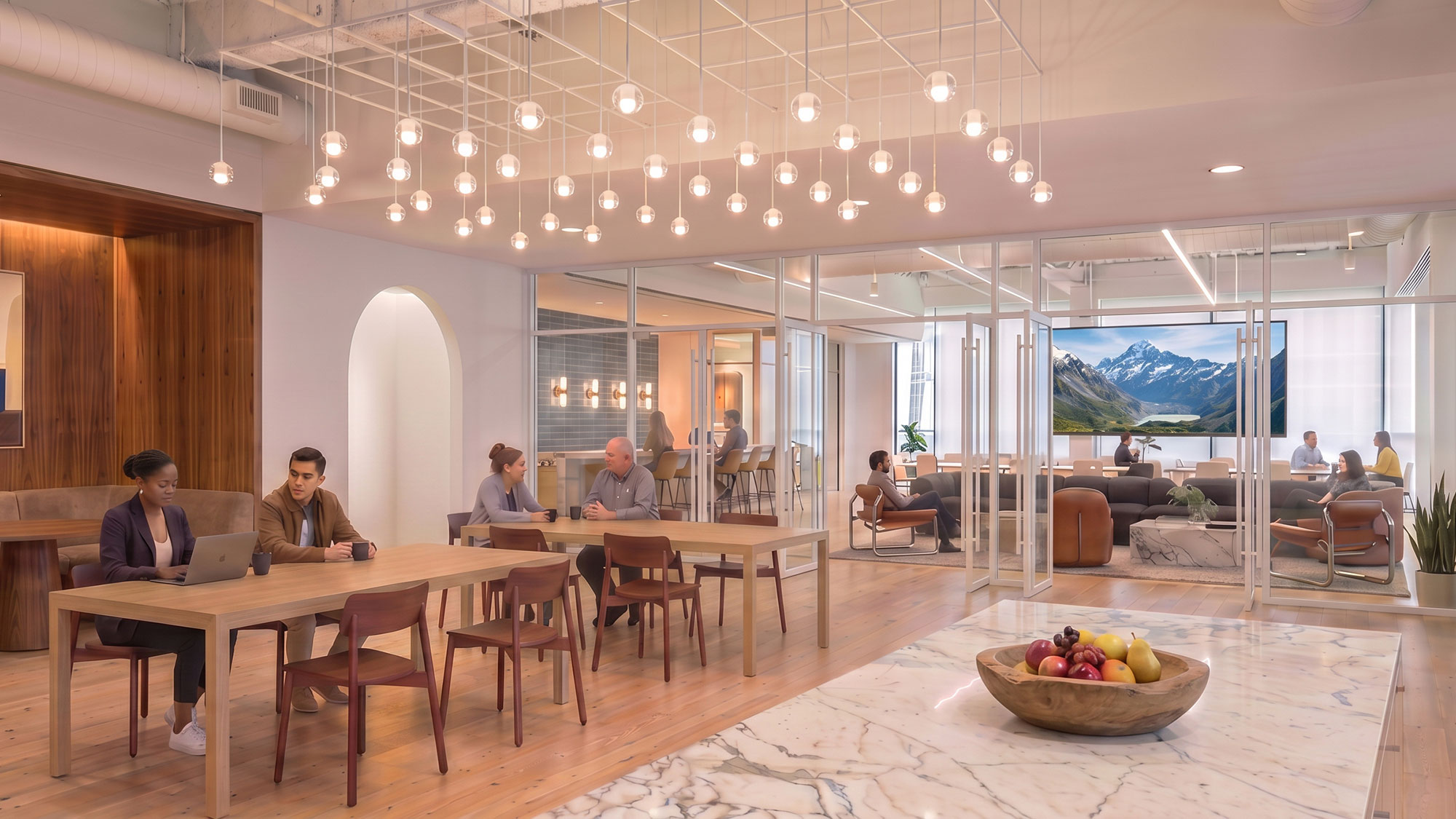
The building weaves student and entrepreneur housing together with design-thinking labs, entrepreneur workspace, and social spaces, supporting a 24-hour innovation lifestyle where proximity fuels collaboration and ideas can rapidly move from concept to impact. Landscaped outdoor terraces extend this ethos into the landscape, creating informal settings where ideas collide and relationships form.
The project reflects a broader convergence of ambitions: universities are increasingly preparing students for entrepreneurship and lifelong learning, while communities aim to attract talent and activate vibrant mixed-use districts. A live-learn-work innovation ecosystem positions innovation as part of everyday life, not something confined to a lab.
Looking Ahead
Innovation hubs like Convergence Hall signal a broader shift in how we organize the relationship between learning, work, and daily life. As campuses and cities seek to remain relevant in a rapidly changing world, the live-learn-work innovation hub offers a model for integrating education, housing, wellness, and economic development into a single, interconnected ecosystem.
As this typology evolves, its greatest contribution may not be the facilities it contains, but the culture of innovation it enables. To serve as a blueprint for the future of civic and educational space, these hubs must remain adaptable — embracing new technologies, responding to shifting demographics, and centering equity and access.
The future of innovation is immersive, inclusive, and continuous. The spaces that support it must transform from places we visit into environments we inhabit.
For media inquiries, email .