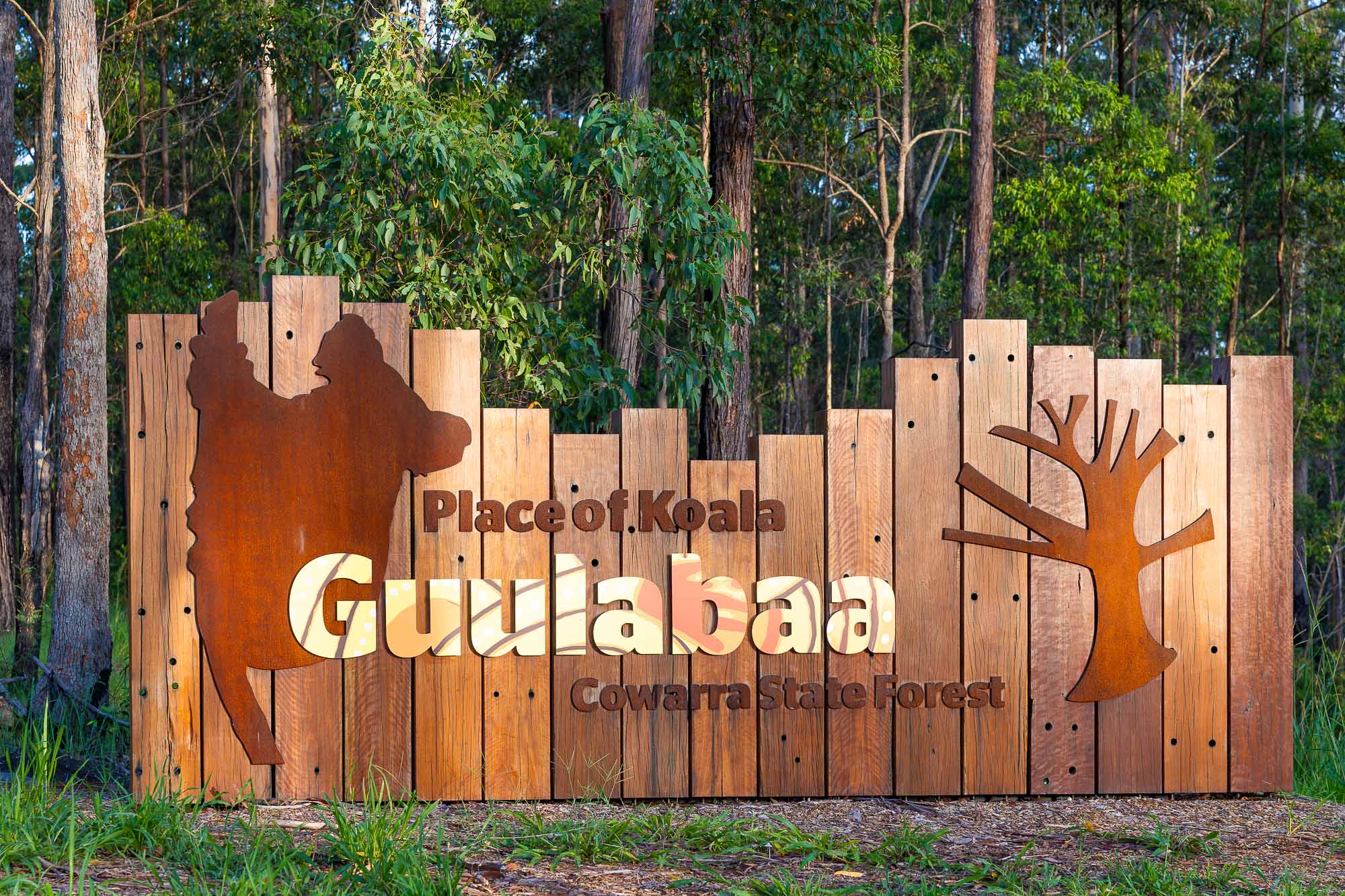
Guulabaa (Place of Koala)
A Living Example of Regenerative Design
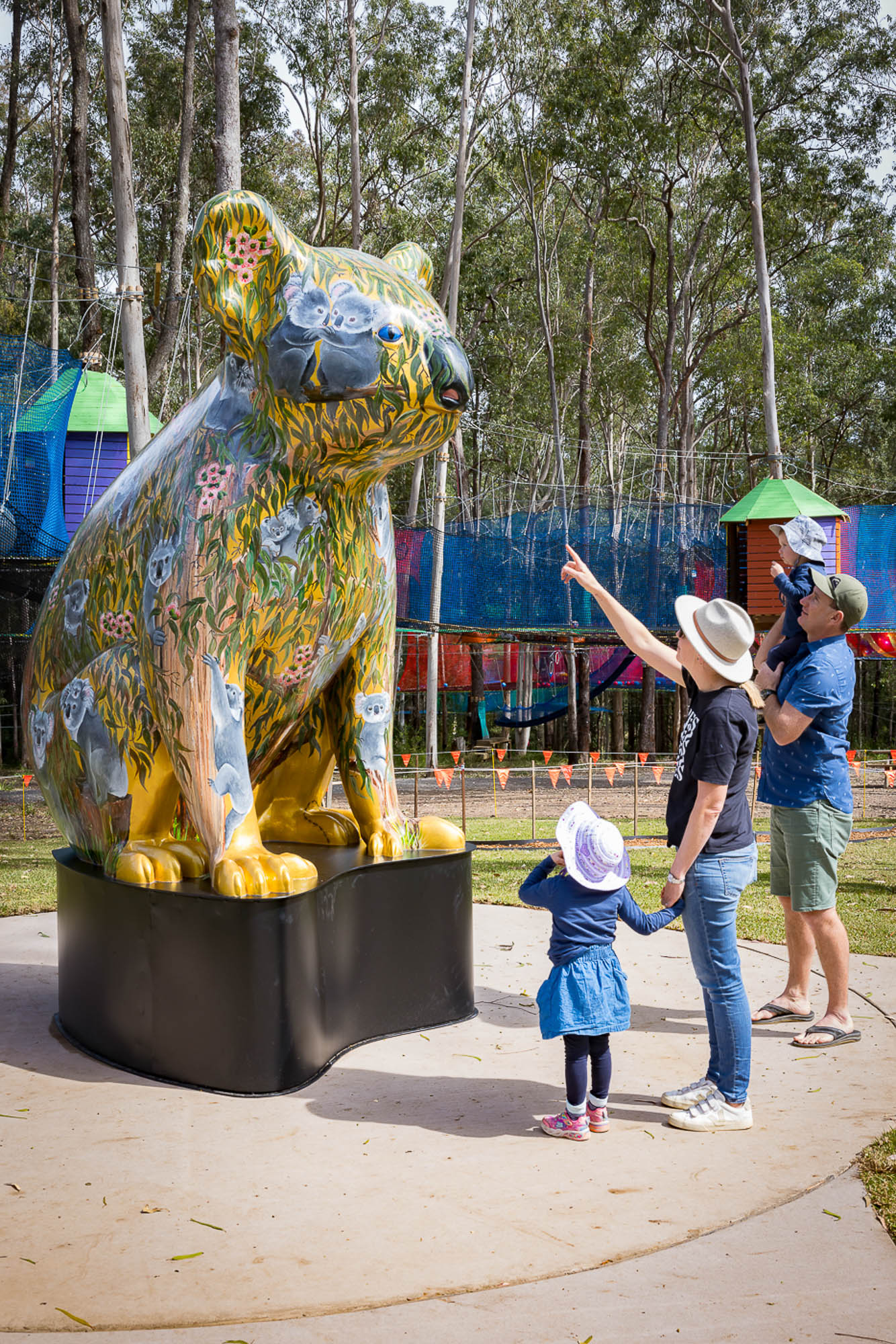
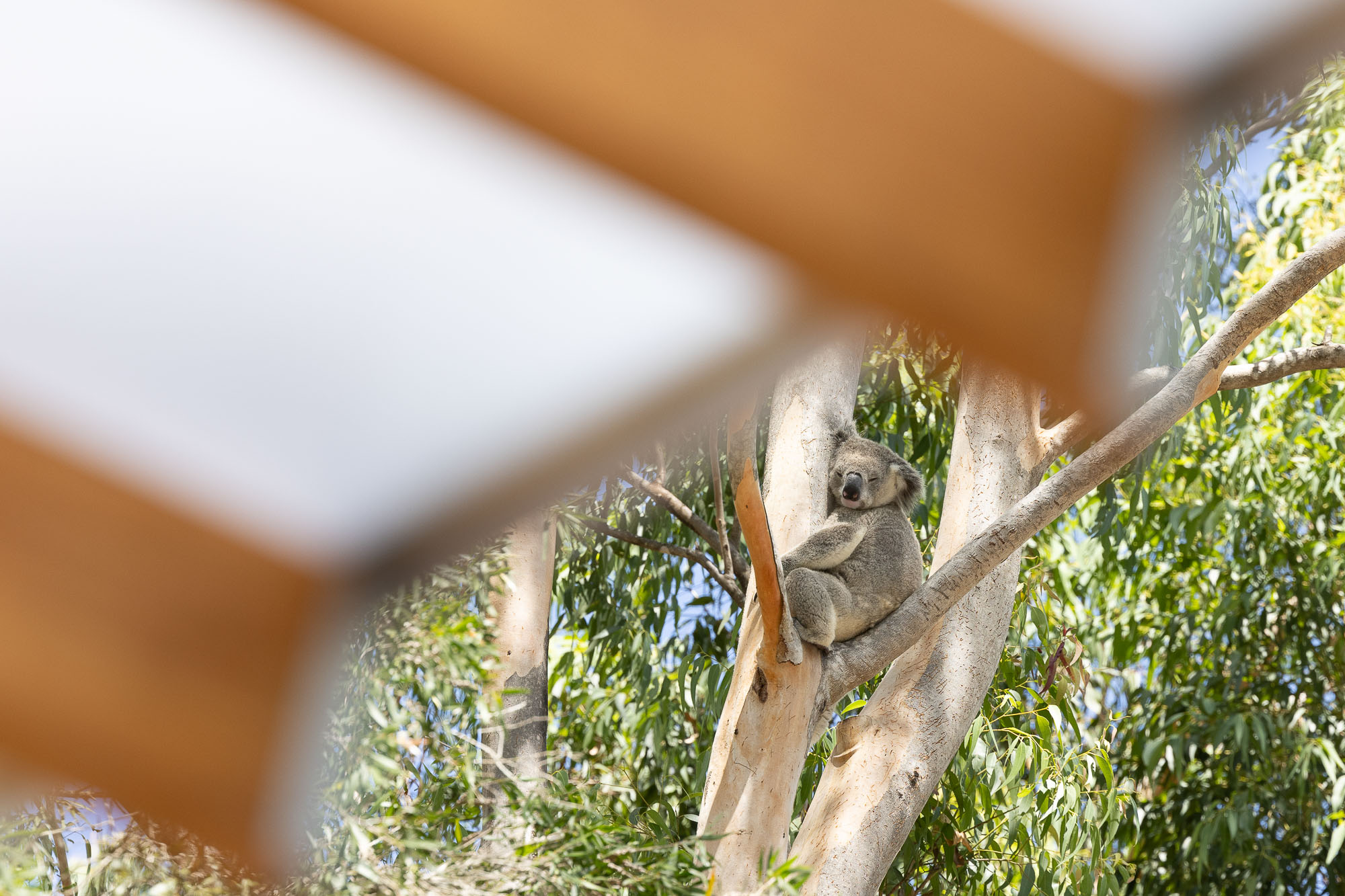
- World’s First Purpose-Built Wild Koala Breeding and Rehabilitation Centre
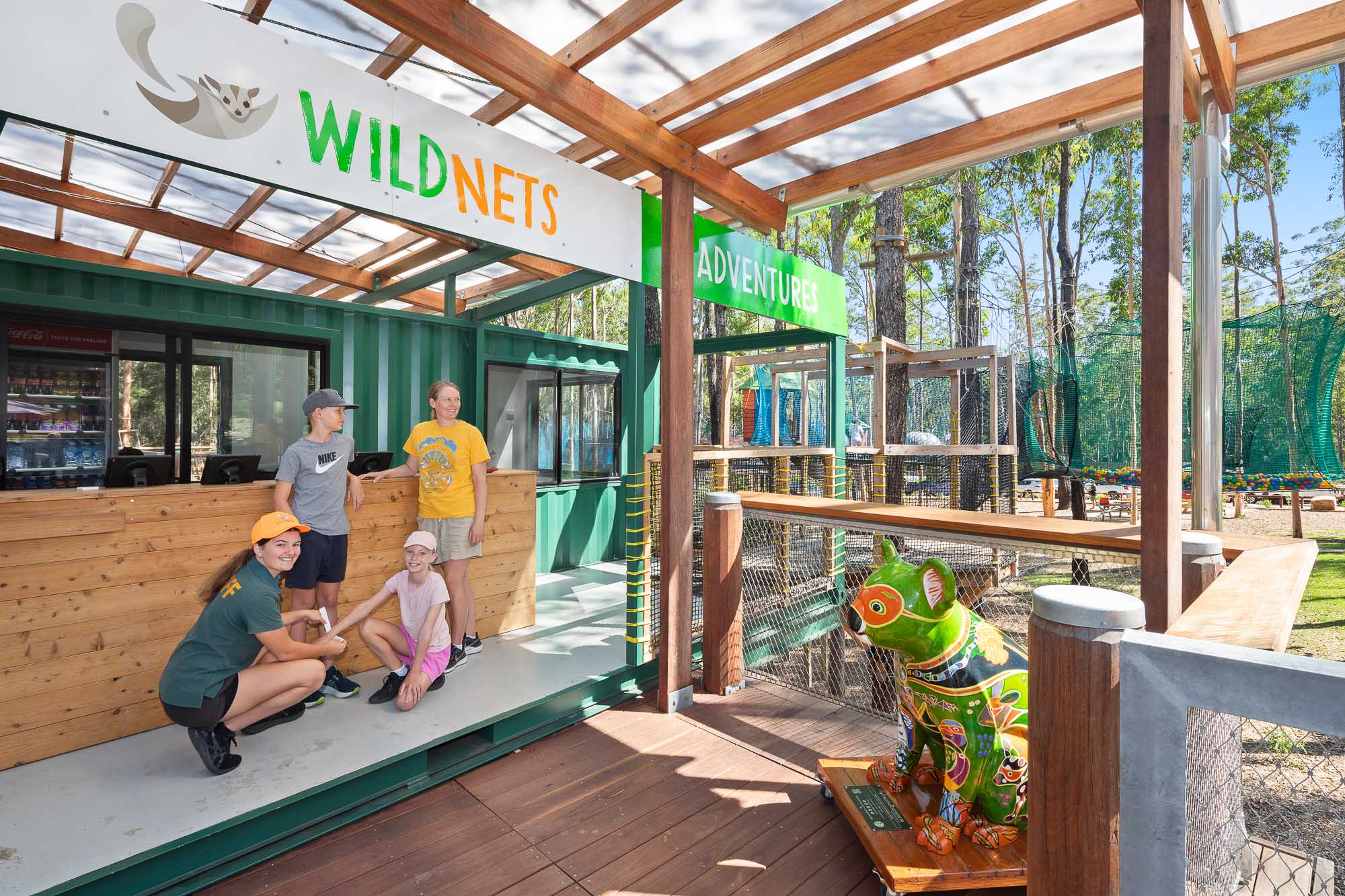
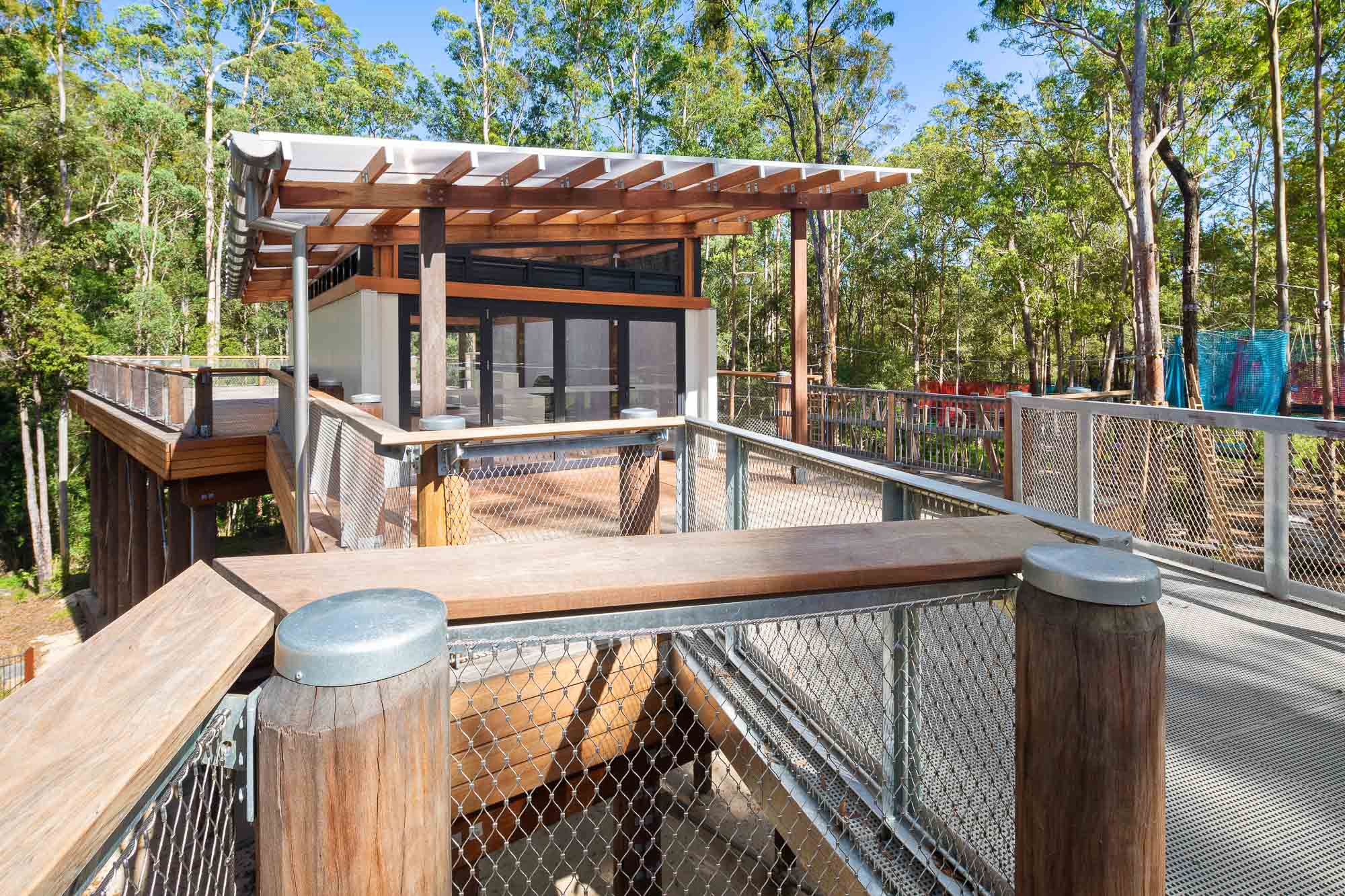
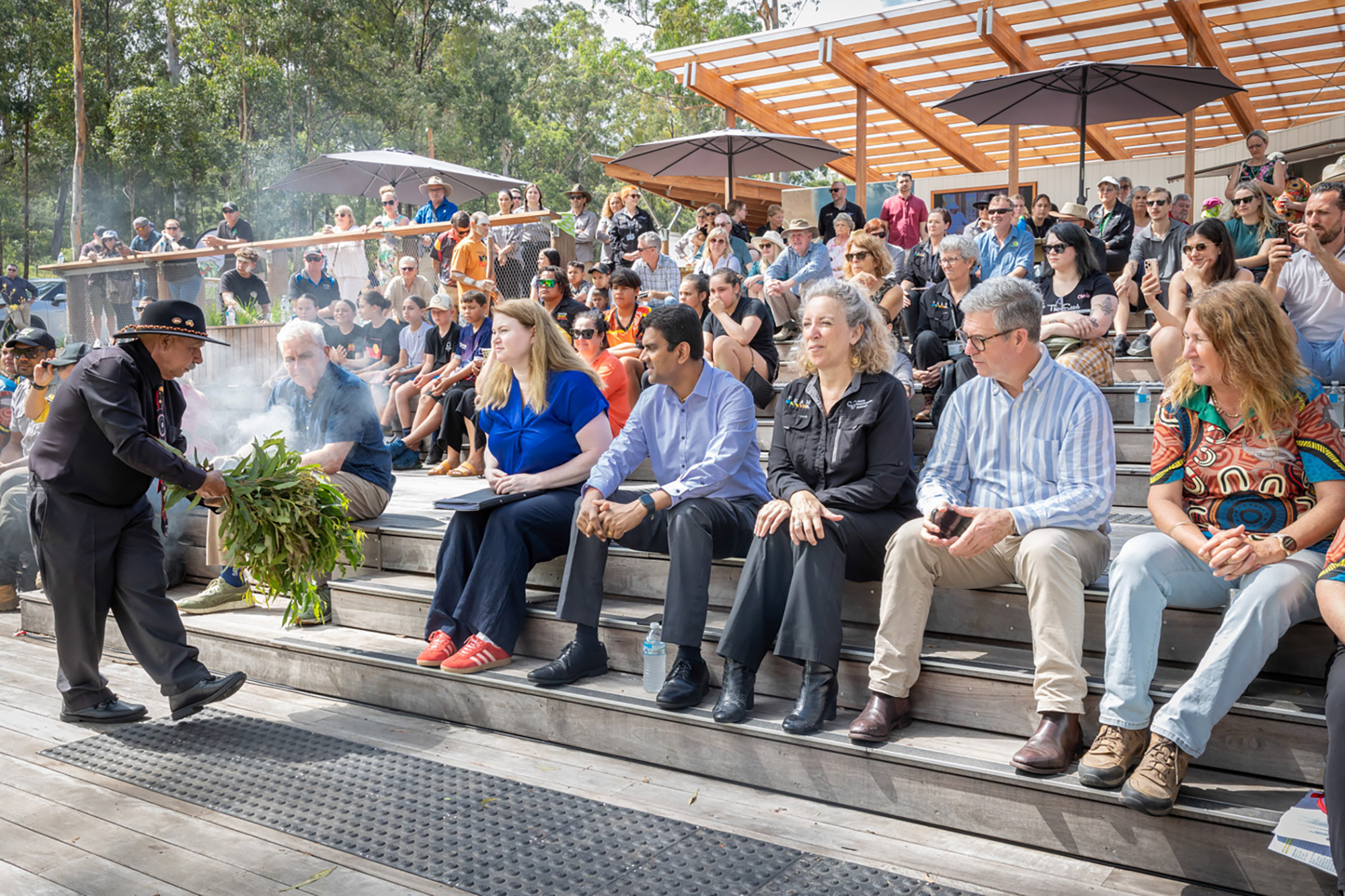
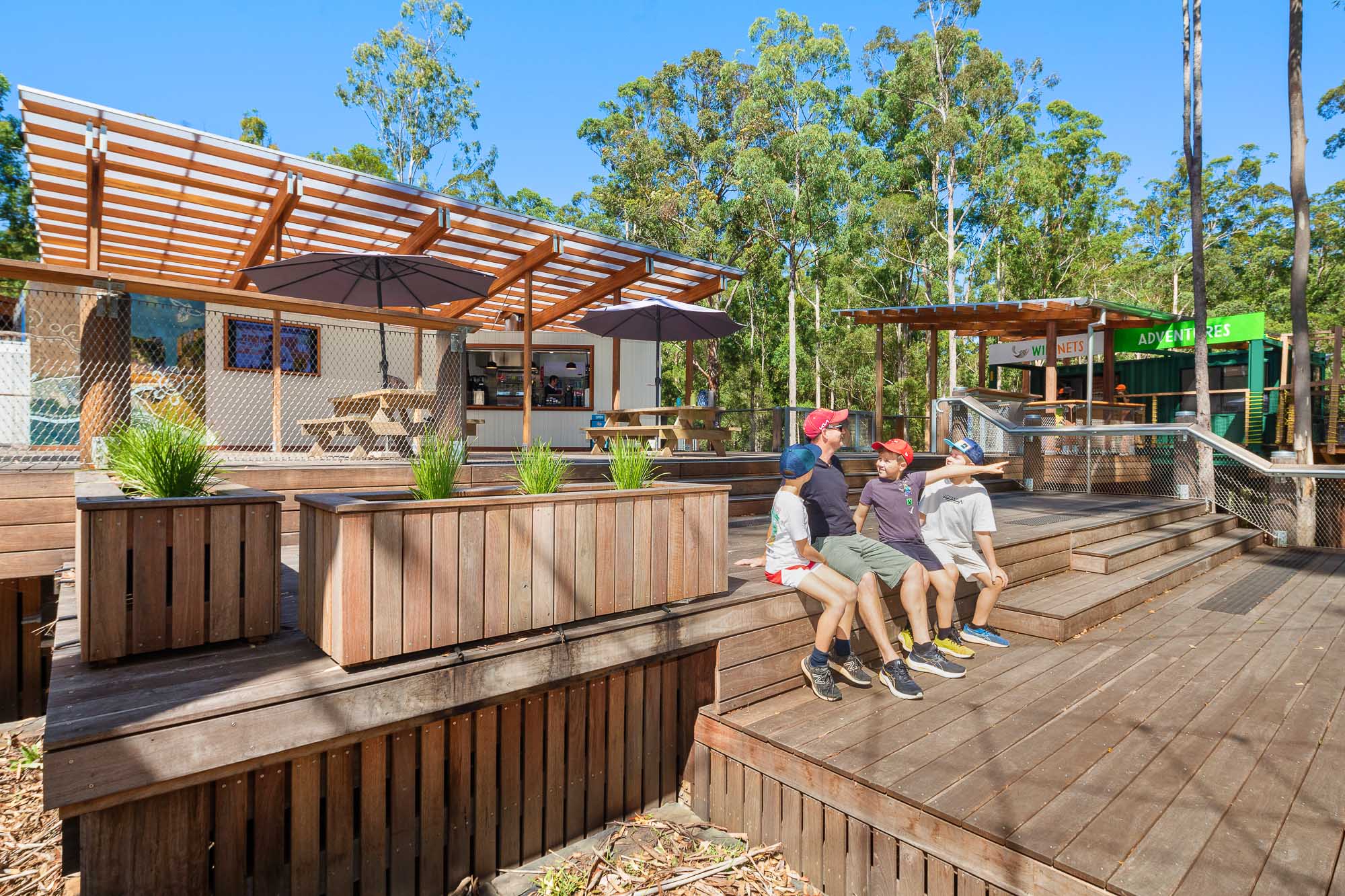
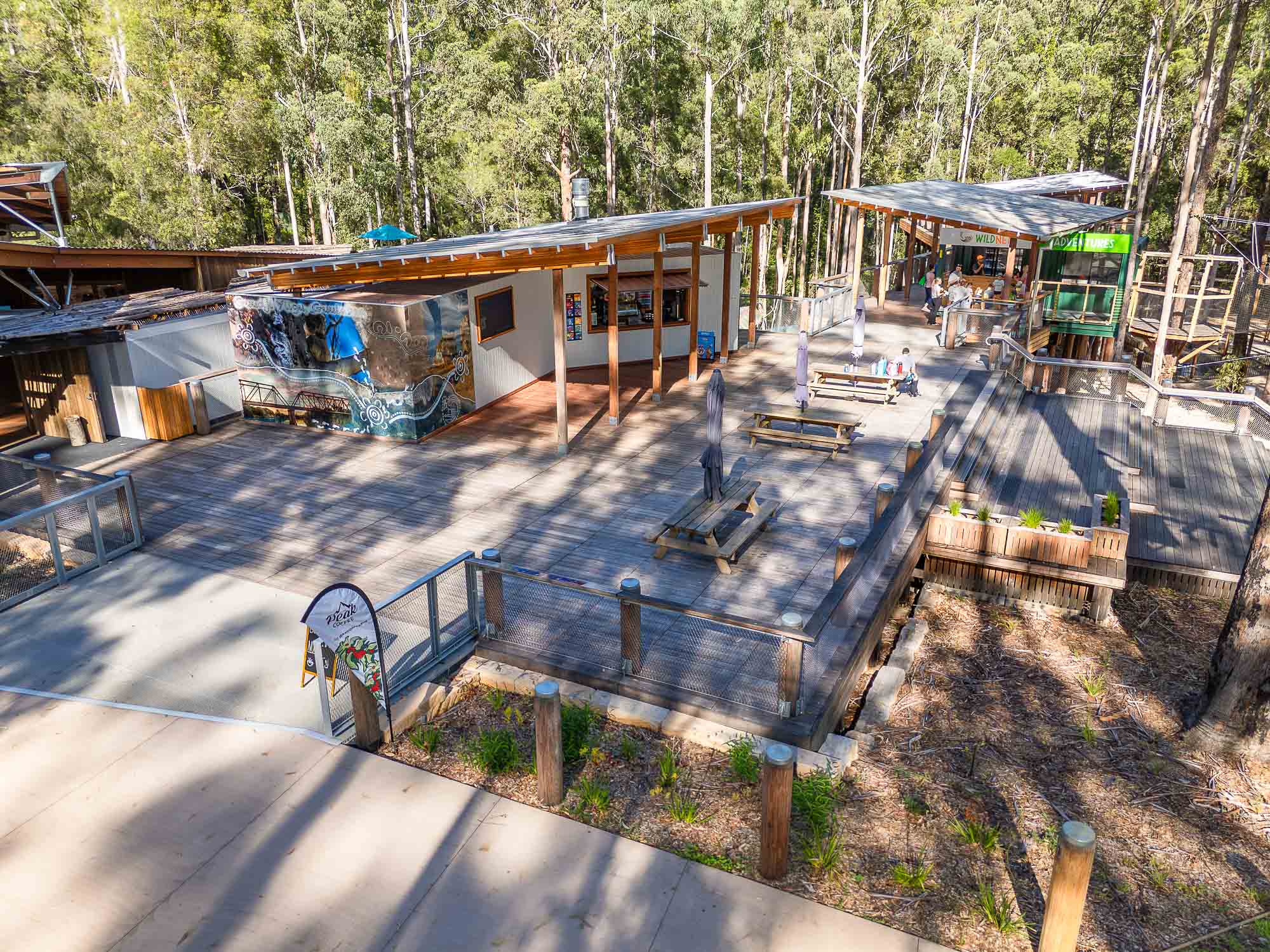
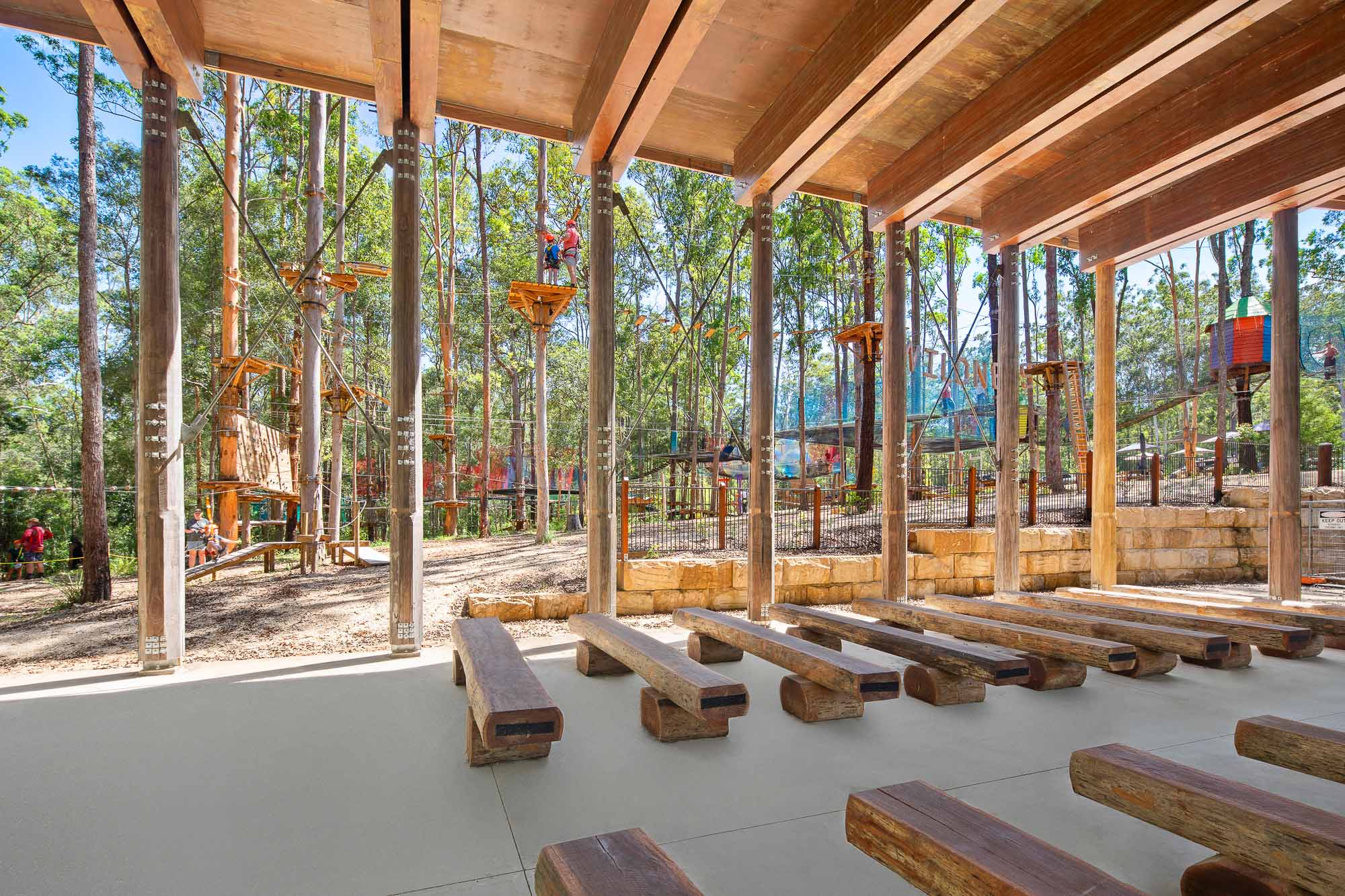
- Front of House Visitor Experience with Elevated Decks, Café, and Educational Amphitheatre
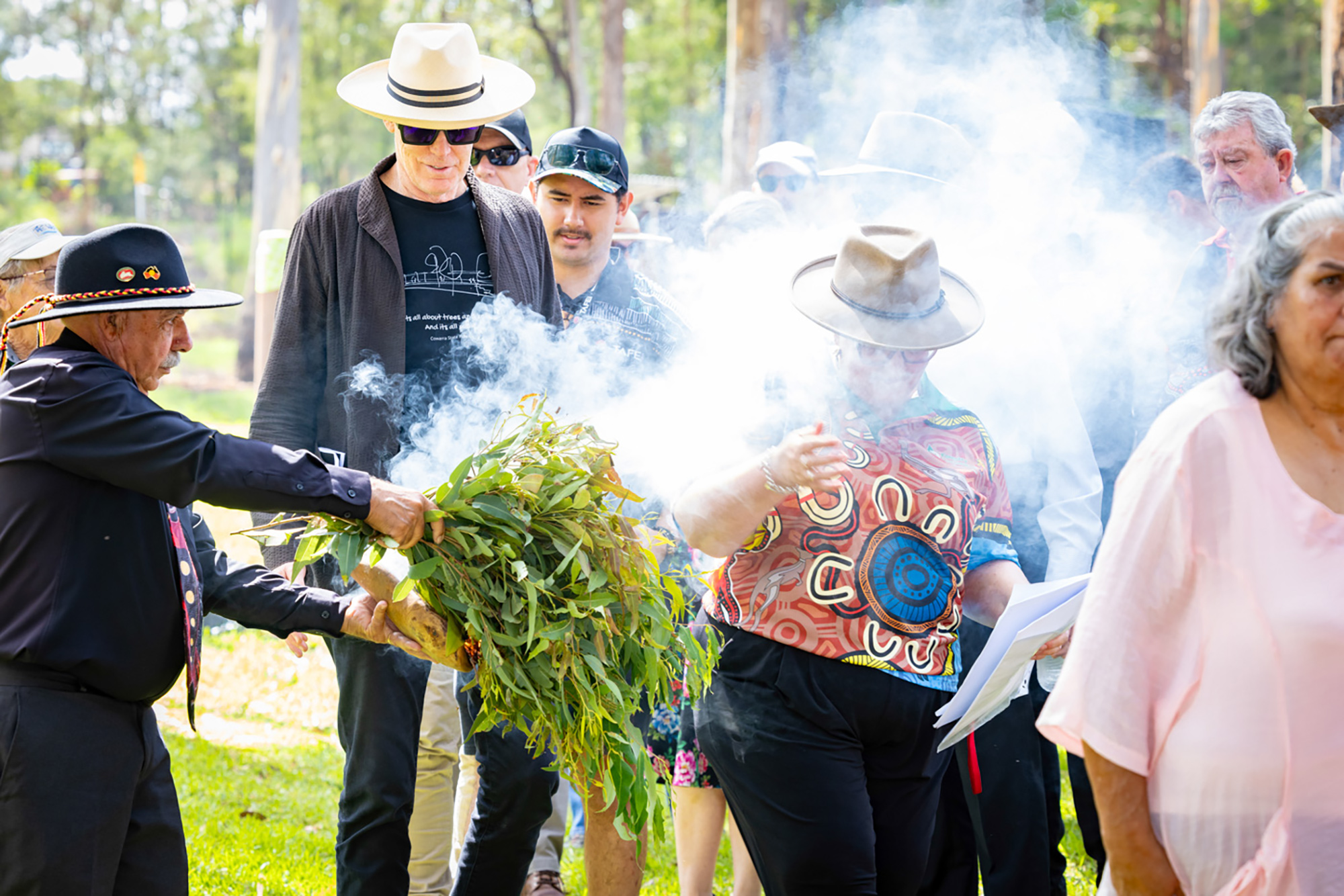
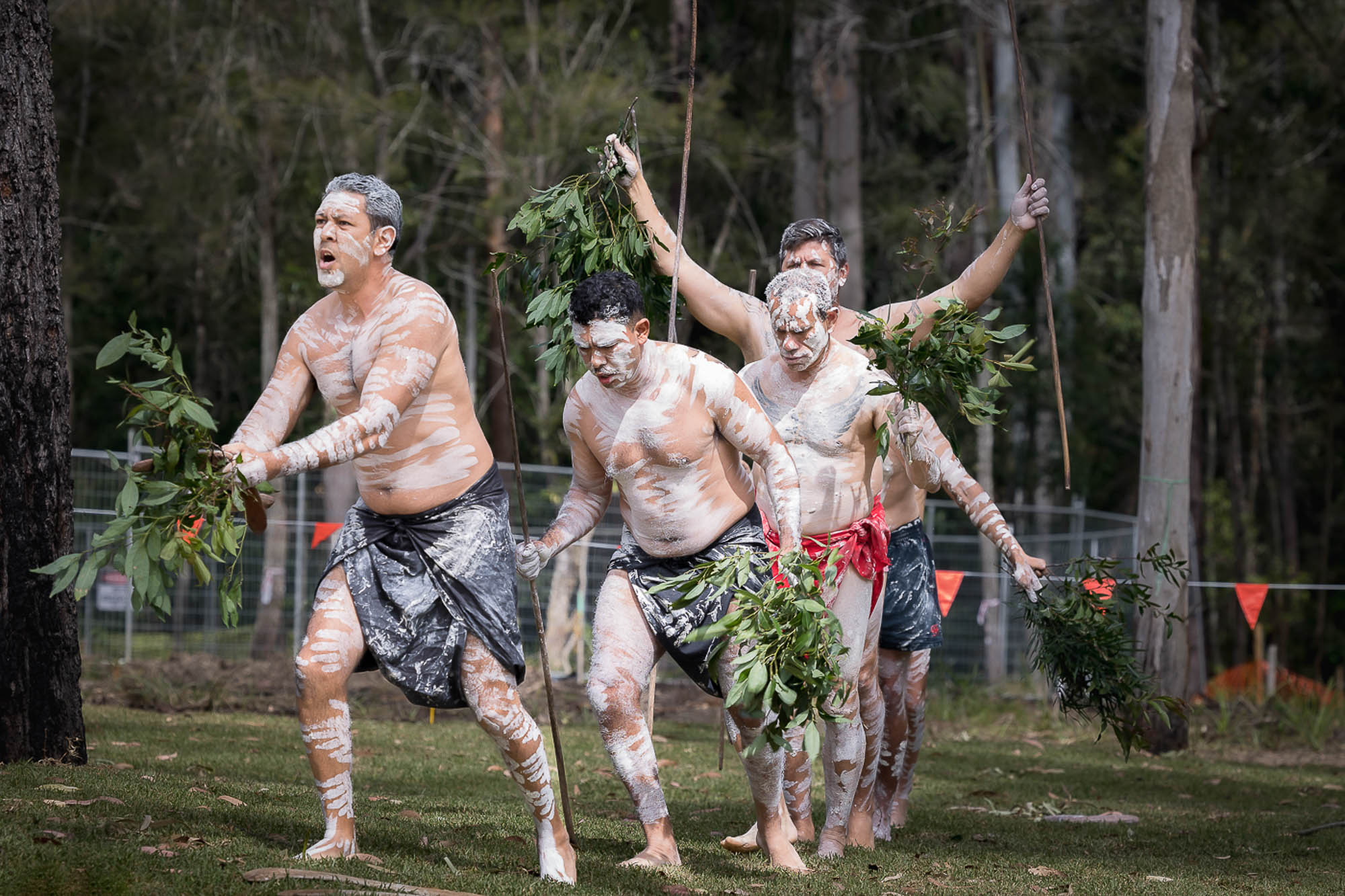
- Combines Indigenous Cultural Burn Practices with Contemporary Ecological Science
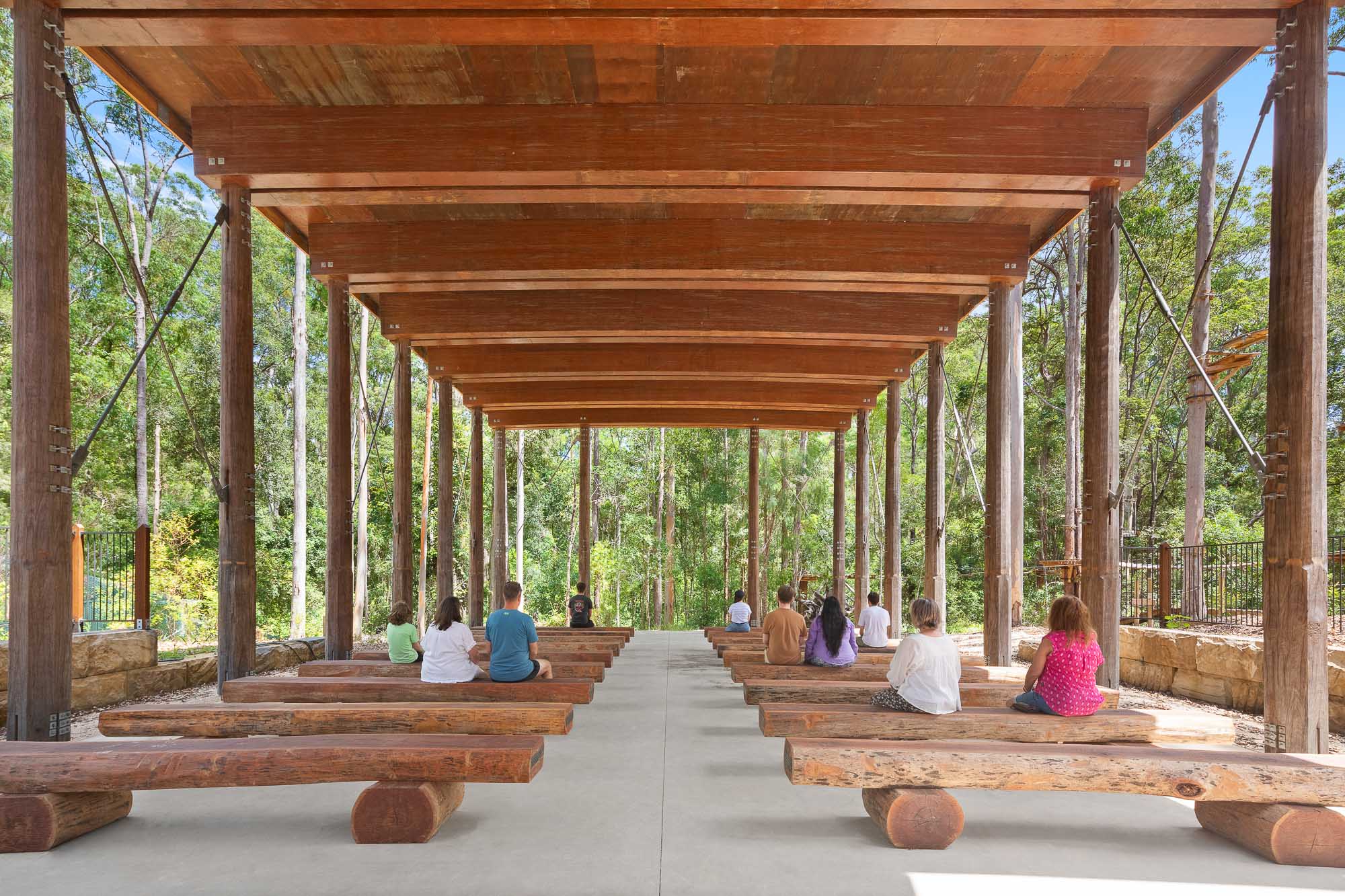
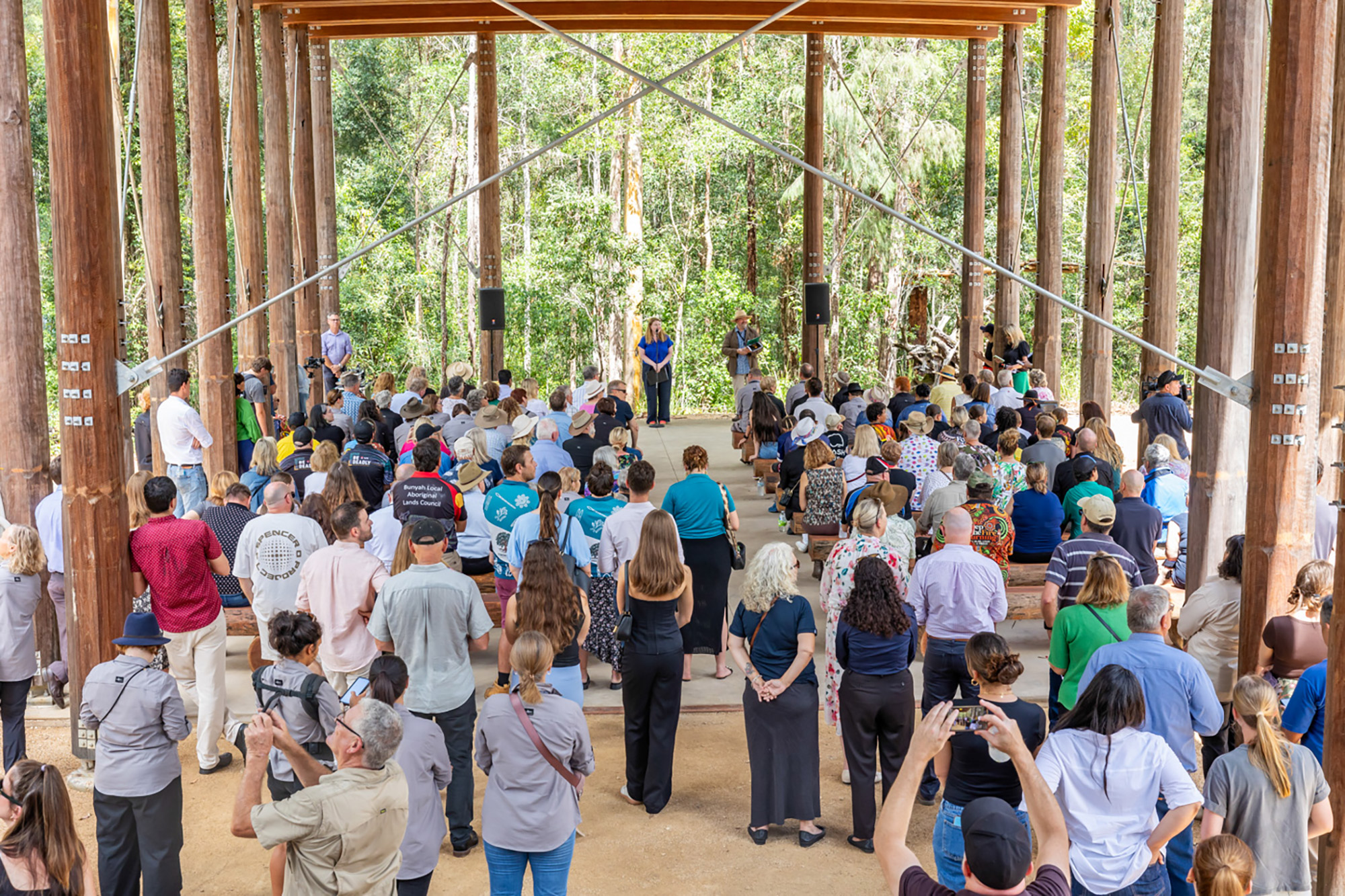
- Locally Sourced Hardwood Timber Fosters Fire Resilience and Forest Regeneration
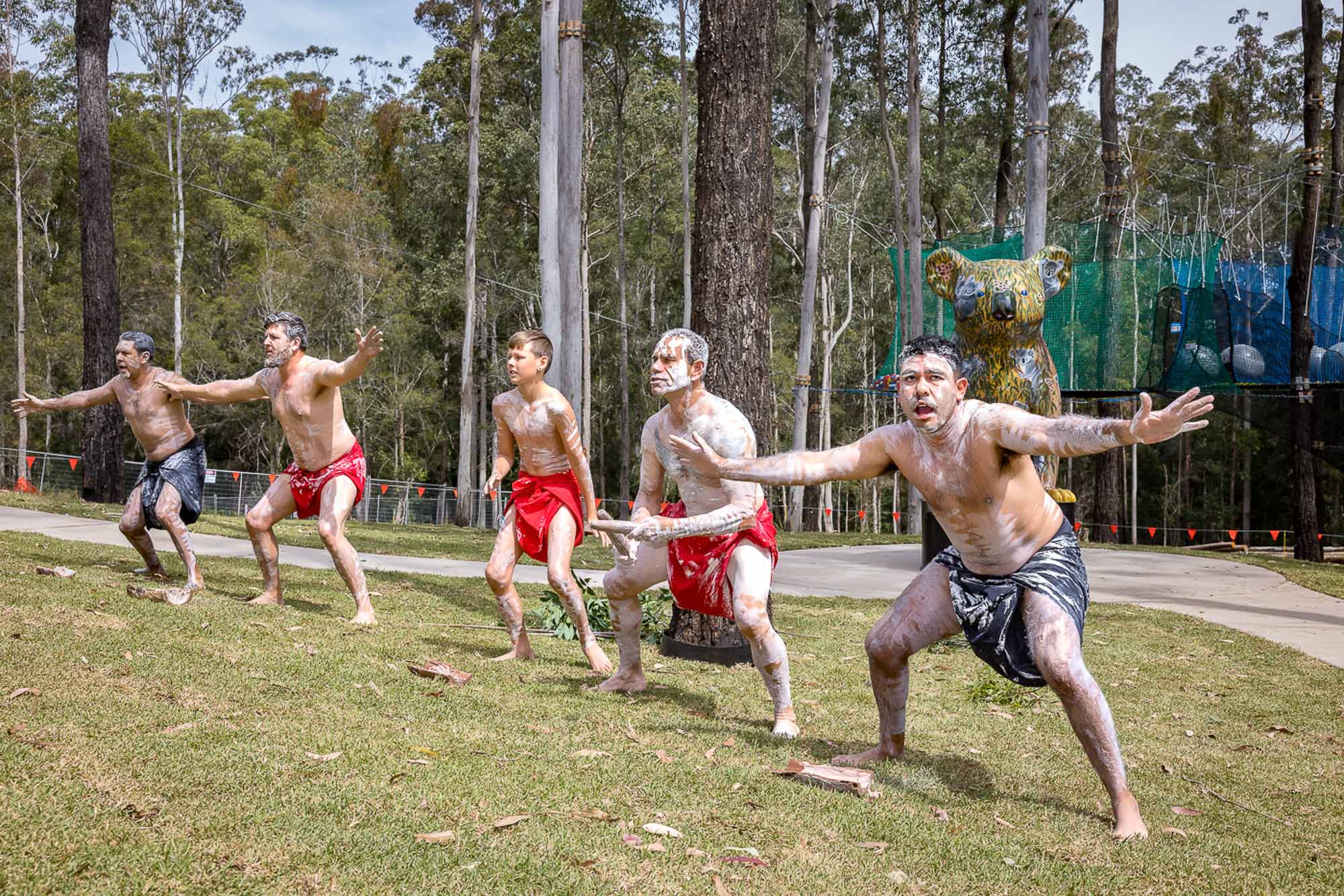
- Deep Collaboration with First Nations Peoples
- Educational Partnerships with the University of Newcastle and Taronga Zoo
- 2025 ULI Asia Pacific Awards for Excellence Winner
- World Architecture Festival 2025 Awards Finalist
- 2025 Good Design Award Winner, Built Environment
The 2019–2020 Black Summer Bushfires in Australia led to the destruction of over 24 million hectares of land, the displacement or death of 3 billion animals, and the endangerment of koalas — an iconic native species. Simultaneously, the need for sustainable forest management and reconciliation with First Nations Peoples’ land stewardship practices has become more urgent than ever. The Forestry Corporation of New South Wales engaged Gensler to create a nature-based tourism destination that protects endangered wildlife while fostering cultural education and ecological regeneration.
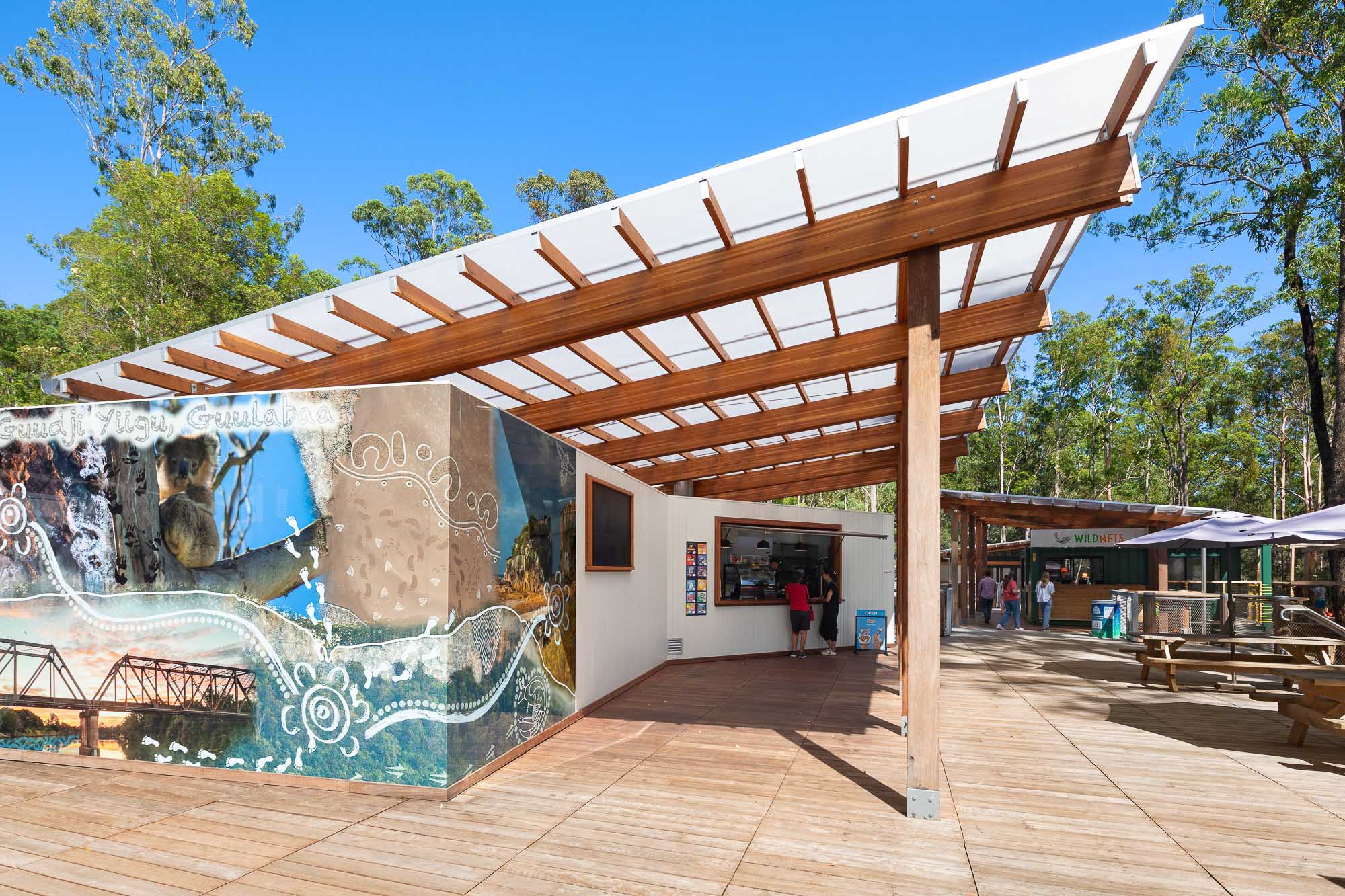
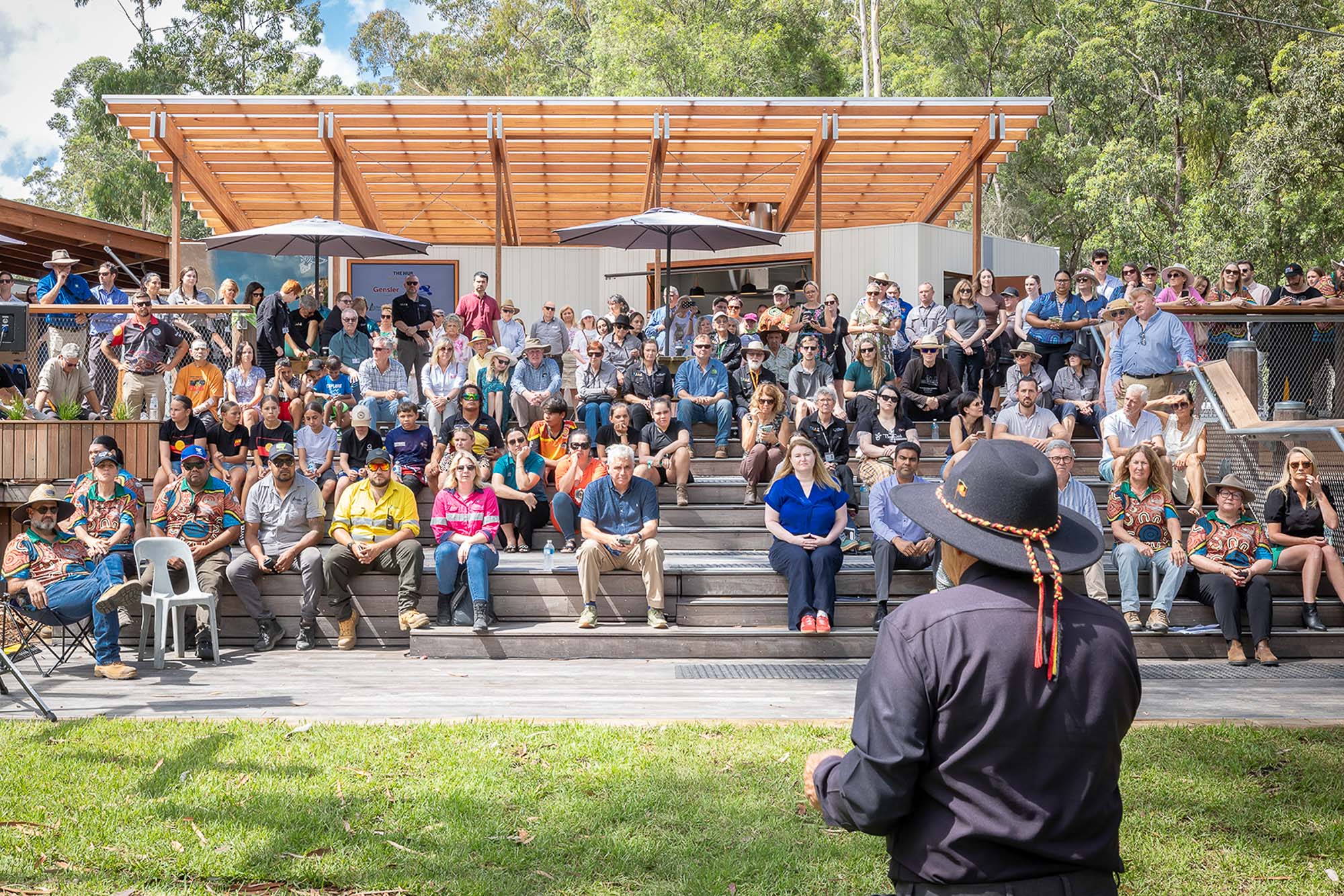
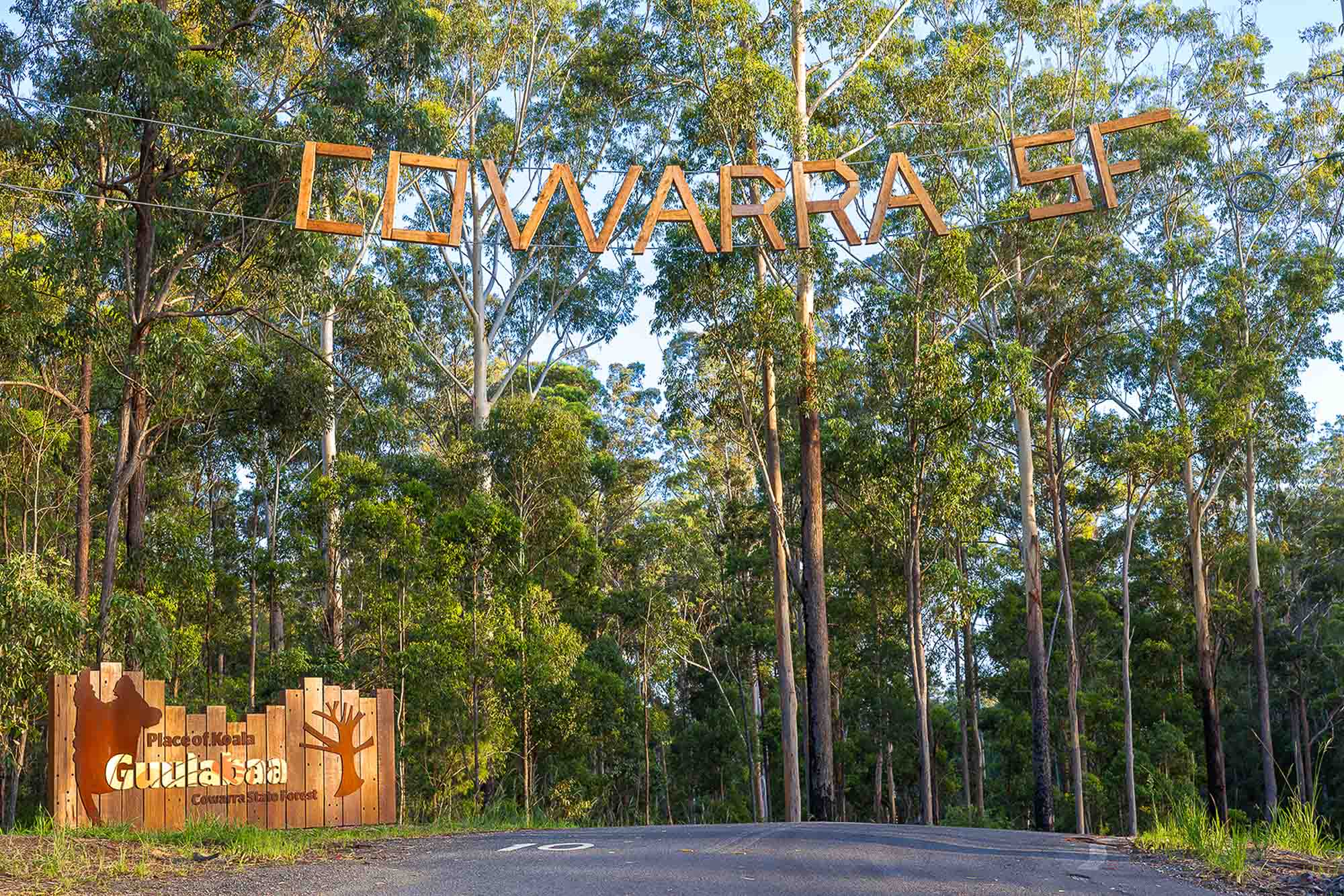
Gensler, in partnership with Forestry Corporation NSW and the Bunyah Local Aboriginal Land Council, designed Guulabaa (Place of Koala), a front-of-house visitor experience in Cowarra State Forest. The project integrates Indigenous knowledge systems with contemporary science to regenerate native forest ecosystems and support a koala breeding program. The design includes four elevated decks, a café and gallery operated by the Bunyah LALC, and an educational amphitheatre. Using Design for Manufacturing and Assembly (DfMA), local hardwoods, and cultural burn practices, the project embodies a uniquely local and sustainable approach to ecotourism.
Guulabaa is a living example of environmental stewardship, cultural respect, and regenerative design. It contributes to the survival of endangered koalas, promotes sustainable forestry, and creates economic opportunities for First Nations communities. Visitors leave with a deeper understanding of Country and a renewed commitment to sustainability. The project also sets a precedent for collaborative design, where architecture becomes a tool for healing land, culture, and community.
- Partners:
- Forestry Corporation NSW
- Bunyah Local Aboriginal Land Council
- Wildnets
- Koala Conservation Australia
- Hello Koalas Sculpture Trail
- Guulabaa
- PMKH (AJ+C)
- Taronga Zoo
- University of Sydney
- Prof. James Murray-Parkes
- TTW
- E-Labs
- SWP
- Cundall
- MBM
-
Sustainability Awards recognized Guulabaa as Architecture & Design’s 2025 Editor’s Choice winner for its meaningful contribution to and deep consultation with the local community. The Gensler-designed sanctuary integrates conservation, cultural heritage, education, and regenerative design.
-
Port Macquarie News of the Area featured Guulabaa (Place of Koala), designed by Gensler, following its win at the 2025 Australian Good Design Awards. The forest-based tourism precinct in the Cowarra State Forest received the major honour in the Built Environment category.
-
The Sydney Morning Herald reports that Guulabaa (Place of Koala), designed by Gensler, is among projects shortlisted for the 2025 World Architecture Festival. Guulabaa is Australia’s first facility for breeding and releasing koalas back into the wild.
-
Architecture & Design spotlighted Guulabaa, the world’s first purpose-built wild koala breeding and rehabilitation centre, and ULI 2025 Asia Pacific Awards for Excellence winner. The project reflects conservation-led design, Indigenous collaboration, and resilient land stewardship.
Pali High South
Flandreau Santee Sioux Tribal Wellness Center
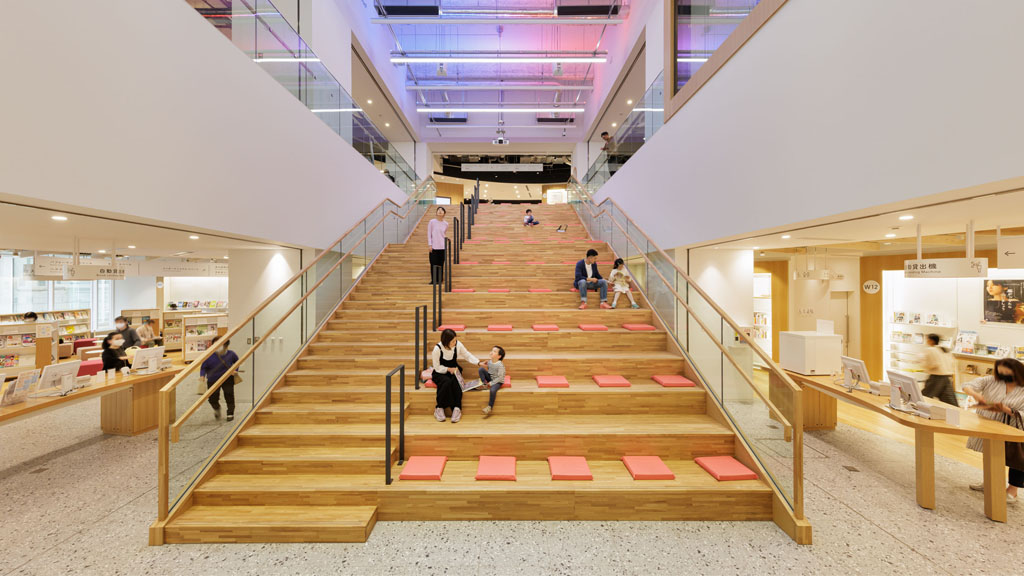
Toyohashi Machinaka Library
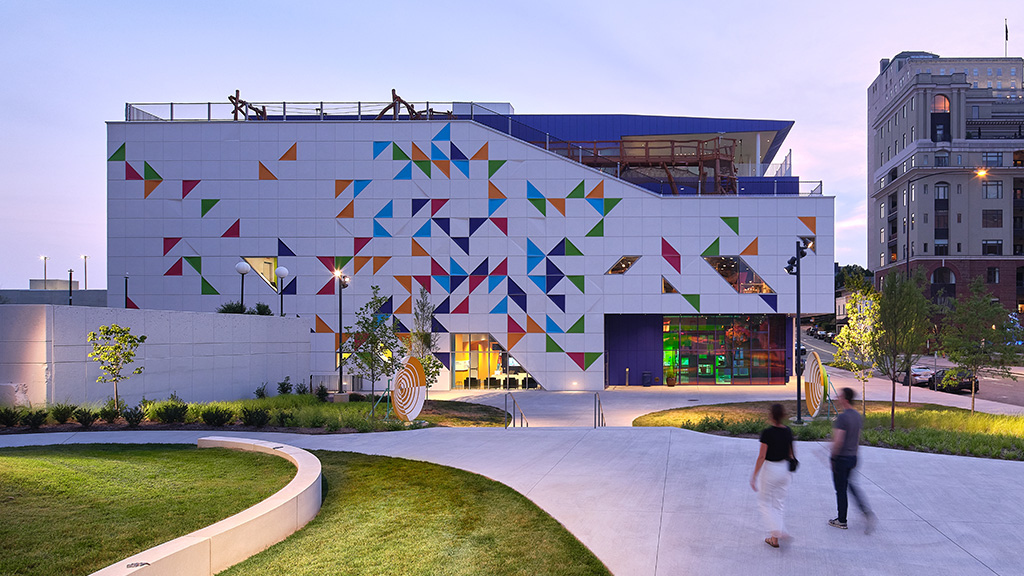
Kaleideum
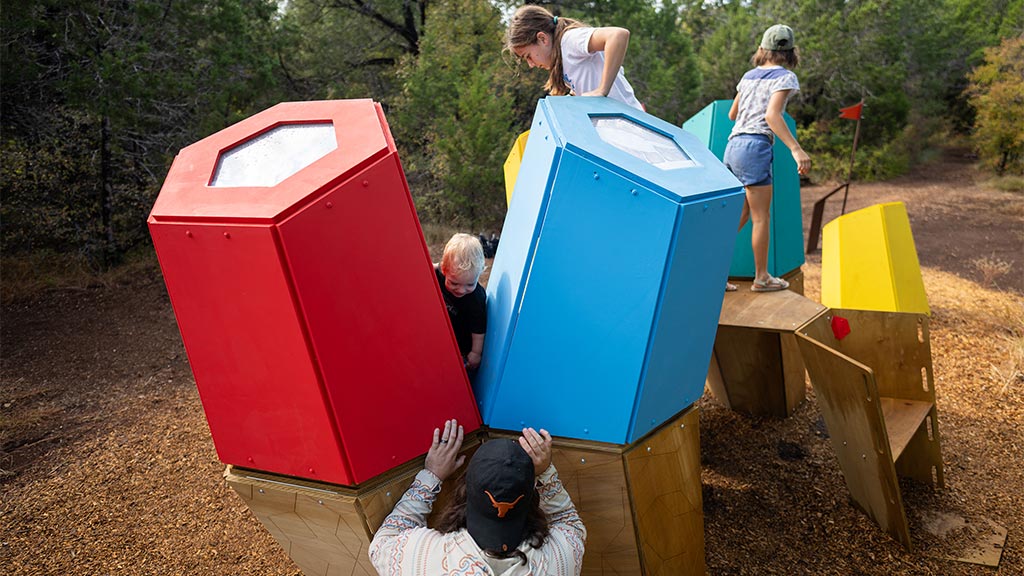
Perch Play Fortlandia
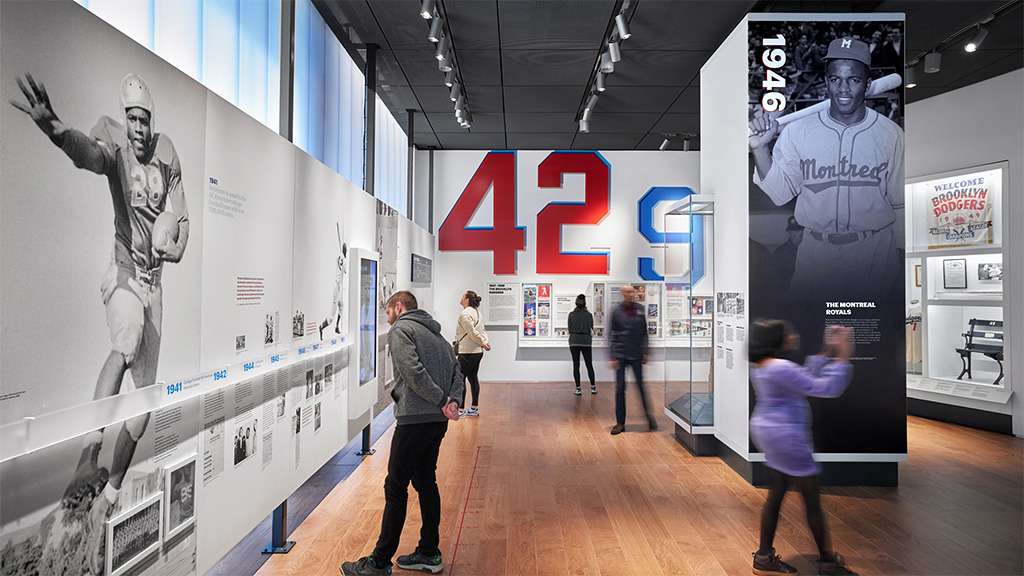
Jackie Robinson Museum
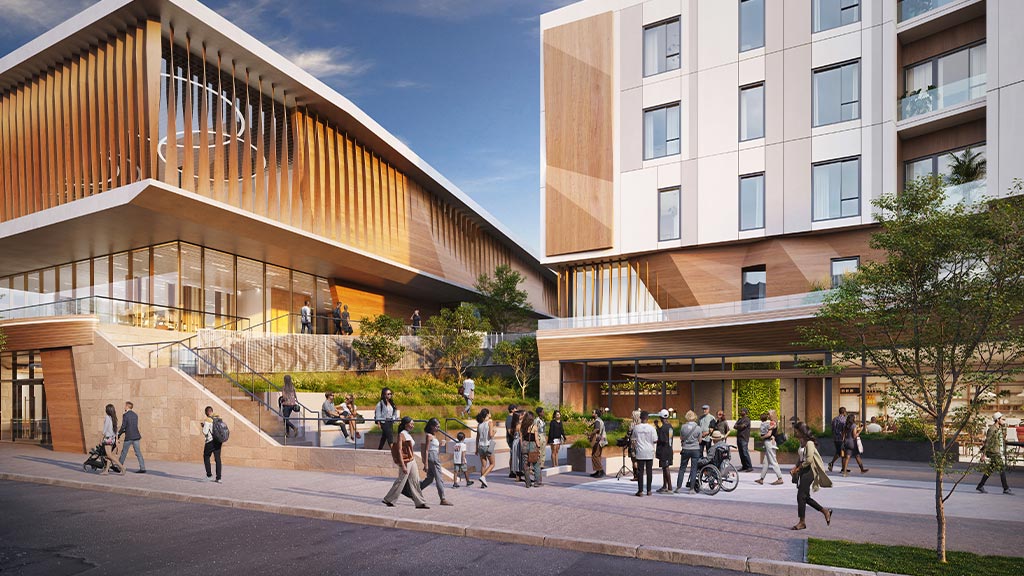
Black Ensemble Theater
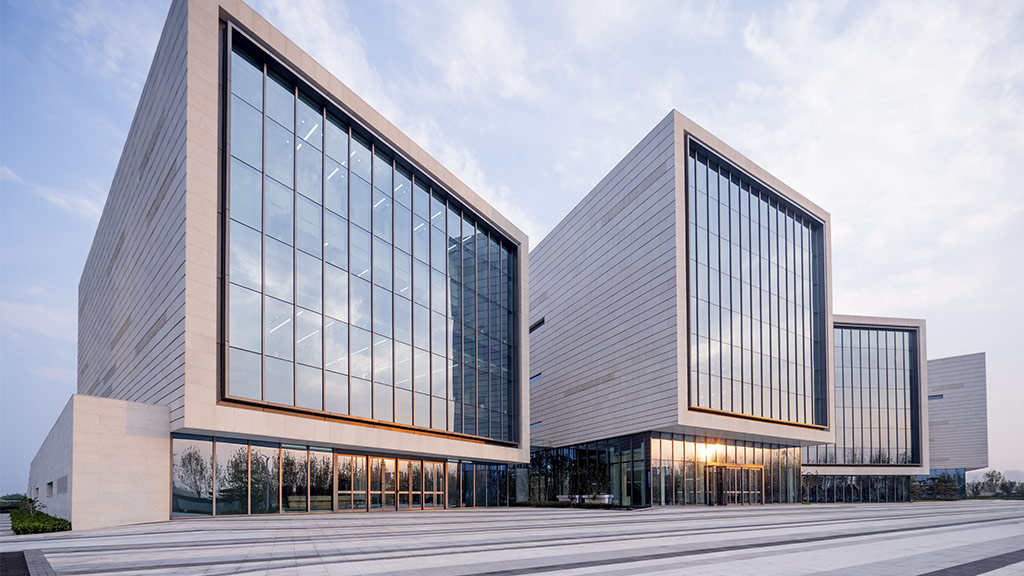
Yantai Huang-Bohai Sea New Area Industrial Culture Center
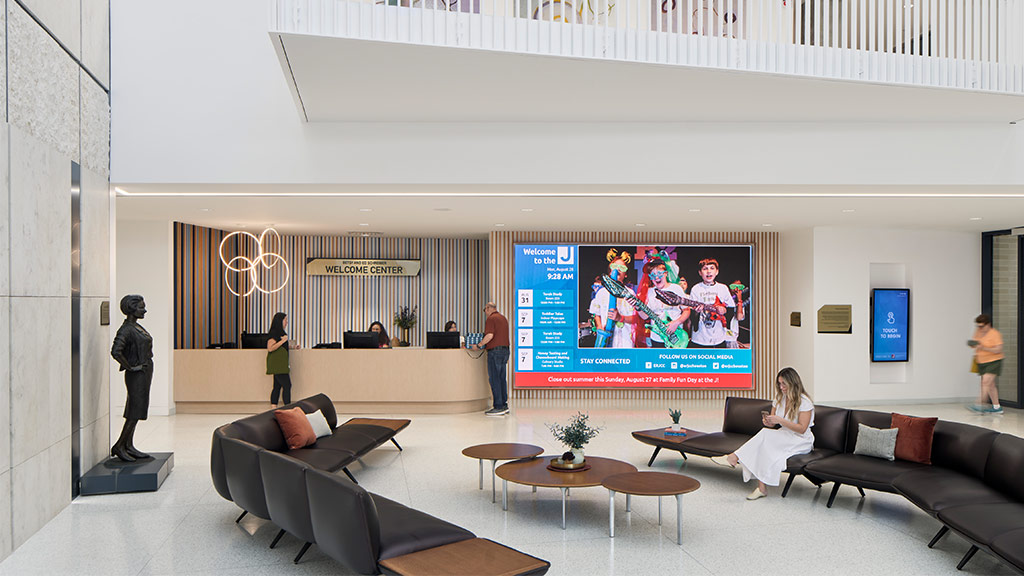
Evelyn Rubenstein Jewish Community Center of Houston
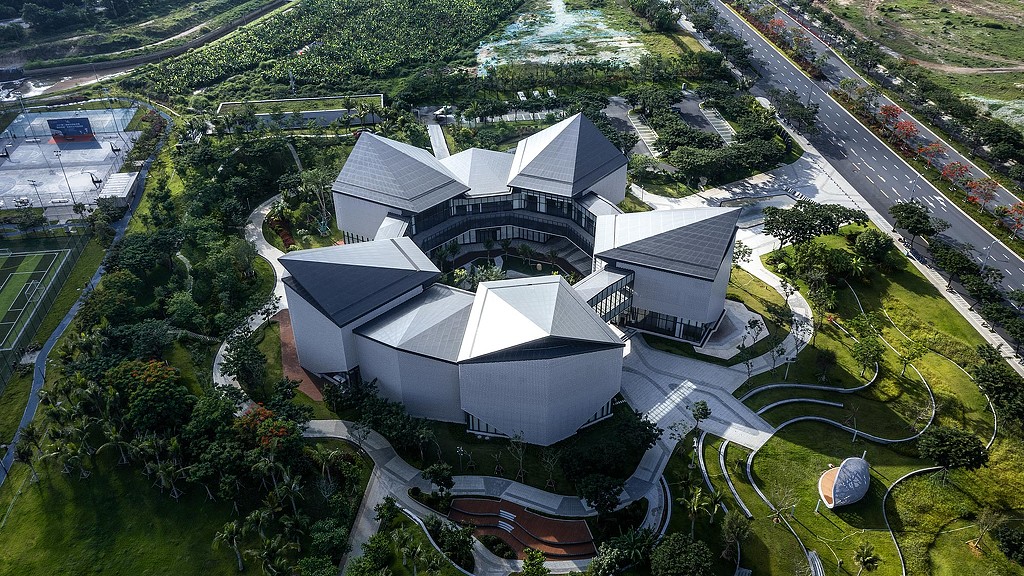
Sanya Yazhou Bay Science and Technology City
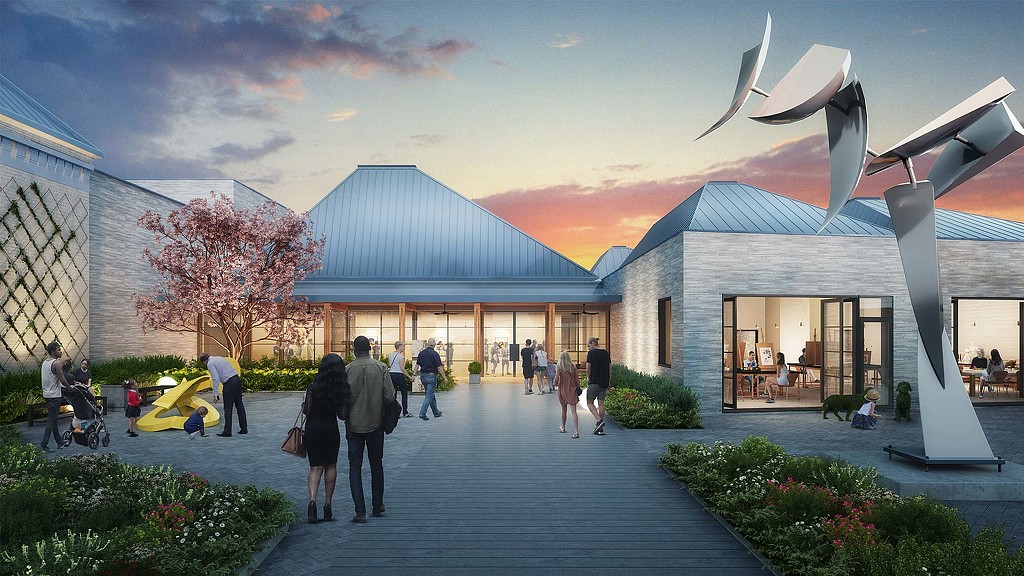
LaGrange Art Museum
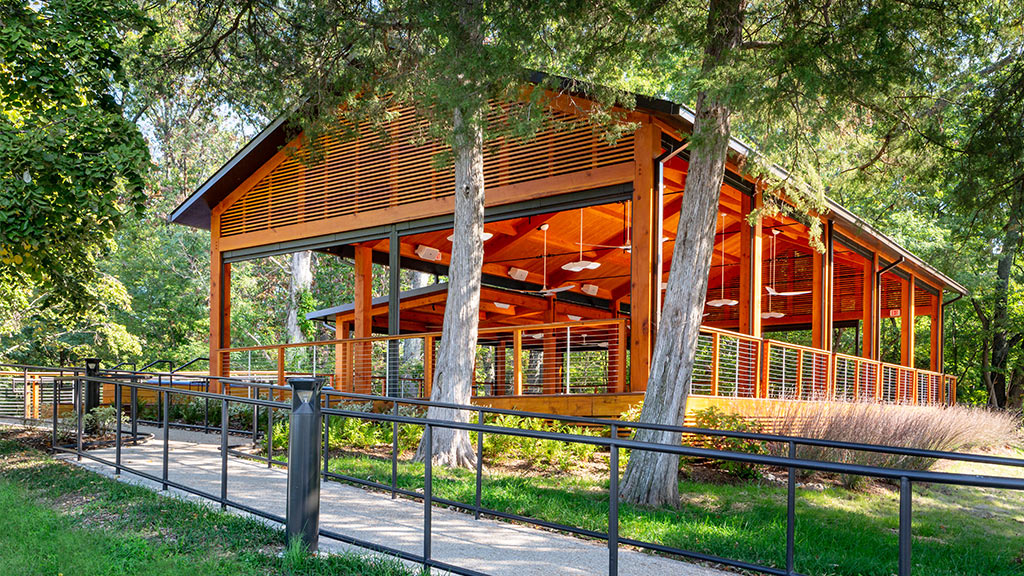
Wolf Trap Pavilions
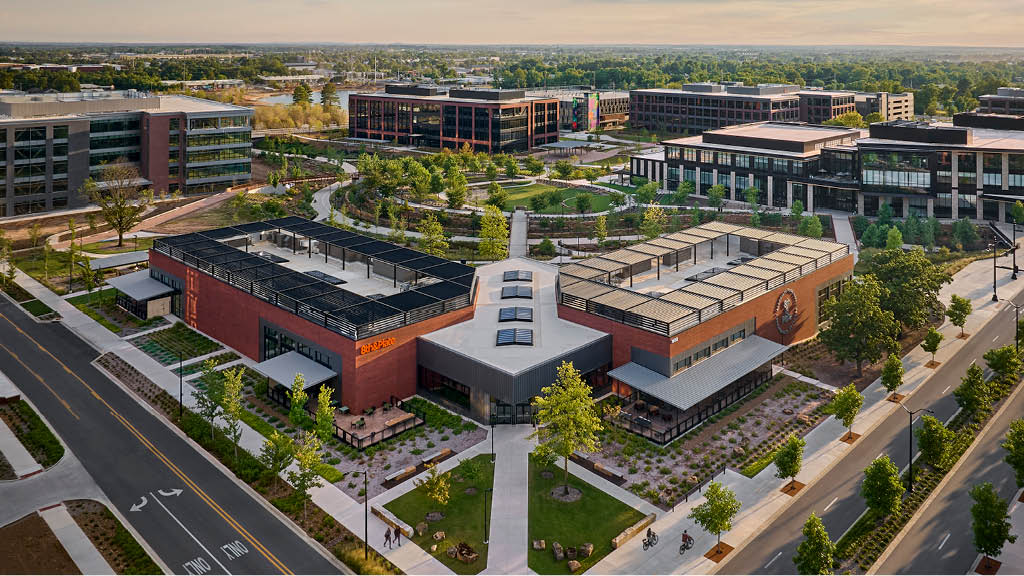
Resilience by Design
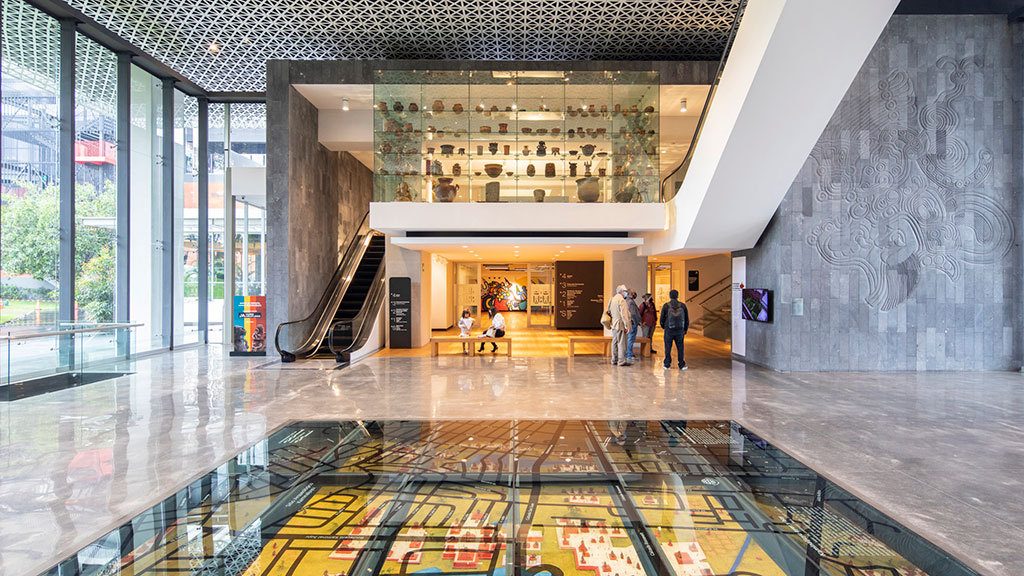
Energy Meets Art: How Museums Are Rethinking Climate Control
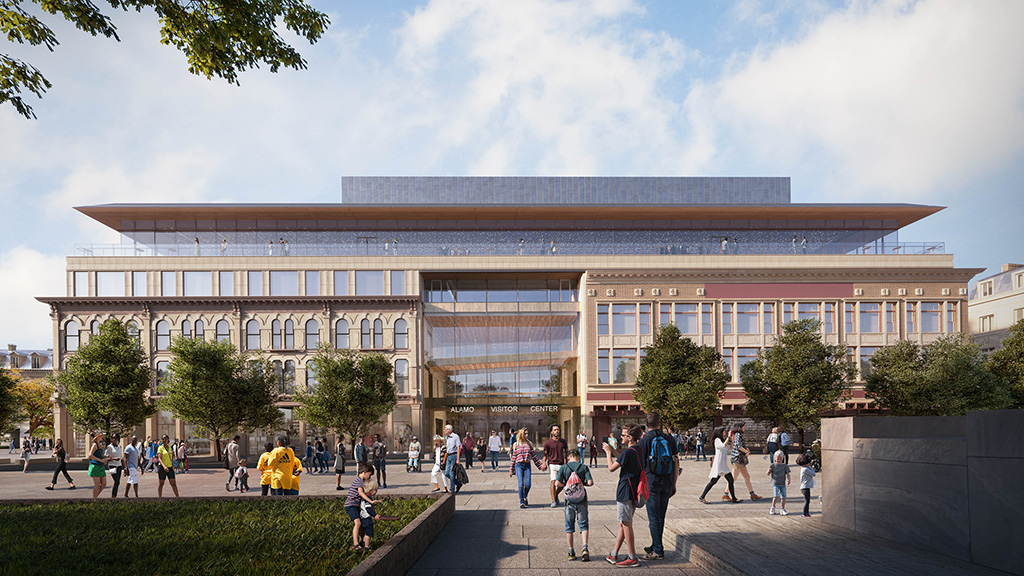
The Evolution of the Museum
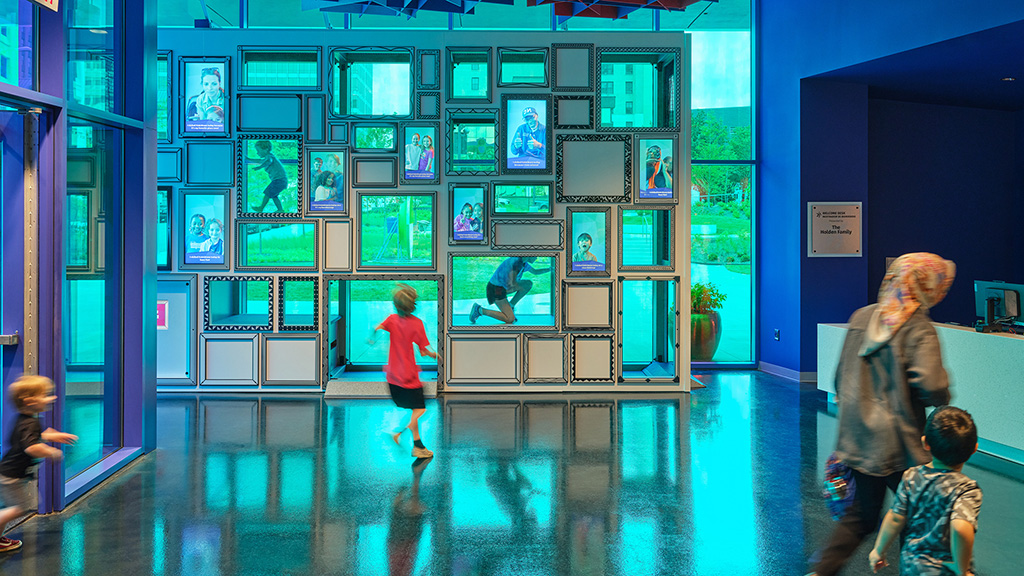
Creating a Range of Entry Points to Engage New Museums Audiences
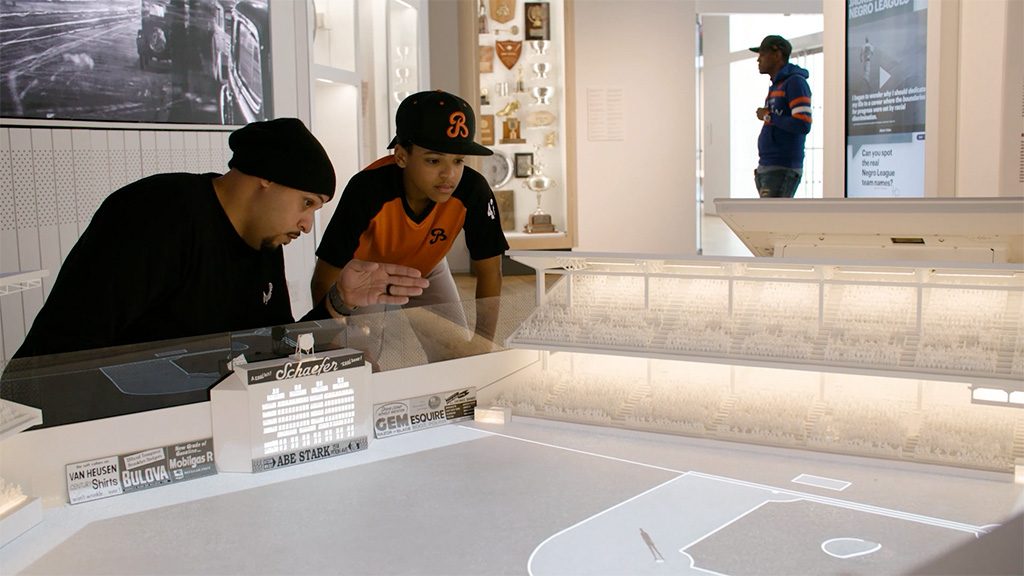
Beyond the Screen: Exploring the World of Museums and Experiential Technology
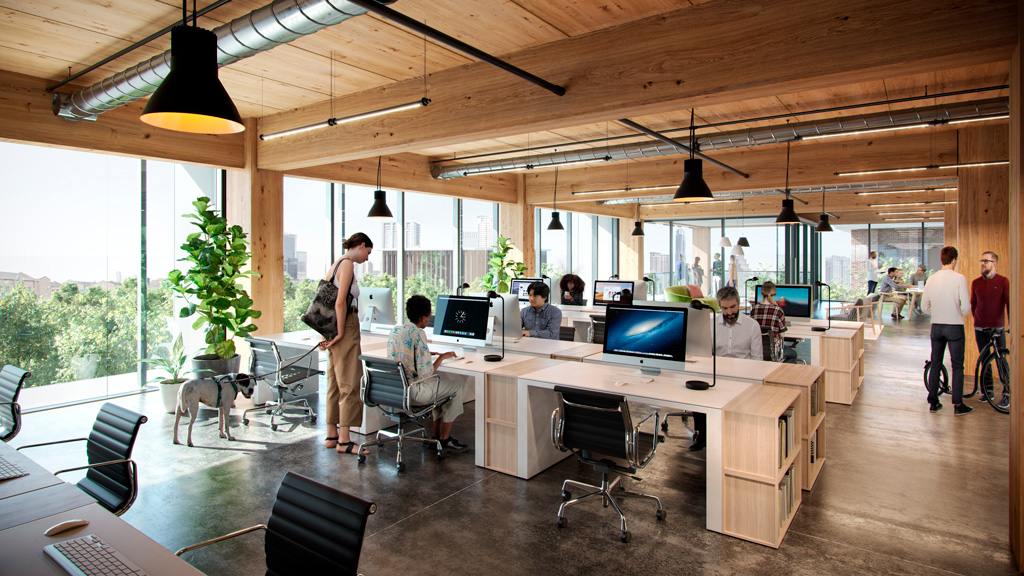
The Biogenic Materials Revolution Has Begun and Mass Timber Is Leading the Way
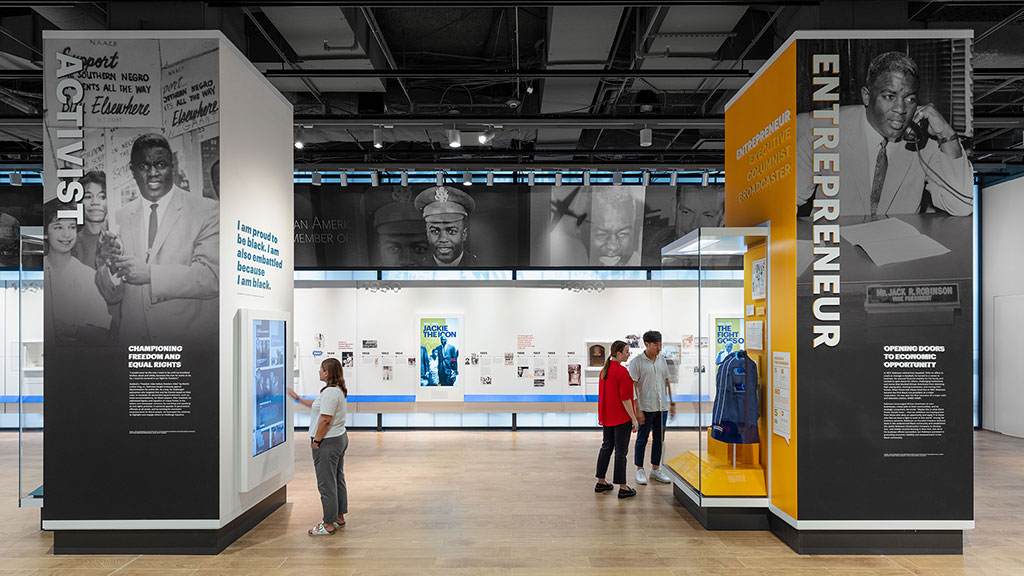
Rethinking What Museums Can Do for Communities — and How We Design Them
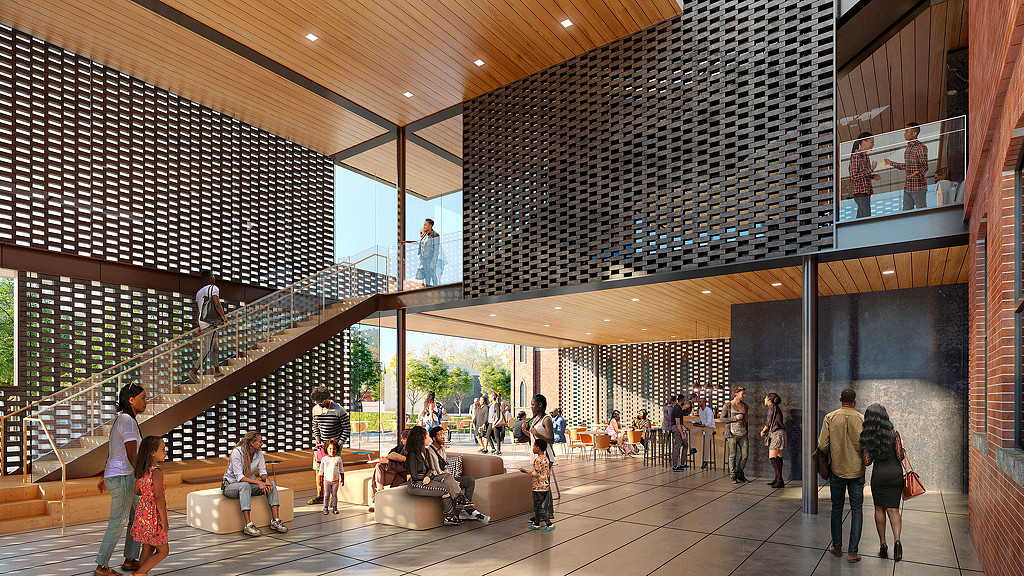
How Inside-Out Design Can Boost the Cultural Experience
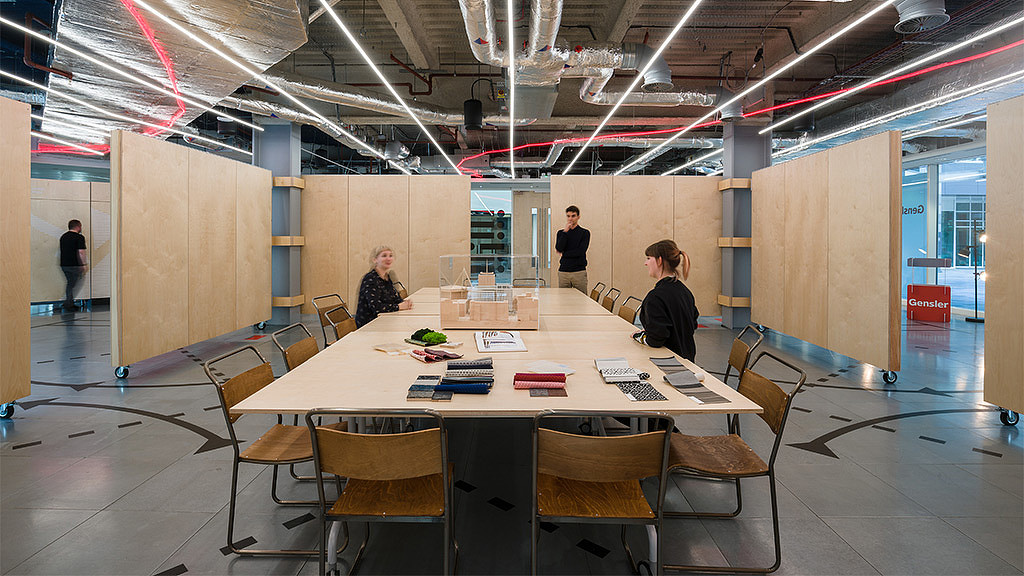
Navigating the Circular Economy: How Reusing Materials Saves Costs and Lowers Embodied Carbon