- Achieved Over 90% Leasing Rate for Both Office and Retail Spaces
- Reduced Total Floors From 30 to 21
- Transformed 514-Room Hotel Into 35,000 Square Meters of Office Space and 20,000 Square Meters of Retail
- Increased Typical Floor Height From 3.2 to 4.5 Meters
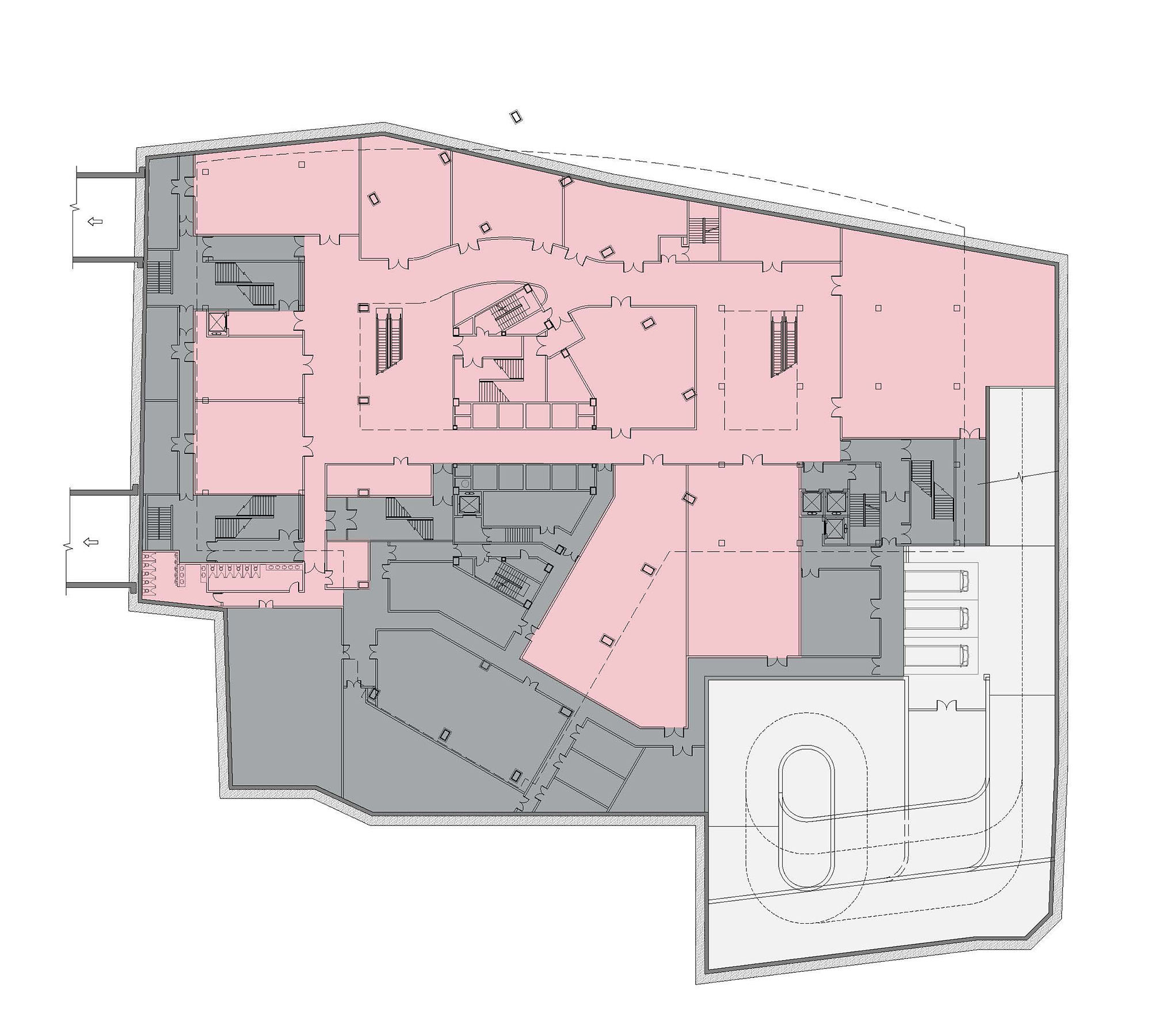
- Added Three New Basement Levels to Expand Parking Capacity
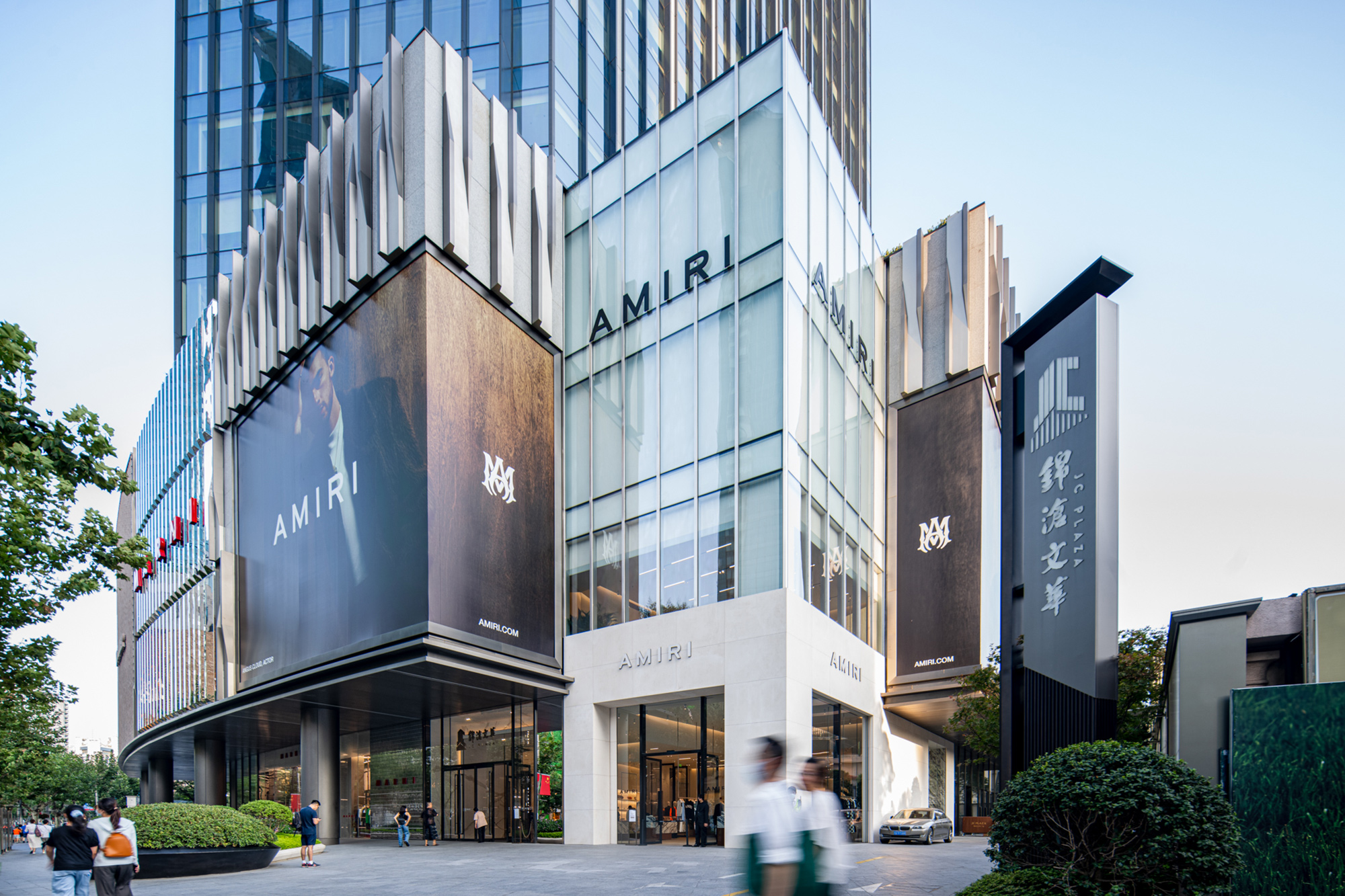
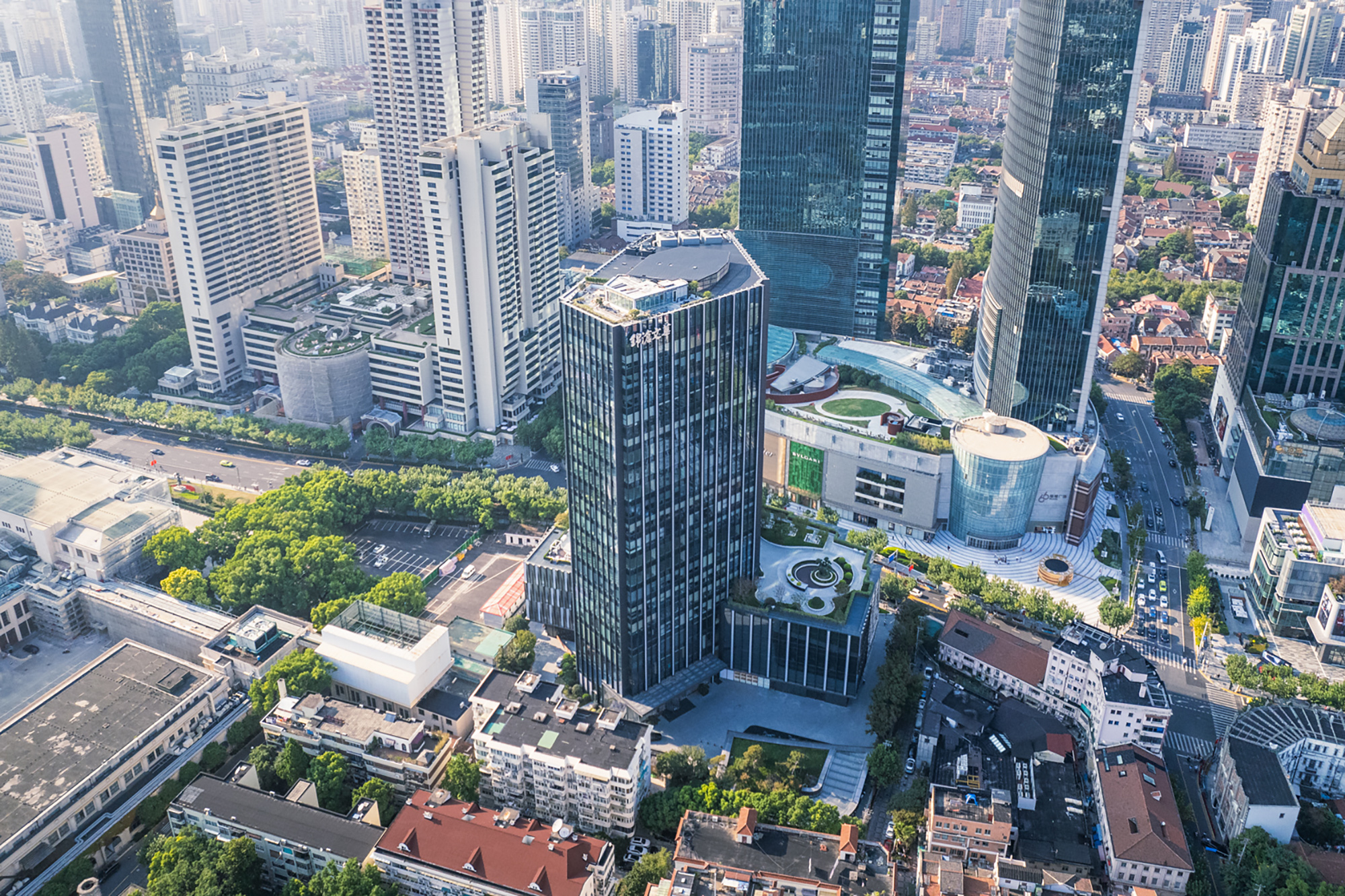
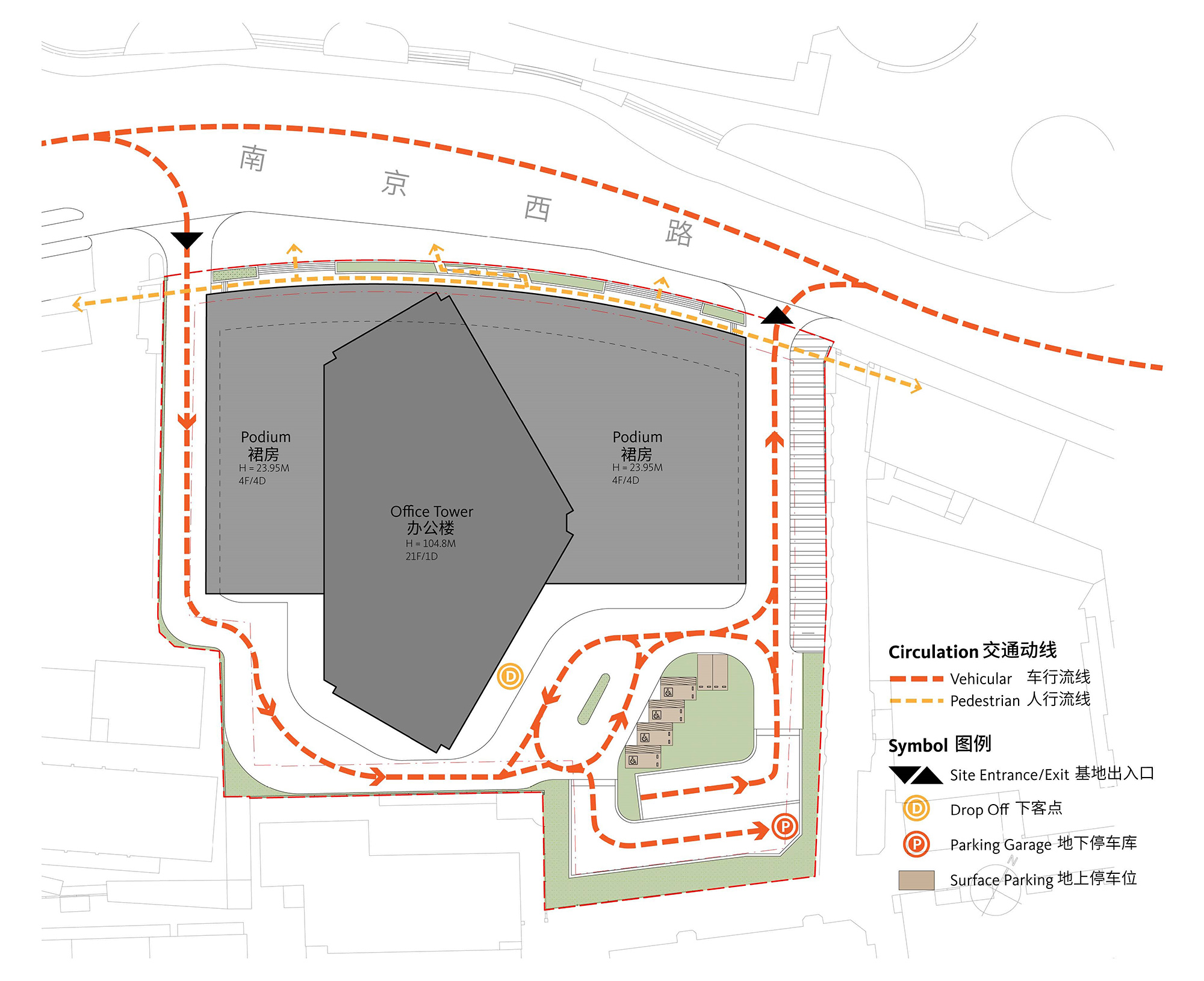
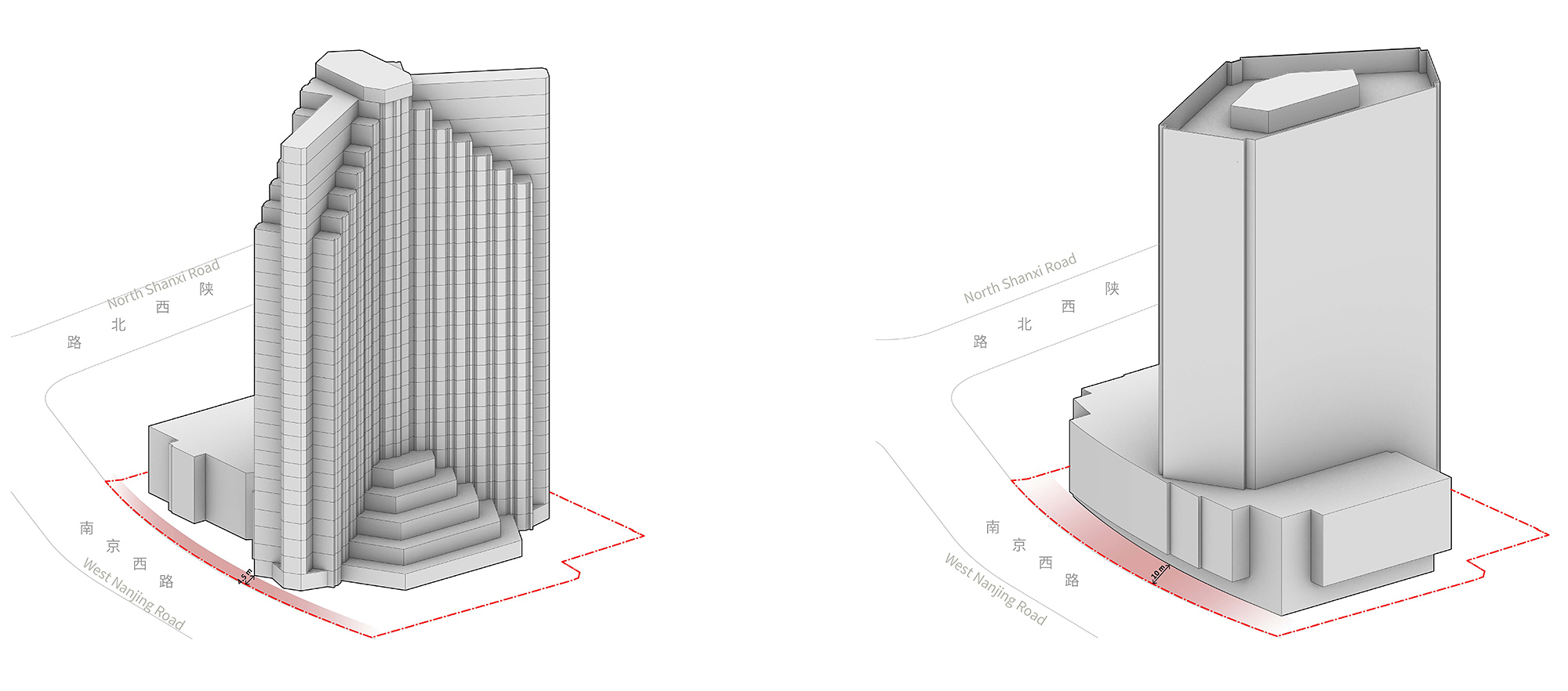
The JC Mandarin Hotel, a five-star landmark built in 1990, once defined the skyline of Shanghai’s West Nanjing Road. Following its acquisition by Baohua Group in 2012, a comprehensive market analysis highlighted the need to transform the hotel into a mixed-use hub. The conversion into Grade A office space and premier retail presented design challenges, including low floor heights and limited parking. Moreover, the building’s original setback contributed to a fragmented pedestrian system, restricted public spaces, and a disconnected streetscape.
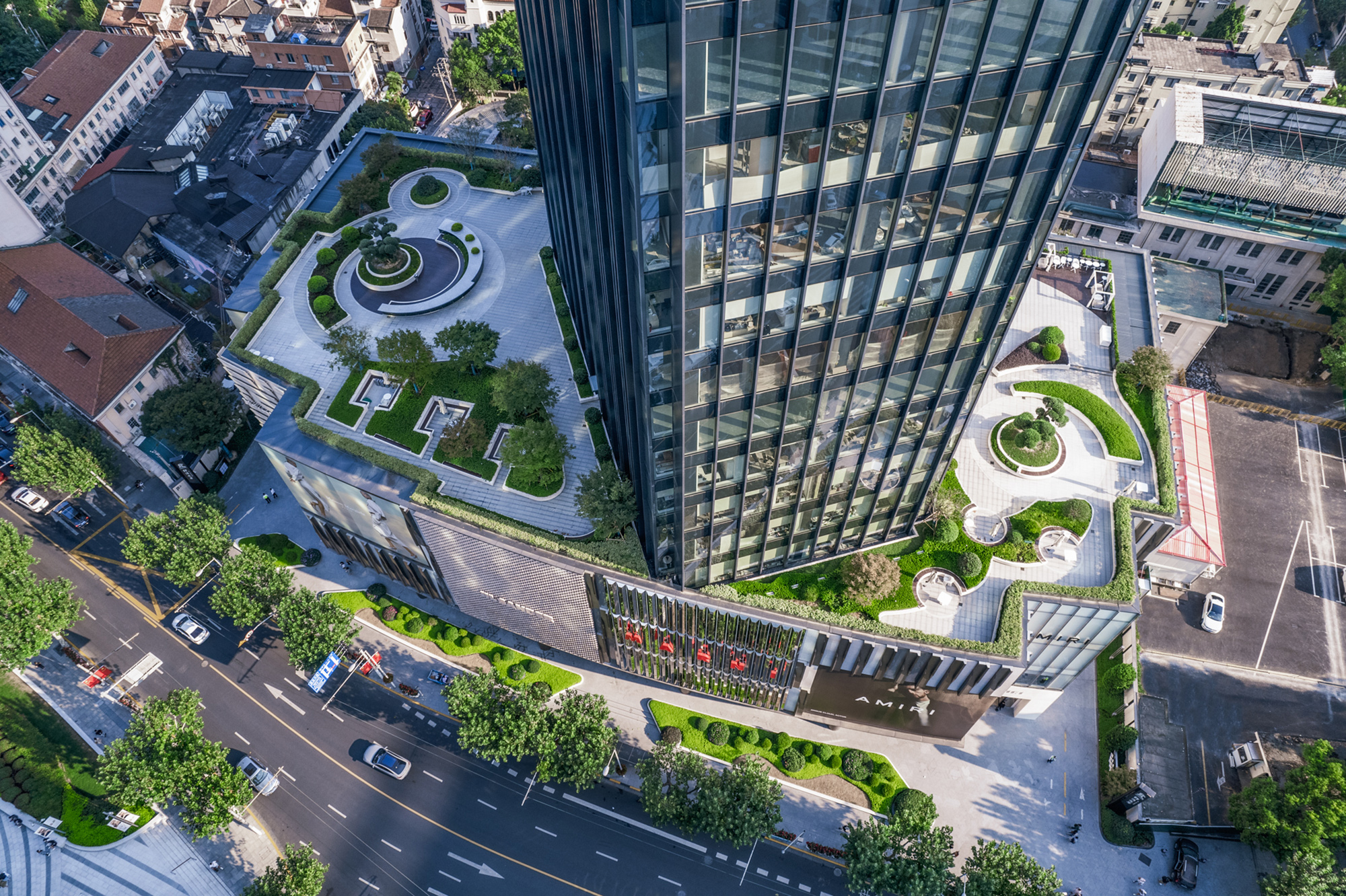
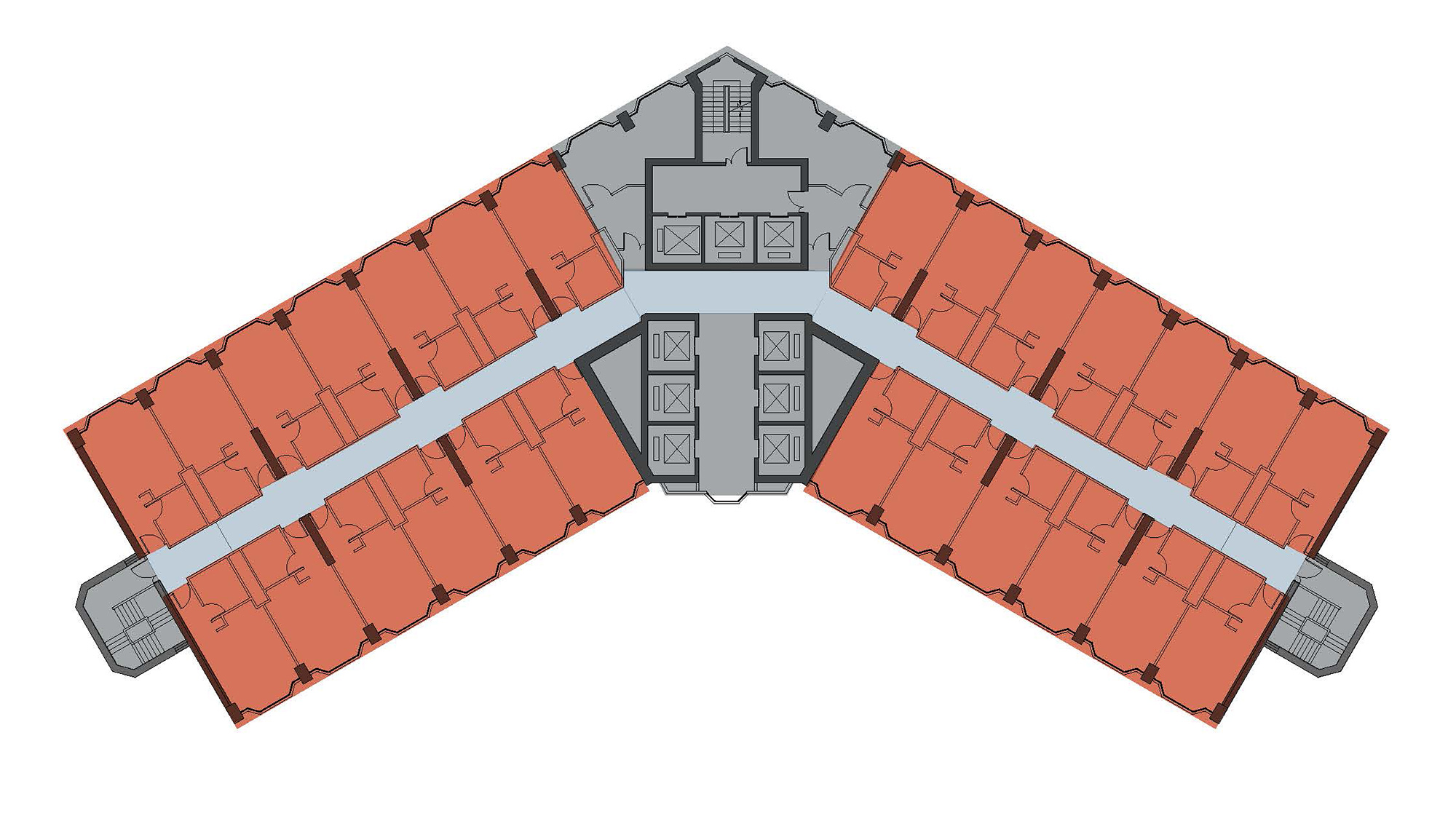
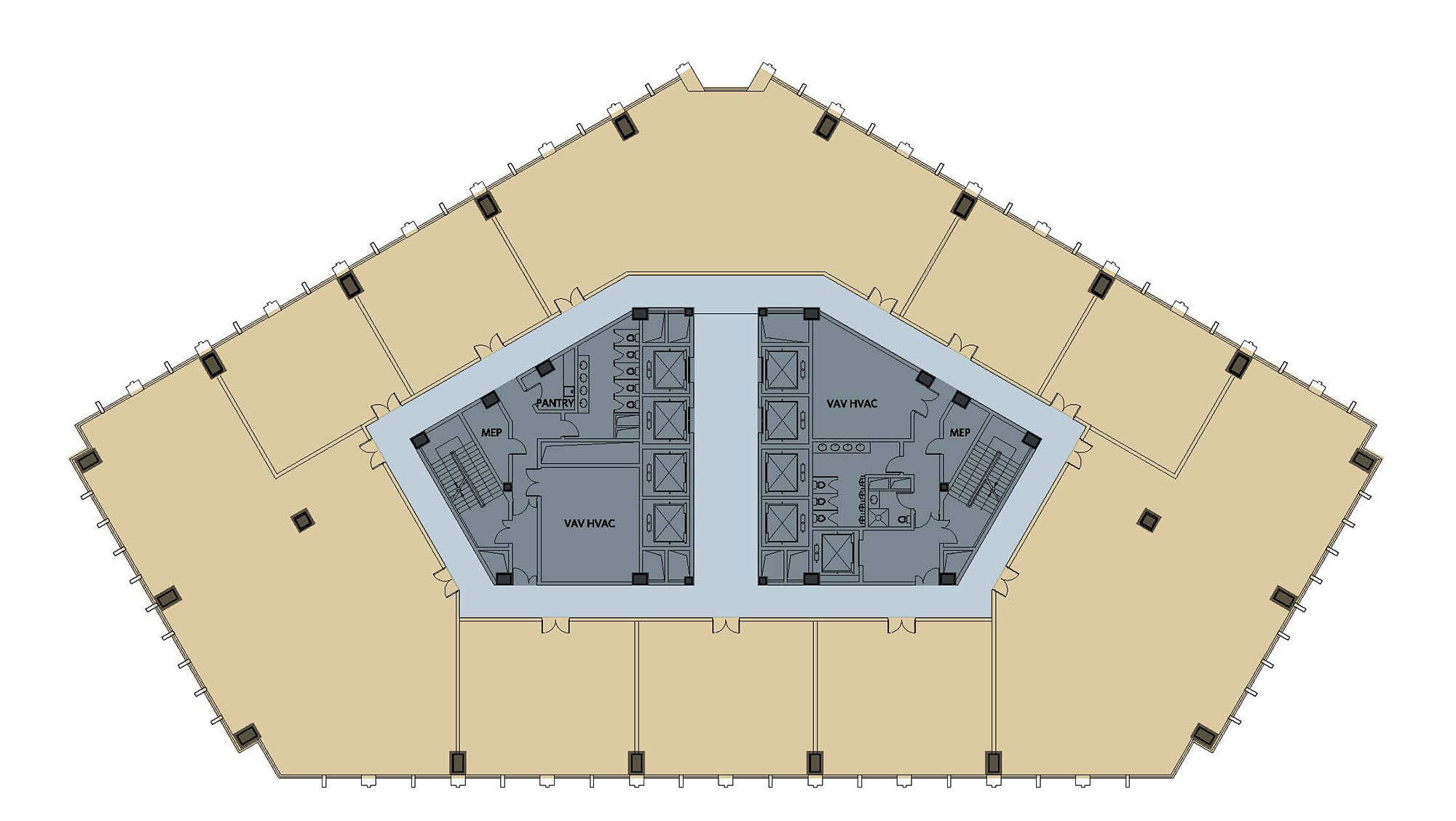
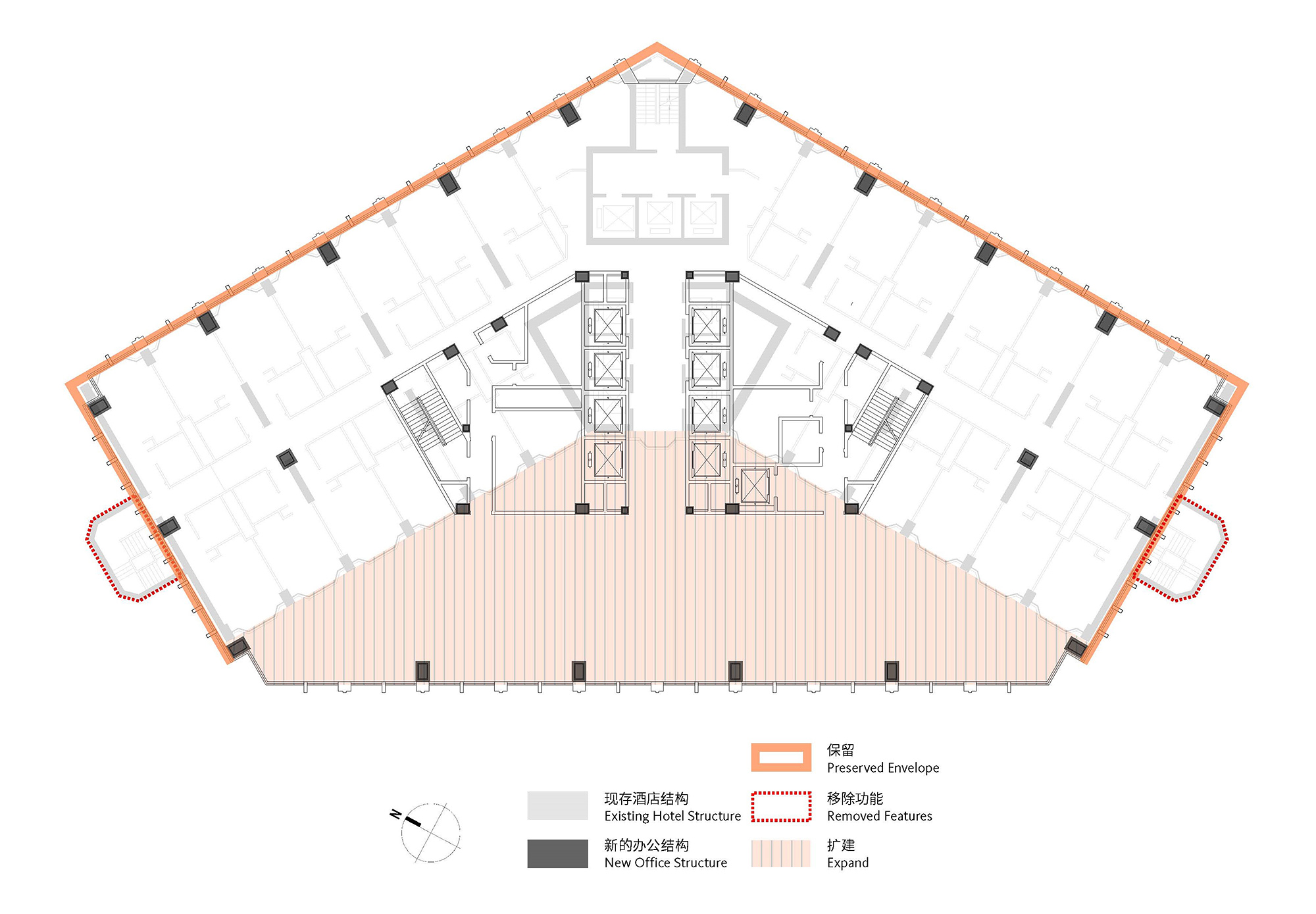
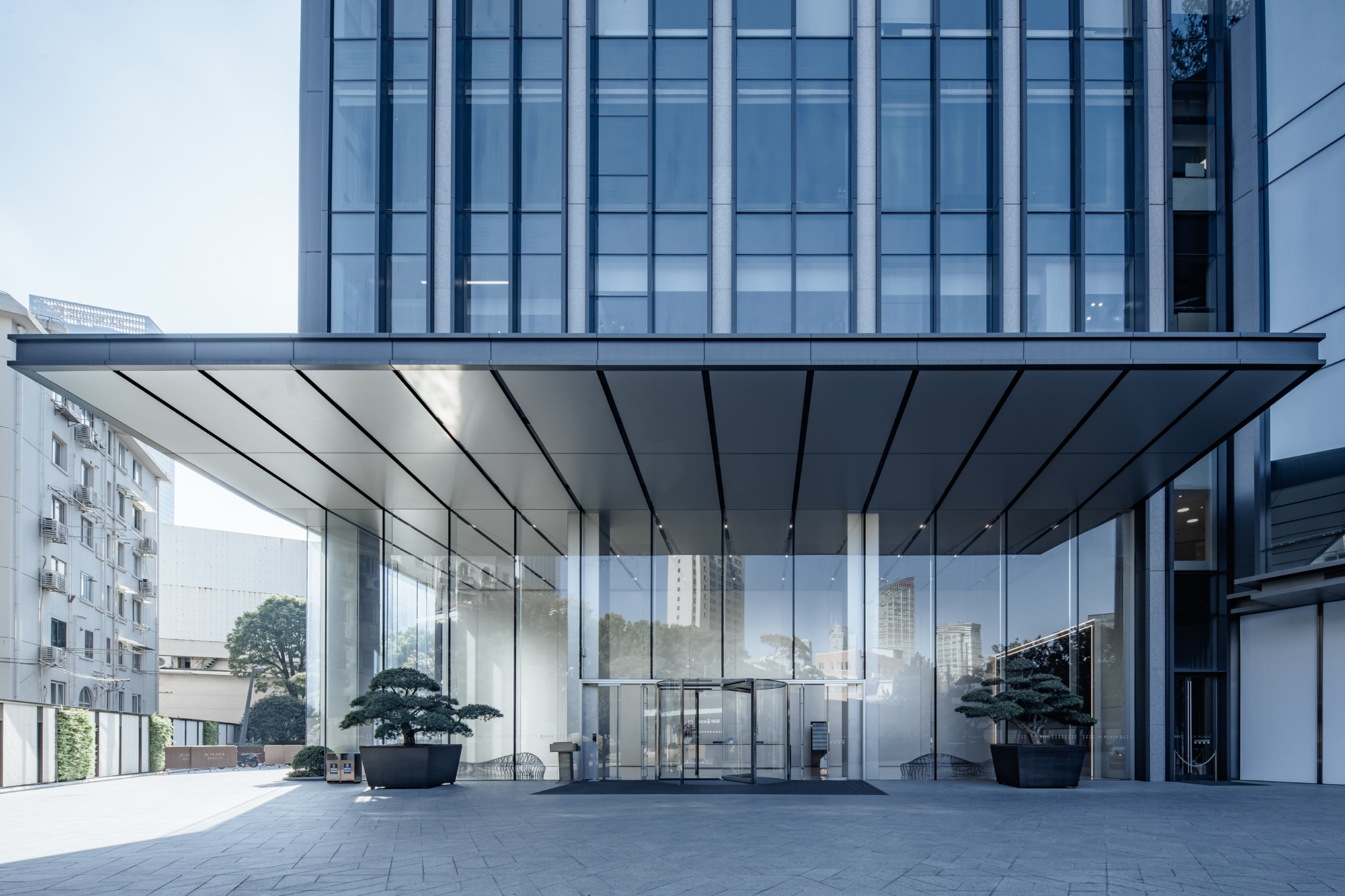
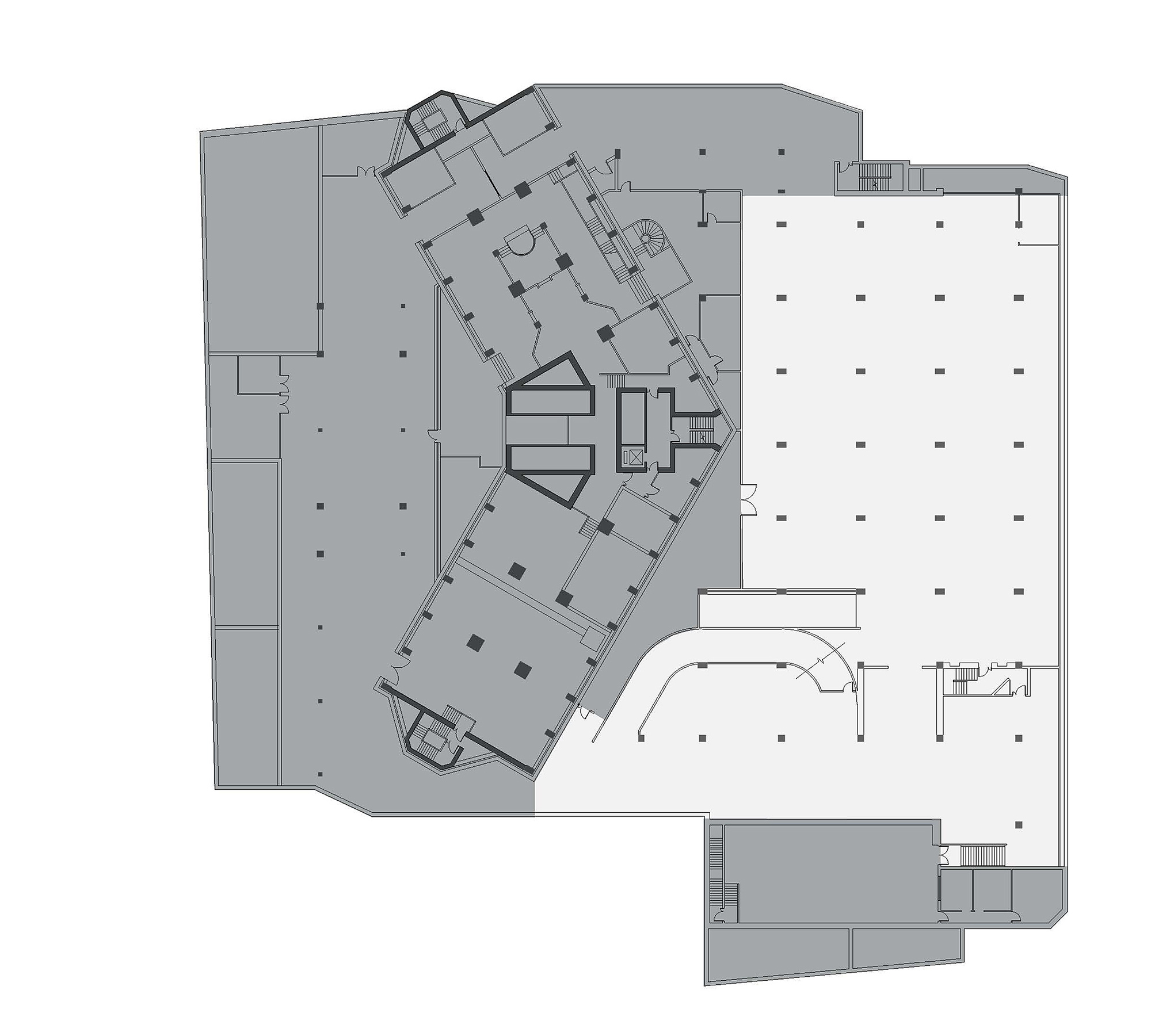
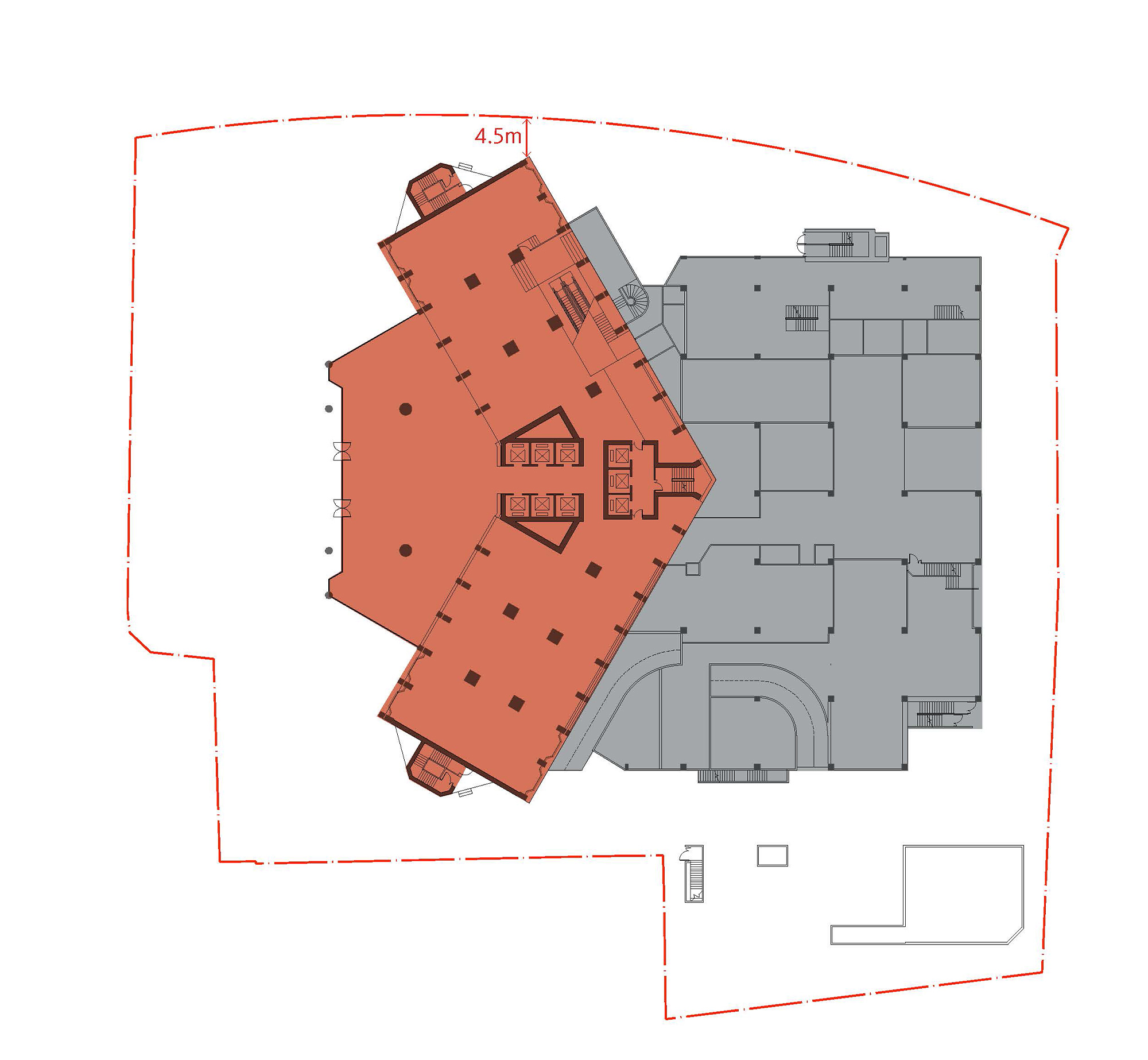
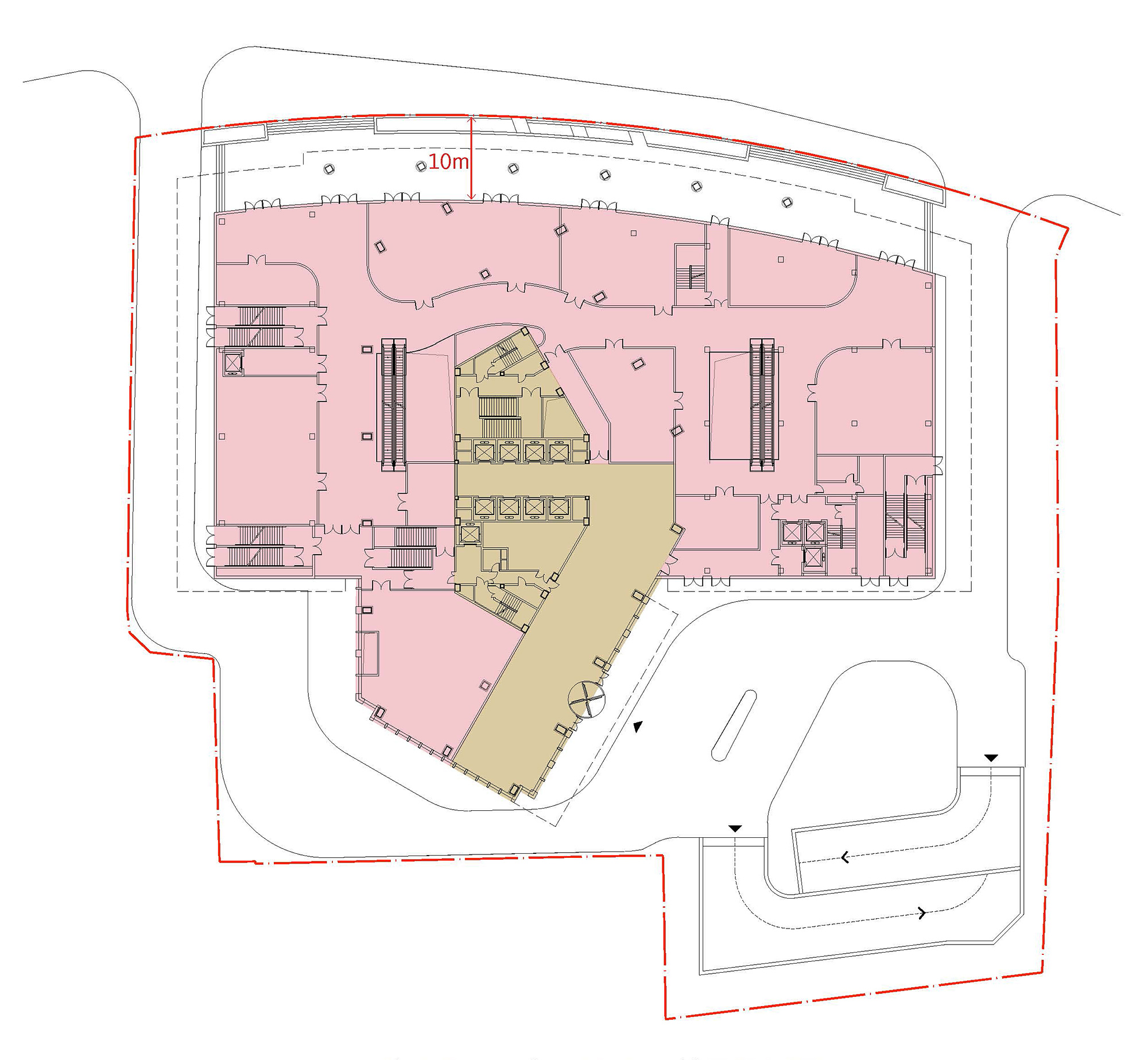
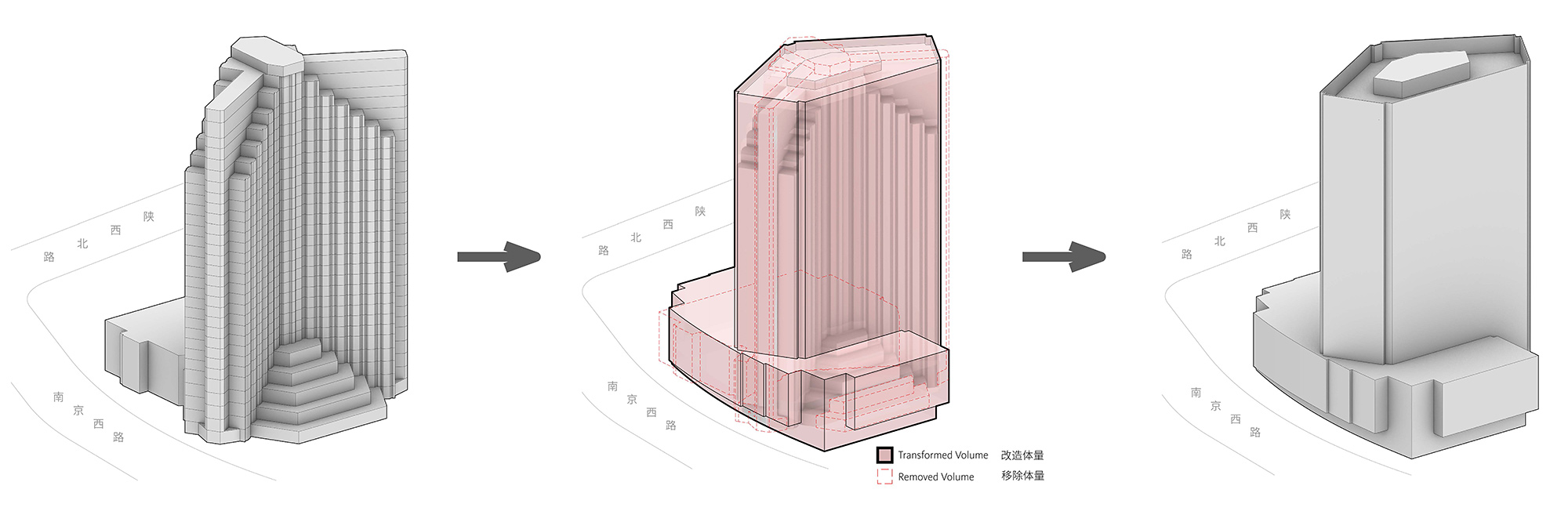
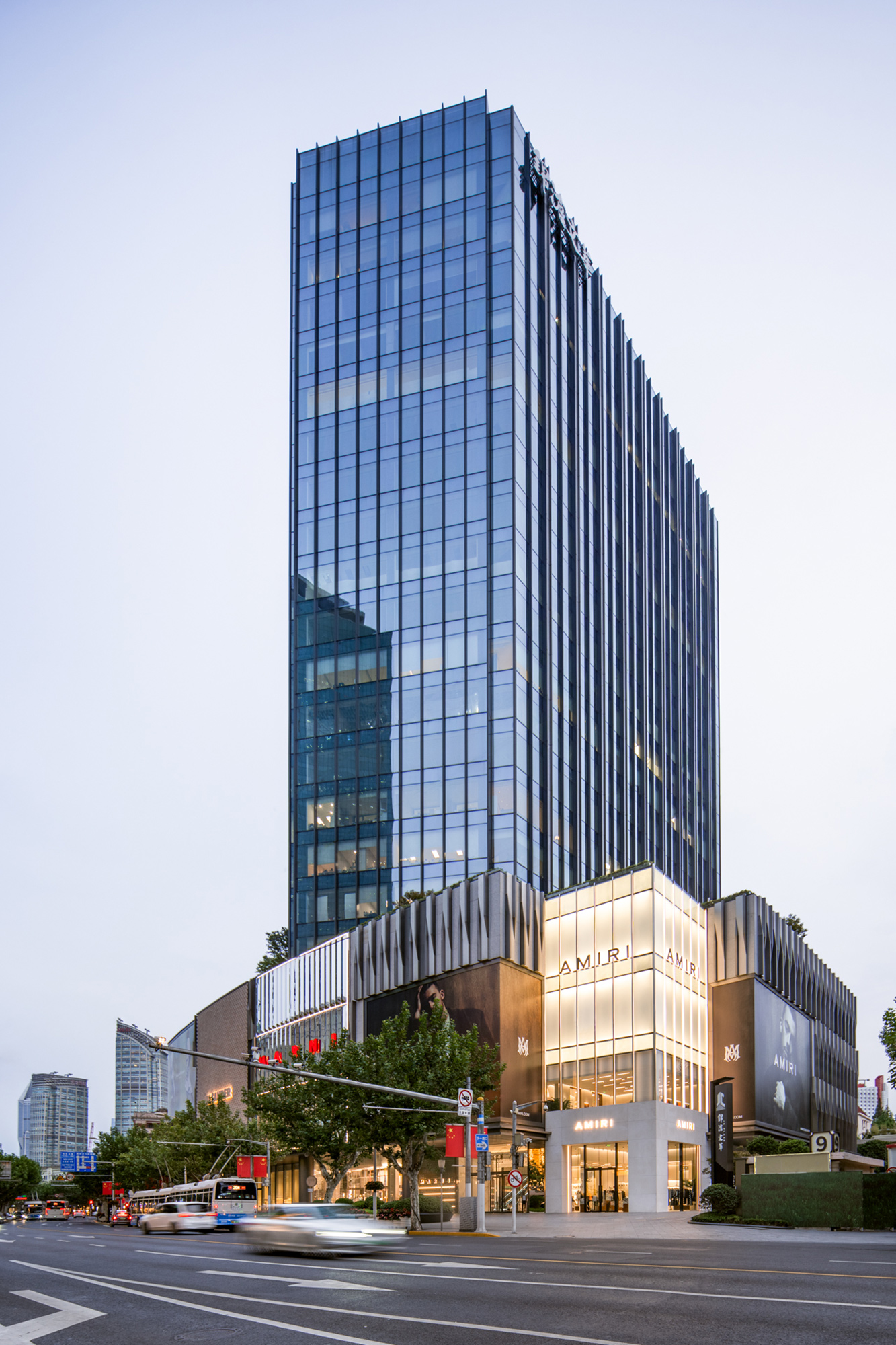
To address design challenges, the project combined structural reconfiguration and basement expansion, reducing the building from 30 to 21 floors, increasing floor heights from 3.2 to 4.5 meters, and reconfiguring V-shaped floor plates into a more efficient pentagonal layout. The team expanded the basement to four levels and restructured the podium to improve the pedestrian experience and create a more accessible and transparent ground-level space. The façade design preserved the building’s original form while integrating modern elements to achieve a balanced, refreshed identity.
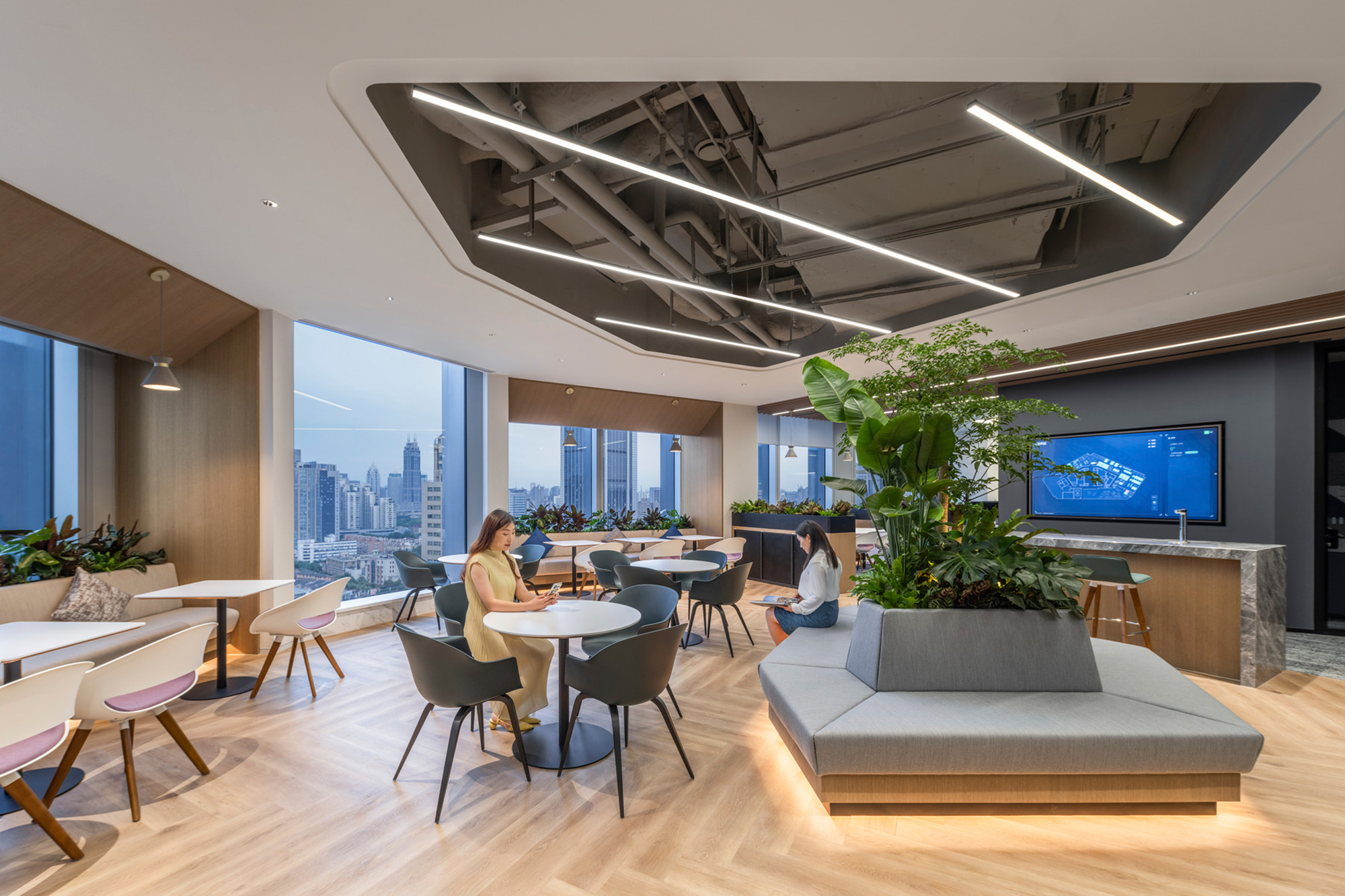
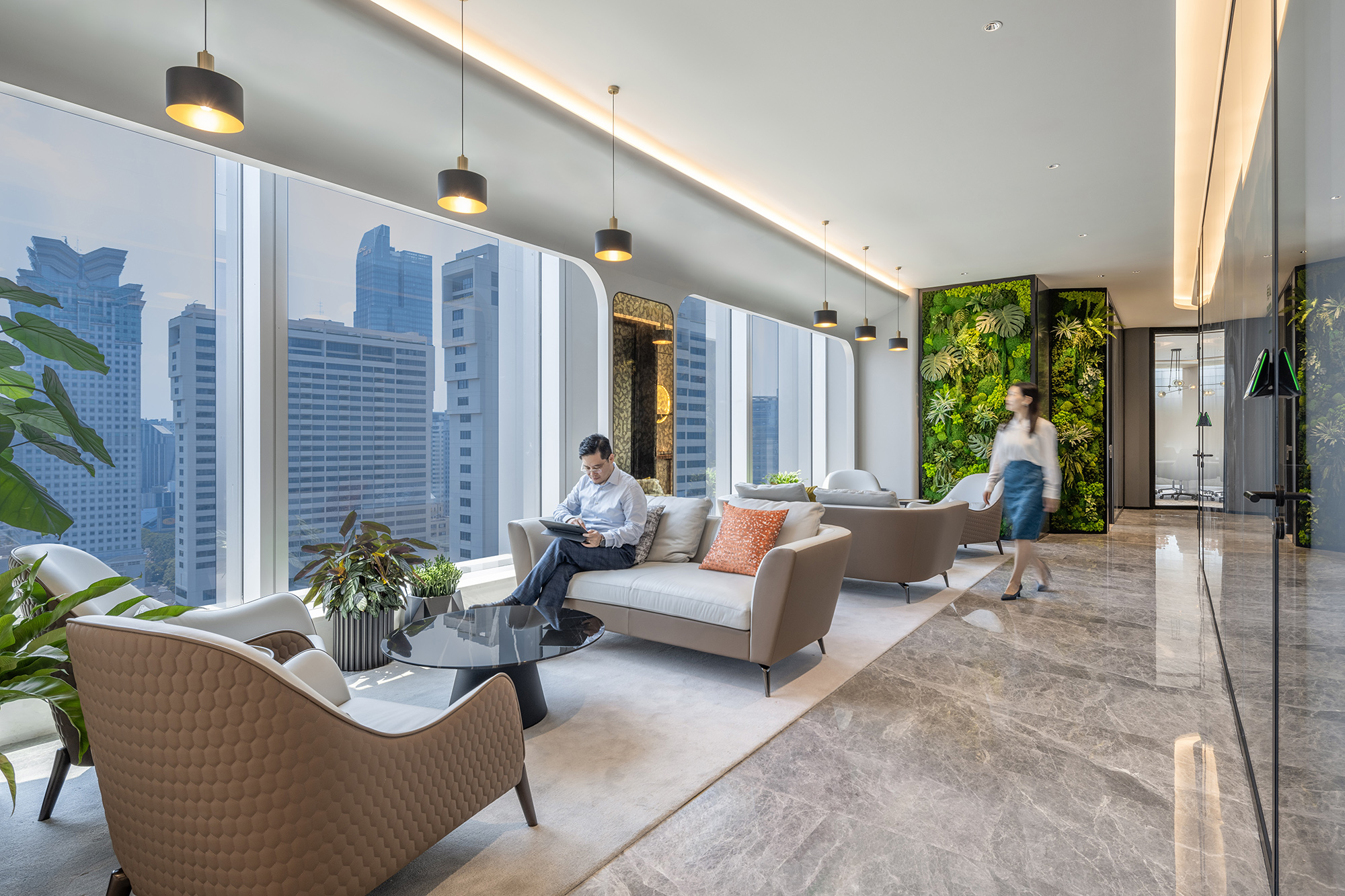
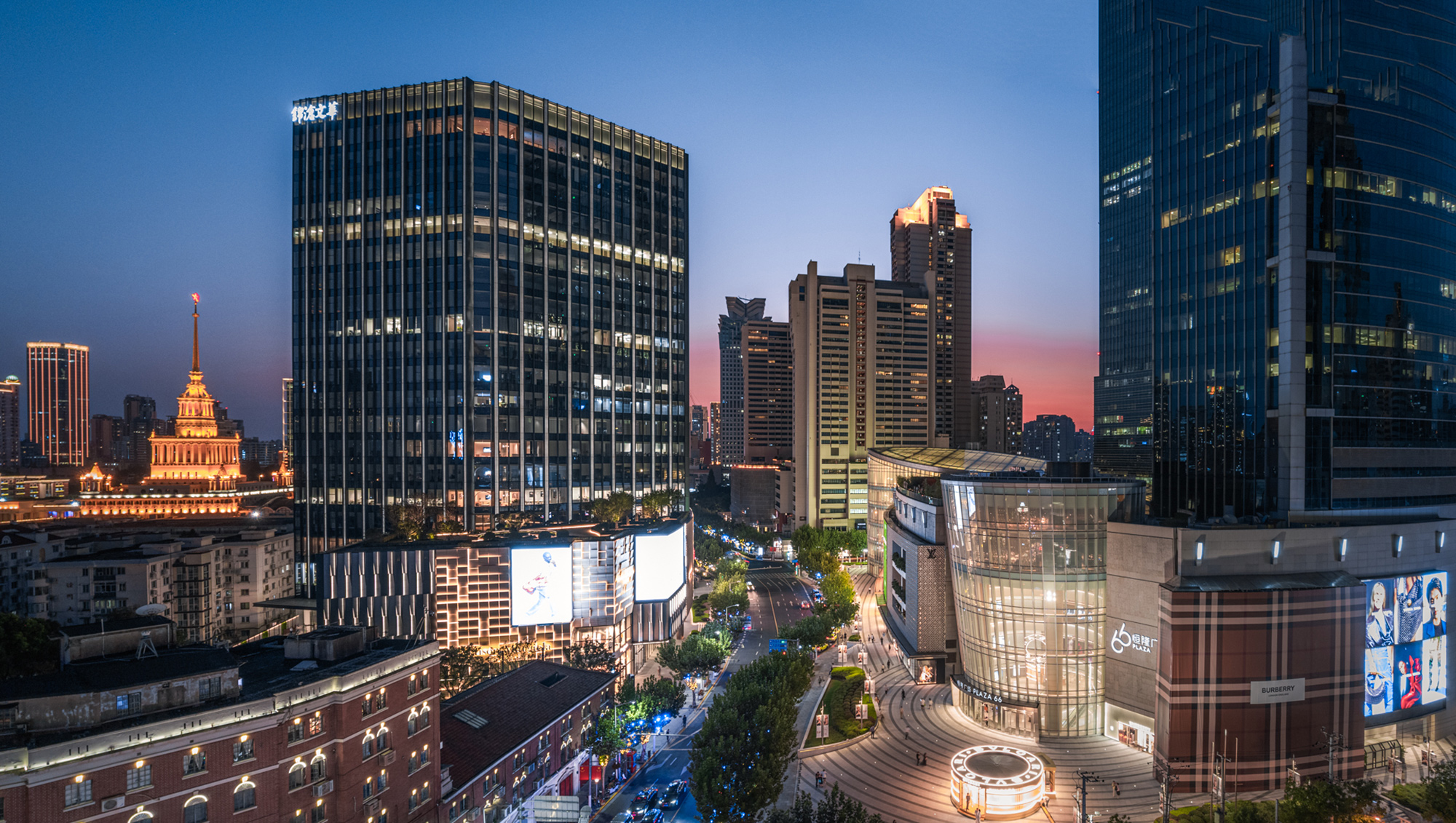
Through adaptive reuse and strategic reprogramming, JC Plaza has been transformed into a dynamic urban destination, integrating high-end offices, luxury retail, cultural experiences, and leisure amenities. The project exemplifies how resilient design can transform buildings to meet evolving market needs, providing valuable insights for future urban regeneration. Key interventions, such as expanded ground-level space and improved pedestrian connectivity, have reintegrated the building into the urban fabric, enhancing the quality of one of Shanghai’s key retail corridors.

-
ARCHINA spotlighted JC Plaza in Shanghai, which Gensler converted from a hotel to a mixed-use commercial complex and Grade A office building. The upgraded complex activates the surrounding urban space and enhances its functionality as a “high-end office + shopping mall.”
-
The Architectural Society of Shanghai spotlighted Gensler’s reimagined JC Plaza, formerly the Cangzhou Hotel. Gensler’s Hasan Syed and Chong Peng say the revitalization is stimulating and provides insights for future conversions, with the building “becoming an important part of the urban network.”
-
Pro+Awards spotlighted Gensler’s reimagined JC Plaza, which was recognized with the Silver Award in Urban Regeneration. Design Director Hasan Syed says, “the revitalization of buildings should not only focus on the buildings themselves, but also on the activation of the urban interface.”
10 Gresham Street
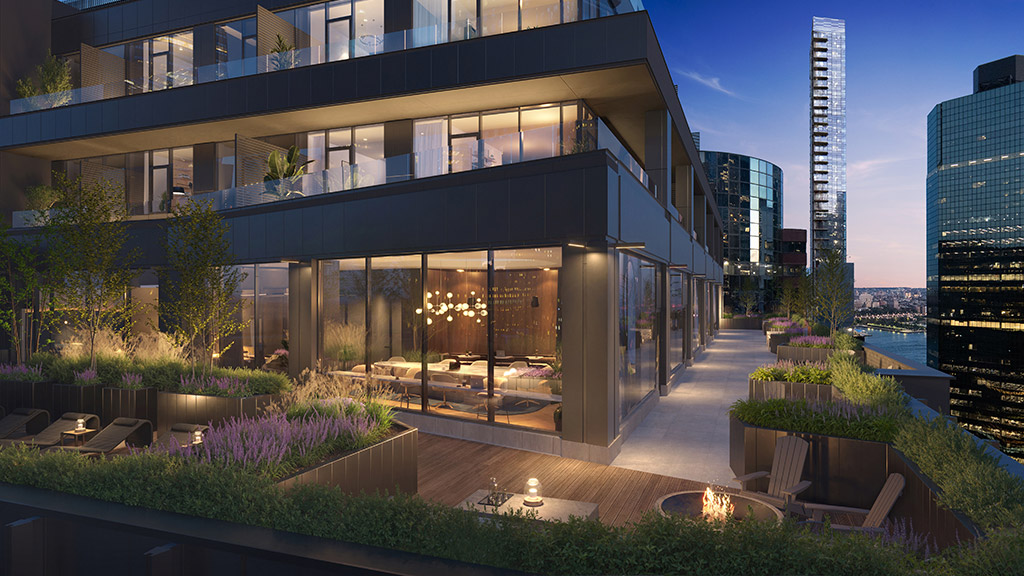
Pearl House (160 Water Street)
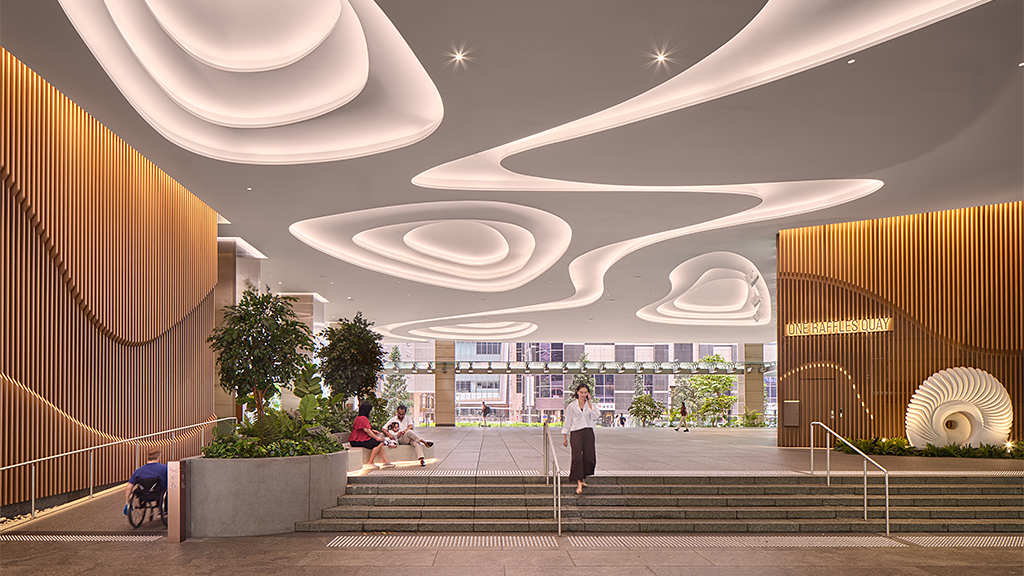
One Raffles Quay
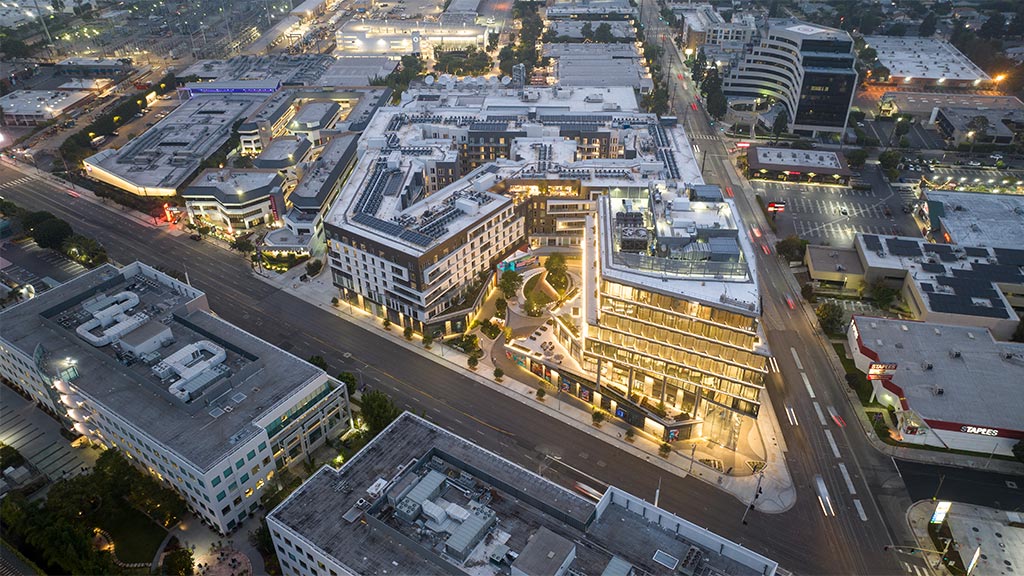
West Edge
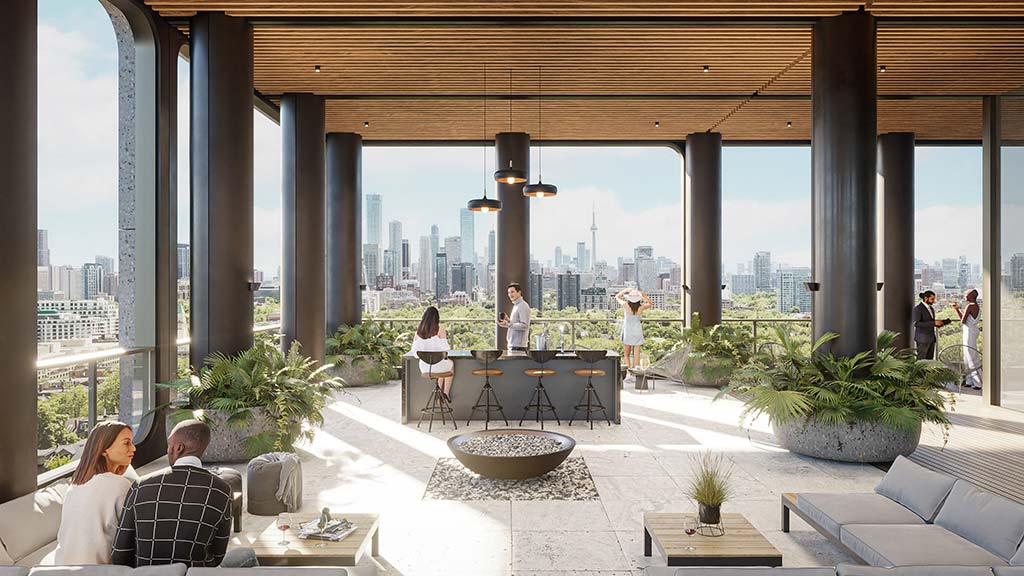
1 St. Clair West
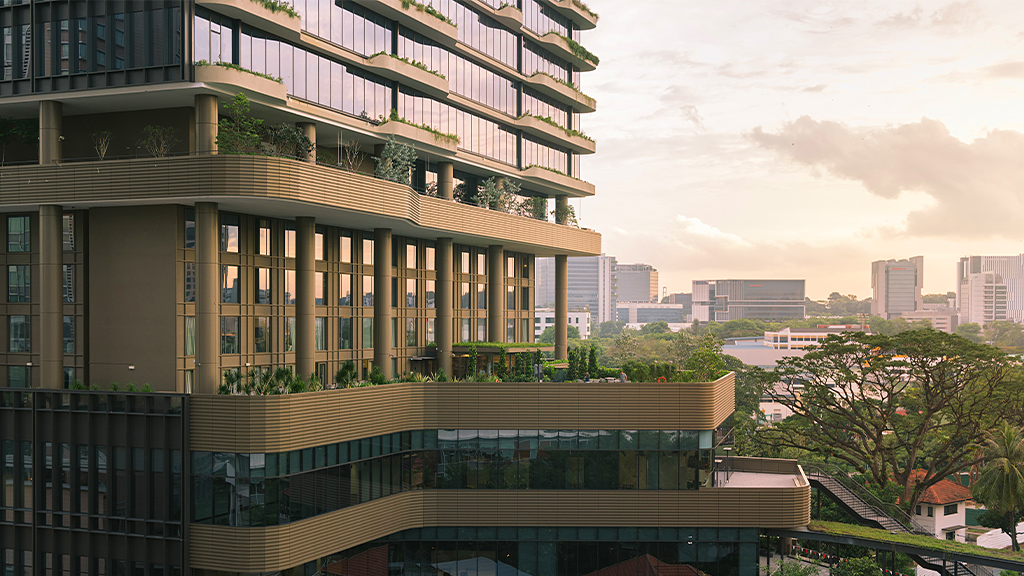
Rochester Commons
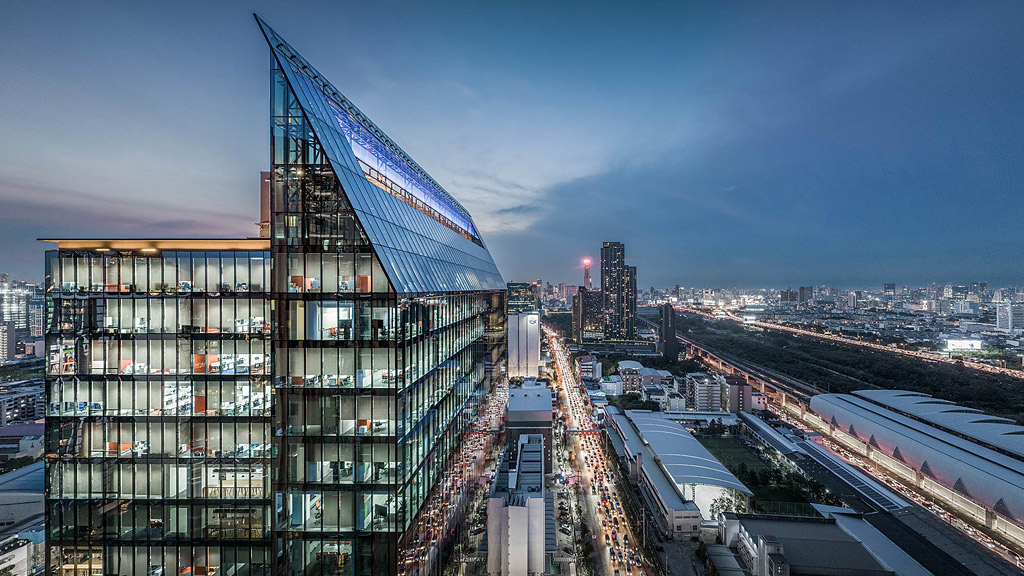
RASA TWO
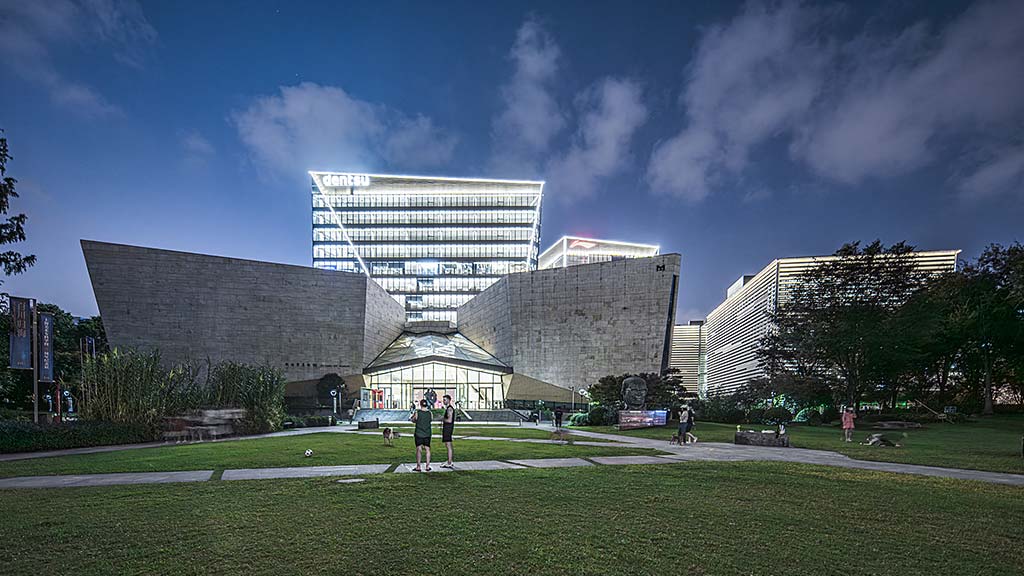
C·PARK Haisu
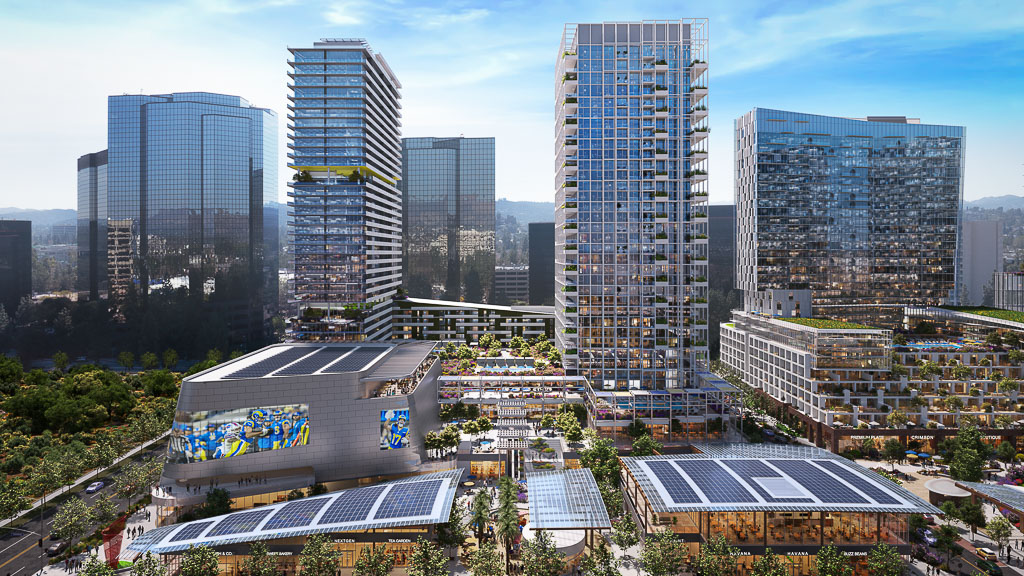
Rams Village at Warner Center
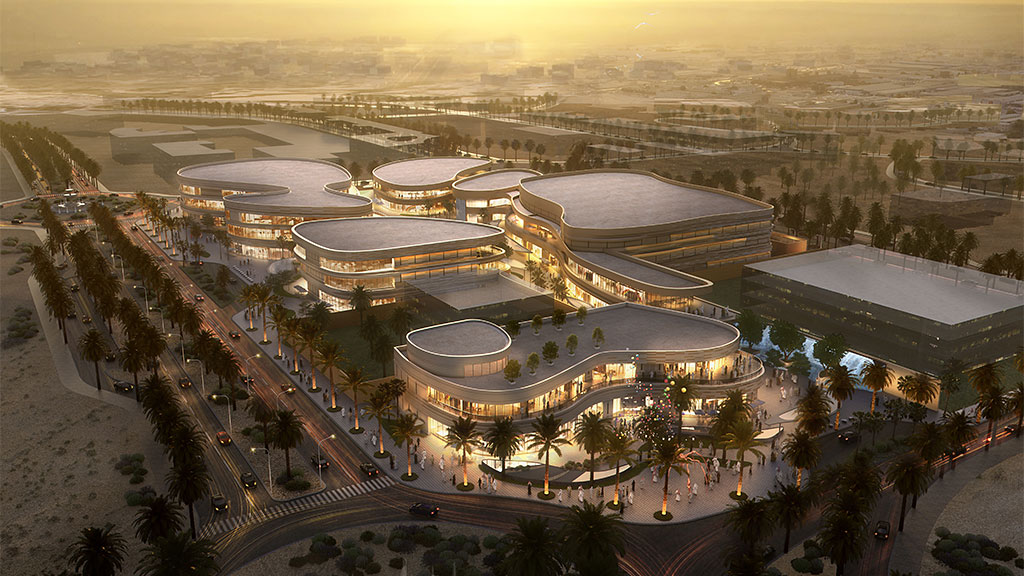
1364ah Lifestyle Center
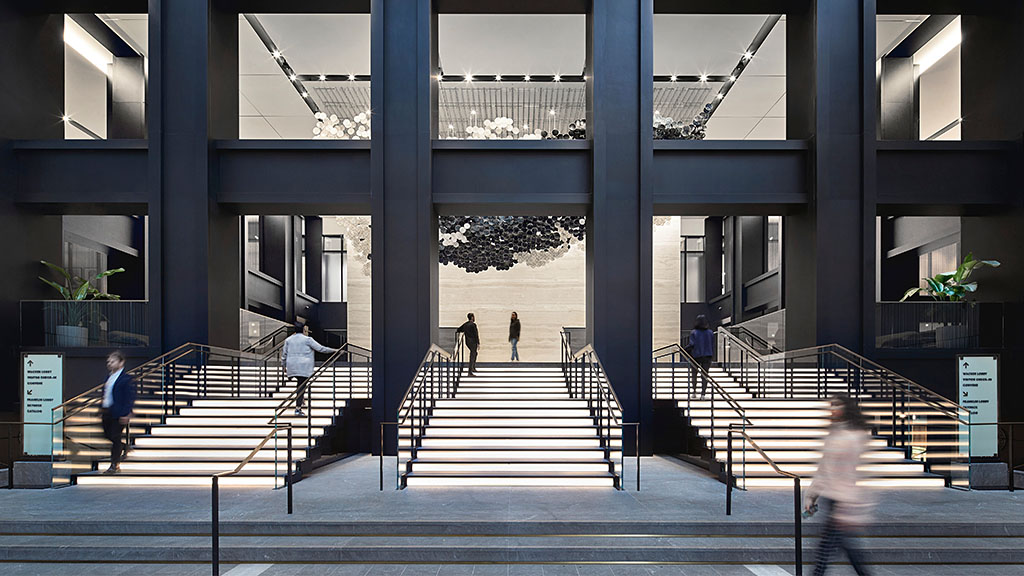
Willis Tower Repositioning
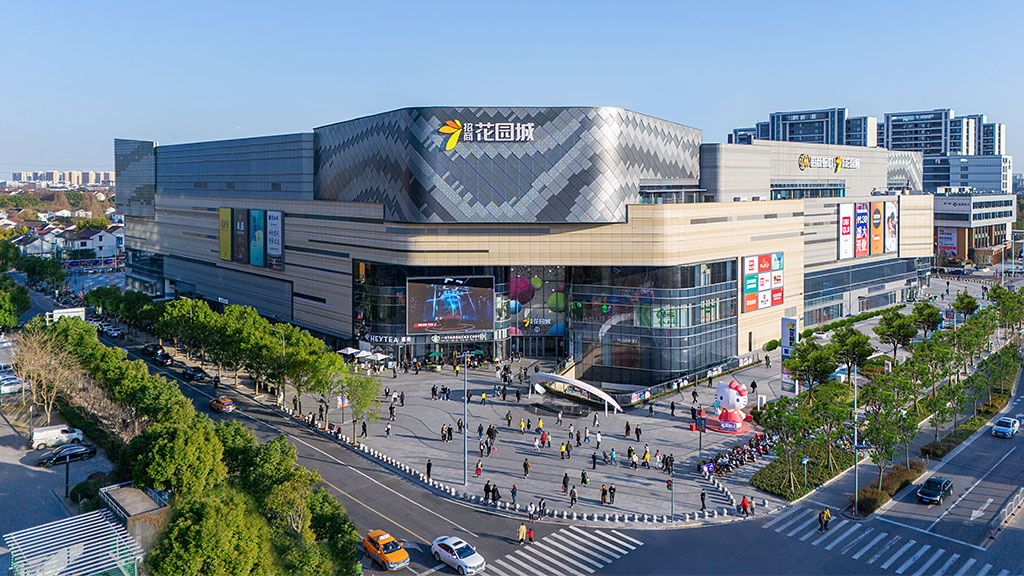
Caolu Garden City
Trends to Watch: What’s Next for Hotels and Hospitality
Geo-Trends: China
Transforming Pier 94: A Collaborative Journey in Sustainable Design and Adaptive Reuse
Mixed-Use Developments: A Sustainable Blueprint for Urban Growth
Human and ‘Digital Employee’ Collaboration Will Transform Workplace Design
Designing Workplaces That Work — With Your People
Reenvisioning Retail Centres: Lessons From China for the Middle East
The Evolving Role of Hotels in Retail-Driven Mixed-Use Environments
Office-to-Hotel Conversions: Resilient Opportunities for Downtown Districts
The Biggest Challenge to Office Conversions Isn’t Design — It’s the Status Quo