- 444 Homes Delivered, Exceeding Original 400-Unit Expectation
- 27% Designated as Social Housing
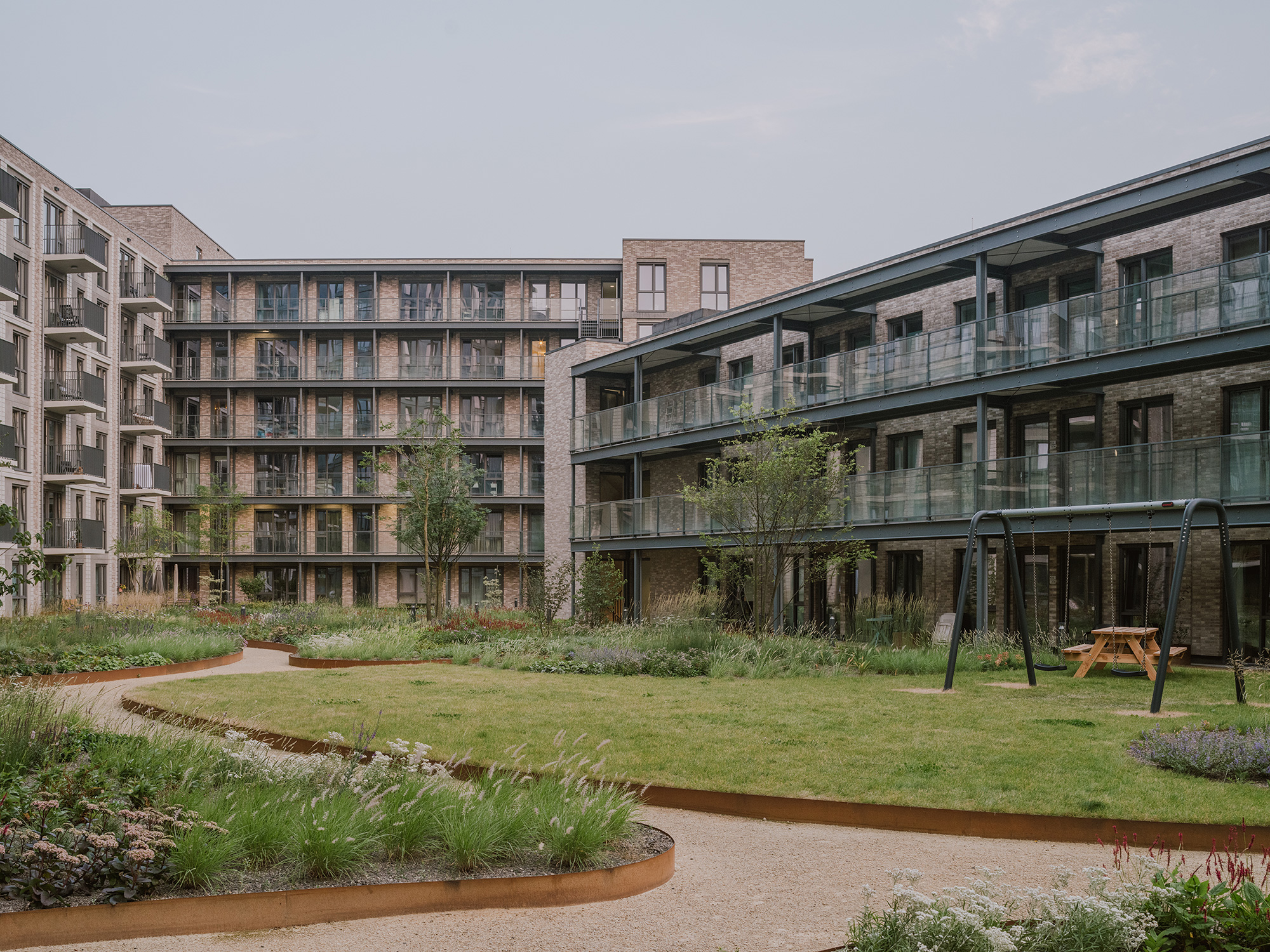
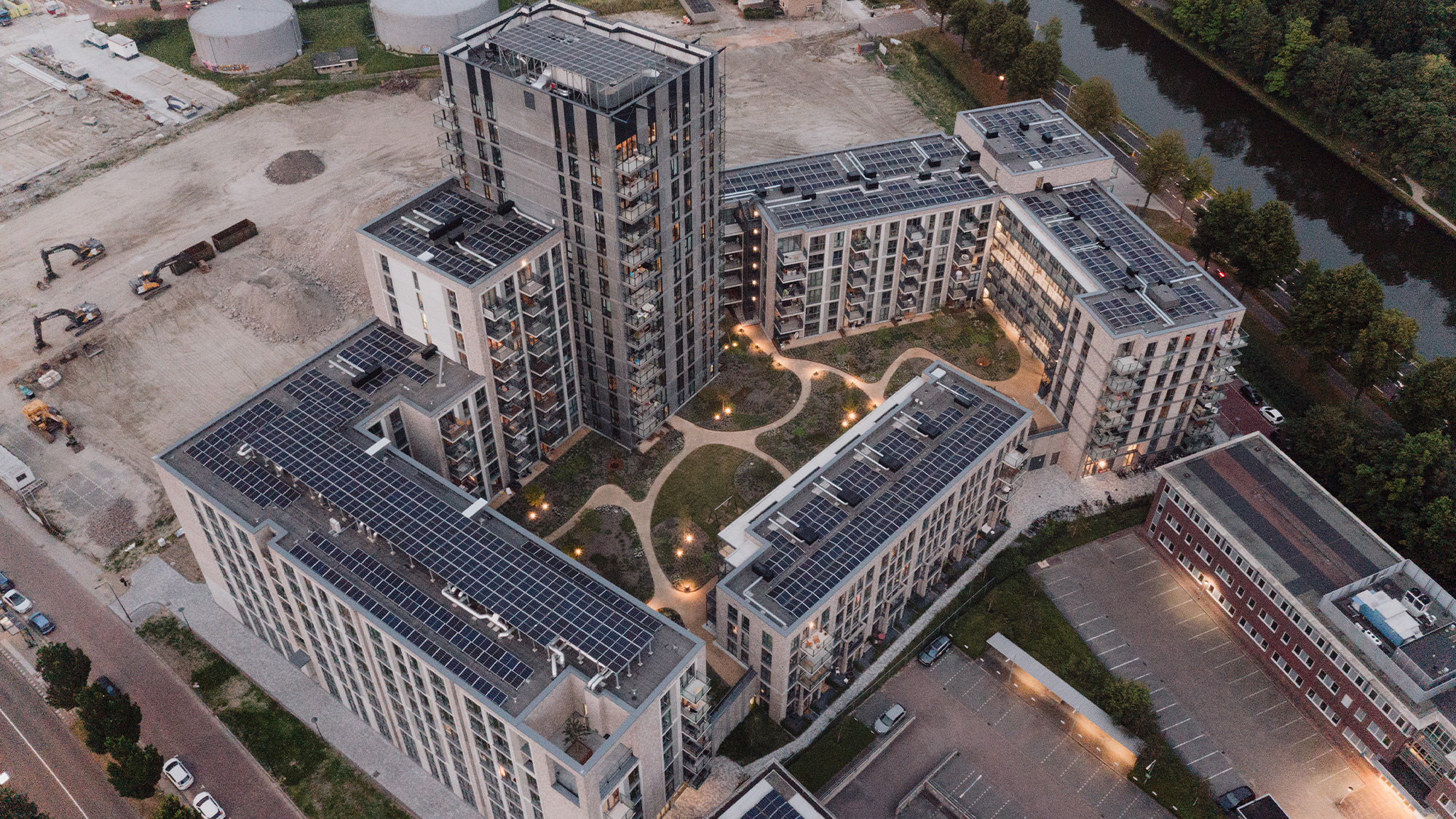
- 6 Residential Buildings Arranged Around a Central Courtyard Garden
- 13 Residential Typologies and 11 Façade Modules
- Fully Electric, Powered by Rooftop Photovoltaic Panels and Air Source Heat Pumps
- Green Roofs and Stepped Terraces Enhance Biodiversity and Performance
- Future-Ready Connection to a Local Heat Network
- Coworking Space, Health and Well-Being Club, and Rooftop Garden Room
- Prefabricated Modular Strategy Reduced Waste and Shortened Construction Time
As European university cities face rising housing demand and affordability pressures, new residential models are balancing density, sustainability, and social connection. In the Netherlands, compact living is becoming the norm, particularly for graduates and young families. At the same time, tenants are increasingly drawn to housing environments that foster community, well-being, and access to nature — qualities long embedded in historic housing typologies.
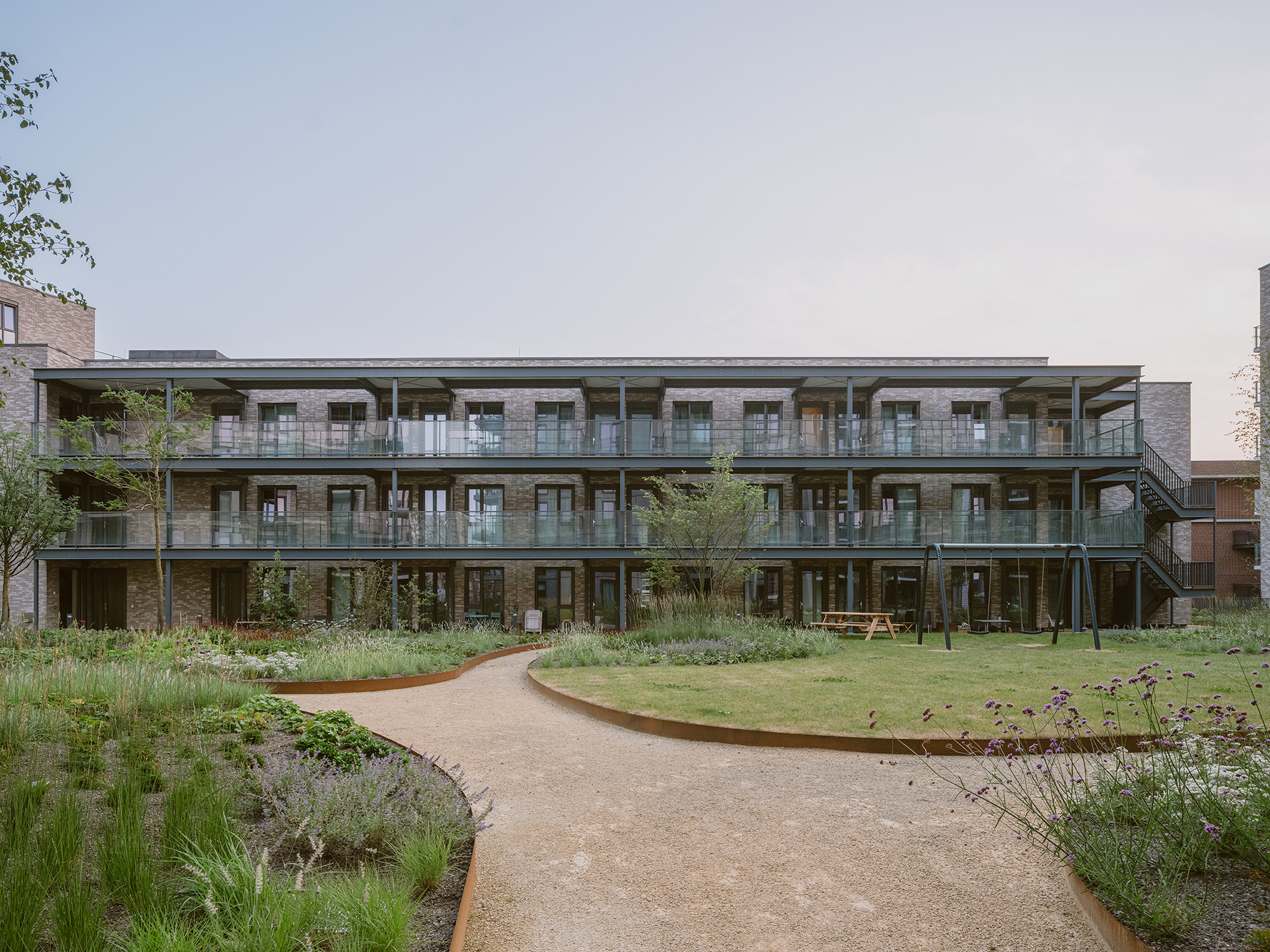
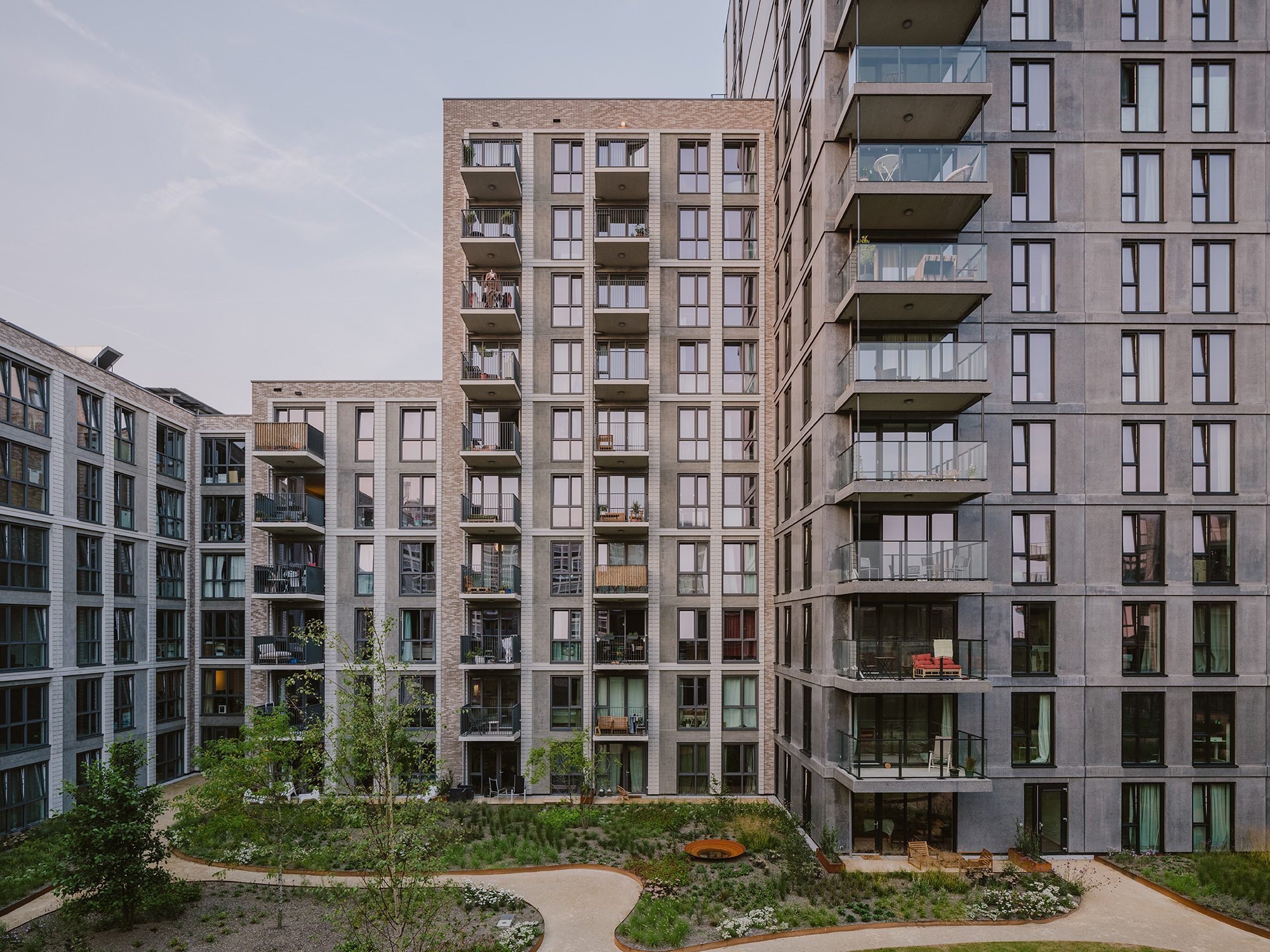
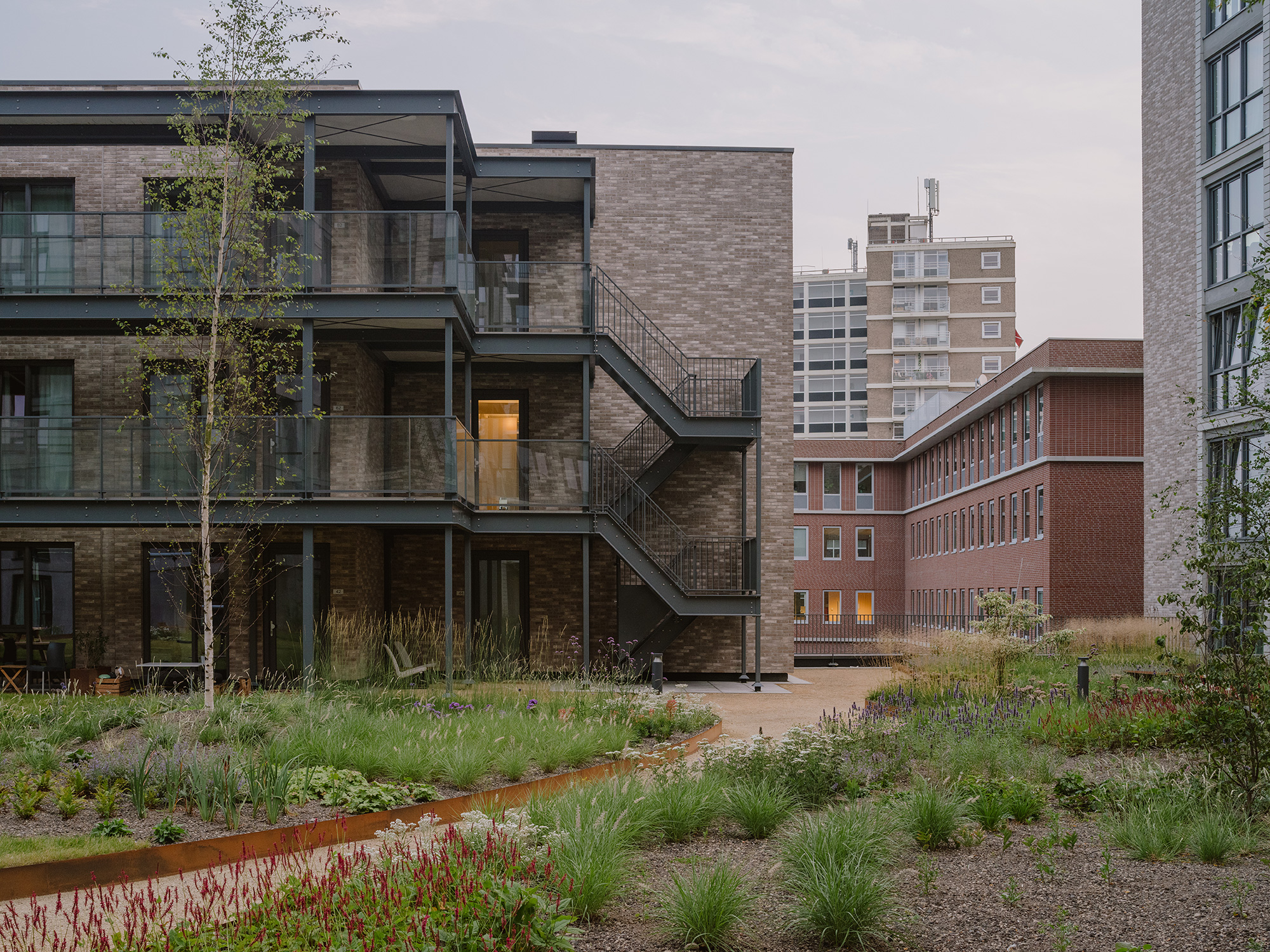
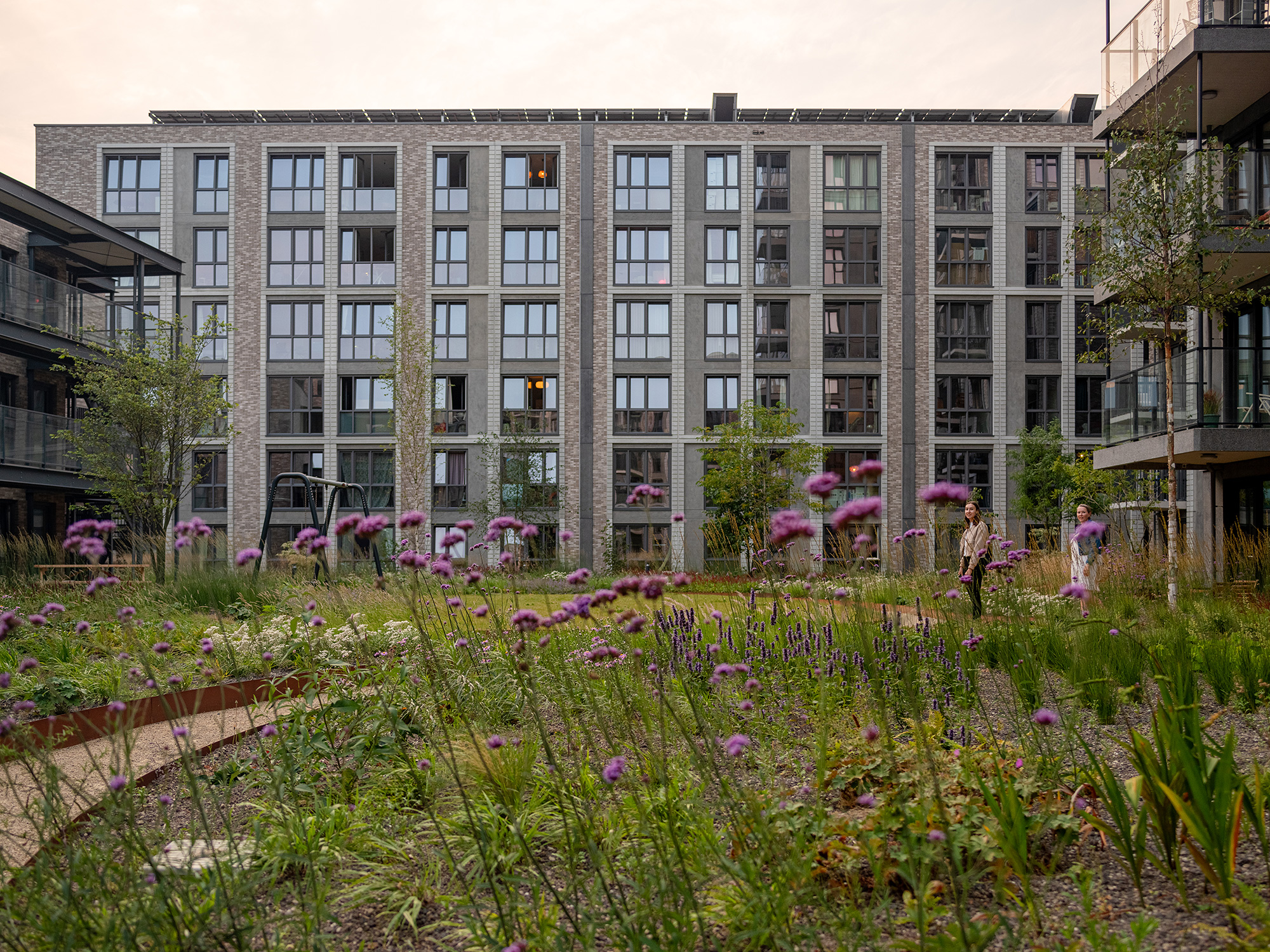
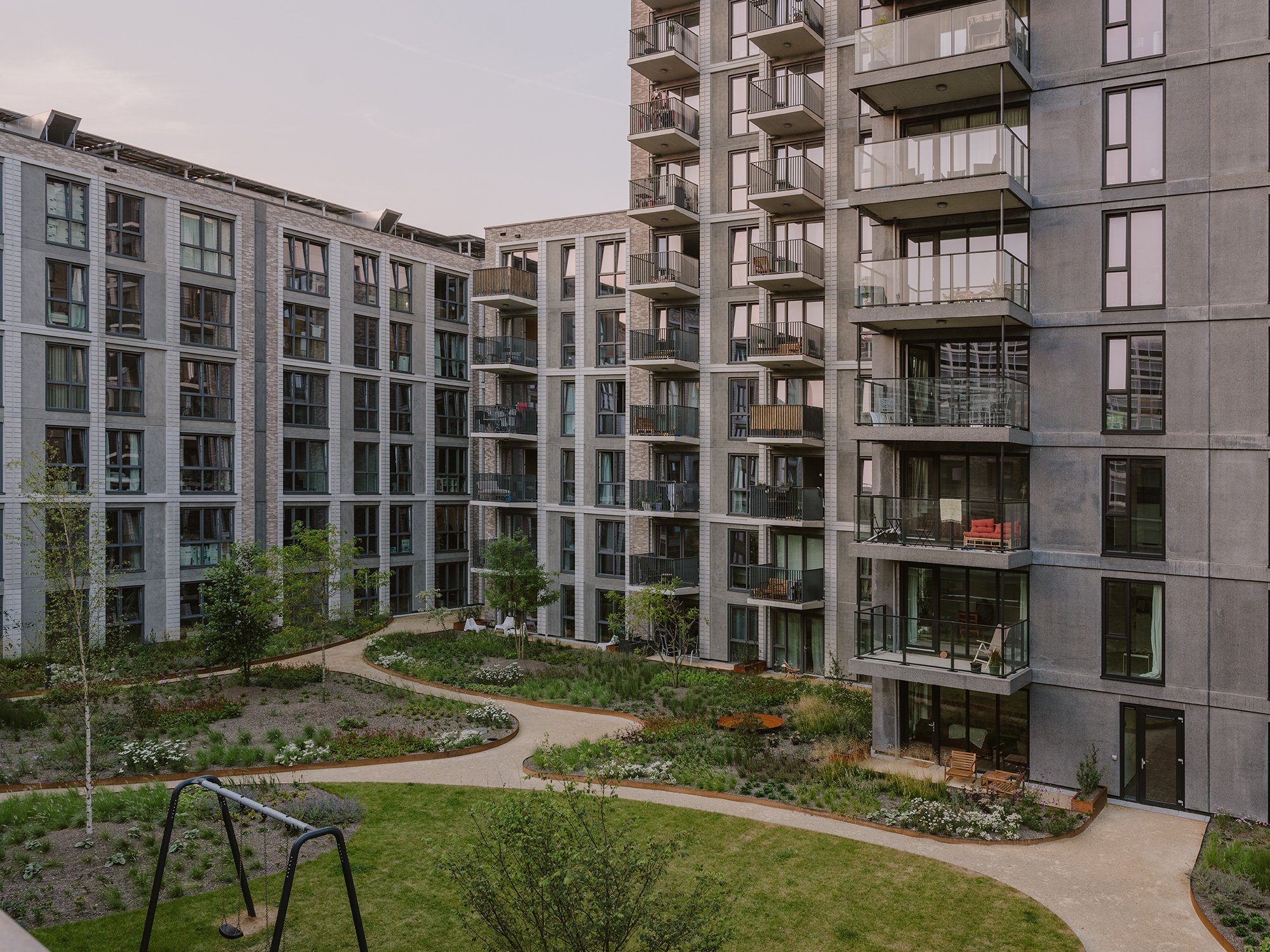
Hof 36 reinterprets Leiden’s historic hofje as a contemporary garden community. Six buildings frame a central landscaped kitchen garden that extends upward through balcony planters and stepped roof terraces. The design integrates architectural references to the city, taking inspiration from Leiden’s drawbridges with industrial detailing, dark cladding, and tensile balcony supports. Through advanced modelling and a prefabricated strategy developed with Belgian modular partners, the team increased capacity from 400 to 444 homes while maintaining comfort and affordability.
The development delivers 444 homes, including 27% social housing, expanding access to attainable living near the university. Fully electric and powered by rooftop photovoltaic panels supporting air source heat pumps, Hof 36 reduces operational carbon while promoting low-carbon mobility through cycle storage and green infrastructure. Shared amenities and layered landscaping cultivate well-being, connection, and a strong sense of place.
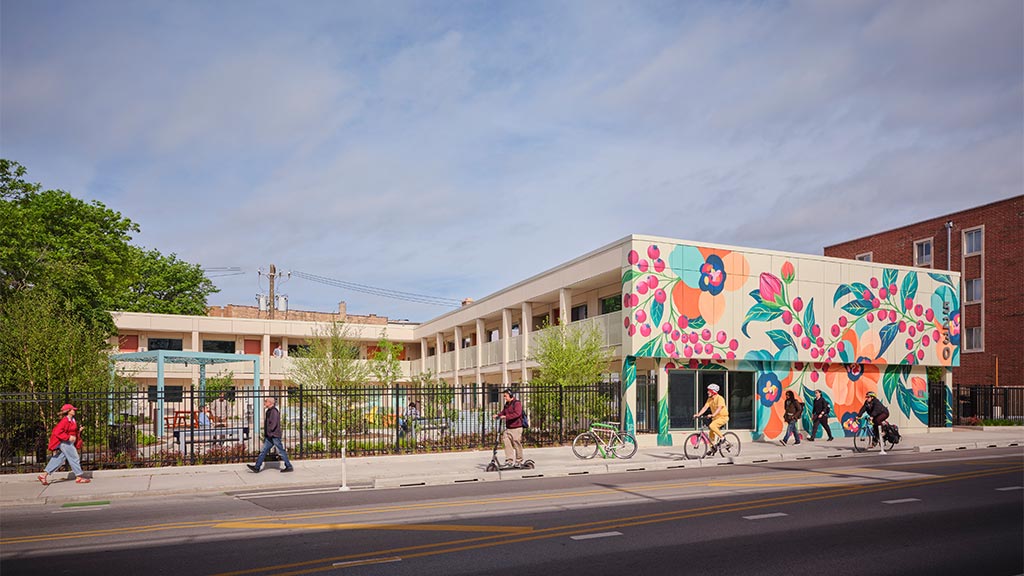
The Haven on Lincoln

DignityMoves Cherry Avenue
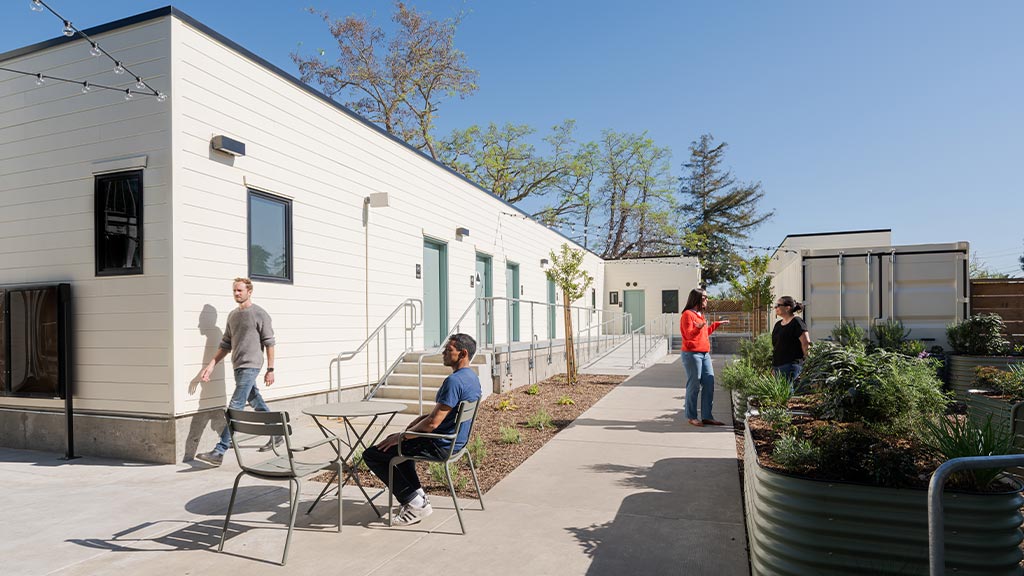
DignityMoves Brookfield Senior Gardens

Central Park House
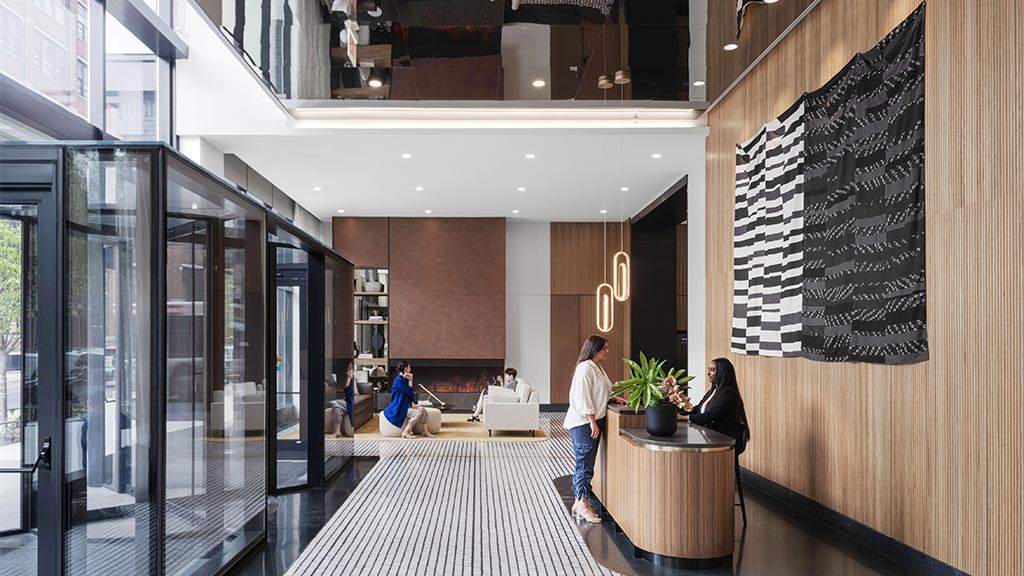
Coppia
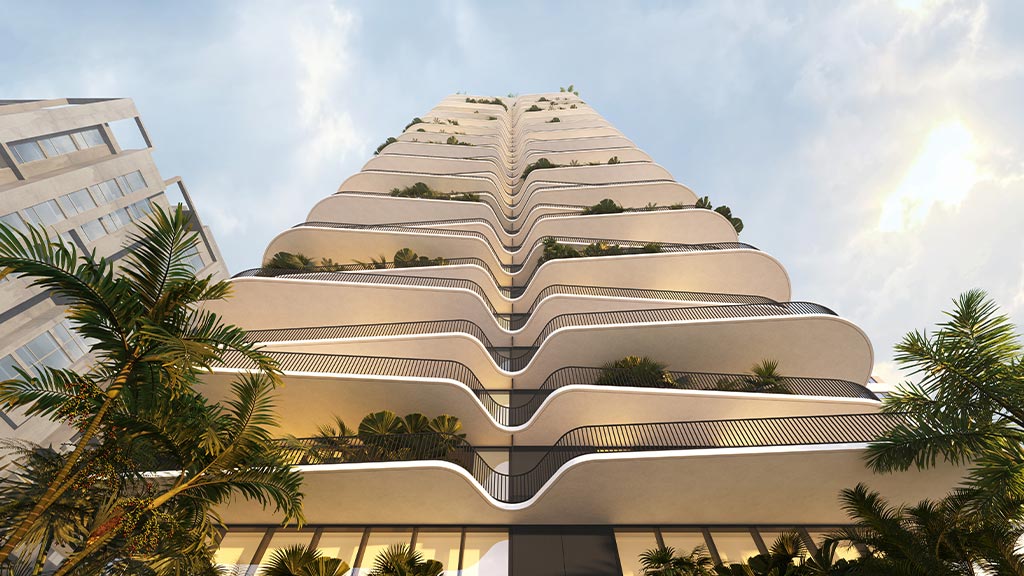
128 Southwest Seventh Street
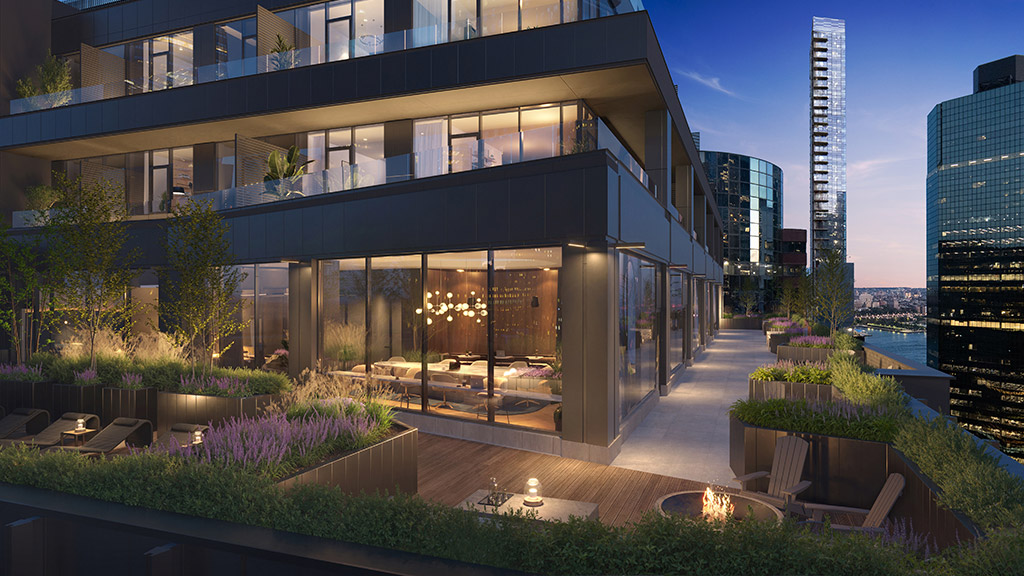
Pearl House (160 Water Street)
_1720051024.jpg)
Lyra
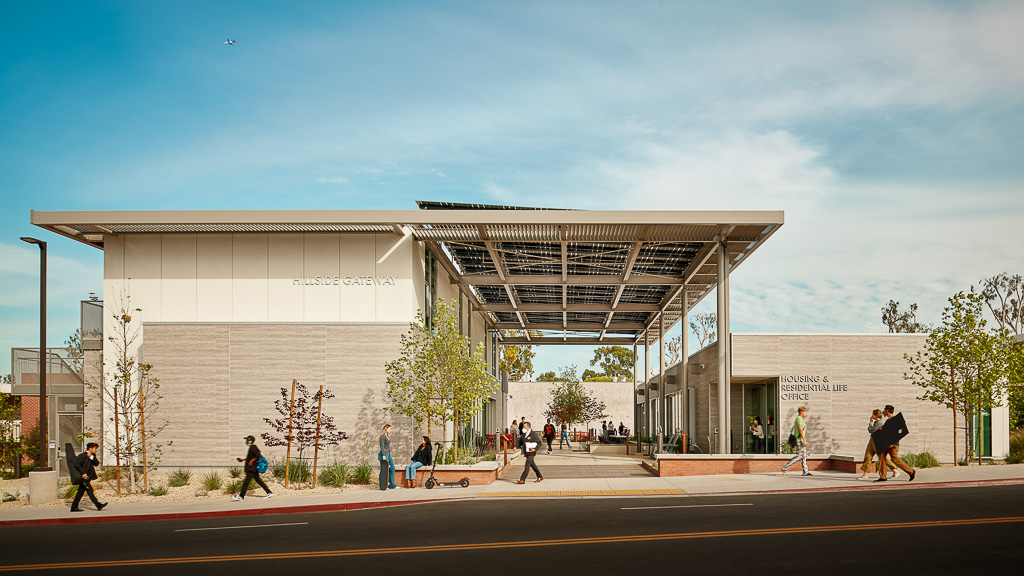
CSULB Hillside Gateway
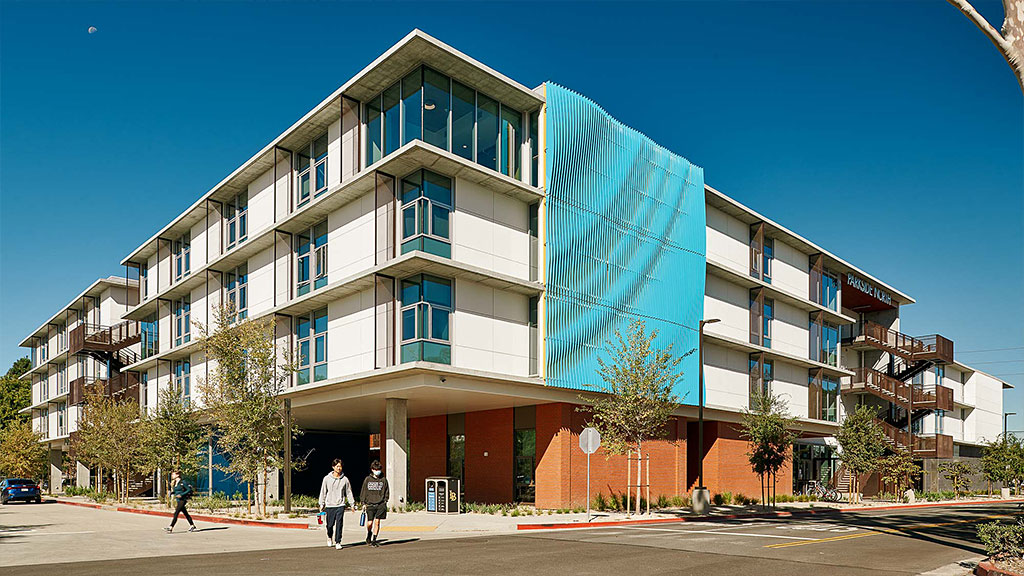
CSULB Parkside North Residence Hall and Housing Administration Building
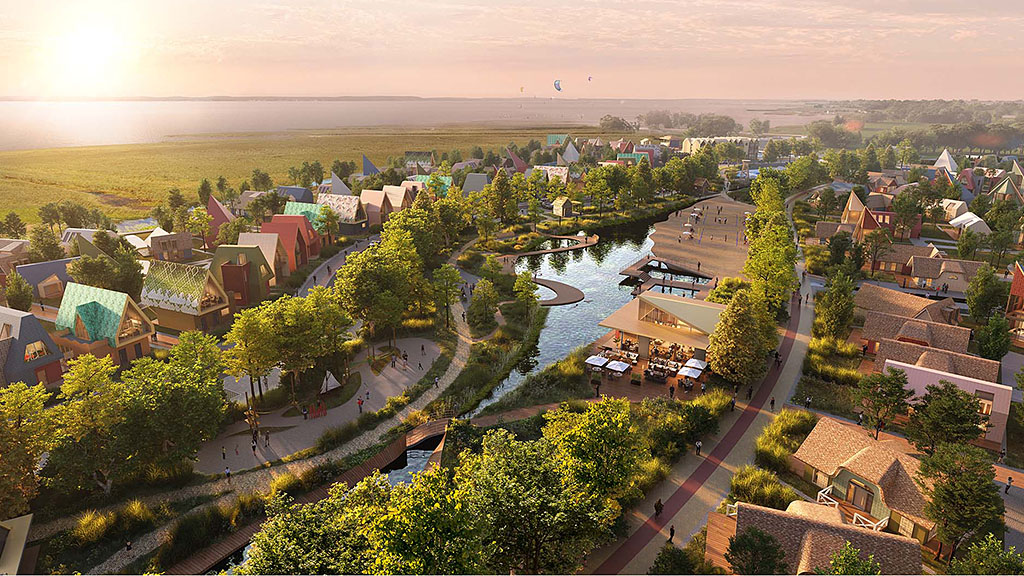
Wind Town (Vėjo Miestelis)
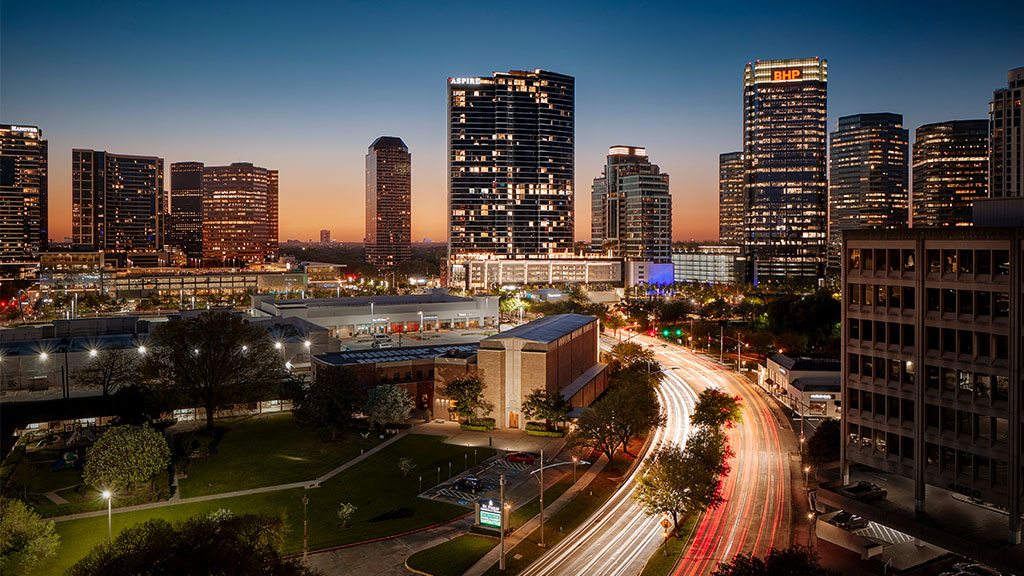
Aspire Post Oak

How a New Vision for Flexible Co-Living Conversions Can Support Housing Affordability
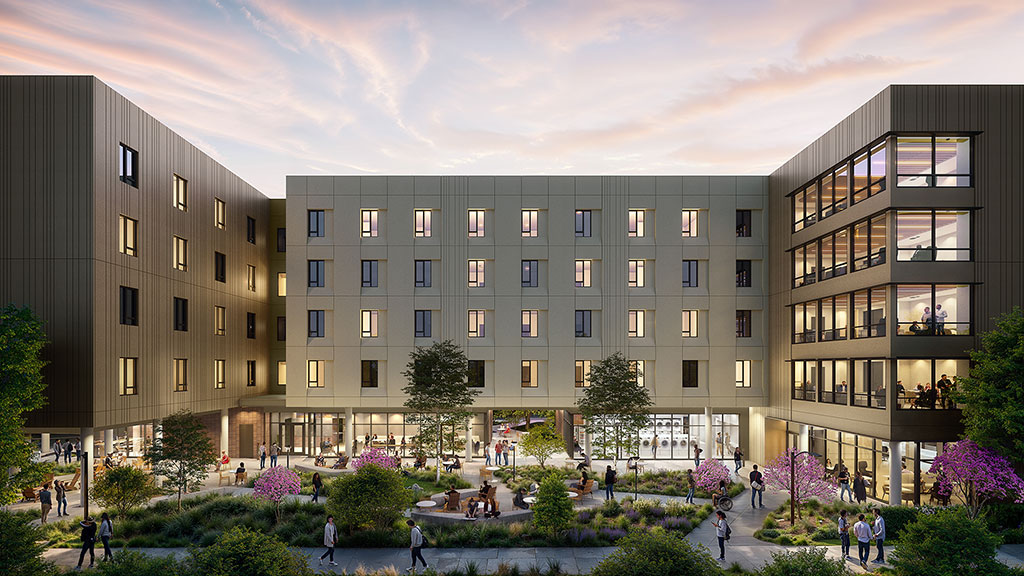
Trends to Watch Shaping the Future of Student Housing
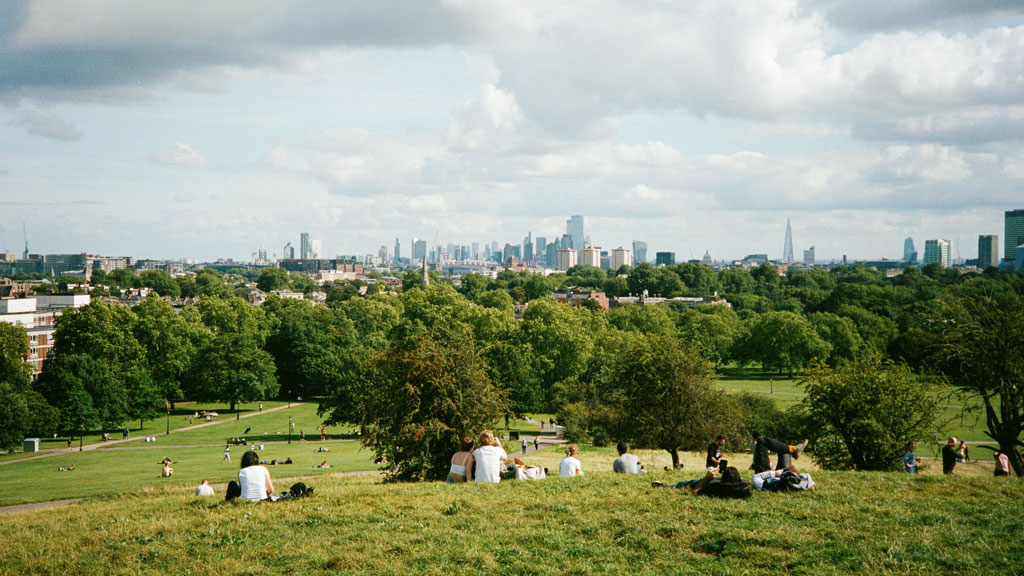
How London’s Green Real Estate Can Lead the Global Climate Agenda
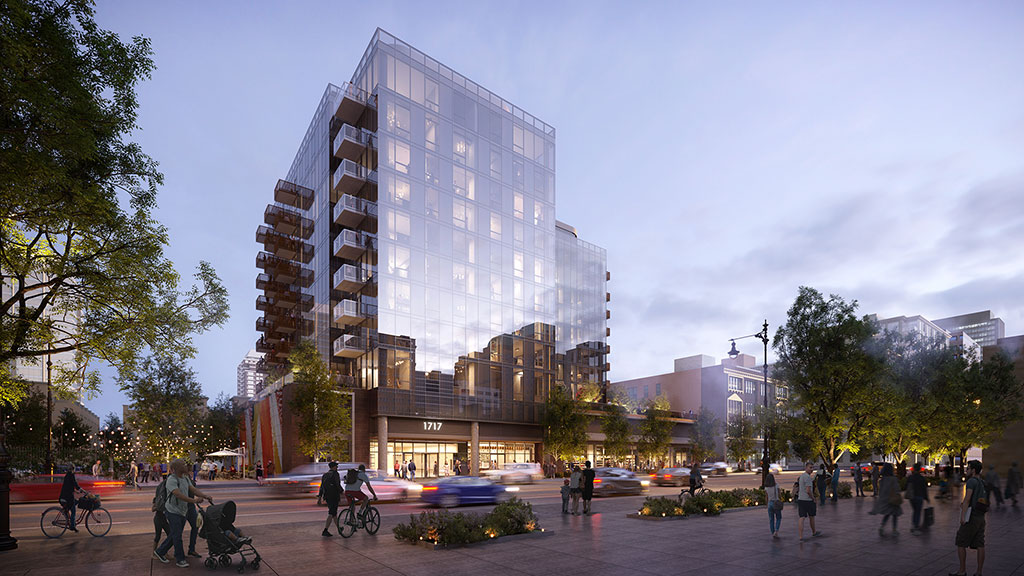
Belonging Begins at Home: Why Attainable Housing Is a Civic Imperative
A Radical Solution to the U.K. Housing Crisis: Building a New London in the Thames Estuary
How Design Can Integrate Social Value Into Residential Developments
Maximising Urban Space: 3 Strategies for Solving the U.K.’s Housing Crisis
Are ‘New Towns’ the Solution to the U.K. Housing Crisis?