Designing Better Patient Experiences in the Age of AI
As AI reshapes healthcare, listening to patients and communities keeps the focus on the human experience of care.
I keep thinking about something a labor and delivery nurse told me during a visit to Methodist Dallas Medical Center. She was describing how she builds trust with Black patients: pulling the curtain for privacy, adjusting the lighting, positioning the bassinet just so. “So instead of them waiting,” she said, “it’s like the room is waiting on them.”
That phrase has stayed with me because it captures a fundamental truth about healthcare: The environment is part of the care experience. Before a clinician introduces themselves or a treatment begins, the space has already set the tone. It tells patients whether they are expected, respected, and considered. Decades of evidence-based design research reinforce what the nurse understood intuitively: Healthcare environments influence patient experience, staff well-being, and the quality of care itself.
Healthcare is entering a new era shaped by artificial intelligence. AI is helping clinicians detect disease earlier, reduce administrative burden, personalize treatments, and improve operational efficiency. Adoption is accelerating: The American Medical Association’s 2026 Physician Survey on Augmented Intelligence found that 81% of physicians now use AI in their practices, more than double the 38% reported in 2023.
These advancements hold tremendous promise. They also raise an important question for healthcare planners, strategists, and designers: As AI transforms healthcare, how do we ensure technology enhances, rather than diminishes, the human side of care?
AI can analyze patterns at a scale beyond human reach, but it can only work with the information it receives. It misses whose experiences are absent from the data, whose needs have historically been overlooked, and how cultural context and personal history shape a person’s experience of care.
Research shows that healthcare algorithms can unintentionally reinforce existing disparities when they reflect incomplete data or inequities already present in the healthcare system. A widely cited 2019 study in Science, for example, found that an algorithm used to guide care for millions of U.S. patients underestimated how sick Black patients were compared with white patients assigned the same risk score.
As AI becomes more integrated into healthcare, human-centered design matters even more. Technology reshapes how care is delivered, but design influences how patients experience it.
Listening Drives Better Design
Some of healthcare planning’s most valuable insights come from listening to clinicians who understand the realities of care delivery, staff who know how spaces function day to day, and patients whose experiences reveal barriers that performance metrics miss. Clinicians are asking to be heard on technology, too: In the AMA’s 2026 survey, 85% of physicians said they want to be consulted or directly involved in decisions about AI adoption.
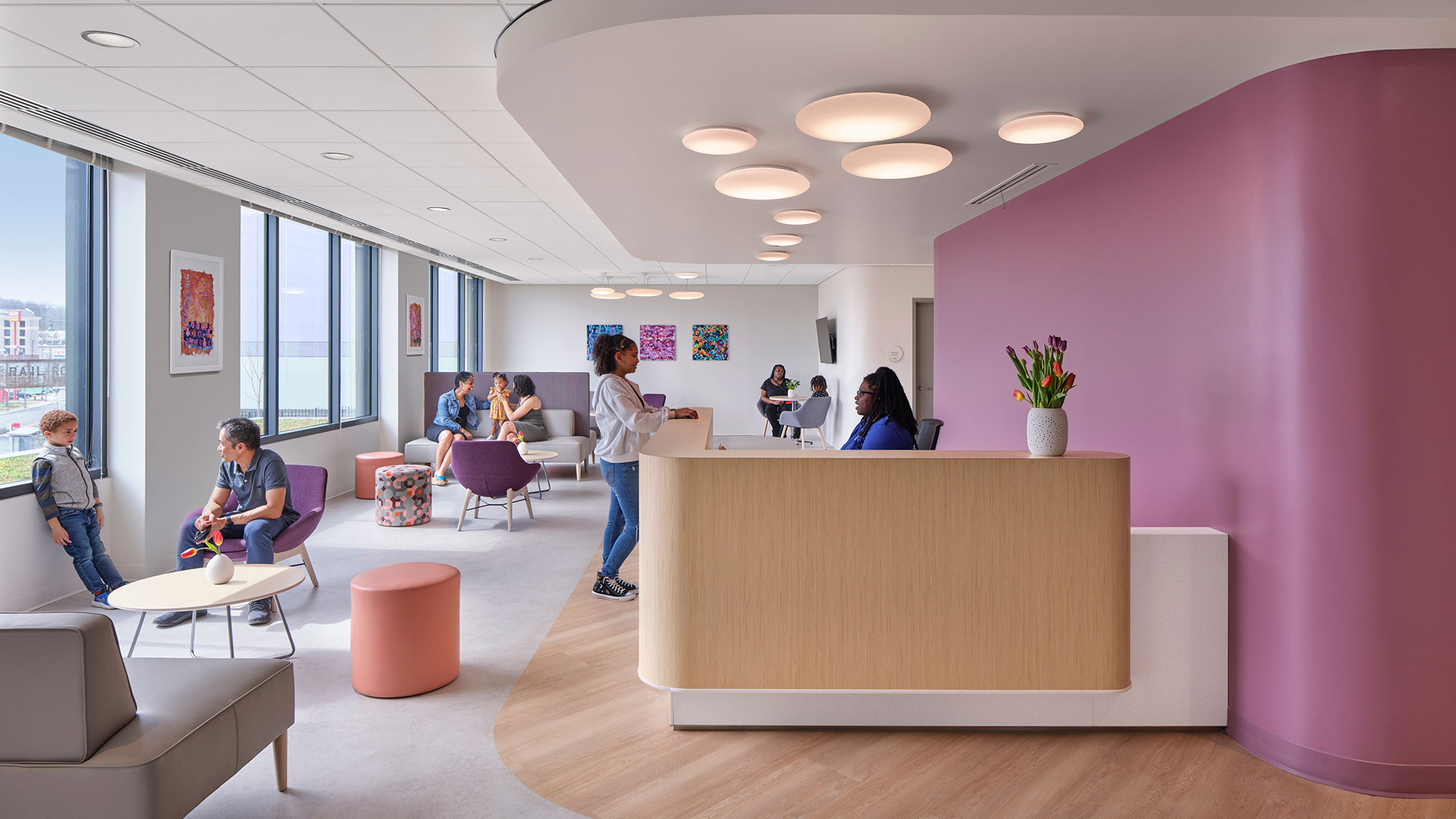
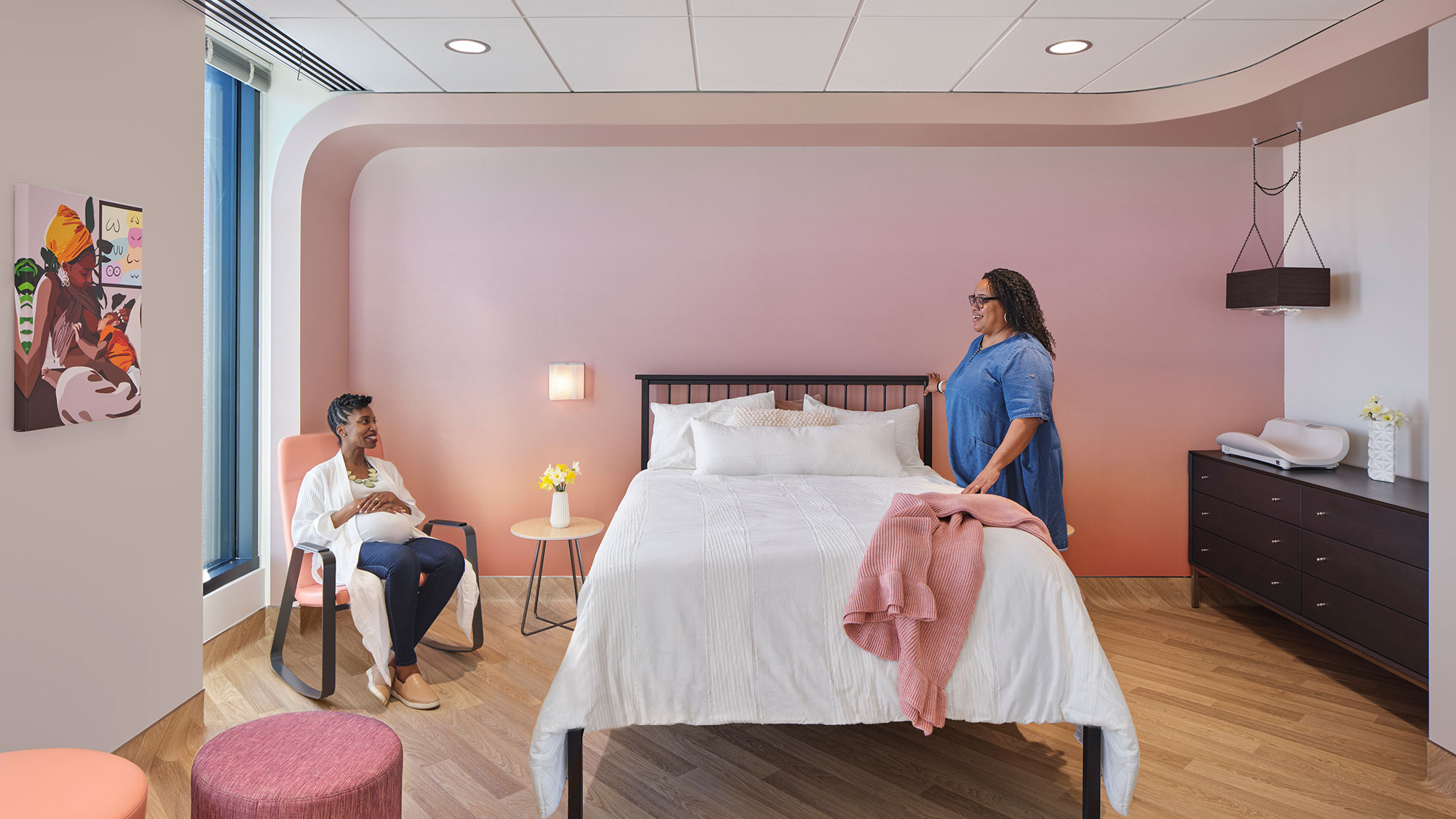
At Community of Hope Family Health & Birth Center in Washington, D.C., the design process began by listening to women and families in a community facing disproportionately high Black maternal mortality rates. The conversations explored experiences with healthcare, trust, trauma, and what it means to feel supported during one of life’s most vulnerable moments.
Patients described feeling dismissed and unseen in traditional healthcare environments. Those insights shaped the design team’s response, including warmer, more welcoming birth suites, spaces that better support families, and artwork created by former patients.
This human insight grows more valuable as AI becomes more prevalent in healthcare. Community engagement supplies critical design intelligence, so technology supports the people it serves rather than simply optimizing for existing patterns.
Technology That Responds to People
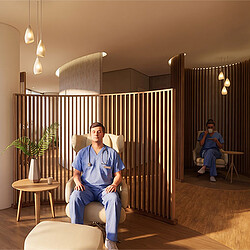
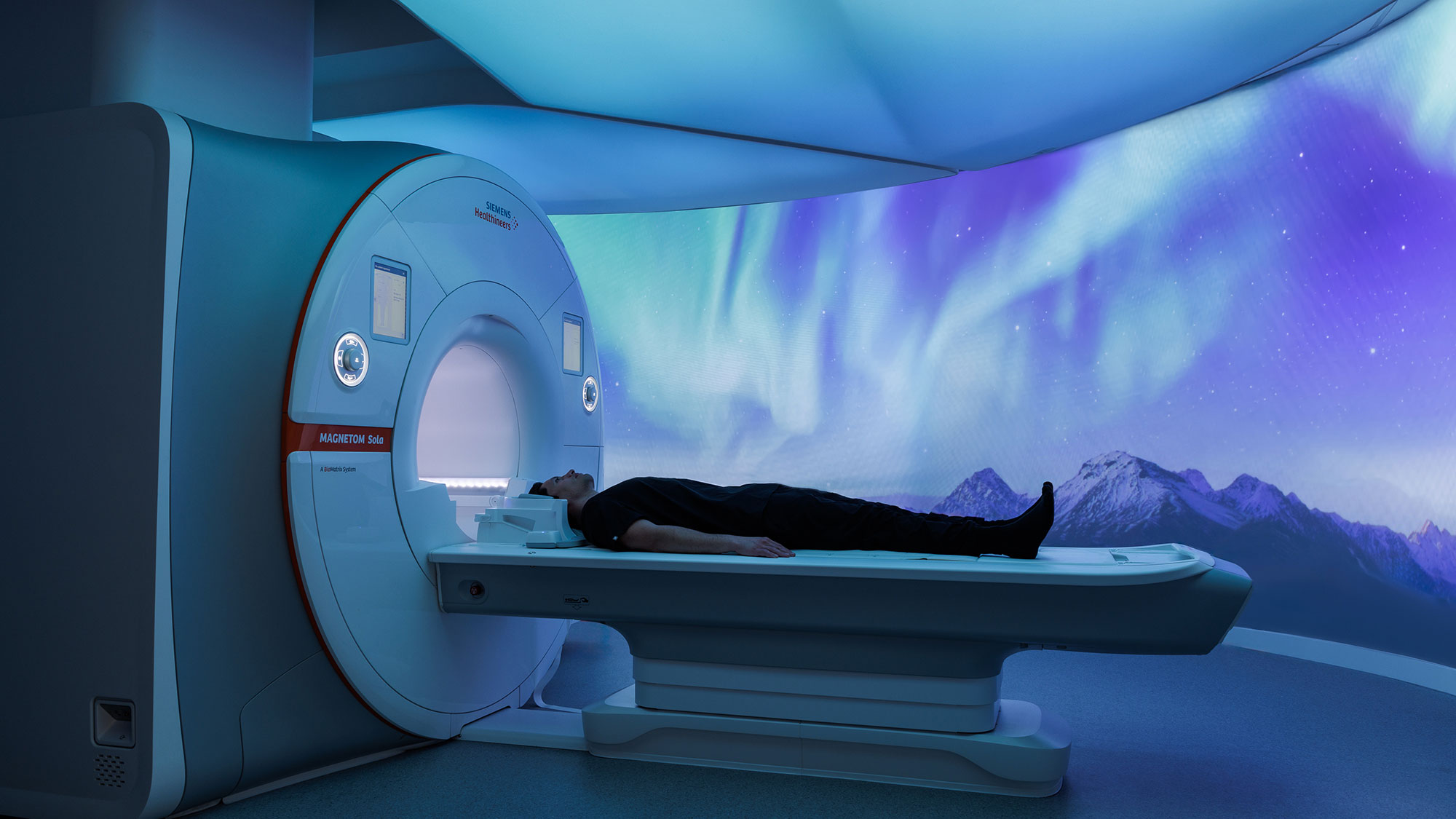
Technology also creates opportunities to personalize healthcare environments. At TELUS Health Care Centre in Calgary, patients can control aspects of their environment, including lighting, sound, and immersive experiences designed to reduce stress during procedures such as MRI scans. This approach demonstrates how technology can make healthcare spaces more adaptable and responsive.
But personalization alone does not guarantee a better patient experience. What feels comforting, calming, or supportive varies widely among individuals and cultures. A healthcare environment that adapts to one person’s preferences may not serve another person’s needs.
The opportunity lies in creating spaces that respond to people. Getting there requires pairing technological capability with human understanding, recognizing that dignity, belonging, trust, and connection shape healing alongside clinical care.
Turning Data Into Human Insight
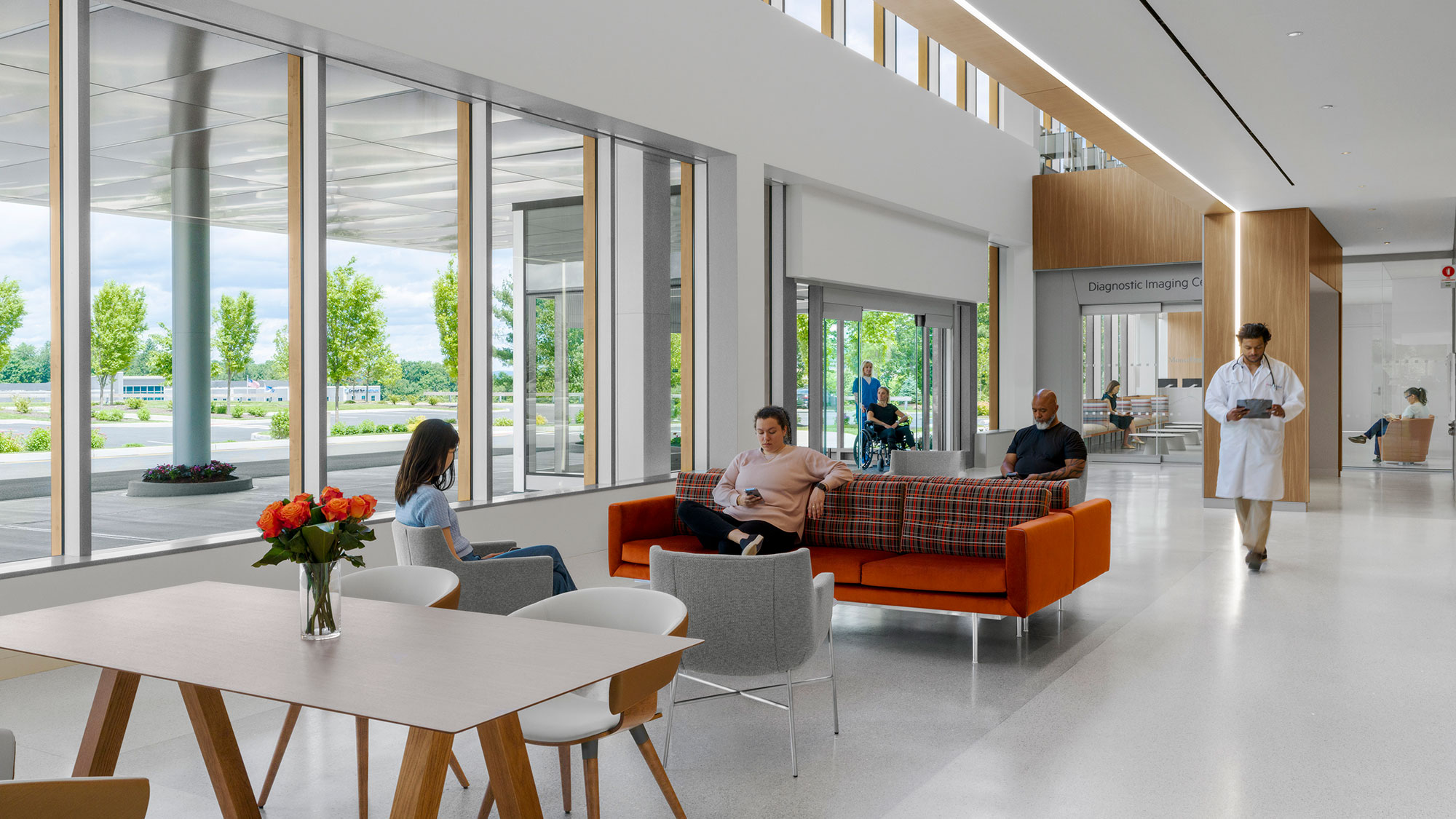
Data can also reveal challenges that are difficult to see. At Montefiore Einstein Comprehensive Orthopedic & Spine Center in Nyack, New York, data analytics helped identify patient navigation issues that staff had observed but struggled to quantify across the system. Technology made patterns visible, but human expertise interpreted them, traced their causes, and translated the insights into environments that better support patients.
Together, these examples point to a larger lesson: AI raises the stakes for human-centered design. The more healthcare relies on algorithms and technology, the more important it becomes to ask: What does the data tell us? What does it miss? How can design help translate information into experiences that make people feel seen, supported, and cared for?
The Room That’s Waiting on the Patient
The future of healthcare depends on how effectively we combine AI’s ability to identify patterns with the human judgment needed to translate those insights into better care experiences.
For planners and designers, that means treating community engagement as a form of data, one that tests and completes what analytics reveal. Before designing from a dataset, ask whose experiences are missing from it. When analytics point to a problem, validate it with the patients and frontline staff who encounter it every day. And when technology makes a space more responsive, make sure it responds to the full range of people who will use it.
The labor and delivery nurse in Dallas understood that trust begins before a conversation, and that even the smallest design decisions communicate whether a patient is welcome. She prepared the room with the patient in mind, considering who would enter it and what they would need to feel at ease.
AI can tell us a great deal about who is coming through the door. Our job is to make sure the room is ready for them.
For media inquiries, email .