The Above-Wing Advantage: Easing Canada’s Airport Bottlenecks
Harnessing “above wing” operational efficiencies to quicken landside check-in and ease airside congestion.
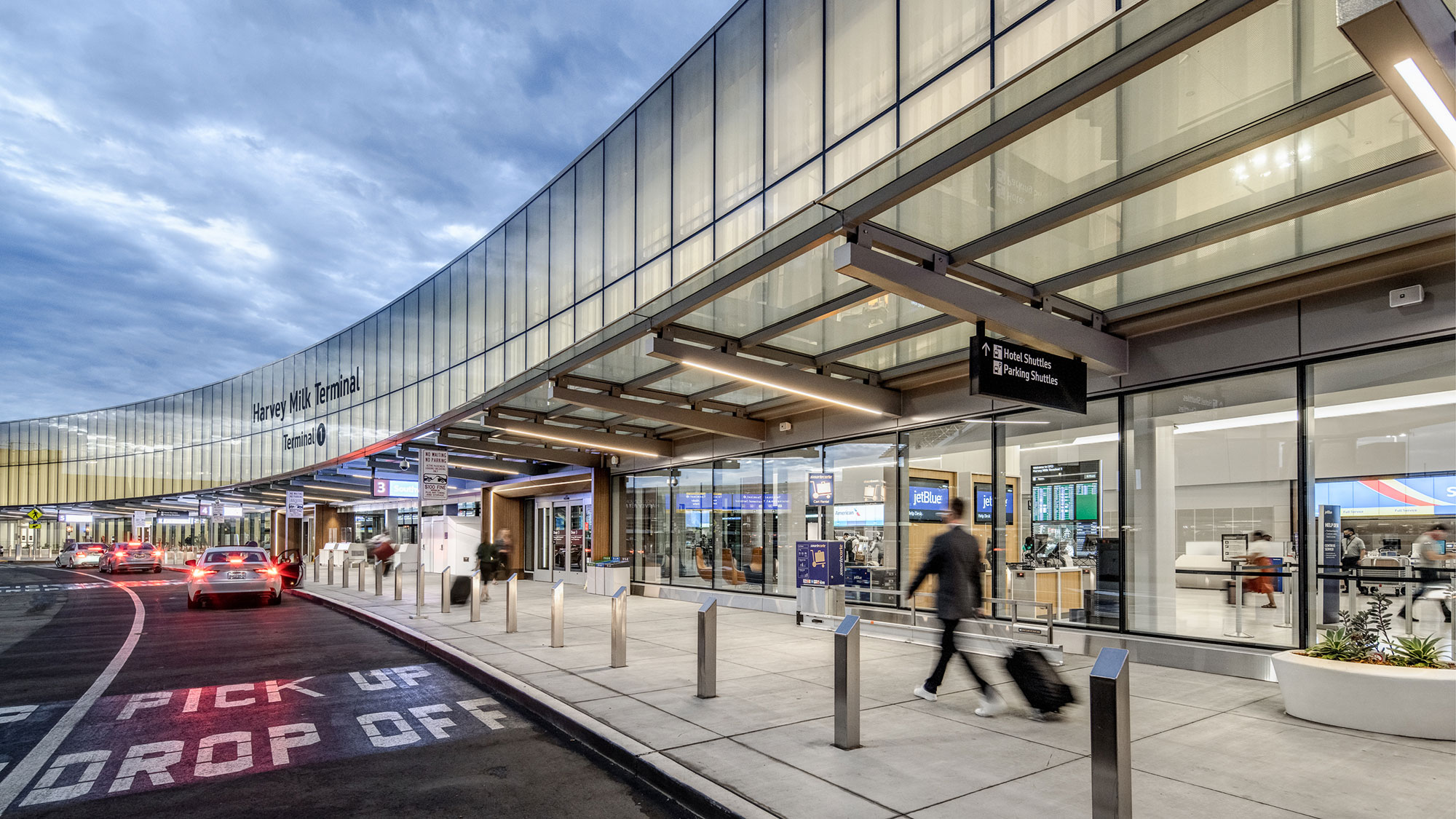
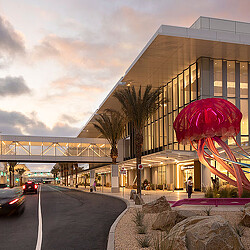
New retail, outdoor spaces, and digital art make airports more appealing and make travel more enjoyable for everyone. While these upgrades can enhance the passenger journey, they are just one part of the solution to quell the pain of long lines and overcrowding.
So how can Canadian airports make meaningful improvements to “above wing” operational efficiencies to improve the passenger journey at every stage? The answer lies in adopting new technologies already proven at airports around the world today, and in the infrastructure investments that will define how they function next.
Getting to the airport — any way you like
Operational efficiencies begin before passengers arrive at the terminal doors. It’s why the best airports are fully embedded into multimodal transit systems, offering options to connect via high-speed rail, car, public transit, and soon, eVTOL (Electric Vertical Take-Off and Landing) transportation.
For Canadian airports, which contend with a domestic passenger base hyper-reliant on cars, offering a spectrum of convenient ways to commute to the airport is key to reducing the first friction point of the travel experience: traffic. Better yet, alternative modes of travel provide a convenience that competes with, and exceeds, the car, especially when paired with baggage courier systems and remote check-in options for baggage-free travel.
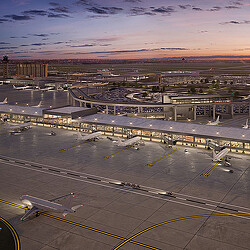
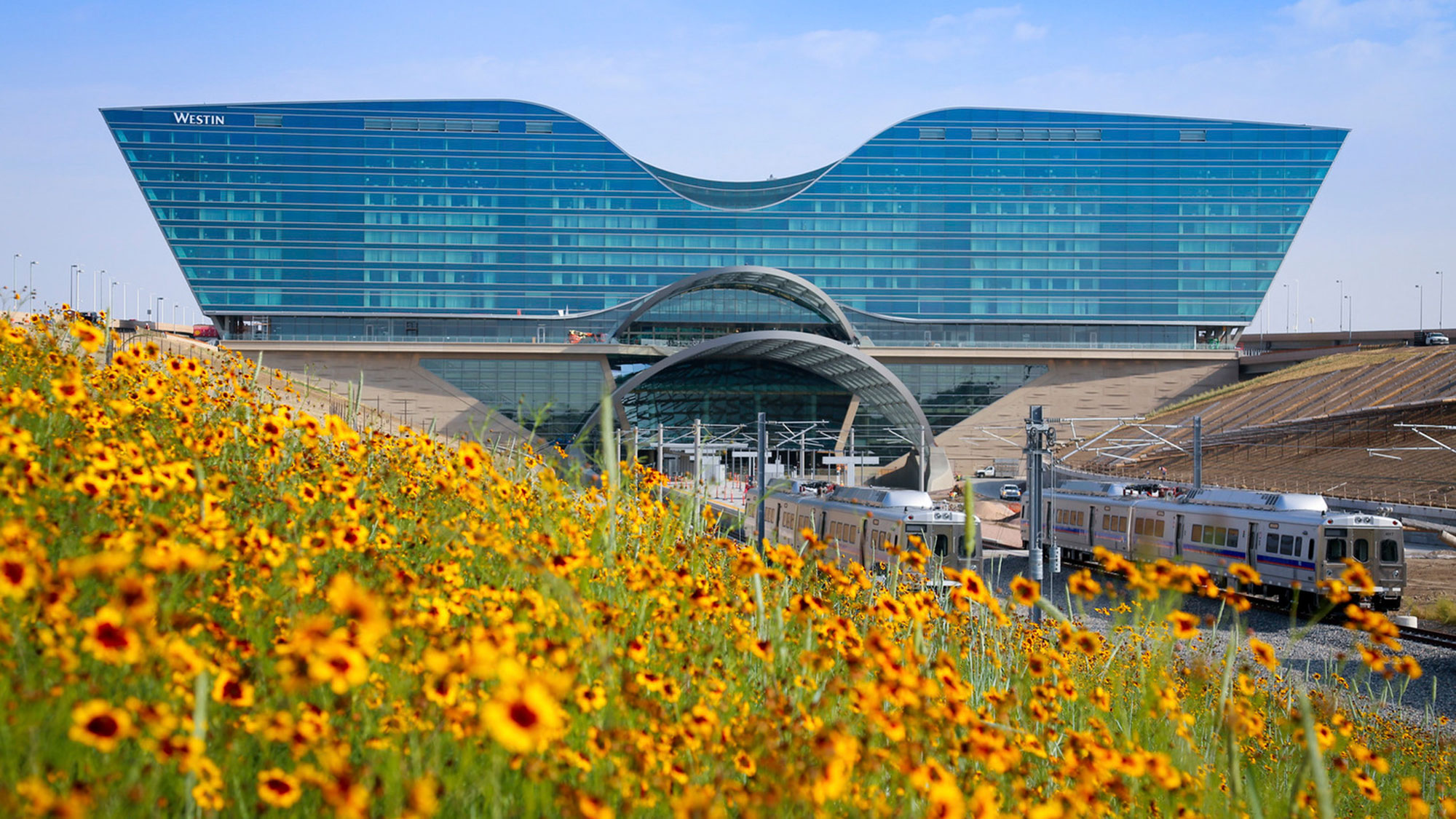
While Canadian airports differ from their European counterparts, which benefit from well-established heavy and light rail infrastructure, the adoption of an “airport hub” model, as seen at the Denver International Airport, meaningfully decentralizes the journey to the airport, dispersing how and where passengers are coming from across the region. Likewise, as the first piloted eVTOLs are expected to be in commercial use by 2030, Canadian airports have an opportunity to invest in future modes of transportation to further reduce system strain, increase connections to spoke cities, and shorten the time to terminal.
Check-in, not queue up
We’ve all experienced the struggle of walking into the airport, only to be met by a long line of people waiting for a kiosk or a check-in agent. While it may be tempting to address the issue by simply adding more kiosks, compounding congestion in already strained areas, the real solution lies in eliminating the need to stop here at all. As the days of manually scanning passports and printing baggage tags give way to digitization, Canadian airports can improve the landside check-in process by adopting biometrics and RFID technology for checked baggage.
As seen at major hubs like London’s Heathrow and Hong Kong International, RFID technology has proven useful for reducing baggage processing time, improving security and live-tracking, minimizing lost luggage, and even reducing operating costs for airlines.
While the security process is evolving with the introduction of CT scanners, eliminating the need to remove liquids and electronics from luggage, its checkpoint-based system often leads to long queues during peak travel periods, adding stress and uncertainty to the passenger journey. Looking ahead, biometrics, along with programs like NEXUS and automated screening lanes, can transform the fragmented check-in process from a “stop-and-wait” model to a more continuous, predictable flow.
For Canadian airports, these technologies can make the difference between costly terminal expansions and an end-to-end system designed to reduce congestion by making better use of existing space.
Removing bottlenecks to ease congestion
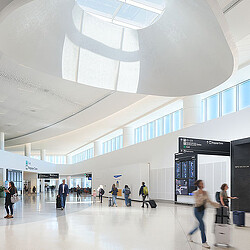
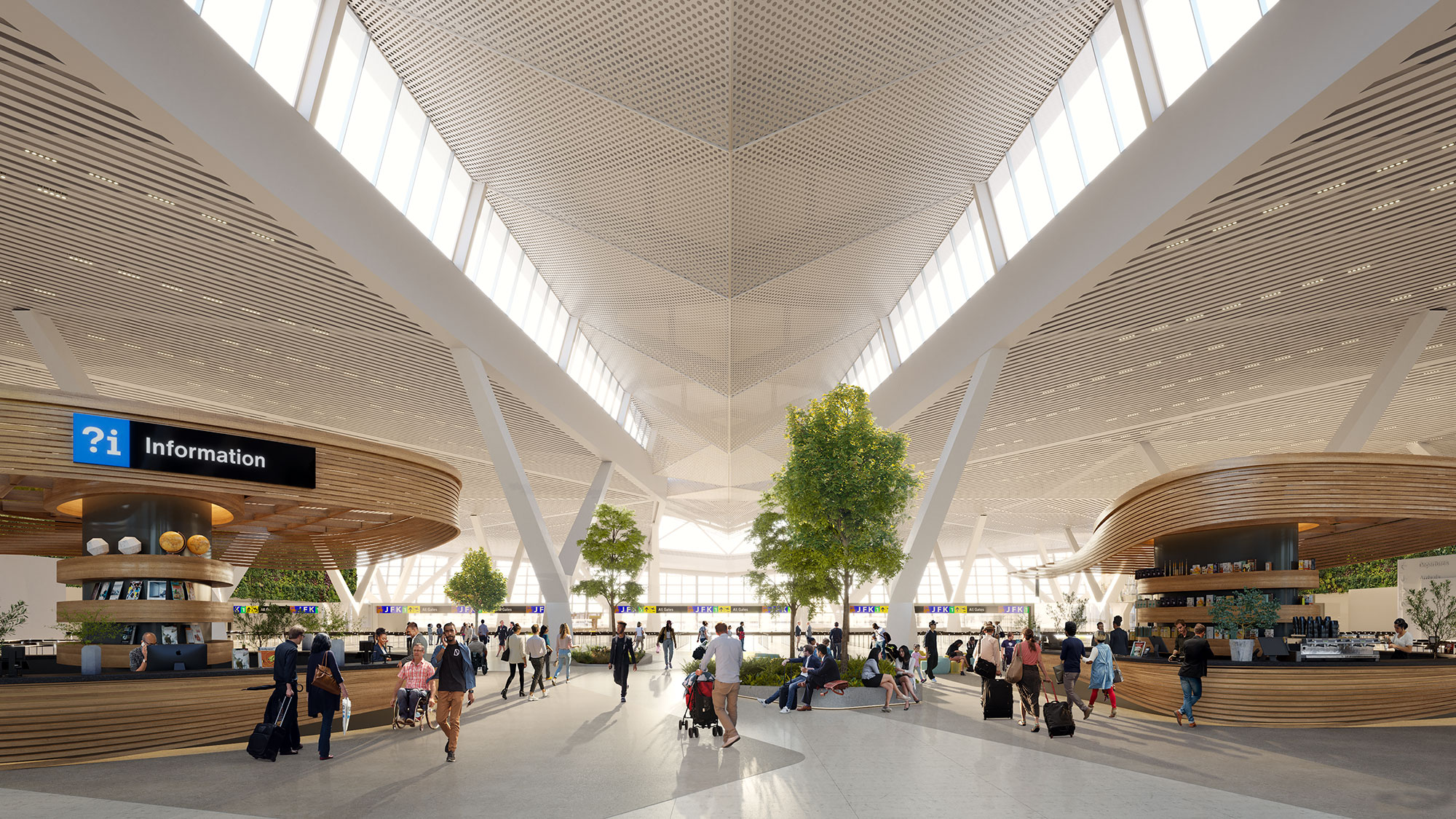
Beyond security, Canadian airports continue to struggle with airside challenges like overcrowded hold rooms, limited wayfinding, and an outdated zonal boarding method. These challenges diminish the experience by forcing passengers to remain at their gates without a seat, or worse, jockey for position in the hopes of securing overhead storage. They also prevent passengers from having the freedom to shop, dine, and explore.
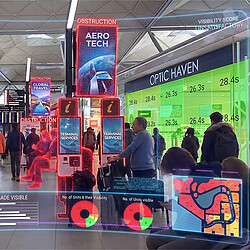
The technology exists to ease airside congestion today. Interactive maps, e-gates, mobile apps, and call-to-gate strategies all improve wayfinding, navigation, and dwell time. By providing passengers with the confidence to venture away from their gate without getting lost or missing key flight updates, airports can remove the boarding bottleneck, reduce hold room congestion, and empower passengers to choose their own adventure and actually enjoy the airport experience.
Adopting these technologies is critical for Canadian airports to improve efficiencies, modernize ahead of new ways of connecting to and within the airport, and keep pace with their international counterparts. In combination with the passenger experience improvements mentioned in our previous blog post, above-wing upgrades are strategic investments that yield tangible returns.
For media inquiries, email .