Designing for the Long Game: Extended-Career Workers Are Here
Workers 65 and older are one of the fastest-growing segments of the workforce. Gensler’s Global Workplace Survey 2026 reveals what it takes to design workplaces that keep them engaged.
This is the seventh blog of a series unpacking the detailed findings of Gensler’s Global Workplace Survey 2026. Read part one here, part two here, part three here, part four here, part five here, and part six here.
The workforce is aging — visibly, durably, and at the center of the labor market, not at the margins. Extended careers are becoming an increasingly common feature of today’s economy, even as many workplaces continue to operate as though longevity is the exception rather than the norm.
In the U.S., workers aged 65 and older are one of the fastest-growing segments of the workforce. Many are choosing to continue working, bringing decades of lived experience across periods of significant workplace transformation — from early digital tools to open-plan offices and, more recently, hybrid work. In Gensler’s Global Workplace Survey 2026, one thing is clear: extended career workers are showing up, contributing, and staying.
Leadership strategist Don Pontefract captures this concept well in his newly published book, The Future of Work Is Grey. He uses a powerful metaphor of a river to describe organizations shaped by a mix of early-, mid-, and extended career talent. The challenge — and opportunity — is not deciding which career stage to prioritize, but designing workplaces that allow the energy of early-career employees (fast-moving rivers), the execution of mid-career professionals (solid rocks), and the experience of seasoned employees (crystalized rubies) to work together. He reminds us that healthy organizations look like riverbeds, with rivers flowing over rocks, polishing rubies, shaping one another by proximity.
That proximity is the physical workplace. Yet, it hasn’t caught up. And that is the opportunity.
Who Are Extended-Career Workers?
In the Global Workplace Survey, extended-career workers are defined as U.S.-based employees aged 65+ who work full- or part-time and spend at least some time in the office. The majority of extended-career respondents work full-time.
Older workers we surveyed are most heavily concentrated in government, defense, energy, and not-for-profit sectors, and least represented in tech. Most have adapted repeatedly over long careers as tools, processes, and expectations changed beneath them. What they bring is something increasingly scarce: institutional memory, judgment, and perspective earned over time.
Why the Office Still Matters
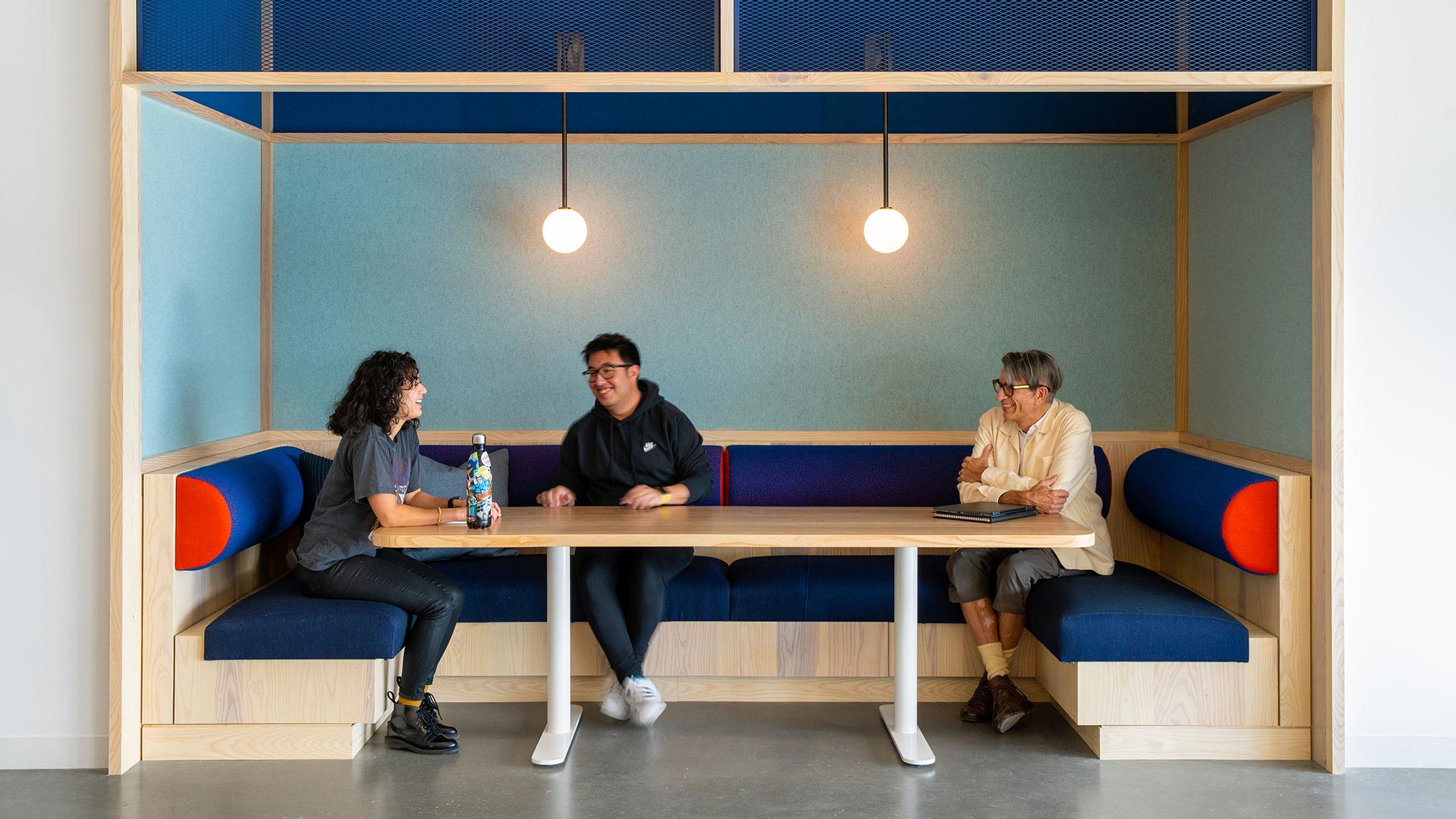
Extended career workers spend about 45% of their typical workweek in the office, with slightly more time than younger workers surveyed spent in third spaces. Their overall work patterns mirror those of other career stages, with one notable difference: they spend more time socializing and connecting than workers aged 18-49.
For this group, the office plays a meaningful role as a place of connection.
When access to technology factors into their reason for coming into the office, priorities are practical: well set up workstations, reliable equipment, secure networks, and responsive tech support. They expect that technology should work smoothly and intuitively, without friction.
Experience, Belonging, and a Persistent Paradox
Extended career workers report highly positive experiences overall:
- 81% say they have a great workplace experience
- 79% say that working in the office positively impacts their relationships
- 70% say that working in the office positively improves their health and well-being
- 78% report a strong sense of community and belonging
Despite these benefits, nearly half of extended-career workers say they often or always feel lonely at work — even though most also report strong friendships and regular social routines like eating lunch with colleagues. This paradox matters. Loneliness is a signal — not of failed commitment or collegiality, but of environments that haven't caught up. Based on our experience, even with strong relationships and regular social routines, employees voice in focus groups that they feel isolated when collaboration is episodic, recognition is limited, or teams operate in parallel rather than together. Presence alone doesn’t guarantee connection.
Designing for Extended-Careers
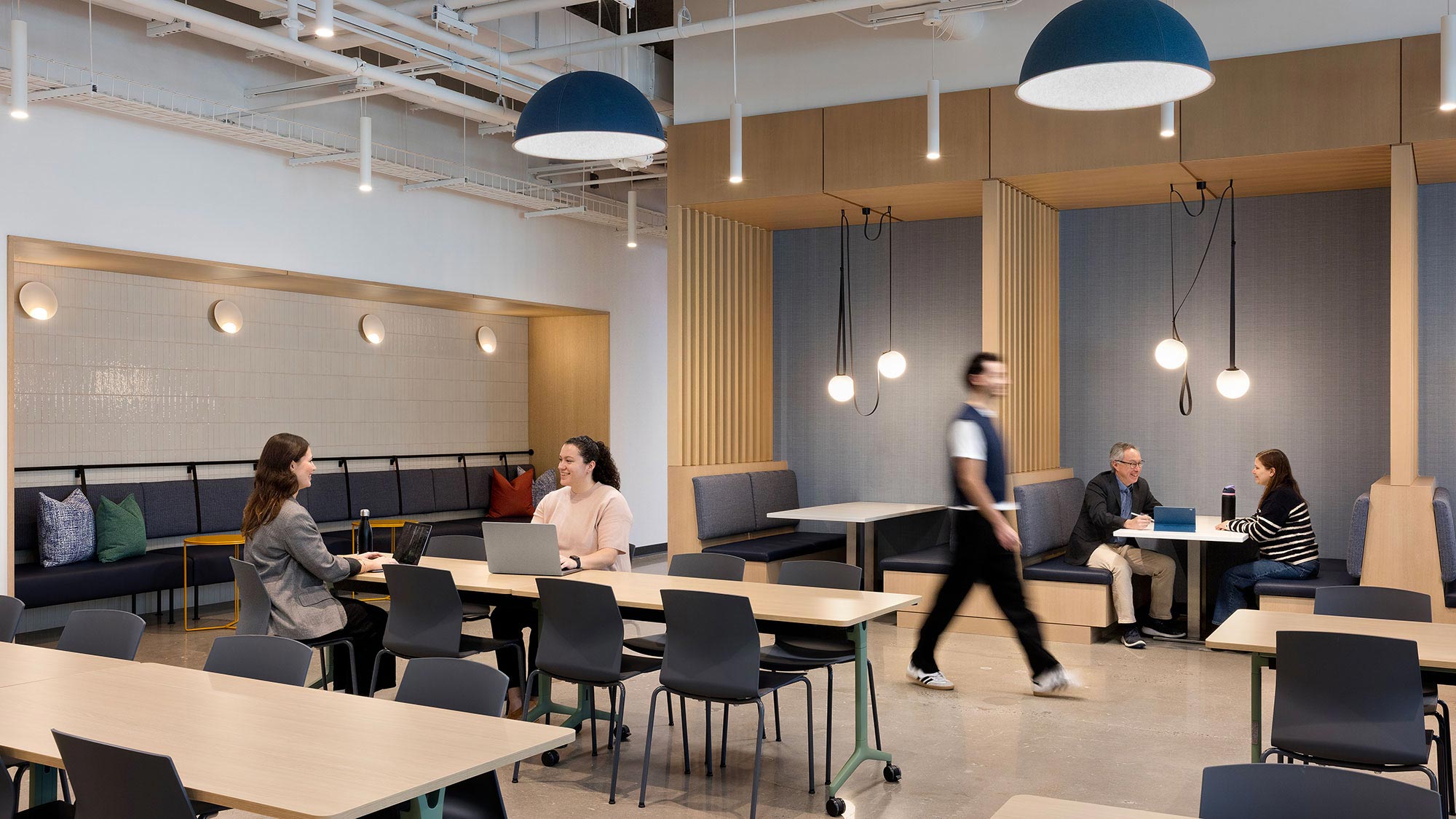
Extended-career workers are deeply invested in their organizations, yet slightly less likely than others to believe their workplaces are designed with them in mind. Designing for extended careers means applying design intelligence to create choice-rich, inclusive environments that perform across career stages and life moments:
- Clear, intuitive technology that reduces friction
- Ergonomic flexibility integrated into everyday settings
- Spaces that support both focus and informal connection
- Visible recognition of contribution — not tenure
Like other career stages, extended career workers want workplaces that help them feel productive, inspired, energized, and creative. Their aspirations for the future workplace are strikingly consistent with those of other age groups.
Where differences appear are in recognition. Extended career workers report the lowest scores for feeling their achievements are acknowledged or celebrated. They are also slightly less likely than others to believe their office environment helps attract and retain talent. And yet, 86% say they are likely to stay with their organization in the next year. That loyalty speaks to commitment — but it also raises a design and leadership question: what happens when experience remains essential, but increasingly invisible?
What This Means for Workplace Design
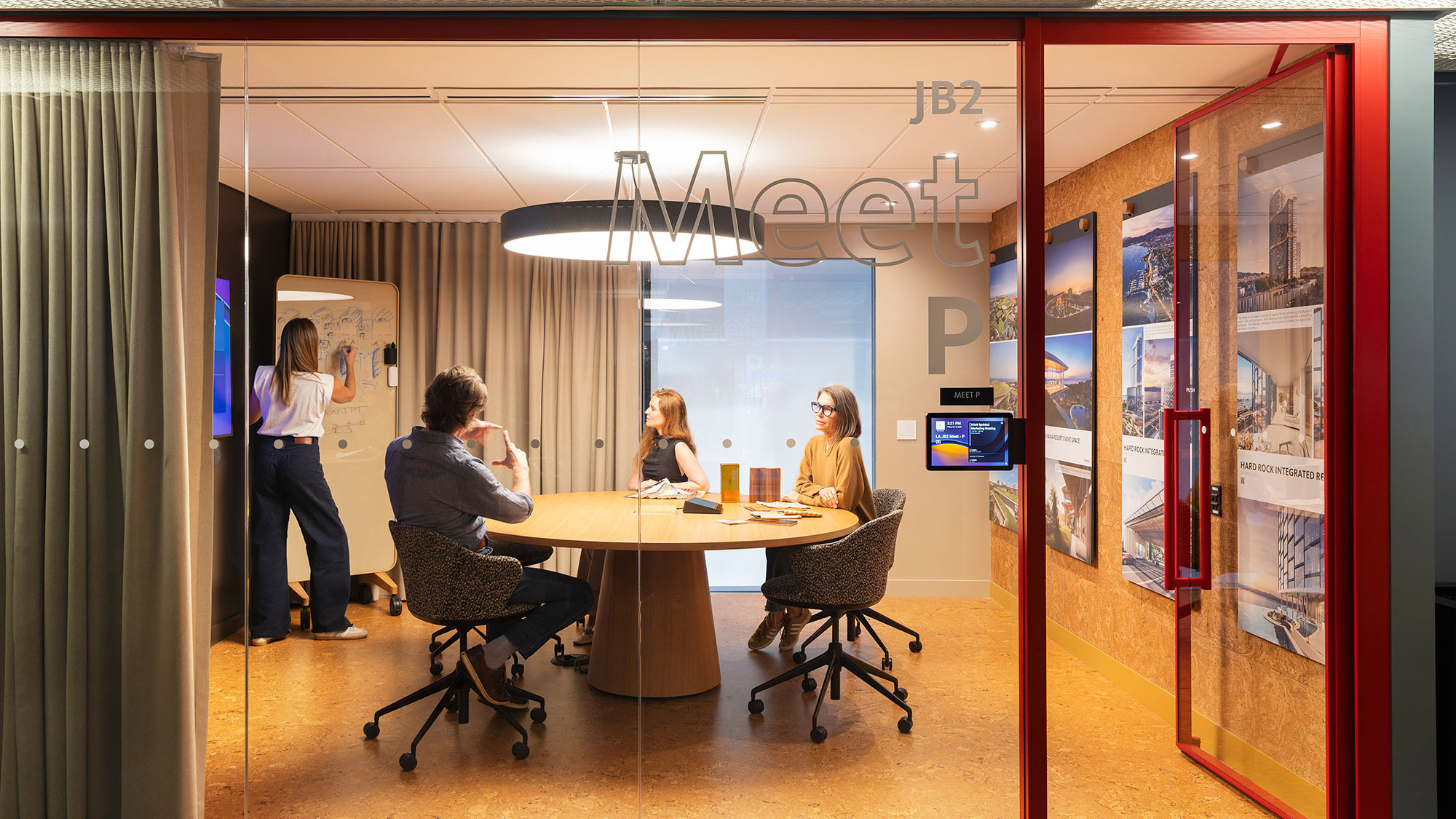
Designing for extended-career workers is about optimization and connection. Our data suggests that addressing loneliness at work requires more than attendance mandates or space alone. It’s shaped by how environments support everyday interaction, how teams are mixed, and how work is experienced across career stages.
From a design perspective, this shifts the focus from simply bringing people into the office to what happens once they arrive. If loneliness persists in shared workplaces, it’s because environments and norms aren’t consistently supporting connection.
The best workplaces lower the barriers to meaningful connection. That means spaces that nudge informal exchange without forcing it, visibility without exposure, and proximity with purpose. It means environments that encourage overlap — across roles, experience levels, and teams — rather than reinforcing silos.
When extended career workers are fully integrated into the day to day flow of work, their perspective shapes decisions, strengthens mentorship, and reinforces continuity. When organizations push extended-career workers to the margins — spatially or culturally — connection erodes. Loneliness follows.
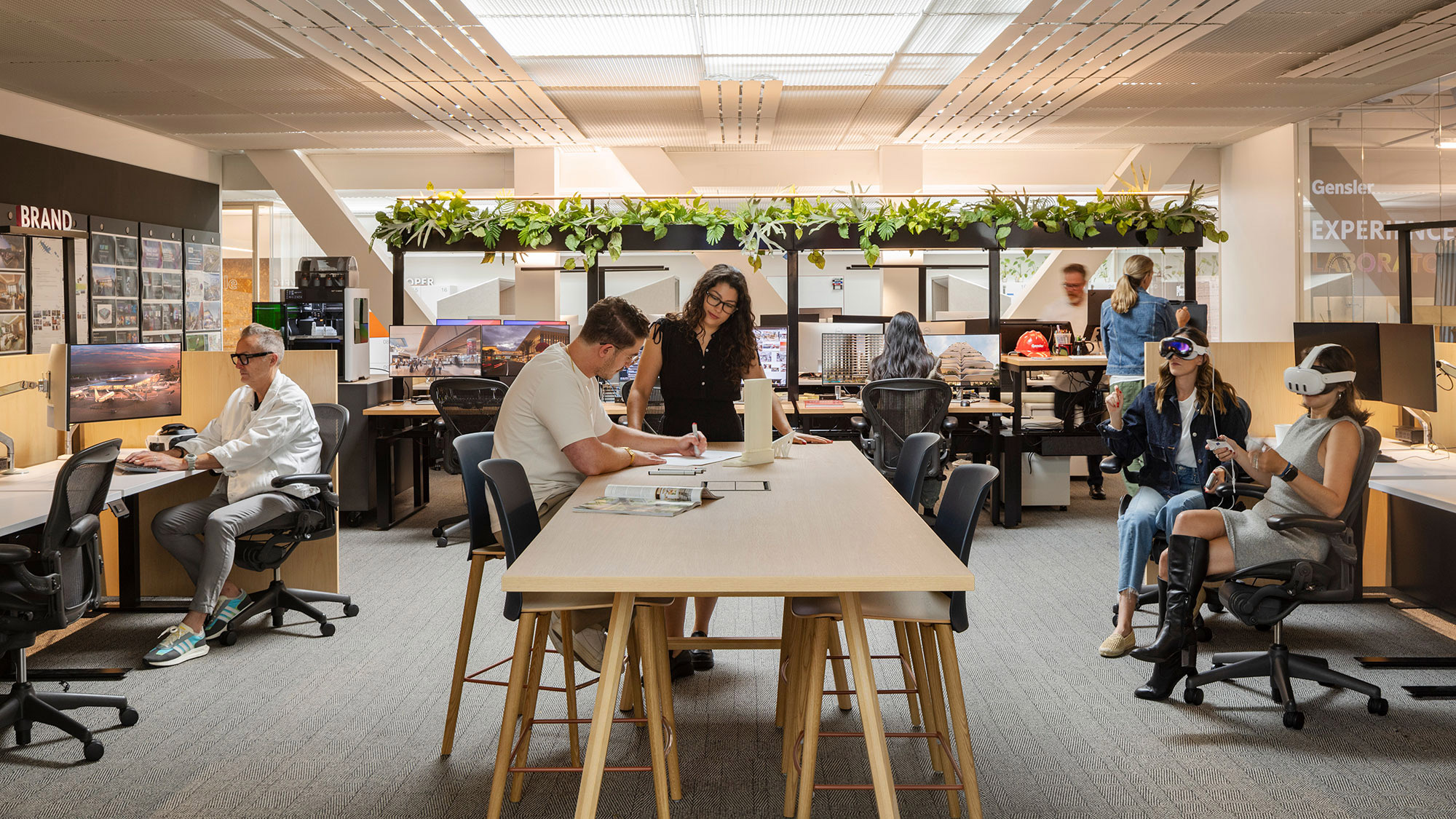
Design plays a role in recognition as well. Extended career workers often carry deep institutional knowledge and mentoring capacity, yet report the lowest sense that colleagues and leaders see their contributions. When workplaces prioritize speed and novelty without making room for lived experience, value becomes harder to surface — and easier to lose. Choice rich environments help change that trajectory. Comfortable, supportive settings, intuitive technology, and spaces designed for everyday exchange reinforce a sense of belonging across career stages. When experience is visible, and interaction is intentional, knowledge flows more freely — and no one is left working at the edges.
Organizations should embrace the opportunity to design inclusive workplaces that better support connection, recognition, and belonging over time. The workforce is aging, whether organizations are ready or not. Extended-career employees are already here — engaged, capable, and committed. The question is whether workplaces will evolve fast enough to support them.
The future of work may be grey — but for organizations willing to design for experience, connection, and longevity, the opportunity is real, measurable, and already within reach.
For media inquiries, email .