- Trauma-Informed, Housing-First, Research-Driven Design
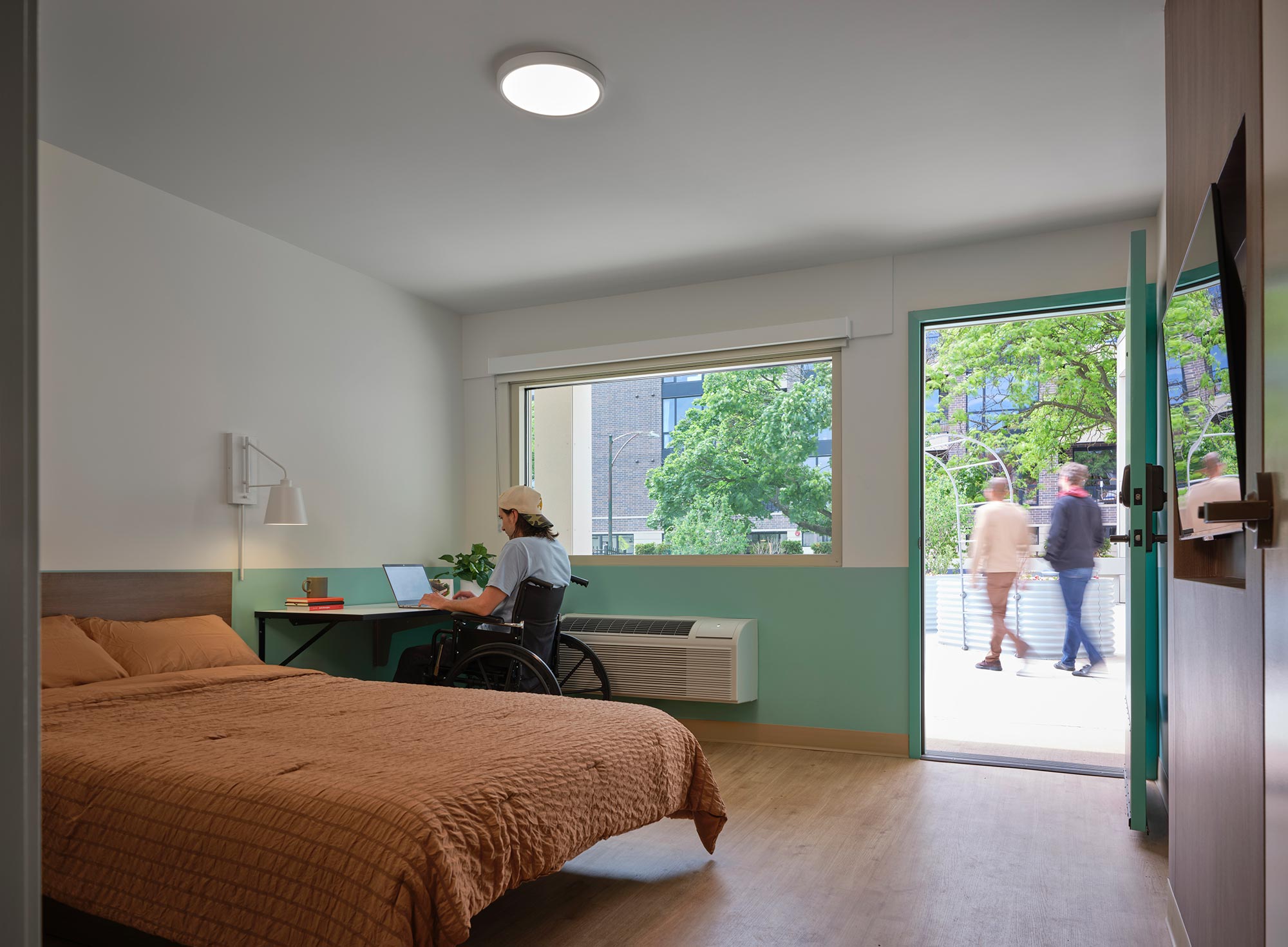
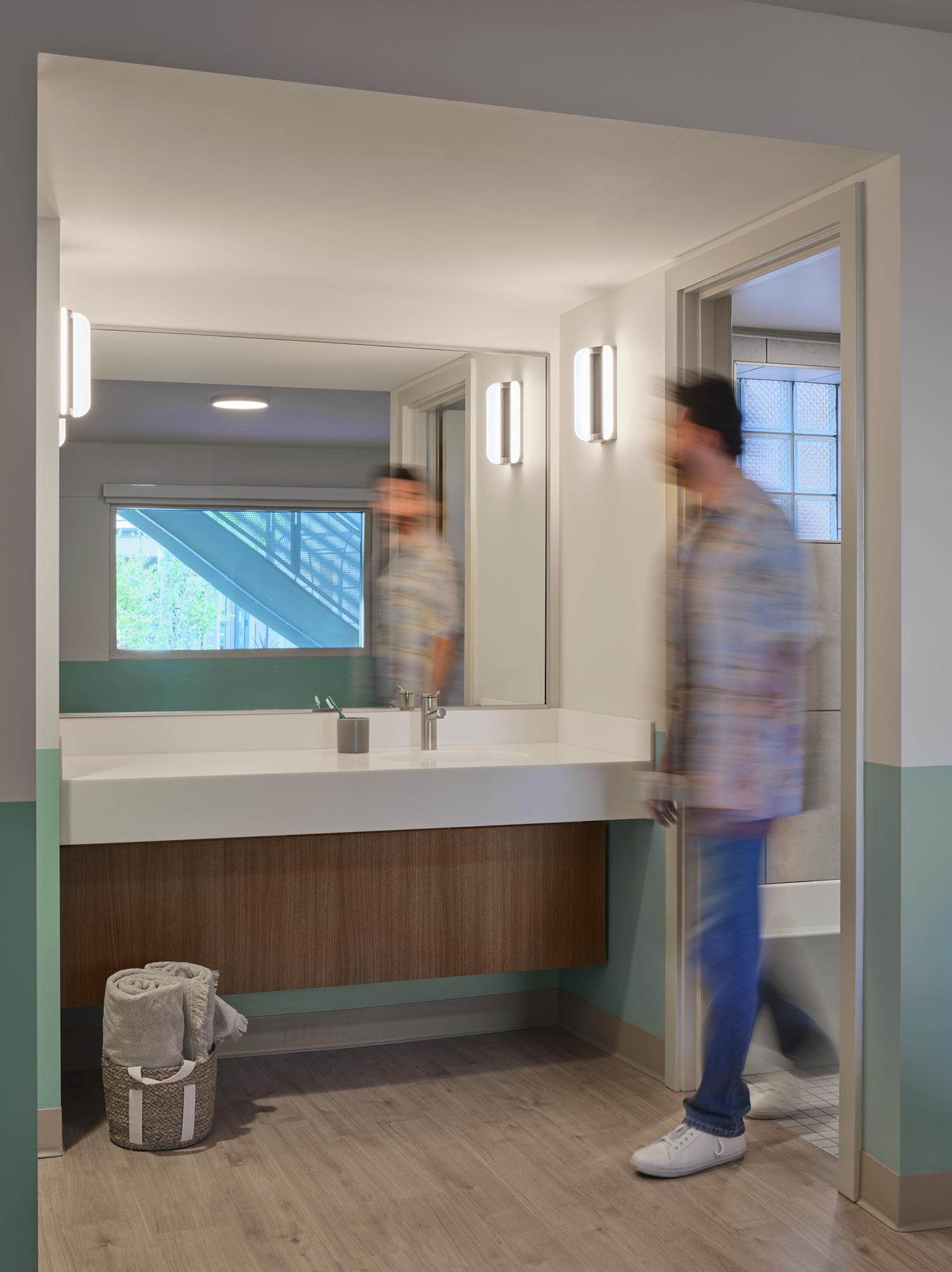
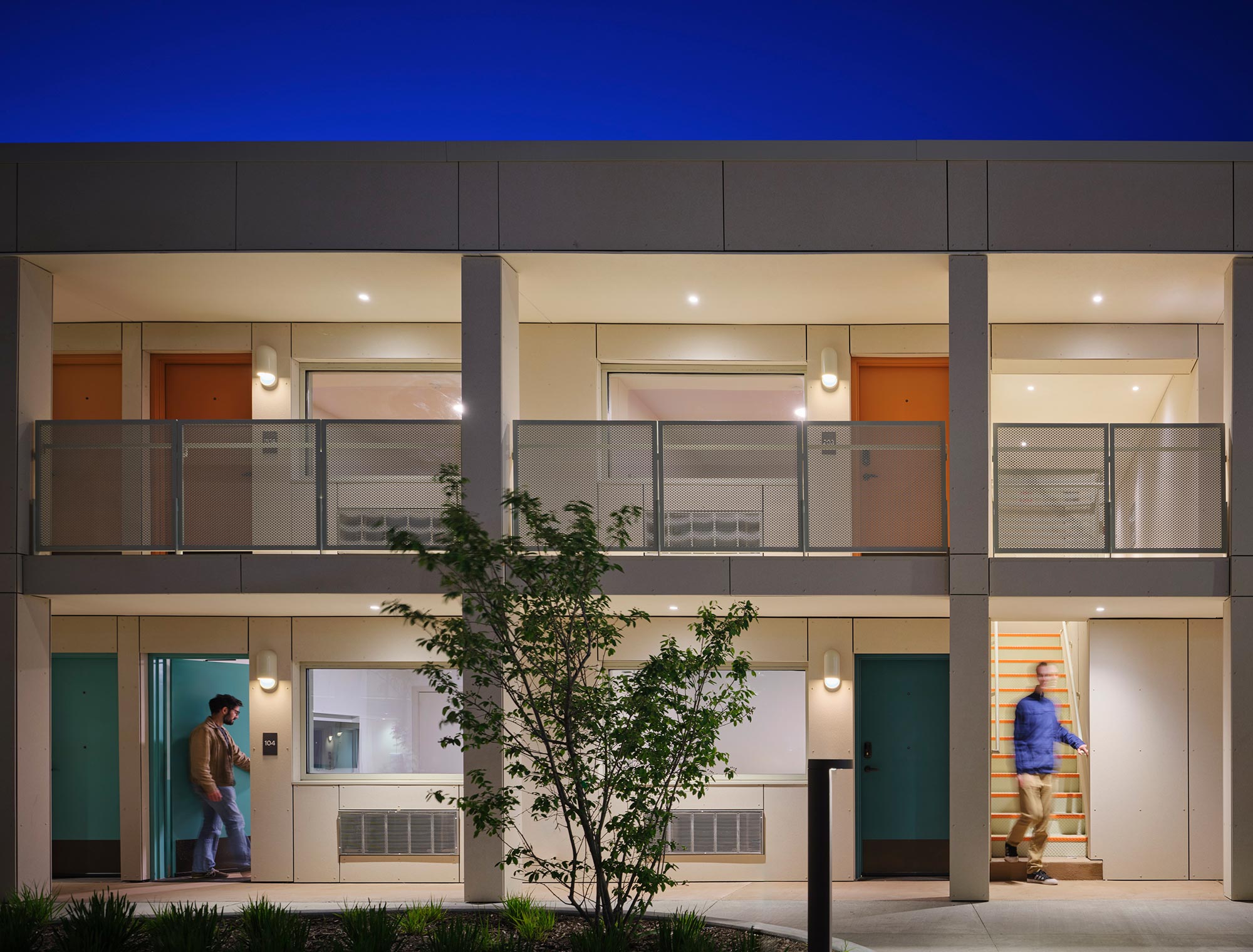
- 37 Private, Non-Congregate Sleeping Rooms
- Medical Examination Rooms That Can Be Converted Into Additional Bedrooms
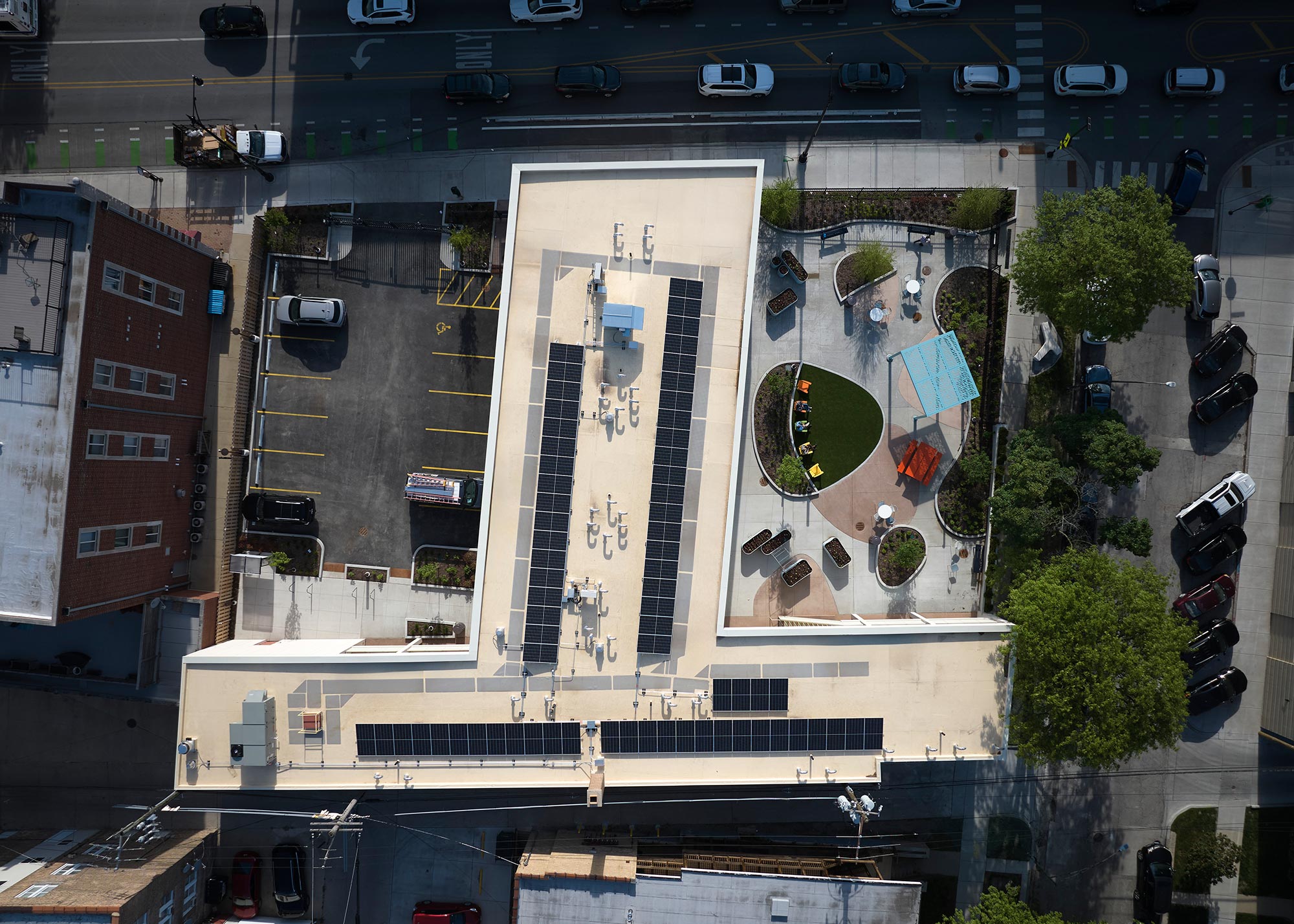
- 35 kW Rooftop Solar Array with Battery Energy Storage System
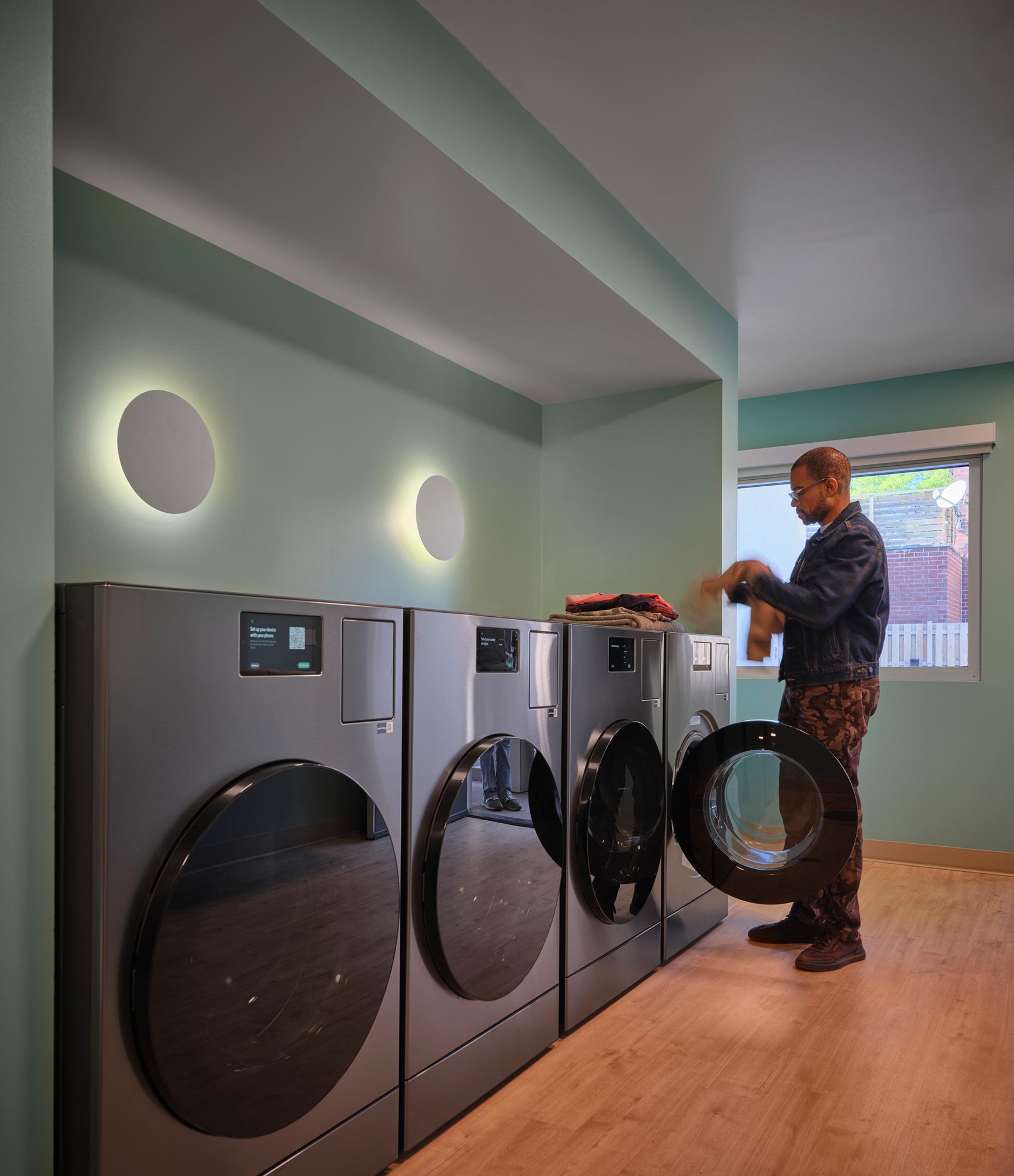
- All-Electric Commercial Kitchen and Laundry Room
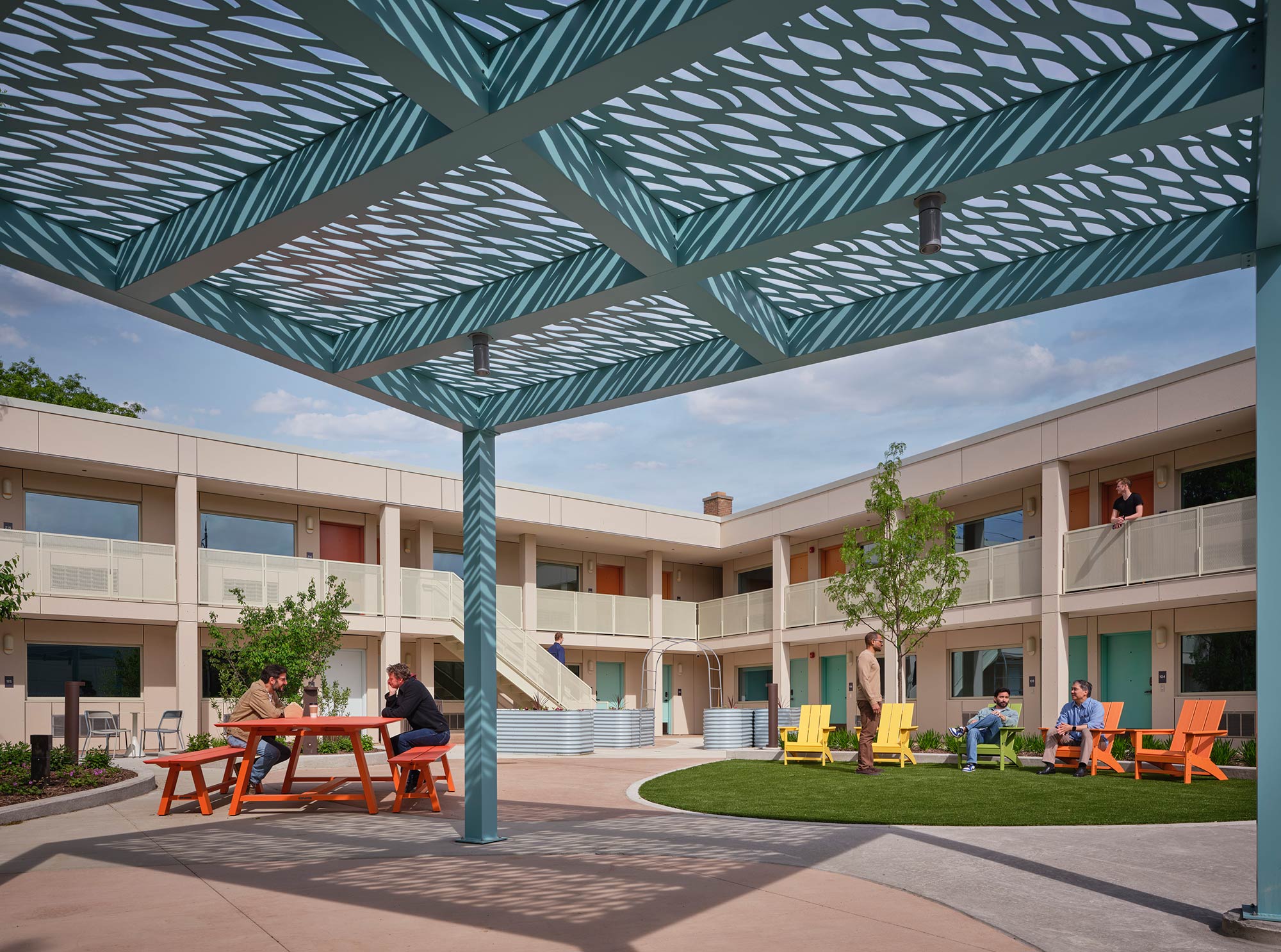
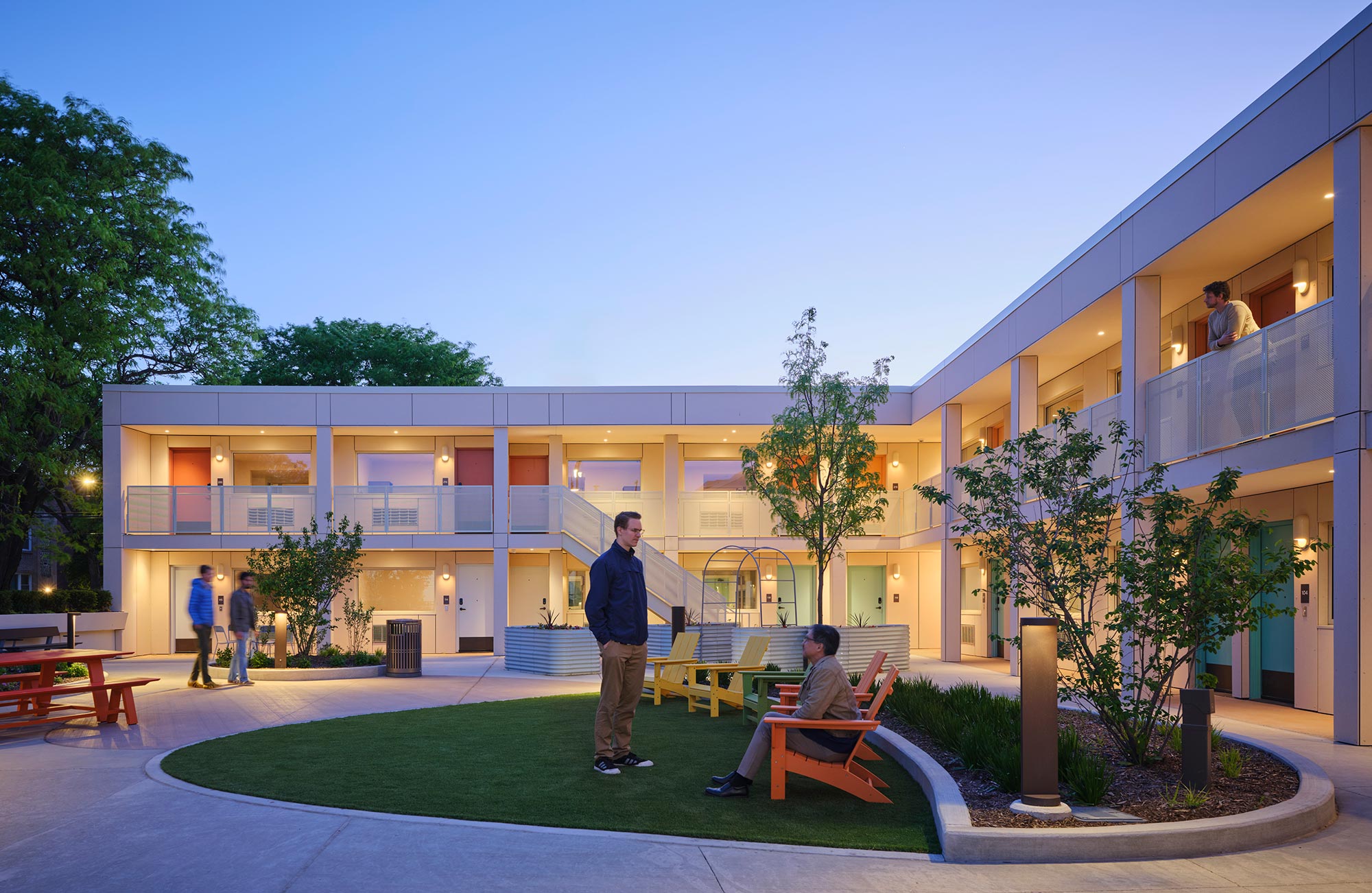
- Healing Garden with Raised Beds & Shade Structure for Planting Lessons and Respite
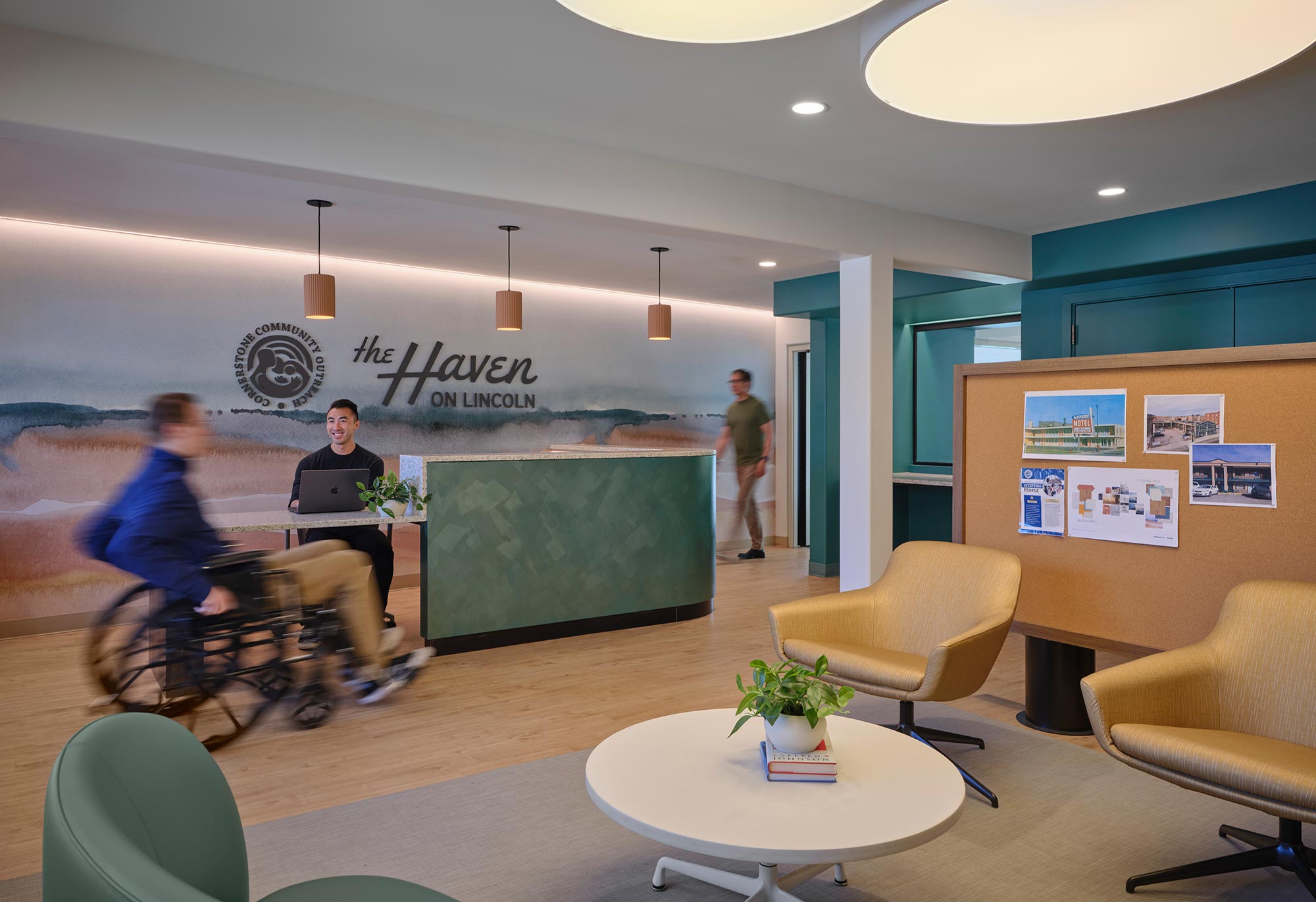
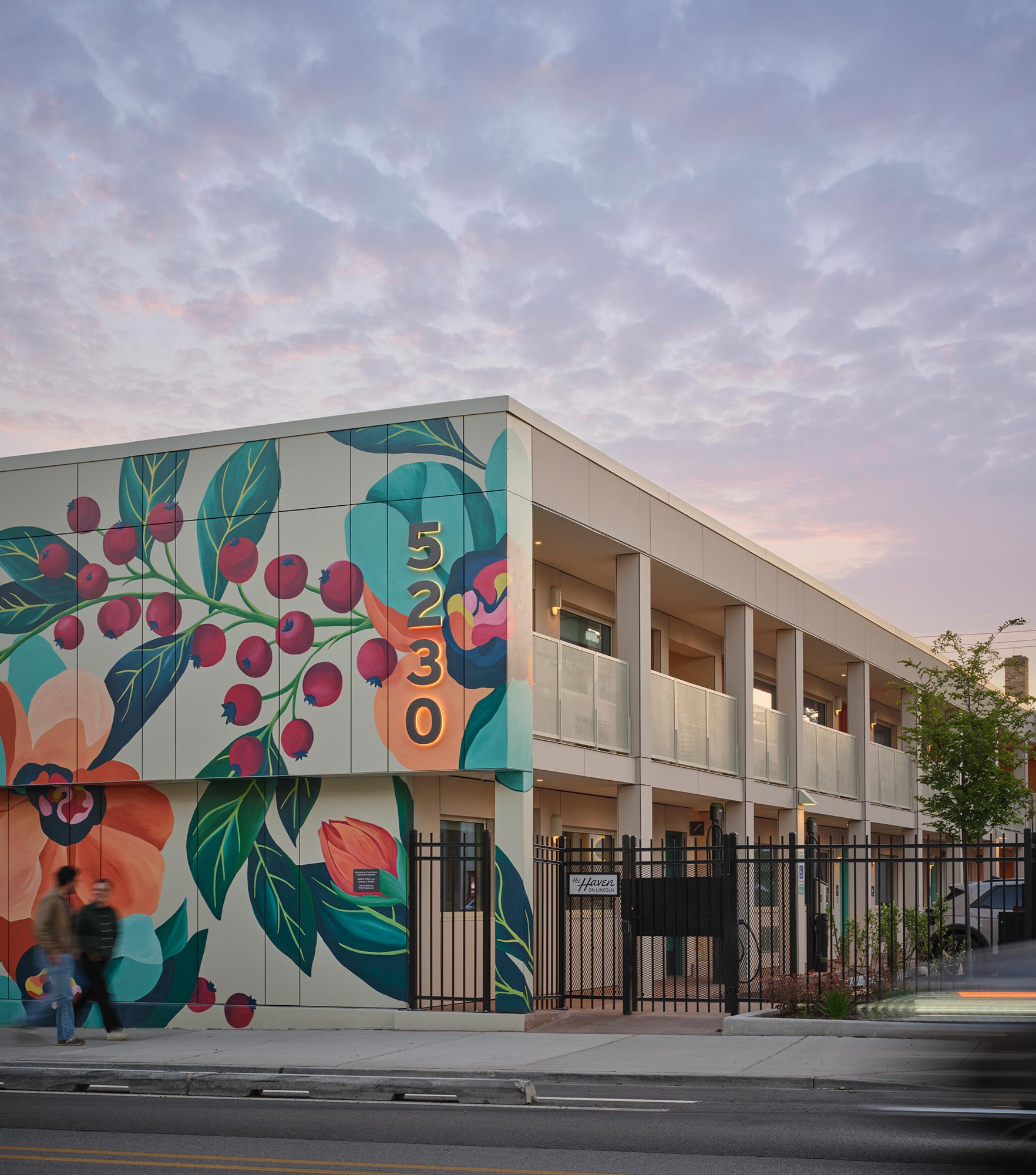
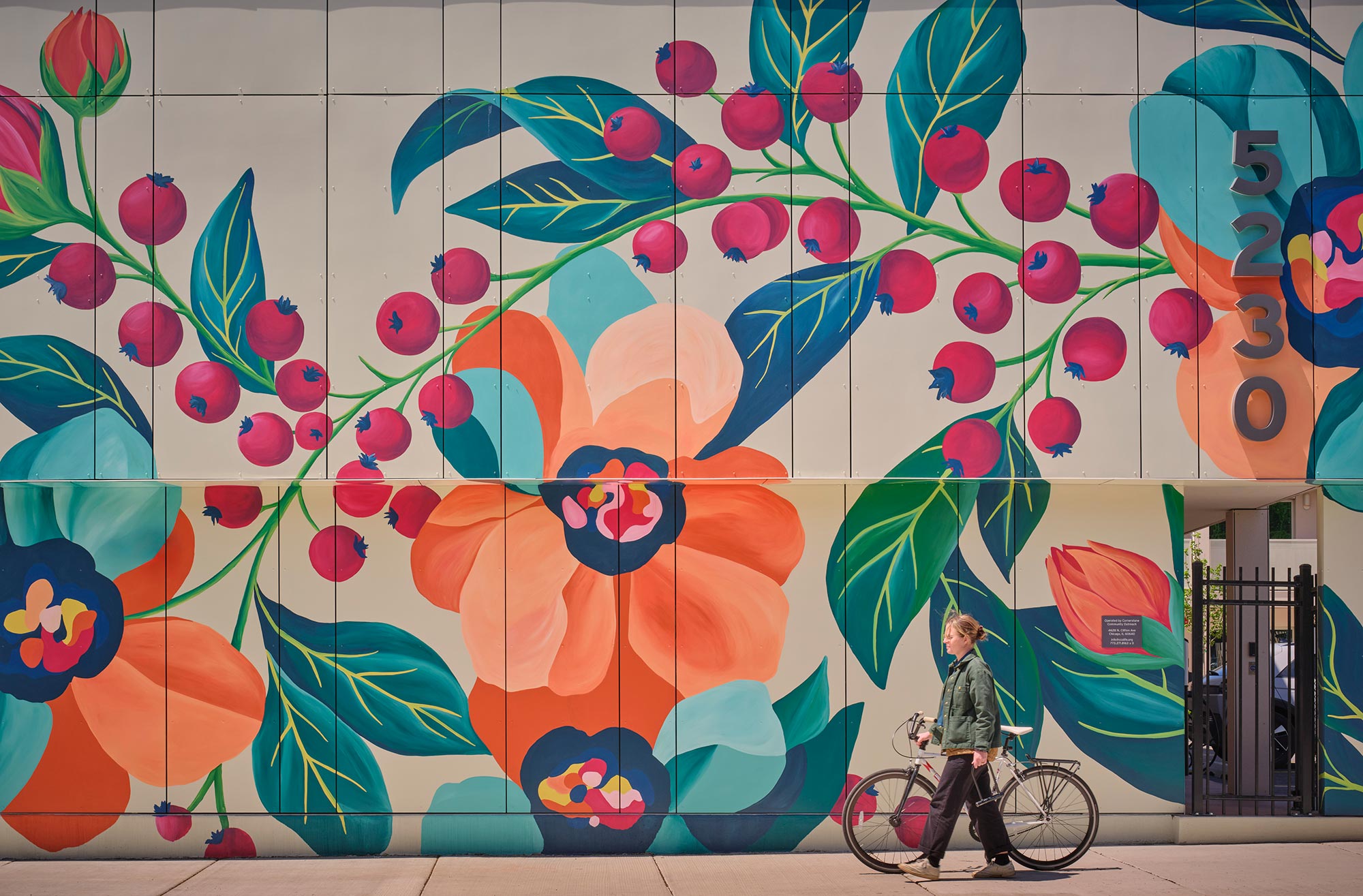
- 865-Square-Foot Mural by Neighborhood Artist Ryan Tova Katz
Chicago faces a critical shortage of dignified shelter options, particularly for men experiencing homelessness, who make up nearly 70% of the city’s unhoused population but have access to less than 25% of available shelter beds. Traditional congregate shelters limit engagement with care and may reinforce previous trauma, creating an urgent need for scalable, non-congregate environments that provide pathways to permanent housing.
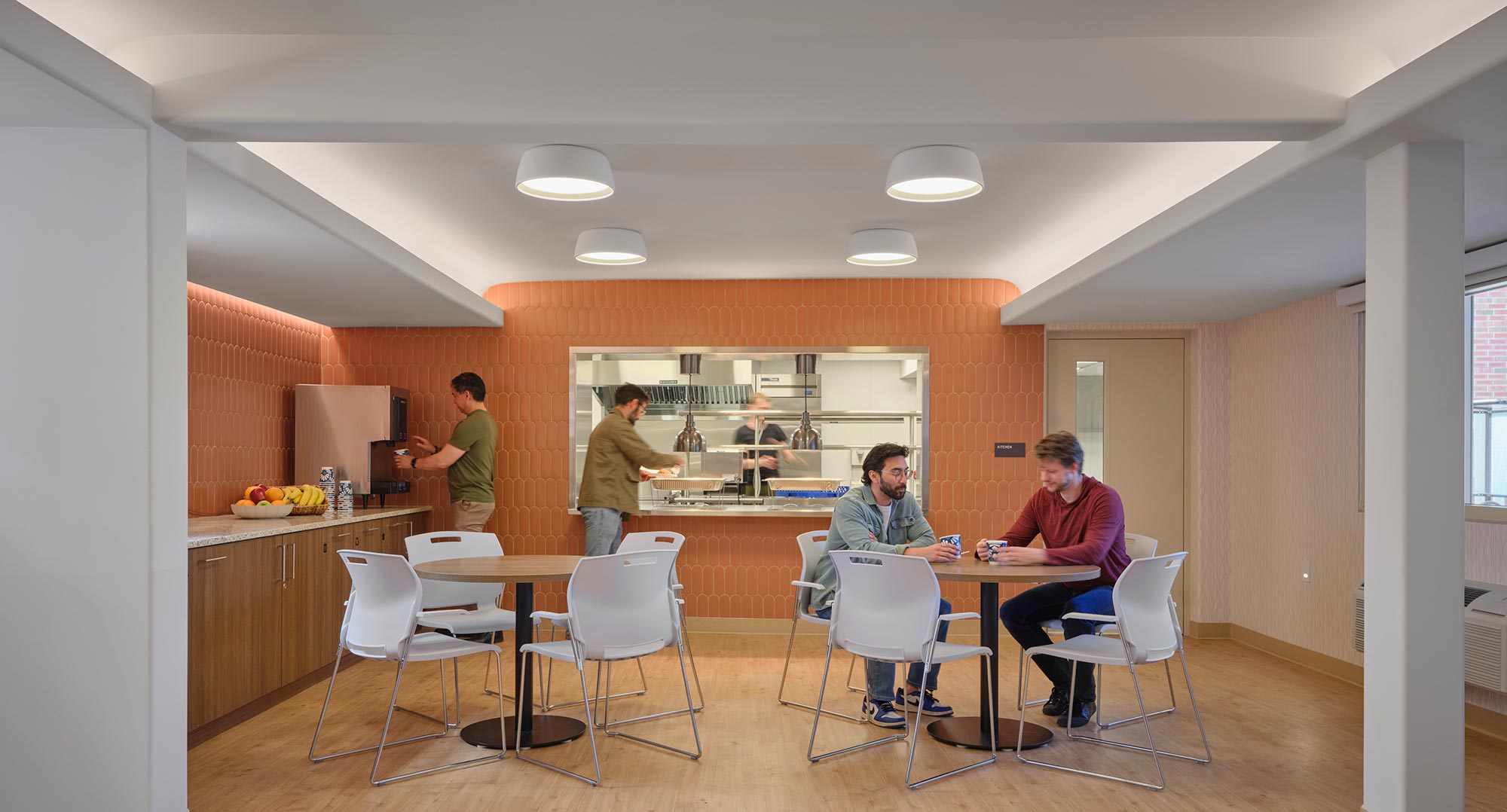
Gensler transformed the 1960s motel into a stabilization housing facility, leveraging adaptive reuse to provide private rooms, bathrooms, and wraparound support services. Informed by post-occupancy research from North Side Housing & Supportive Services and developed in collaboration with Chicago’s Department of Housing and Department of Public Health, the design prioritizes dignity, agency, and well-being through its residential-scale spaces, including a healing garden and group dining area.
The Haven demonstrates how design can become part of supportive care. As the Midwest’s first all-electric shelter, the project advances a broader integration of public health, housing, and sustainability within the built environment. By reusing an existing motel, it shows how underutilized buildings can be repositioned to address civic needs, while offering residents conditions that support recovery and stability during their transition toward long-term housing.
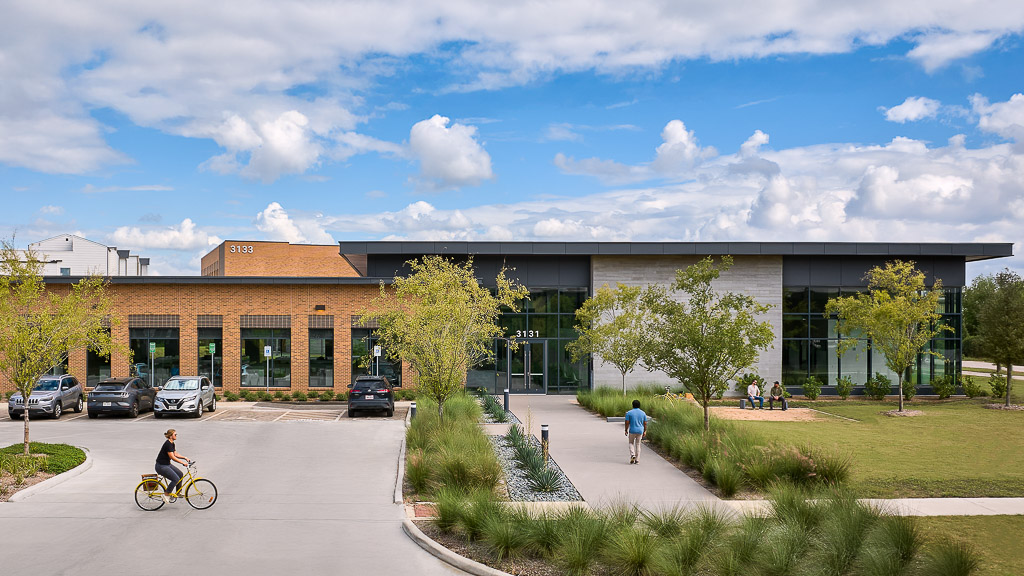
The Houston Alumni and Youth (HAY) Center
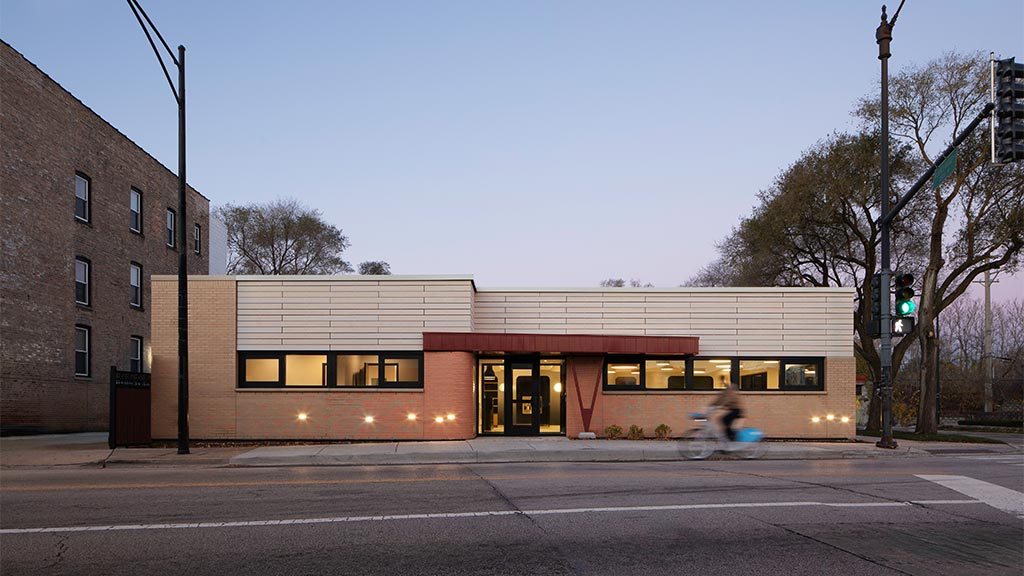
North Side Housing and Supportive Services
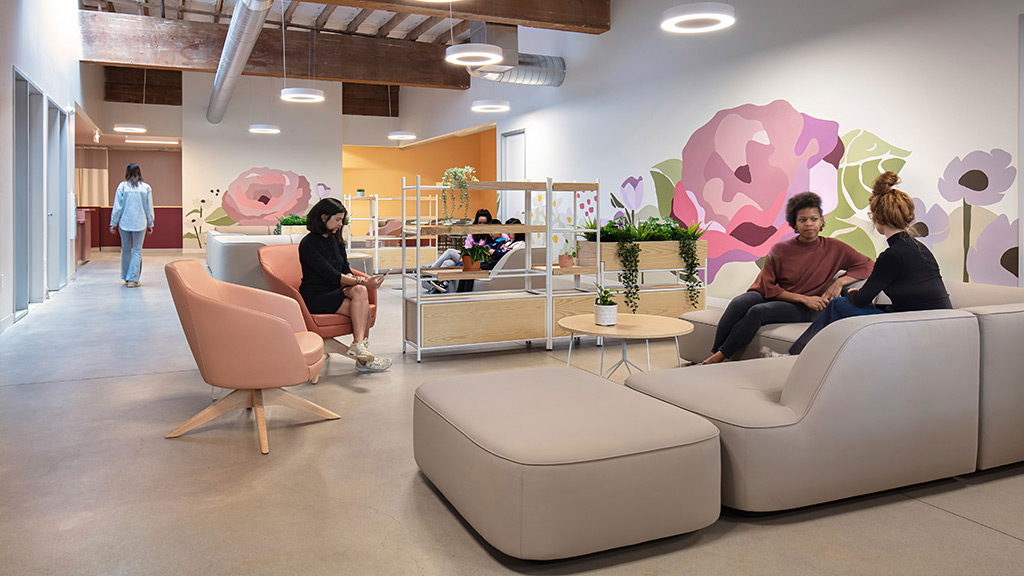
Rose Haven Community Day Shelter
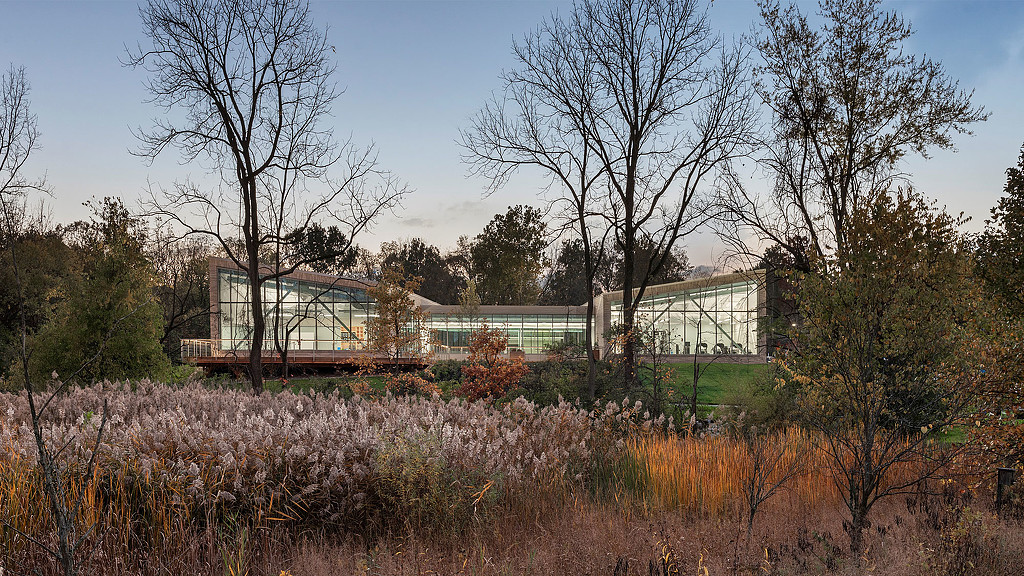
OhioHealth Neuroscience Wellness Center
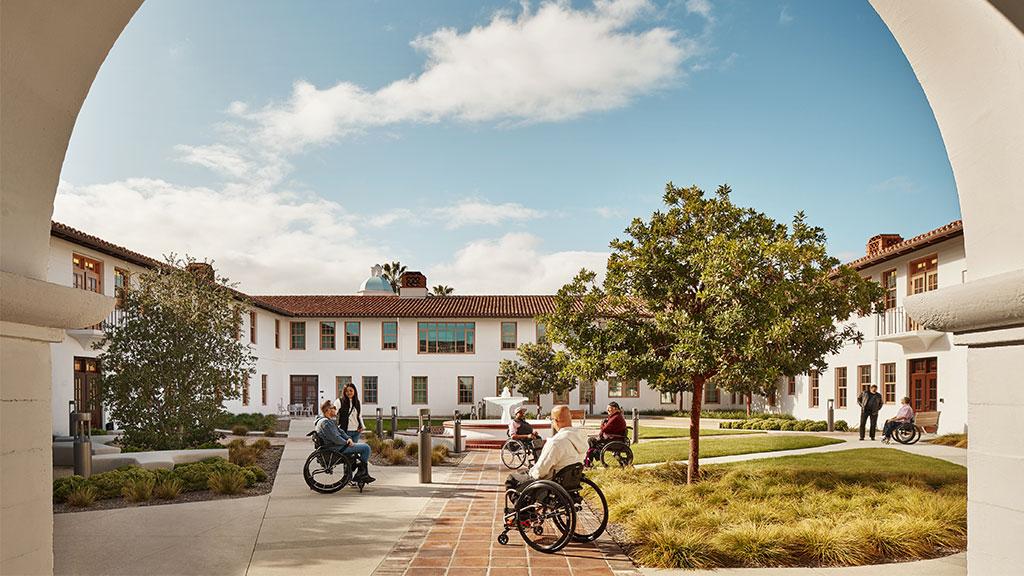
Rancho Los Amigos – Harriman
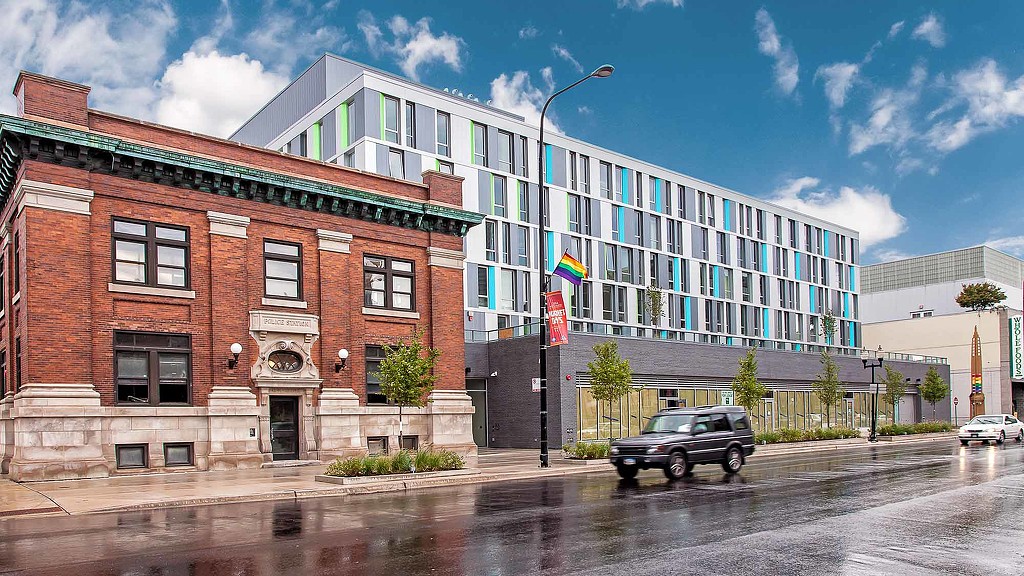
Town Hall Apartments
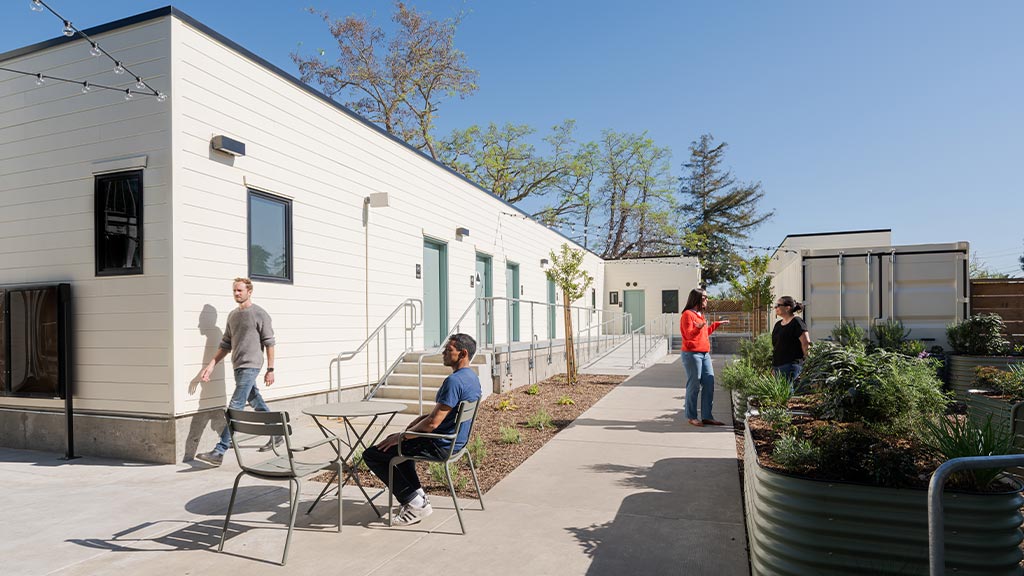
DignityMoves Brookfield Senior Gardens
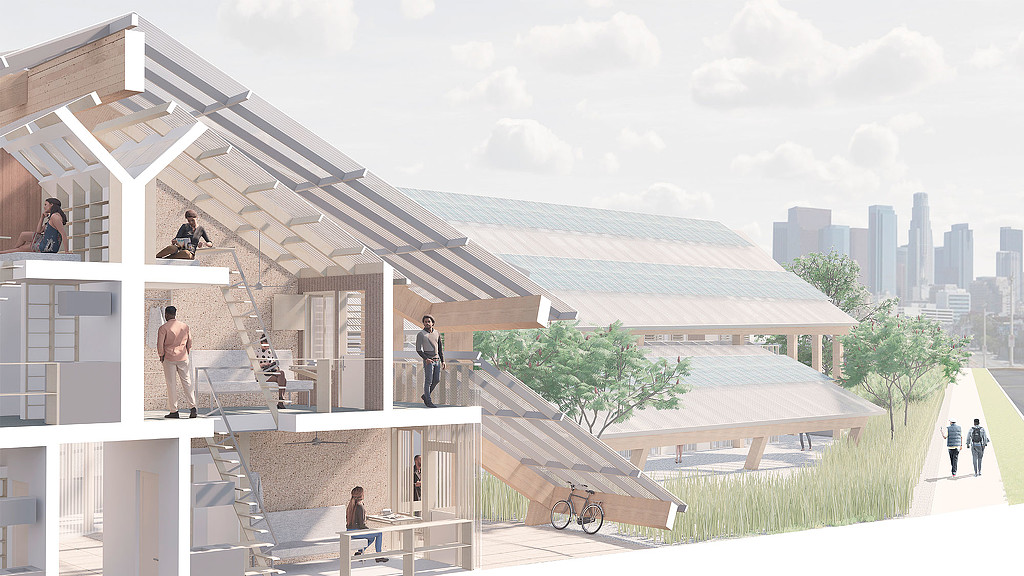
Urban Awning
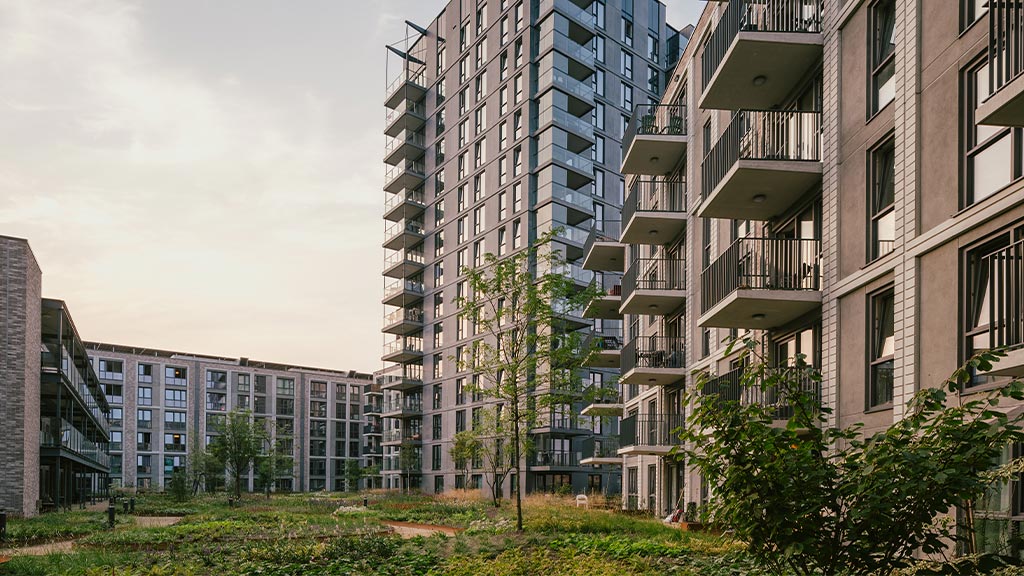
Hof 36
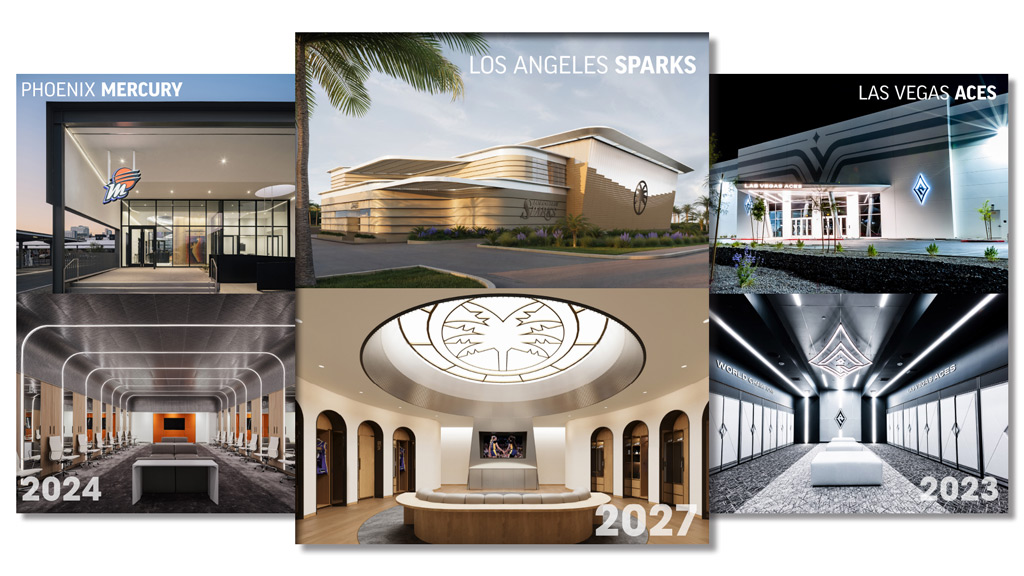
Three WNBA Facilities Later: Innovating the Performance Environment for Women
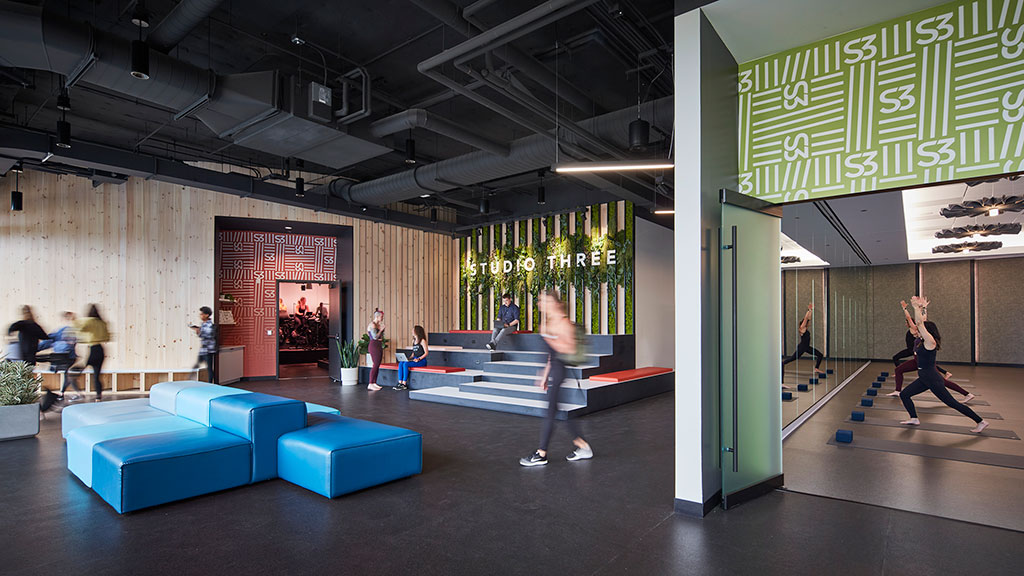
What the Wellness Boom is Really Telling Us About People
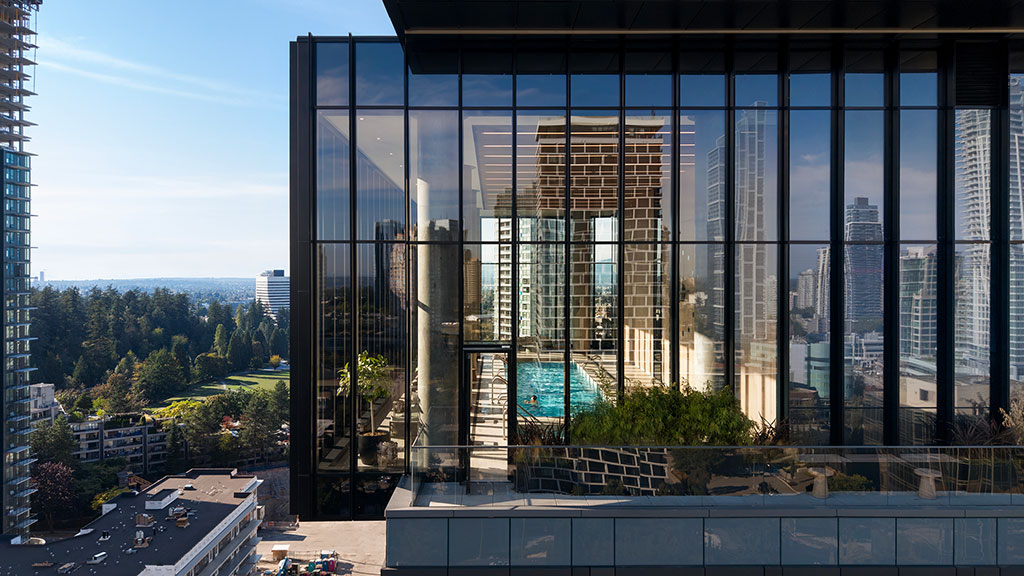
Why the Spaces Where People Thrive Are Also the Ones That Outperform
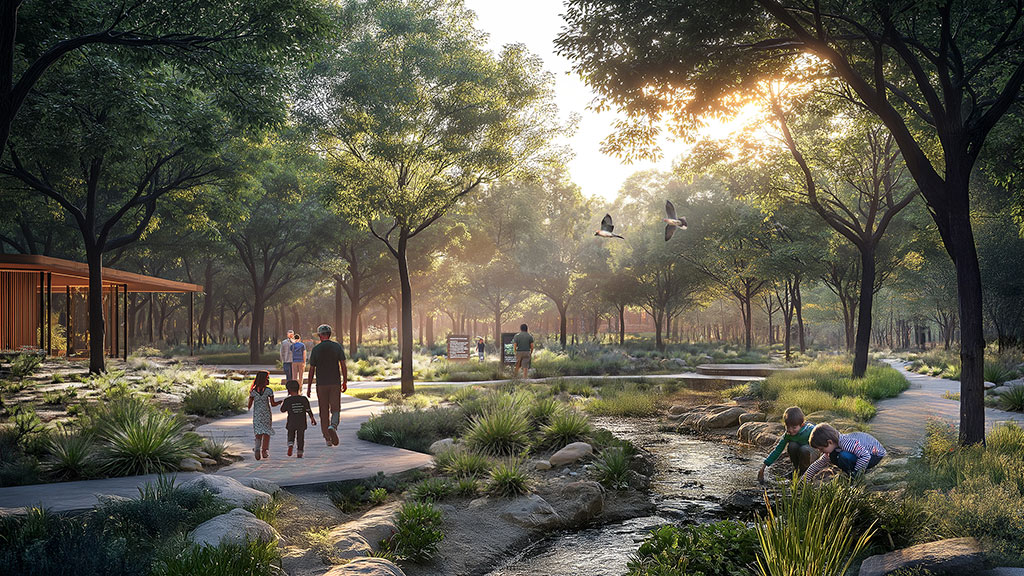
Why Worker Well-Being Is Core Infrastructure
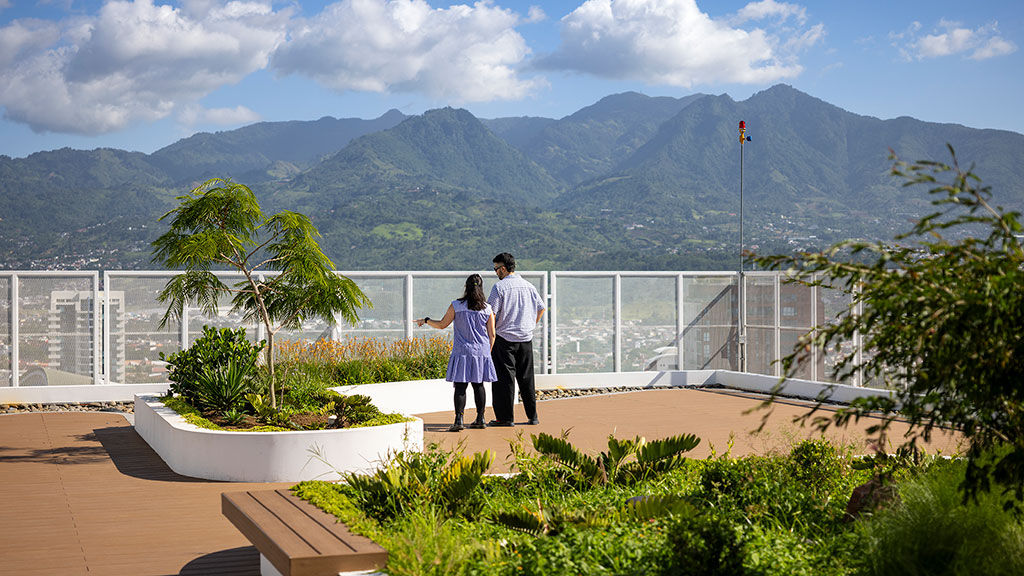
Why Latin America’s Offices Must Become Urban Sanctuaries
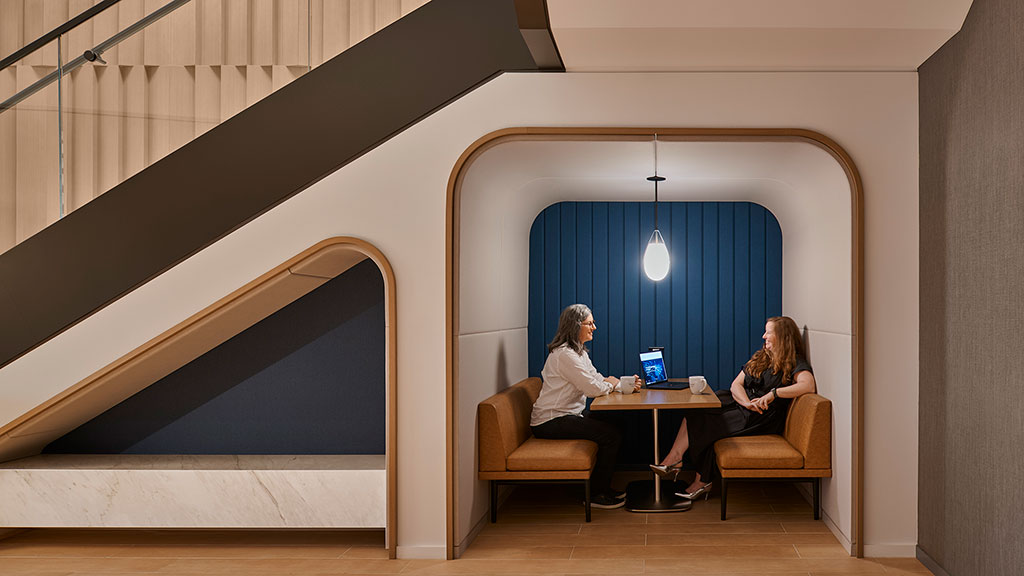
Neurodiversity in the Workplace: Why the Experience Gap Matters
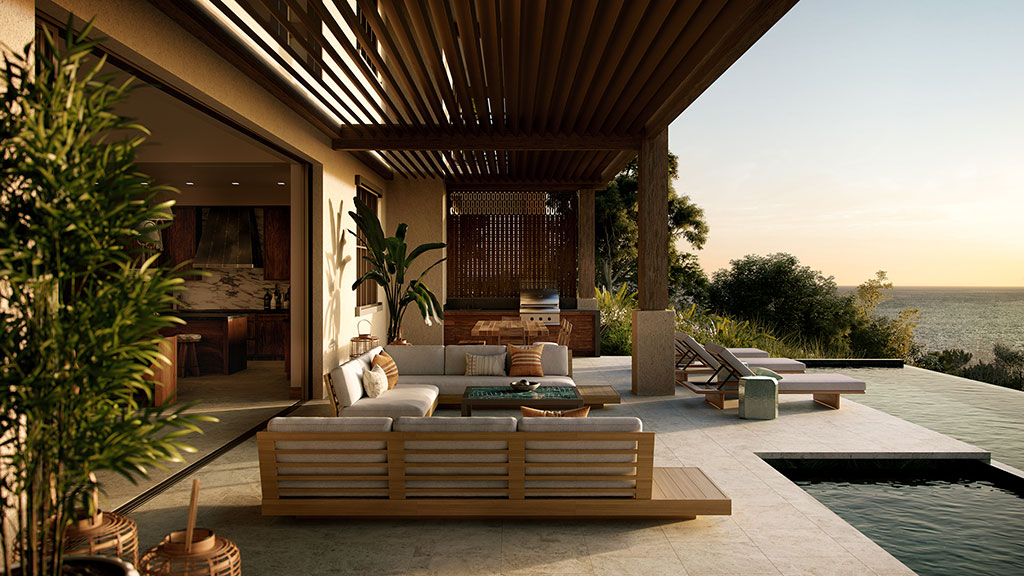
Why the Most Memorable Hotels Are Designed for All the Senses
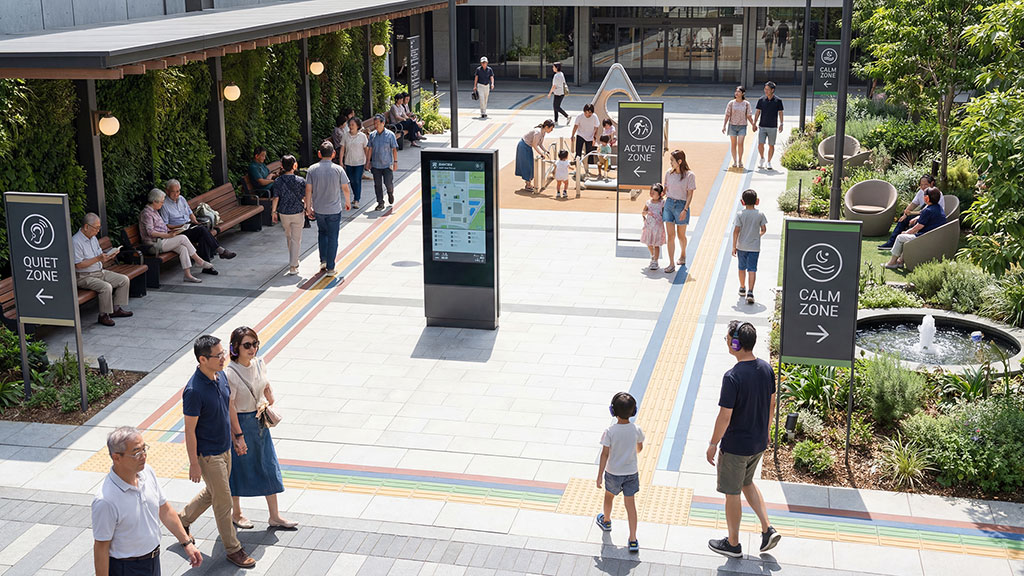
Every Brain, Every Block: Why Neuroinclusive Urban Design Matters for Modern Cities
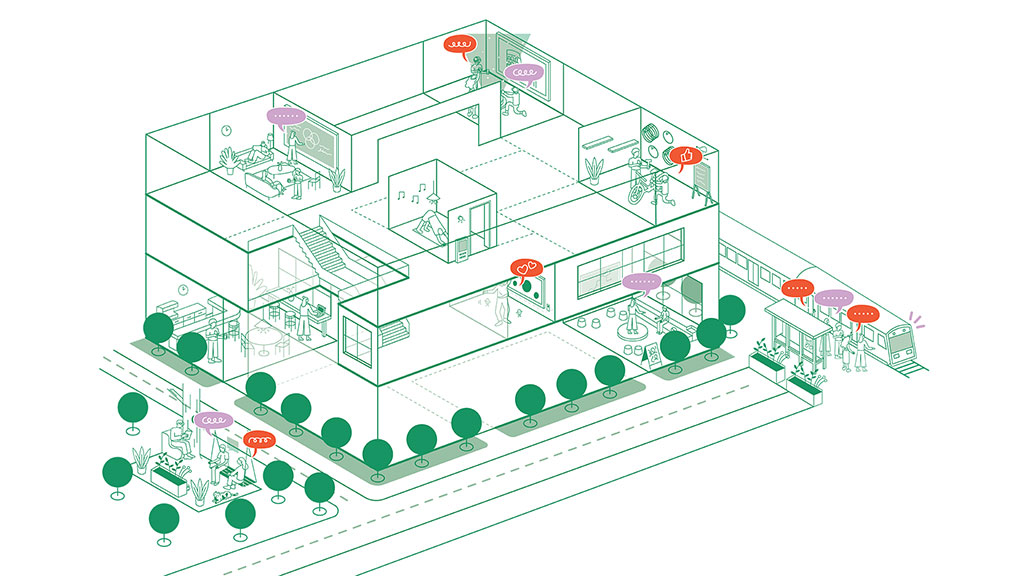
Is Belonging the New Currency for Workplace Design?
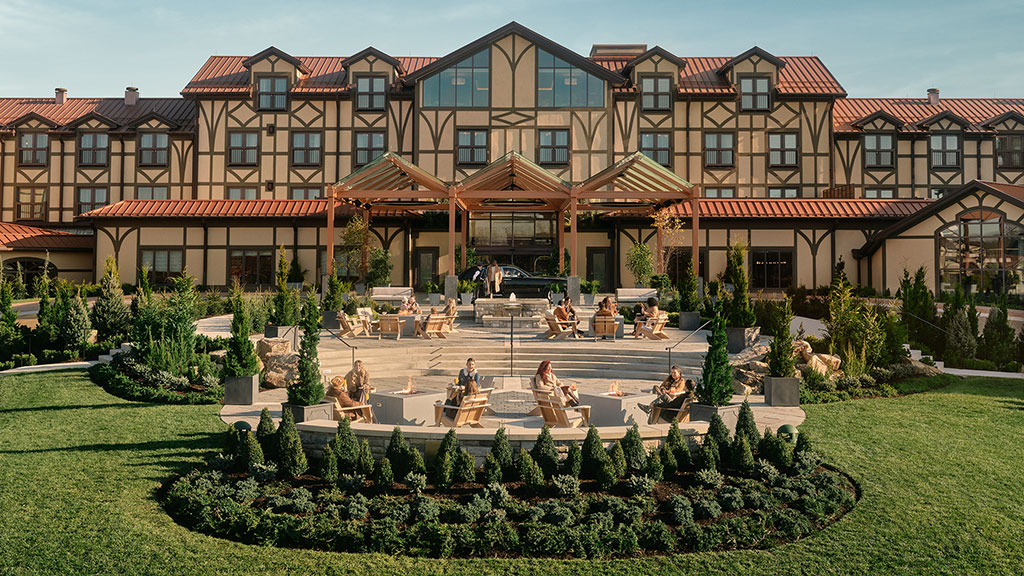
Hotel Design Is No Longer About Escape. It’s About Transformation.
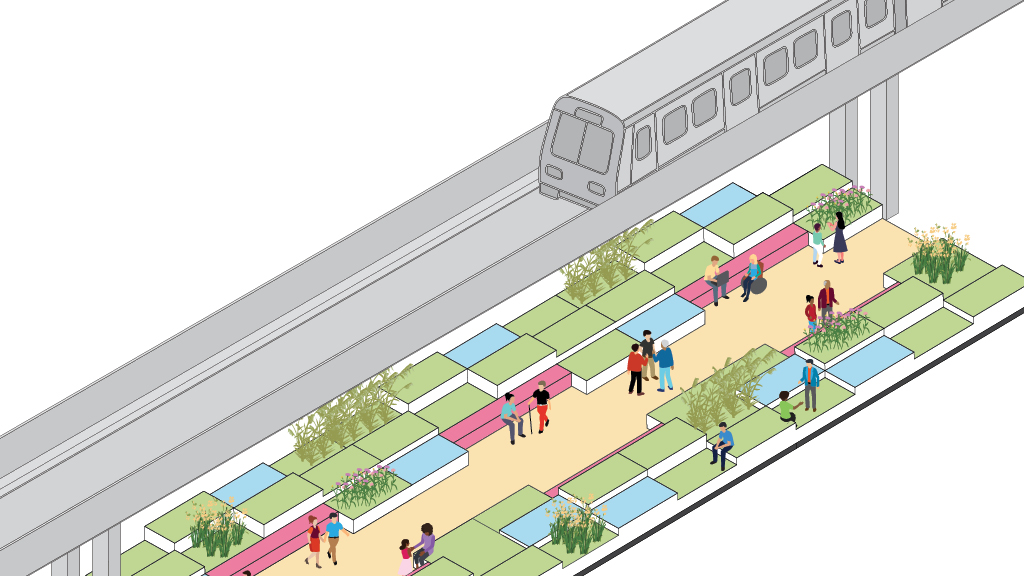
Redefining the Future of Urban Wellness (Phase 2)