Foundations, Associations & Organizations
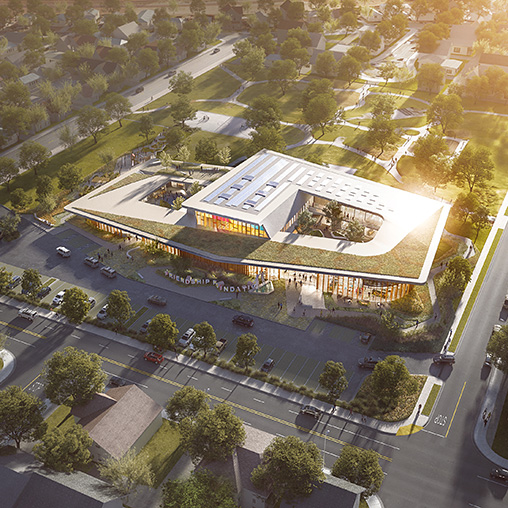
Friendship Foundation Campus
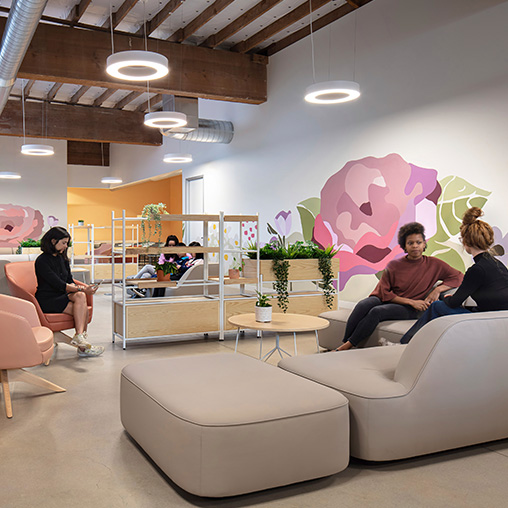
Rose Haven Community Day Shelter
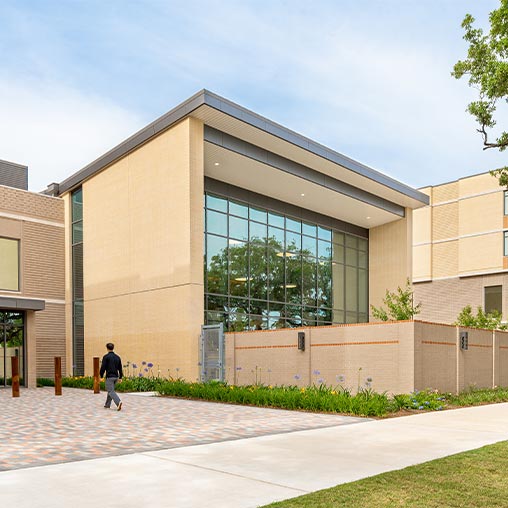
Covenant House Texas, The Jamey Rootes Campus
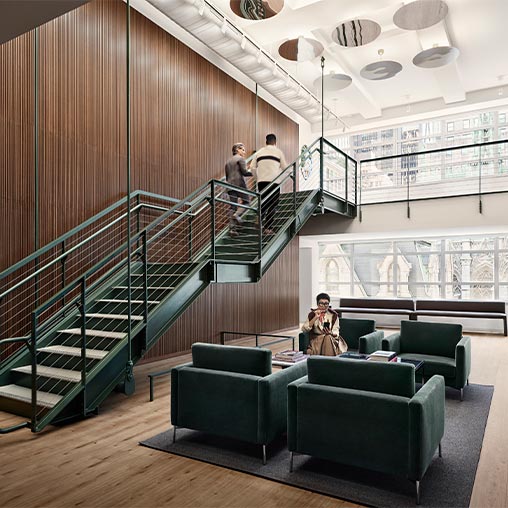
Archdiocese of New York
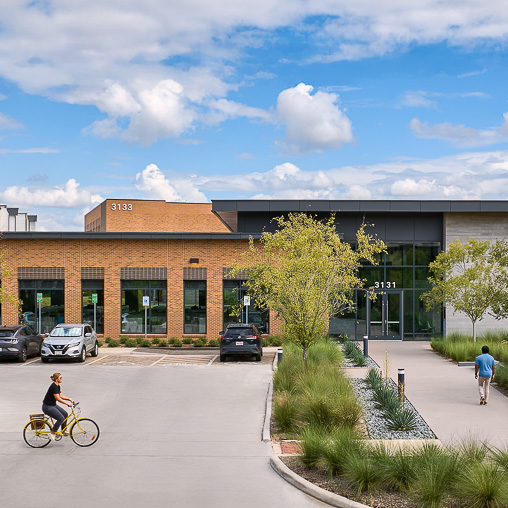
The Houston Alumni and Youth (HAY) Center
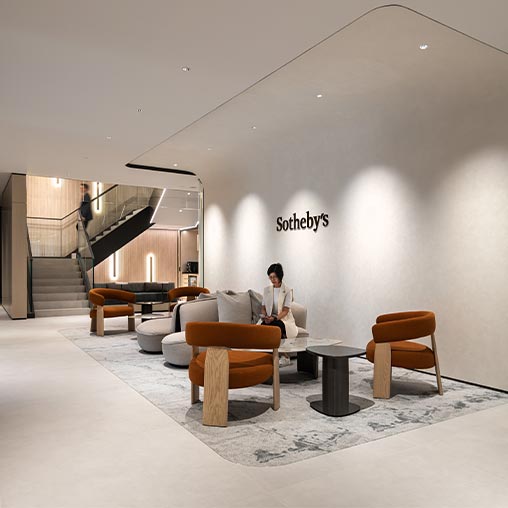
Sotheby’s Hong Kong Office
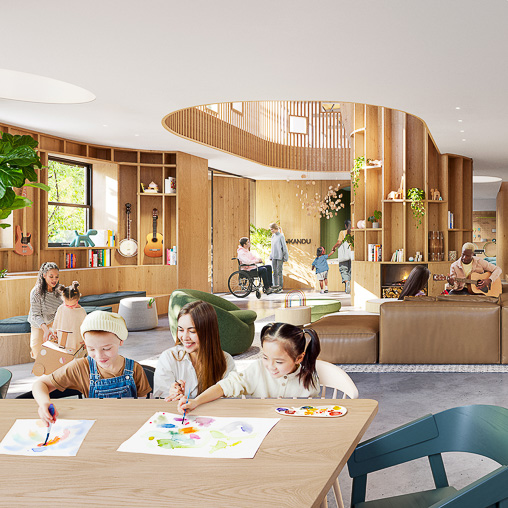
UKANDU
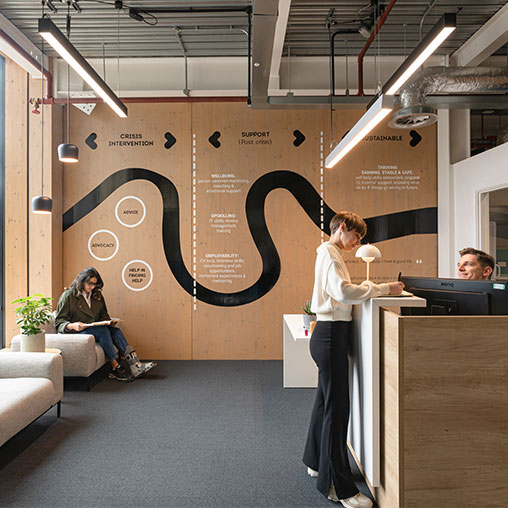
First Love Foundation
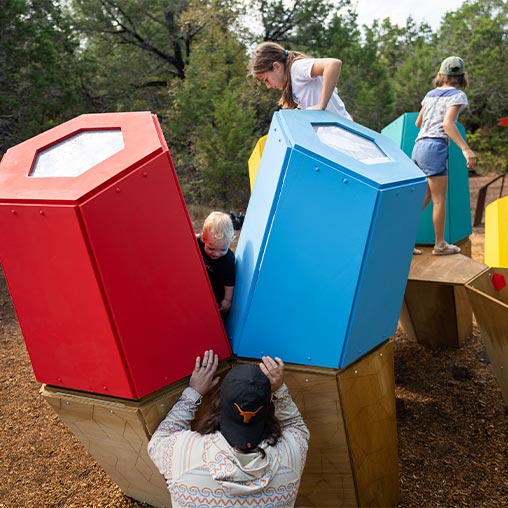
Perch Play Fortlandia
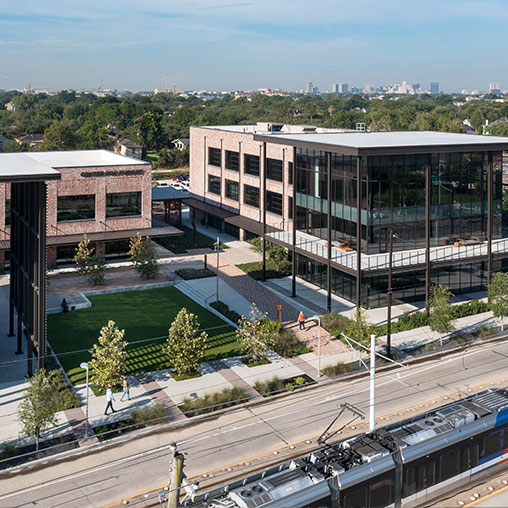
Pursuit Center

Sustainable Shade Structures
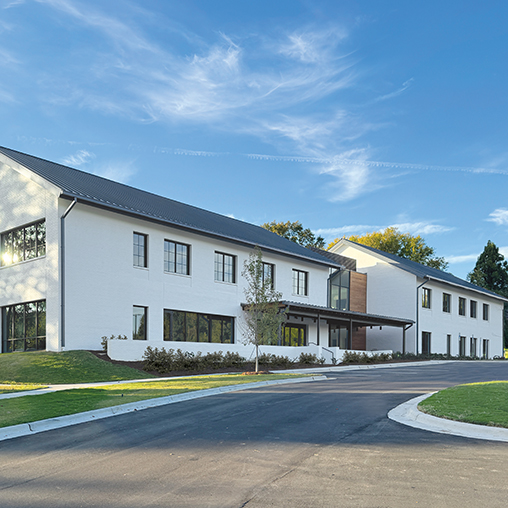
SAFEchild
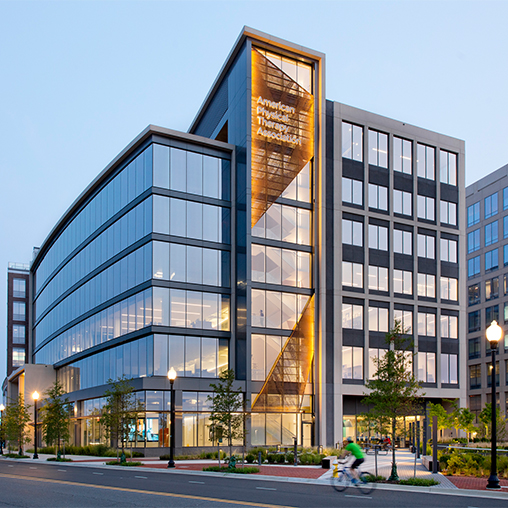
American Physical Therapy Association Headquarters
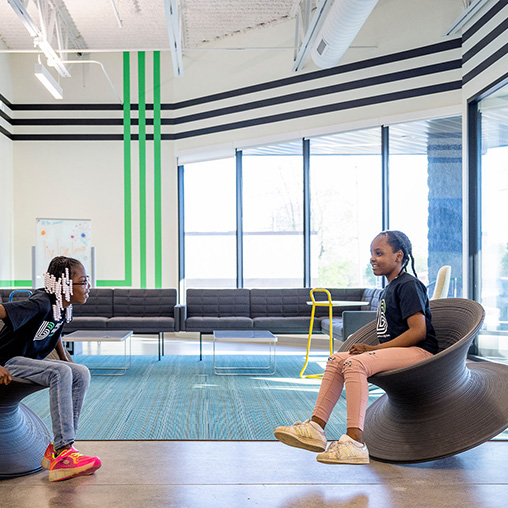
Big Brothers Big Sisters
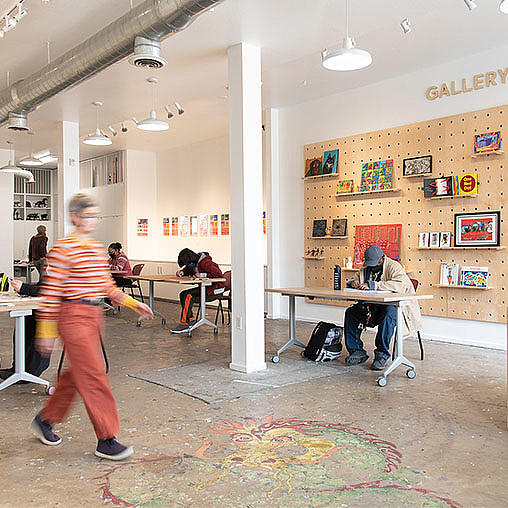
Access Gallery
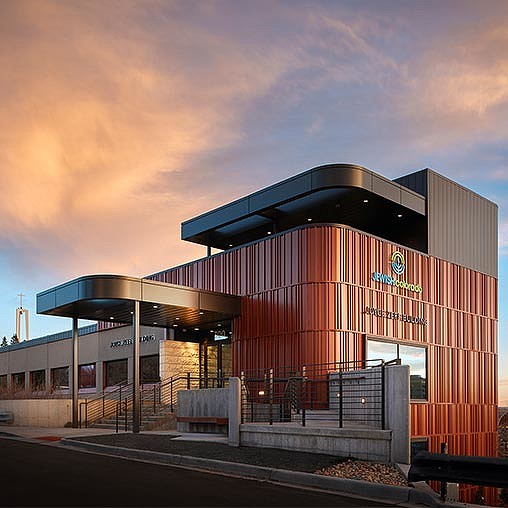
Jewish Colorado
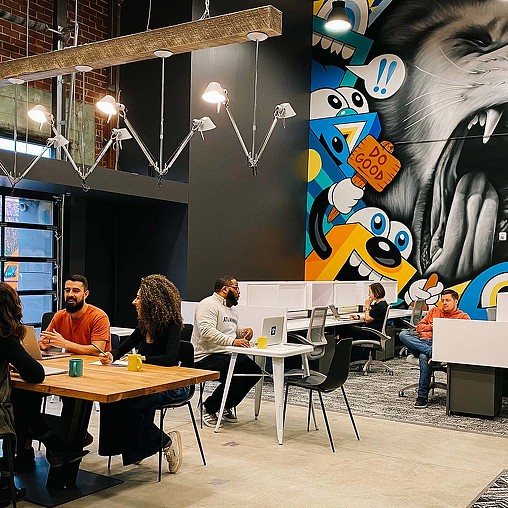
Plywood Place
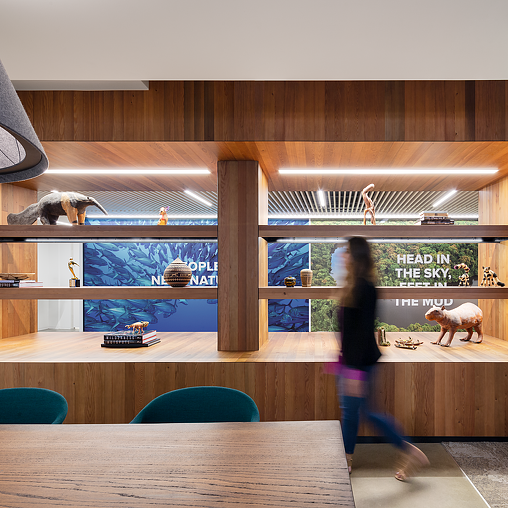
Conservation International
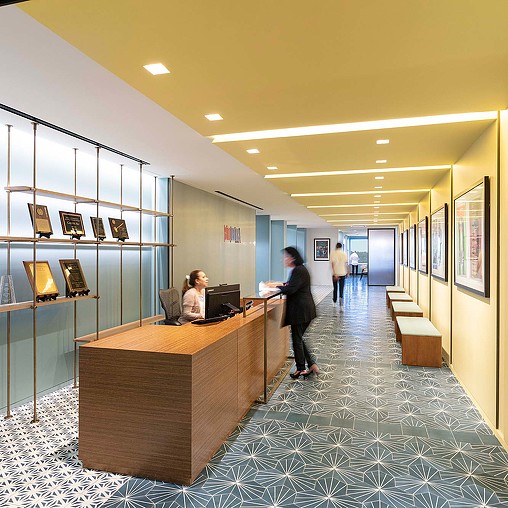
LatinoJustice PRLDEF
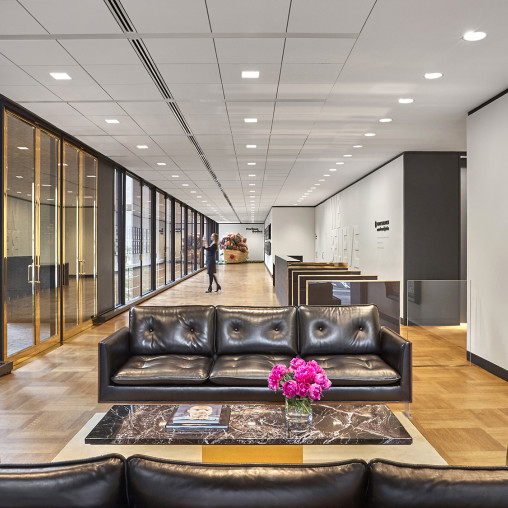
Ford Foundation Center for Social Justice
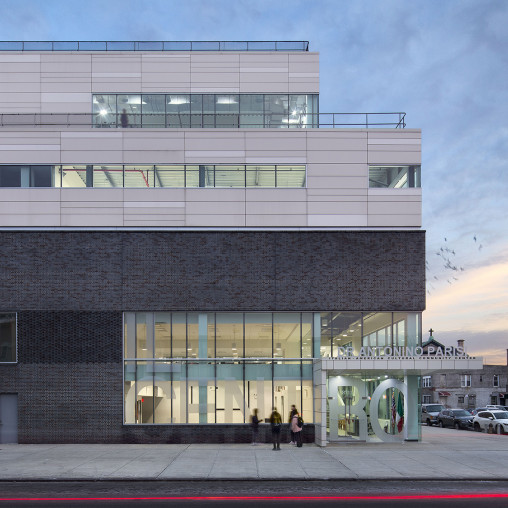
FIAO Il Centro Community Center
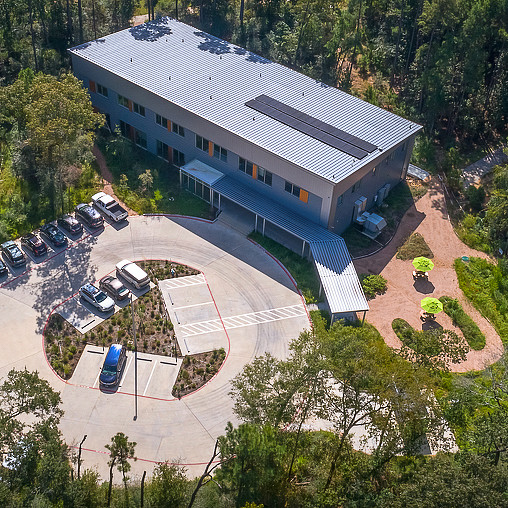
Houston Advanced Research Center (HARC)
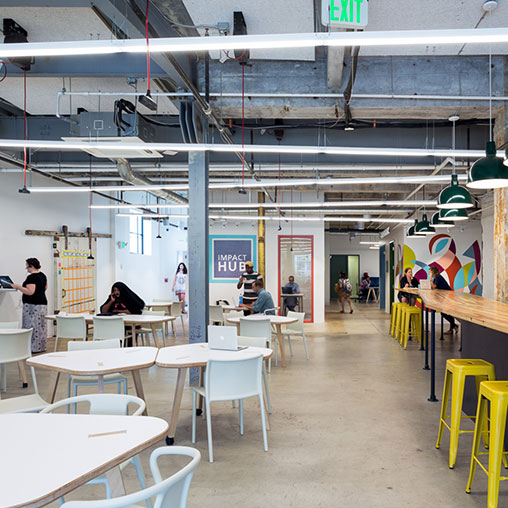
Impact Hub Baltimore
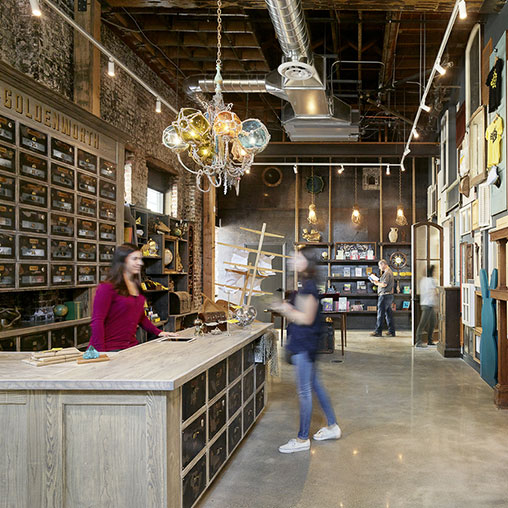
826 Valencia Tenderloin Center

Monogram Dinner by Design
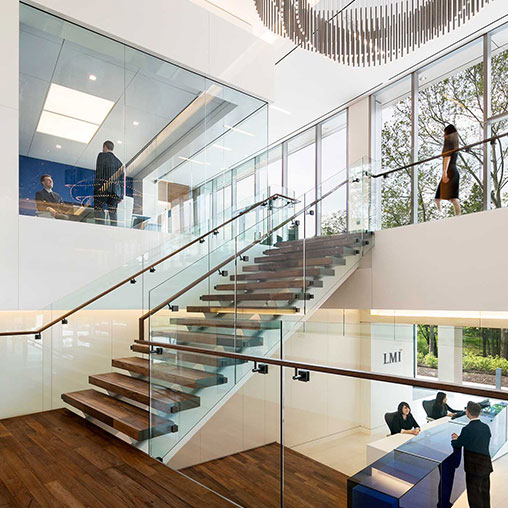
LMI Government Consulting
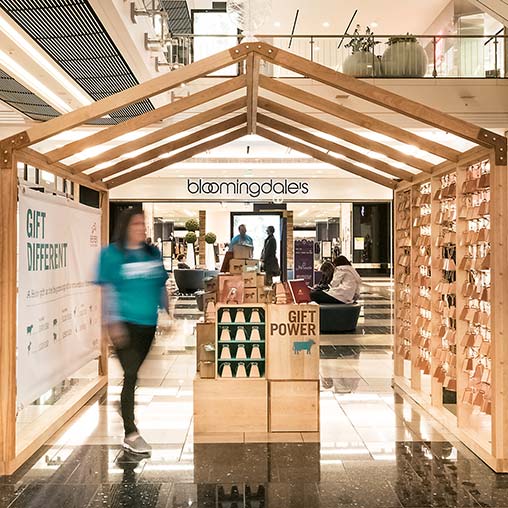
Heifer International
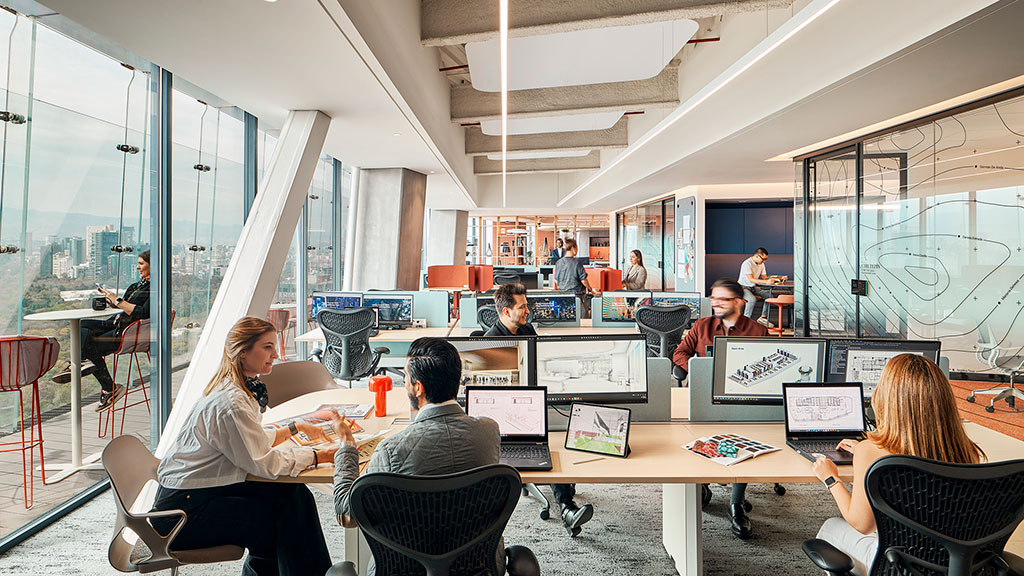
Hot-Desking Was Supposed to Save Money. It May Be Costing You Your Culture.
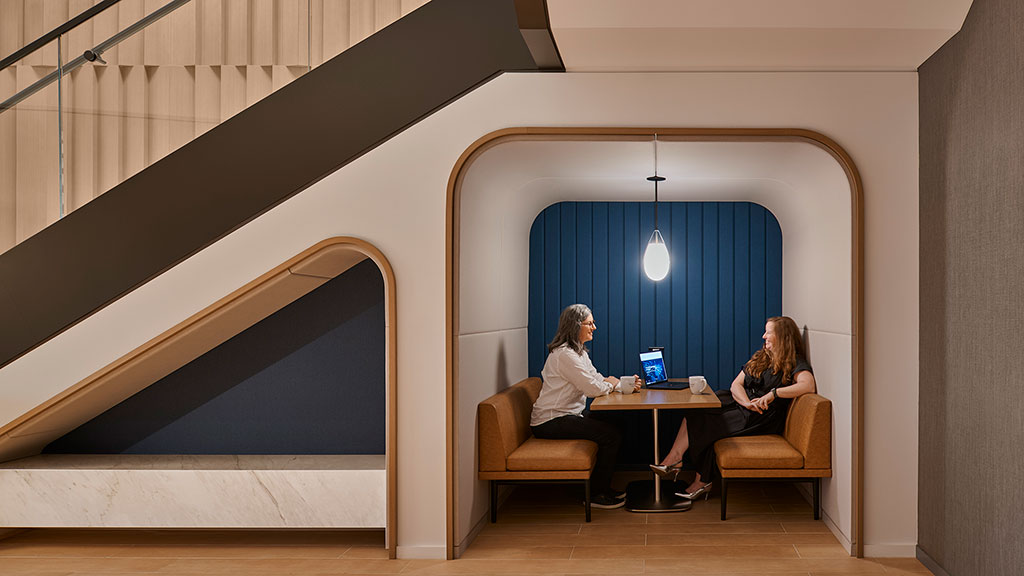
Neurodiversity in the Workplace: Why the Experience Gap Matters
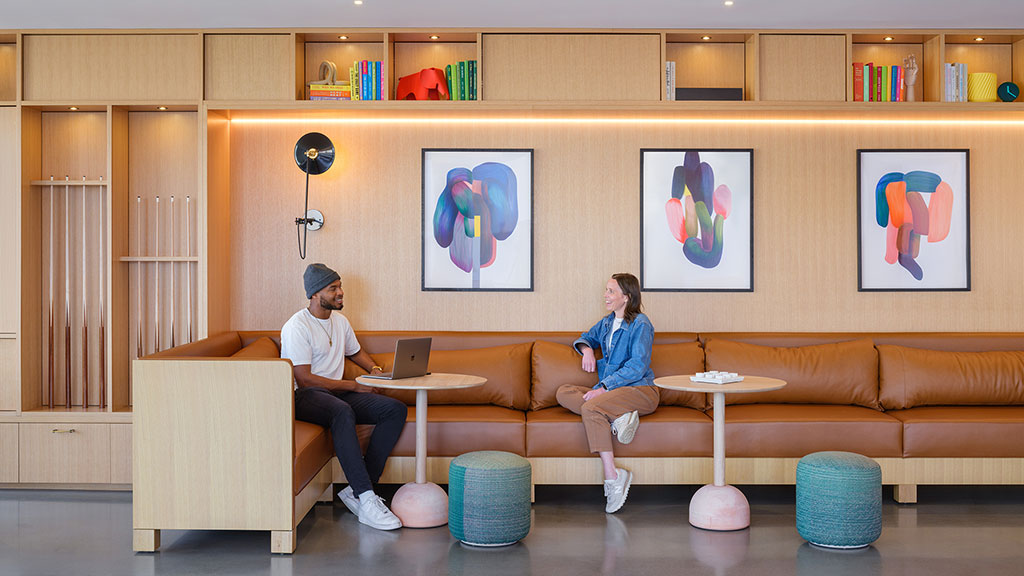
What’s Working (and What’s Not) in Today’s Workplace
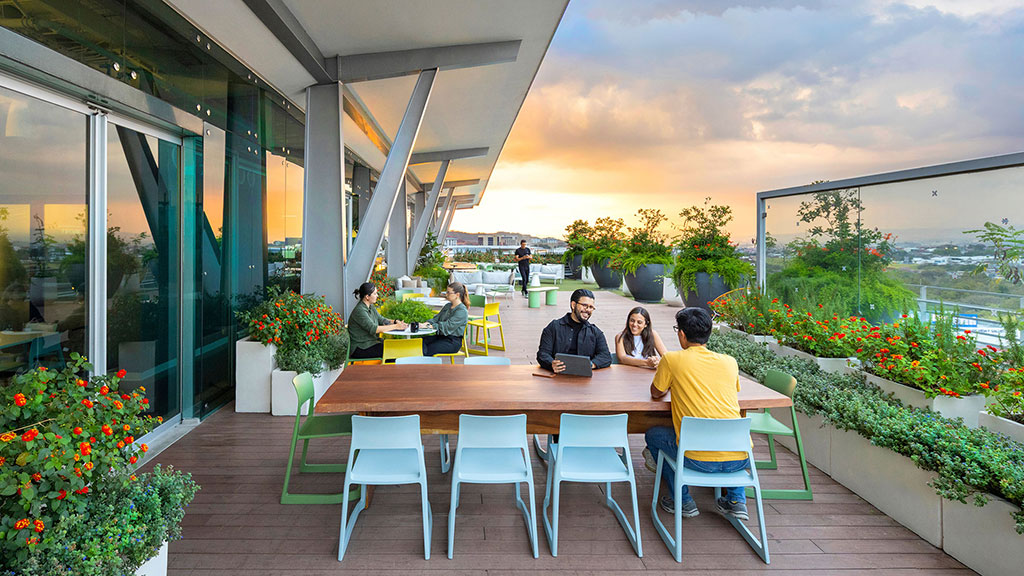
What Do Employees Hope for in the Future of Work?
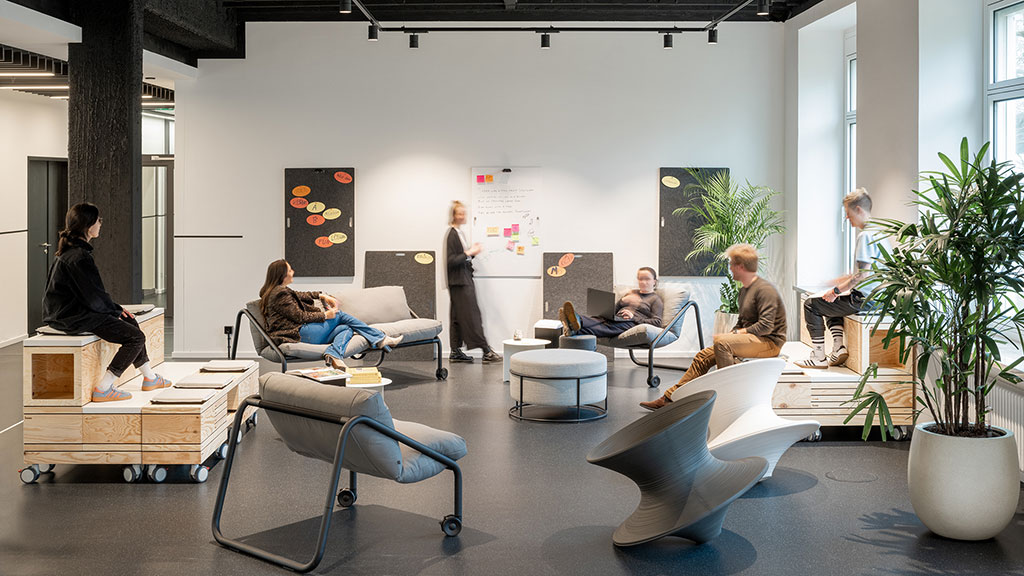
A New Value for the Workplace in an Era of AI
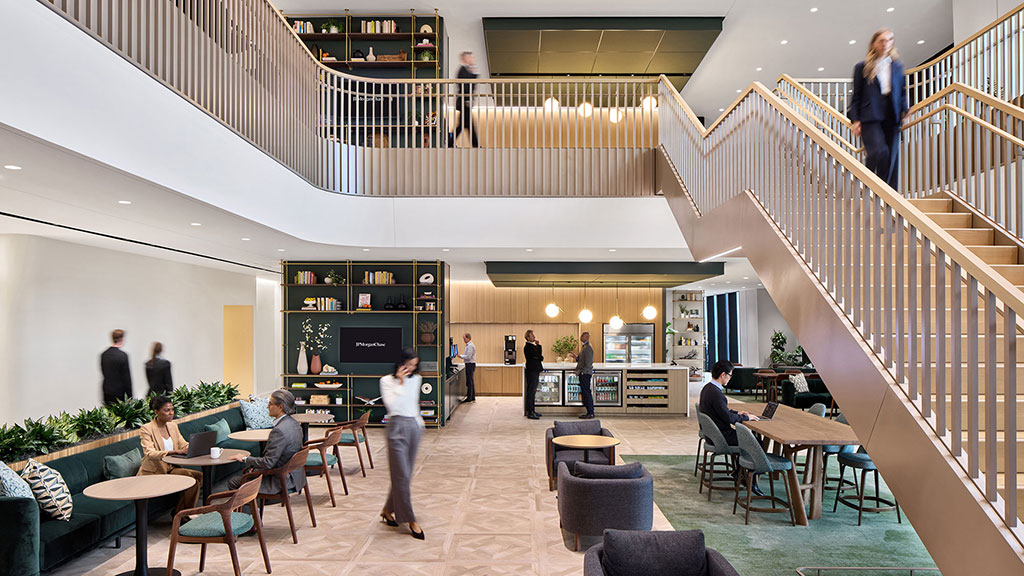
The Human Side of AI: What Power Users Are Telling Us About the Workplace

How to Build a Future-Ready Workplace for Every Generation
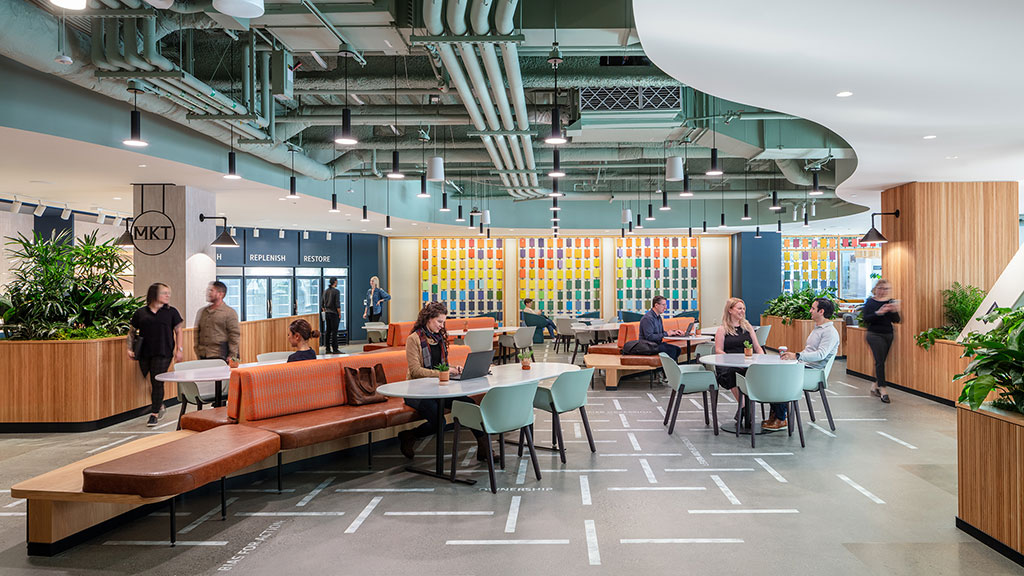
Will AI Make the Workplace More Human?
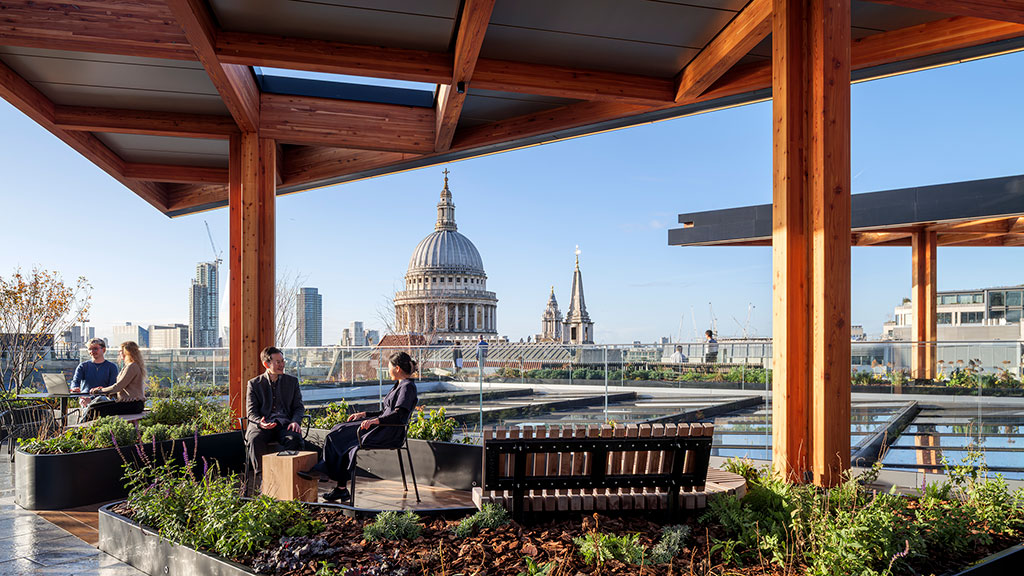
The Top 10 Things Employees Value Inside and Beyond the Office
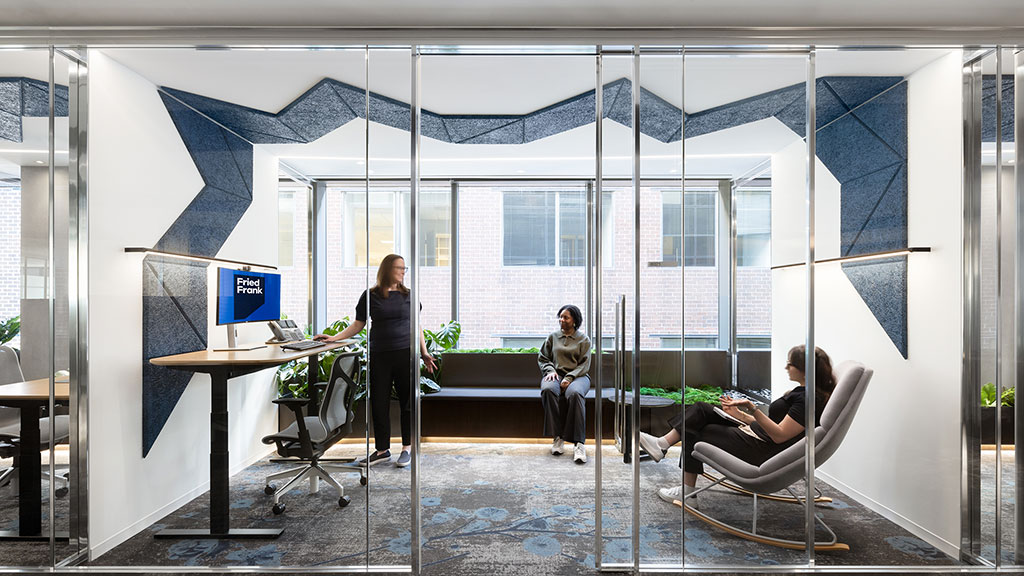
Why 2026 Demands Designing for Uncertainty
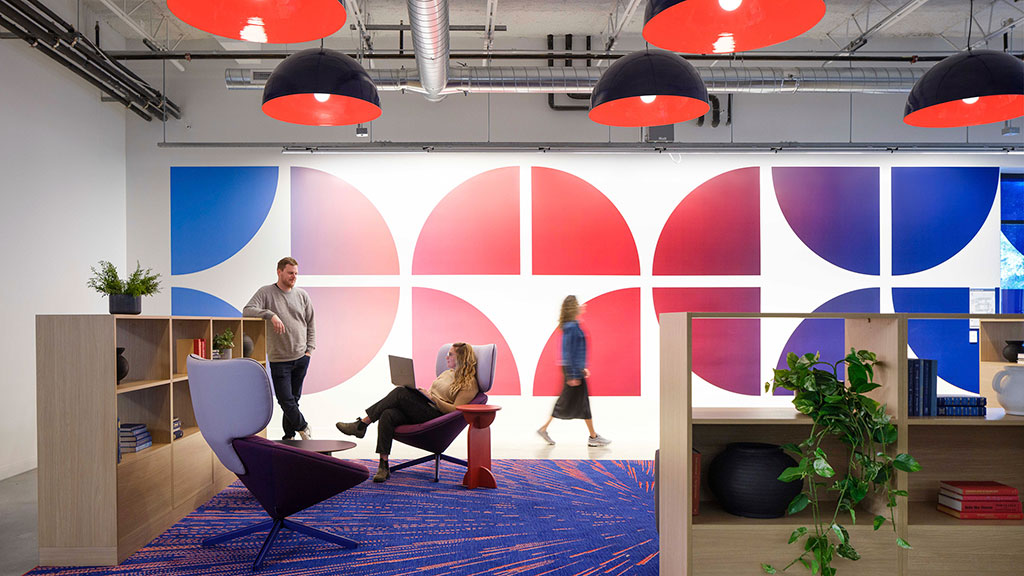
More Human, Not Less: Rethinking the Office with AI
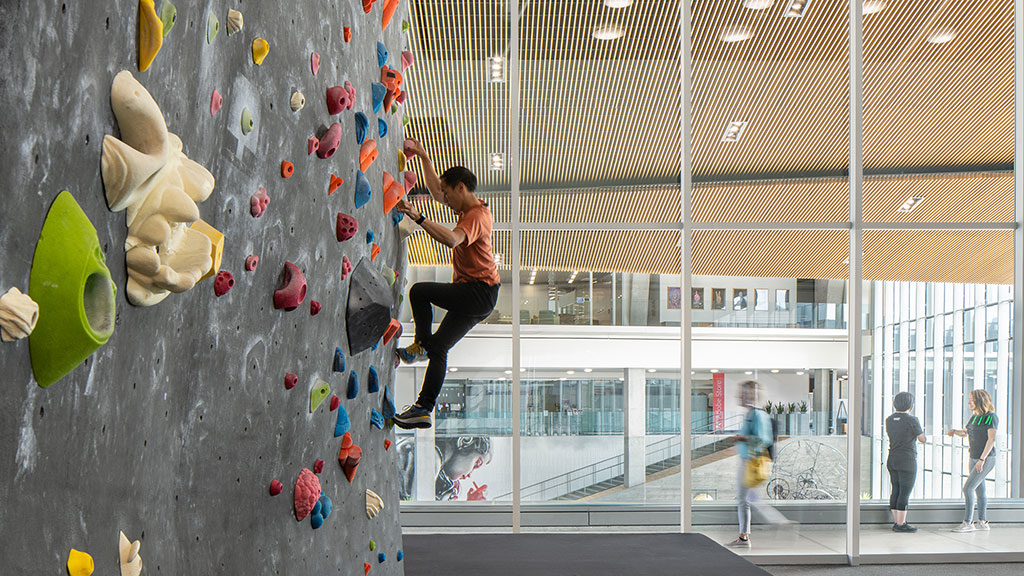
Amenity Intelligence: A Smarter Approach to Office Amenities
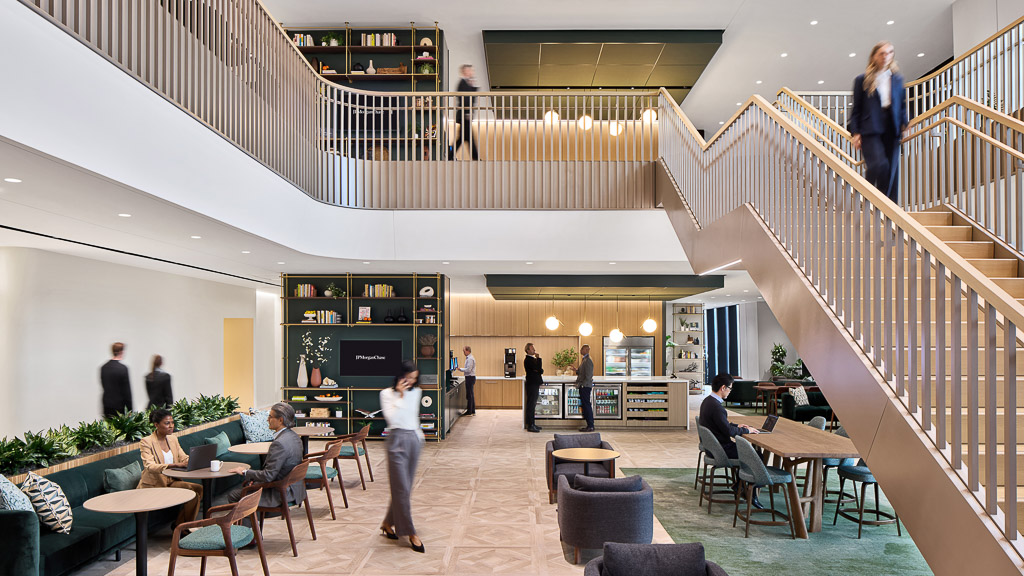
10 Workplace Trends for 2026: What’s In and What’s Out?
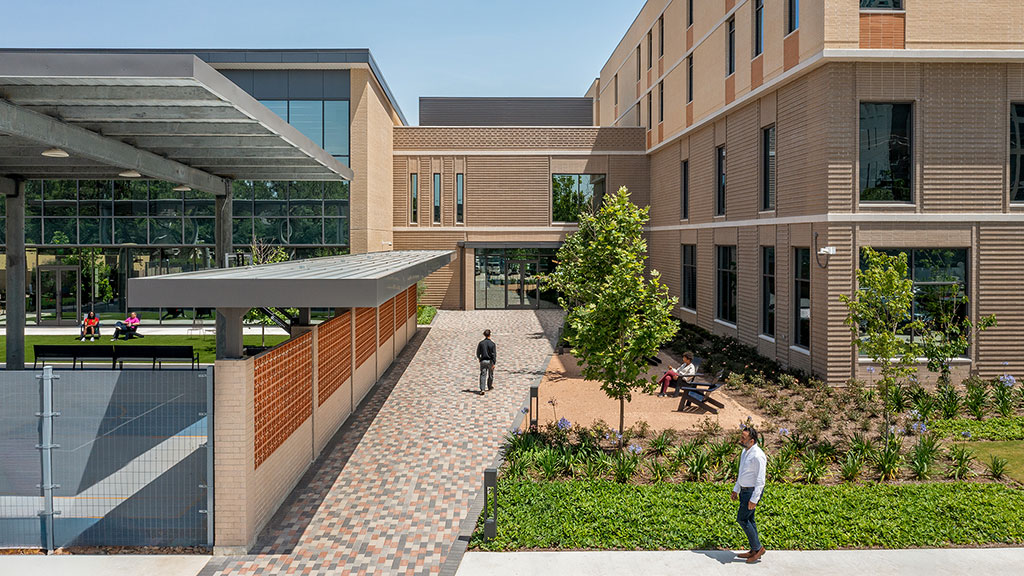
How Design Can Advance Diverse Nonprofit Missions
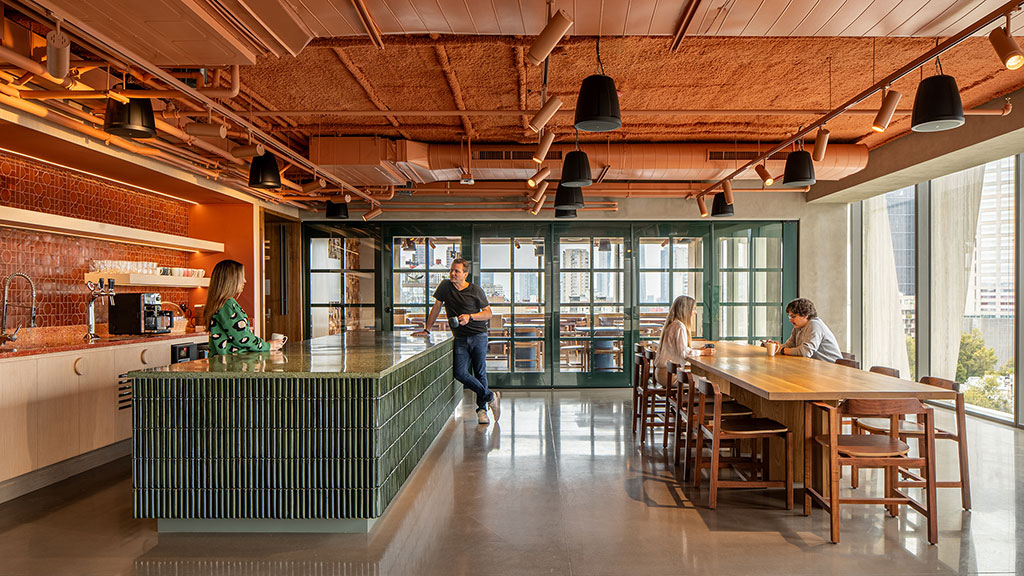
The Future of Real Estate Metrics: Human Connection
Shared campuses and coworking models emerge as cost-saving lifelines.
Smaller nonprofits facing funding and talent cuts turn to co-located workspaces and cross-mission campuses to minimize overhead. These shared resources allow them to look to corporate partnerships for new revenue sources.
Nonprofits design for flexibility to manage financial uncertainty.
Real estate leases and workplace design adapts to allow organizations to scale up or down without major financial or operational disruption. The adoption of AI technology in day-to-day operations, communications, and predictive donor analytics can help mitigate economic uncertainty.
Hybrid and mission-driven workplaces reshape space requirements.
With hybrid work still a viable alternative for nonprofits, many organizations reduce their real estate footprints. This increases remote hiring and spurs investment in mission-centered, public-facing offices that support employee collaboration, community engagement, and program delivery better than traditional workplaces. Sustainability, inclusivity, and trauma-informed design remain a driving factor.
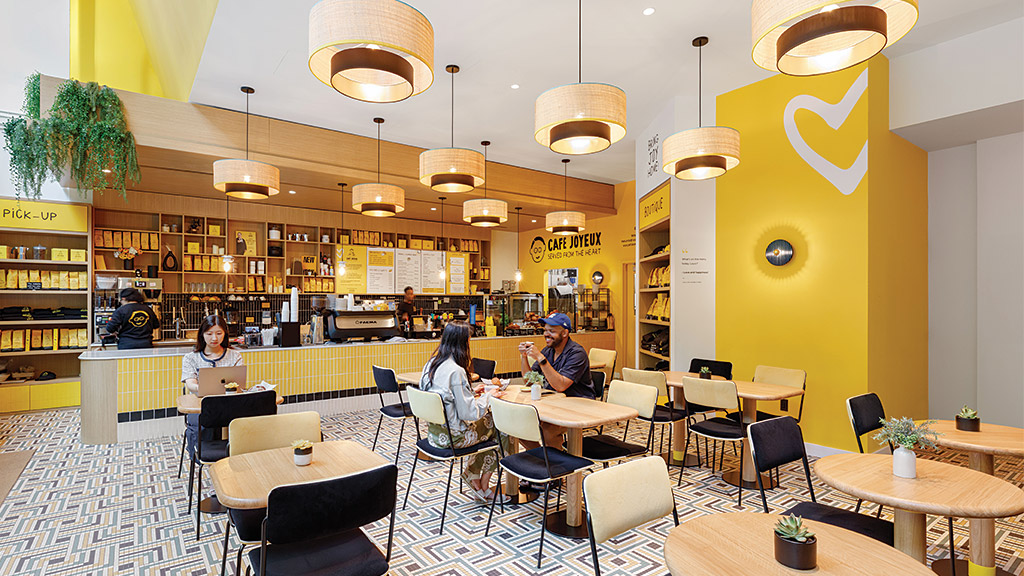
Gensler and Maison Sarah Lavoine Translated Café Joyeux’s Social Mission Into an NYC Eatery
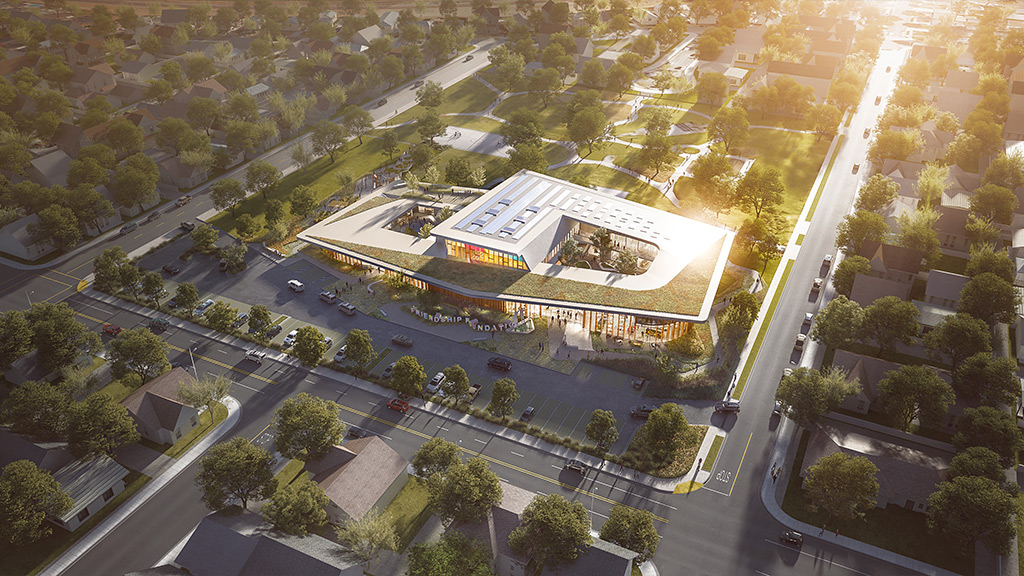
Friendship Foundation Campus Will Provide Opportunities for All Abilities To Learn, Explore, and Find Their Place
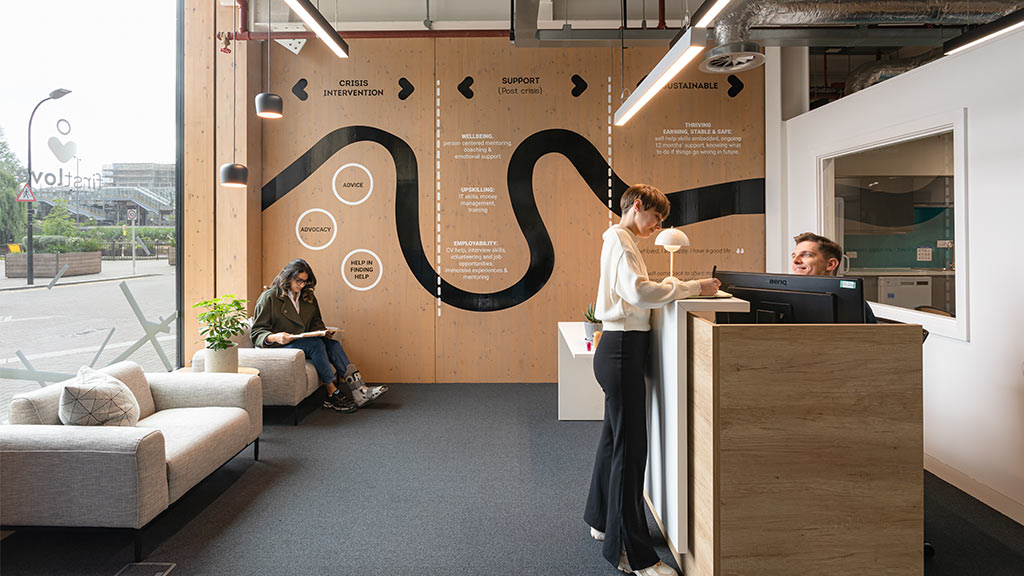
A Look Inside Gensler’s Design of First Love Foundation Offices
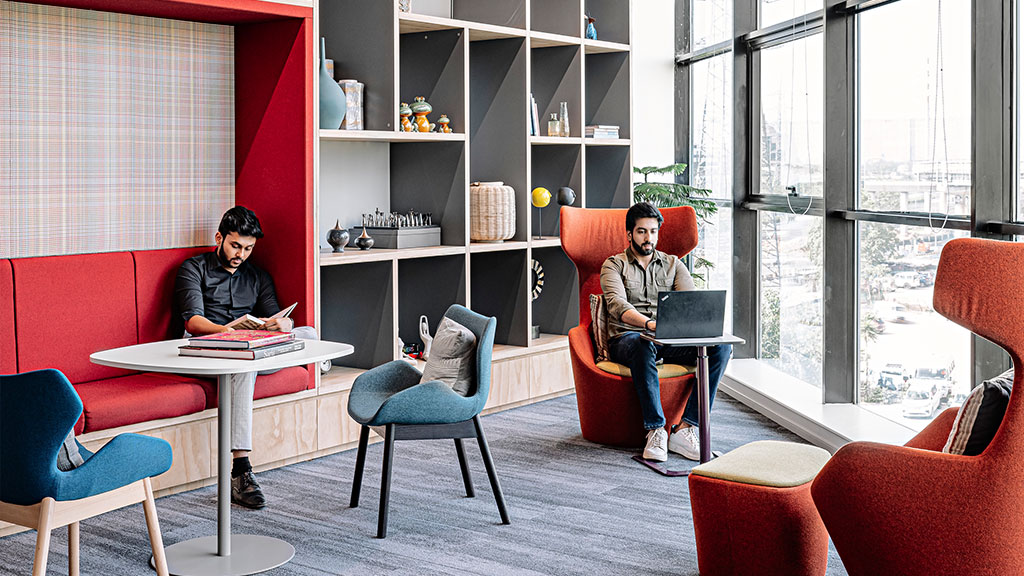
Here’s What Matters for Optimizing Office Spaces for Today’s Needs
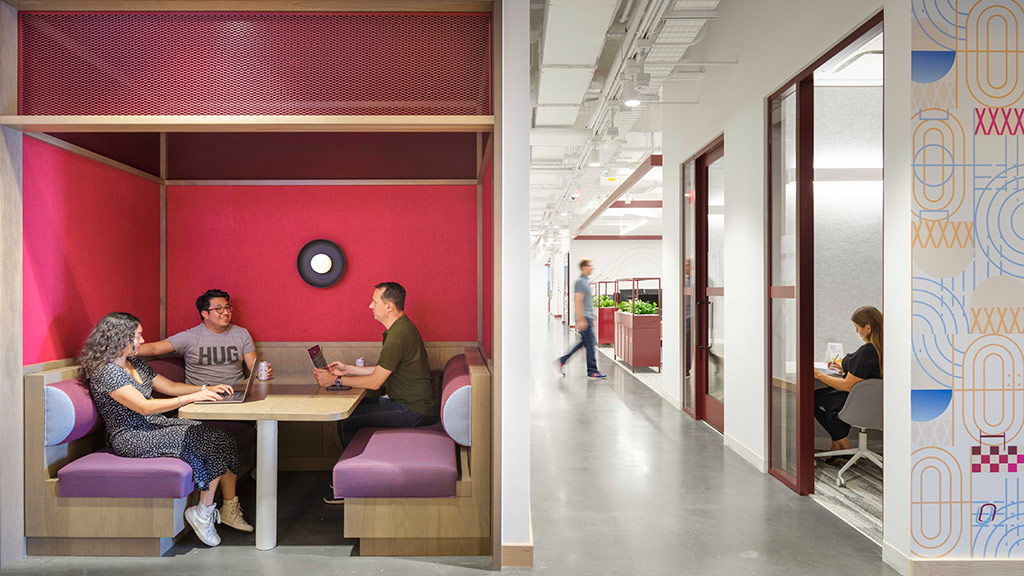
Gensler’s Janet Pogue McLaurin Discusses the Dynamics of the Evolving Workplace
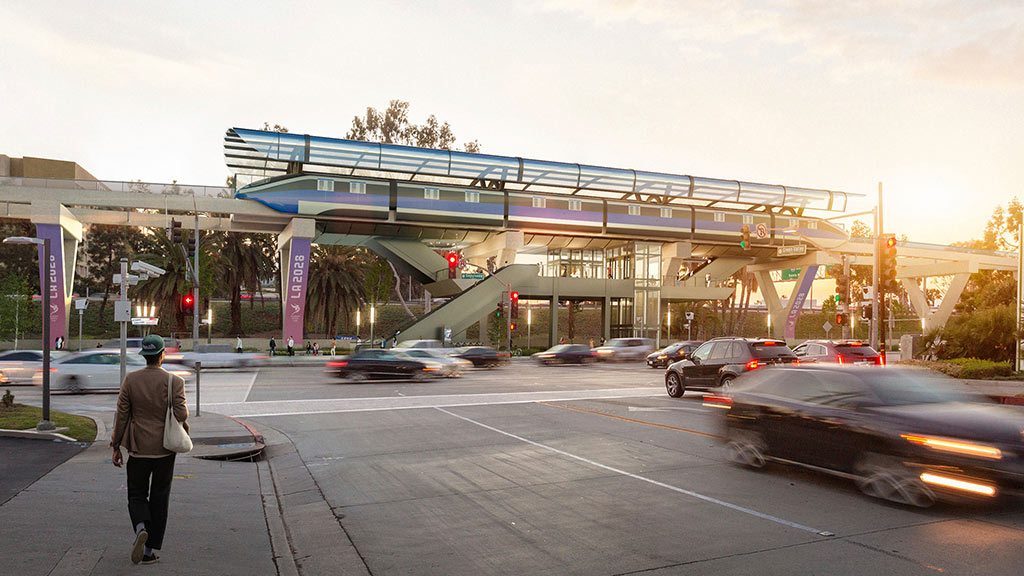
ThisWeekinFM Highlights 10 Trends That Will Change the Built Environment From Gensler’s Design Forecast 2023
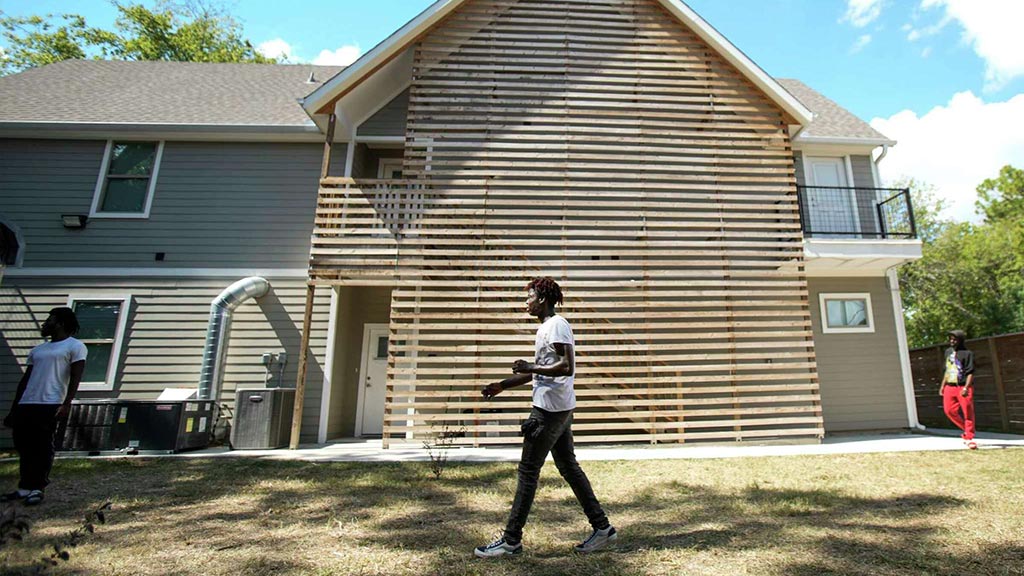
Covenant House’s New Gensler-Designed Campus Will Provide Shelter for Homeless Youth
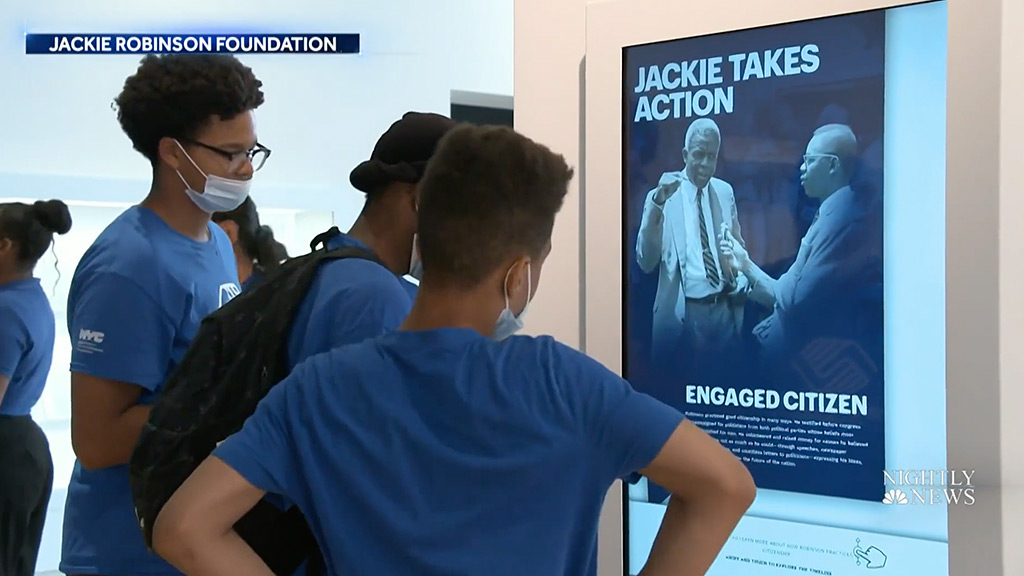
The Jackie Robinson Museum Celebrates the Athlete’s Legacy
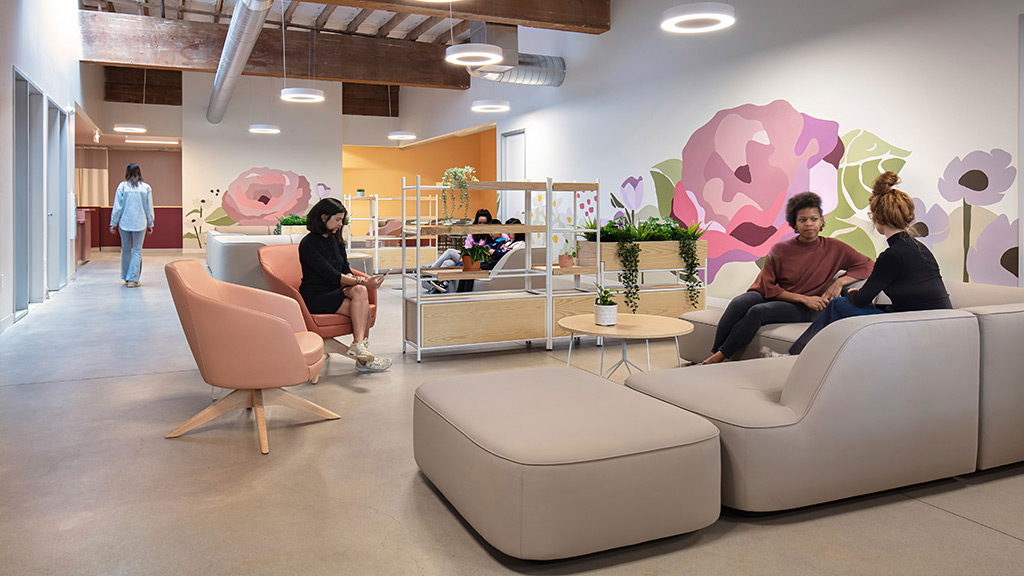
Gensler Brings Trauma-Informed Design to the Forefront at Rose Haven Shelter
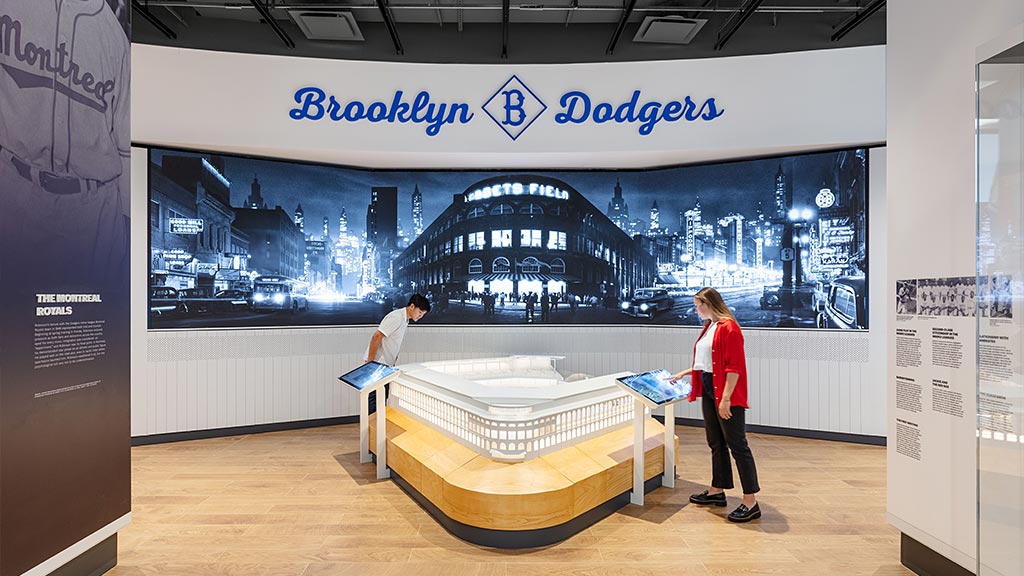
A Museum Dedicated to Preserving Jackie Robinson’s Legacy Opens in Manhattan
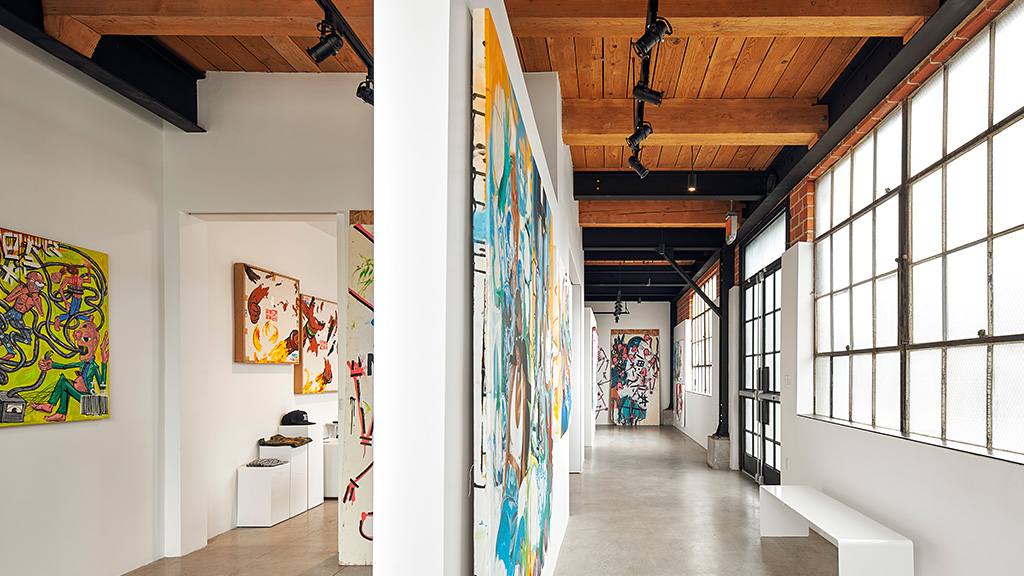
How Museums Have Persevered and Design Trends That Are Here To Stay
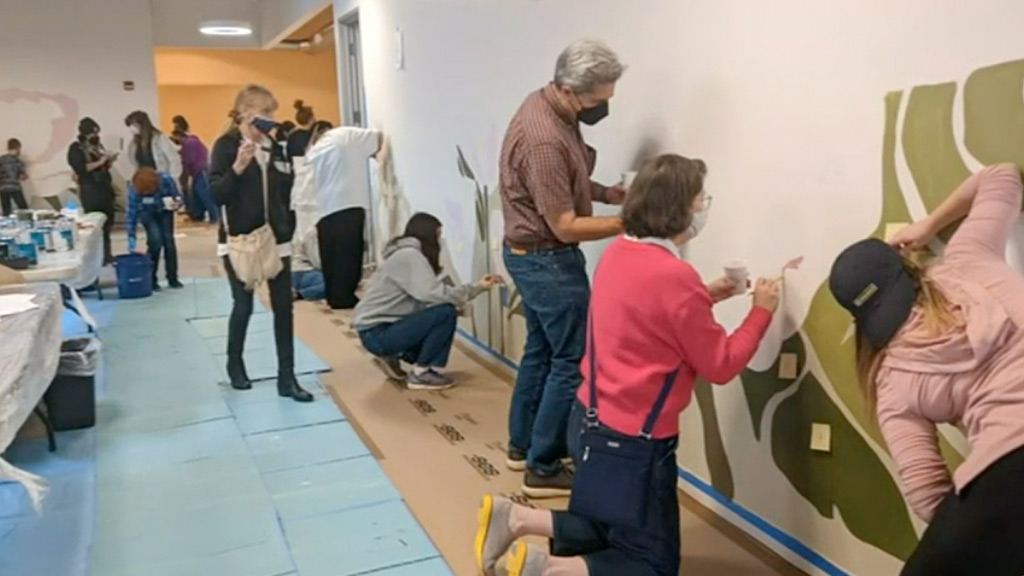
Rose Haven’s New Shelter Includes a Community Painted Mural